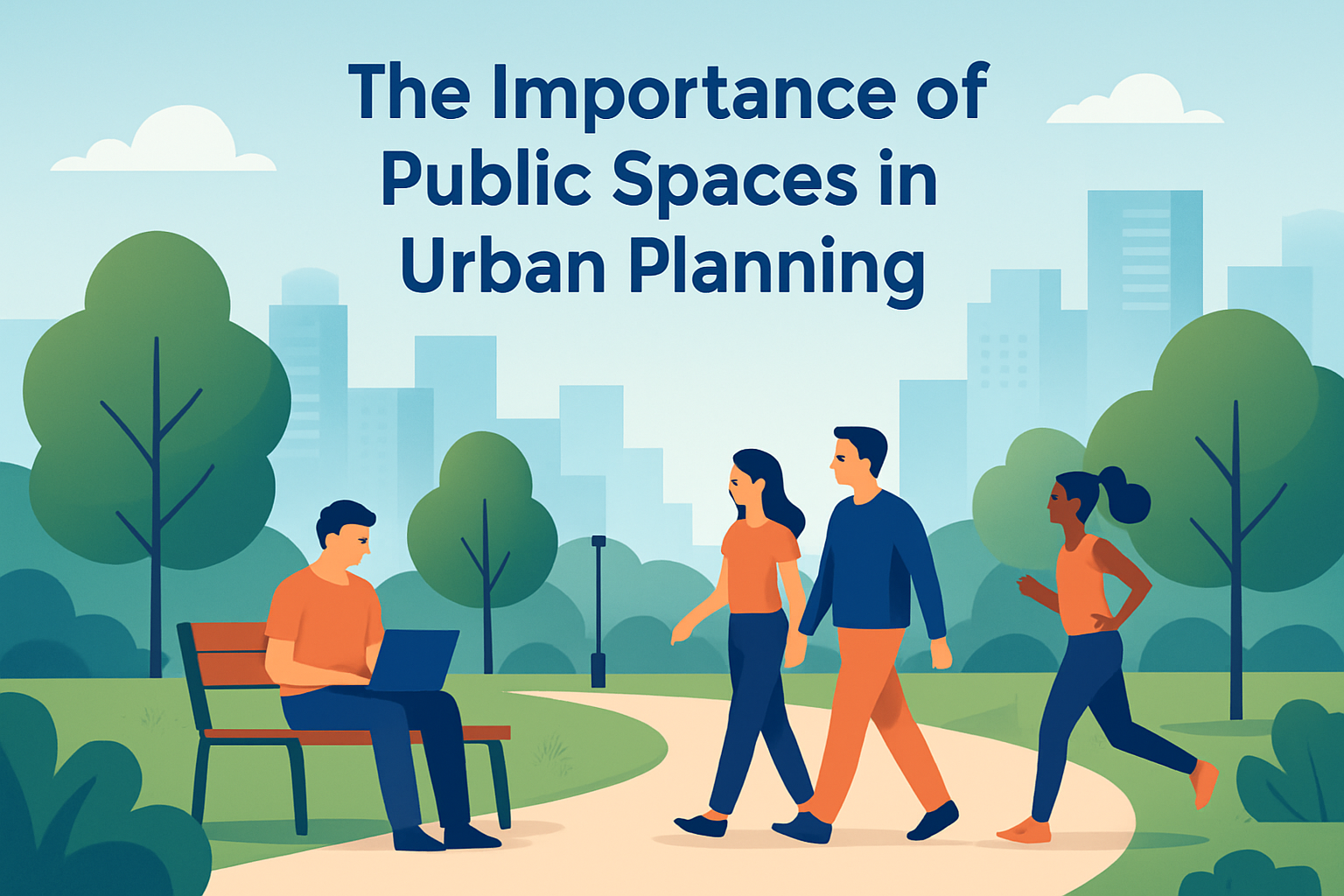
In recent years, the conversation around urban development has increasingly emphasized the importance of public spaces and sustainable transportation. These two elements are pivotal in shaping modern cities into environments that promote equity, well-being, and environmental sustainability. Public spaces, defined as areas such as parks, plazas, and streets that are accessible to all, perform a crucial role in urban life. Sustainable transportation, on the other hand, refers to modes of transport that reduce negative impacts on the environment, such as cycling, walking, and public transit. Together, they form the backbone of a sustainable urban framework. Understanding and promoting these concepts is essential because they enhance urban livability, reduce carbon footprints, and foster inclusive communities. Let’s delve deeper into how these components interplay to forge better cities for the future.
The Role of Public Spaces in Urban Development
Public spaces are the soul of any city, offering a venue for individuals to gather, socialize, and engage in community activities. A prime example of their positive impact can be seen in New York City’s Times Square. Once notorious for traffic congestion, the space underwent a transformation project that repurposed roadway space for pedestrian use. This initiative resulted in increased foot traffic, stimulated economic activity, and improved local air quality. Public spaces can enhance urban aesthetics and offer environmental benefits. Green spaces, such as parks, help combat urban heat islands, improve air quality, and offer natural habitats for urban wildlife. Additionally, public spaces are inherently democratic, open to all demographics, encouraging social interaction and fostering a sense of community.
Sustainable Transportation: Reducing Carbon Footprints
With climate change at the forefront of global challenges, sustainable transportation is no longer an option but a necessity. Sustainable transportation involves optimizing existing transit systems and integrating modes of transport that lessen environmental impacts. The use of bicycles, walking, and public transit are cornerstones of this approach. For instance, Copenhagen, Denmark, stands as a leader in the bicycle-friendly city model. Approximately 62% of residents commute to work or school via bicycle, significantly reducing the city’s carbon footprint. The city’s investment in comprehensive cycling infrastructure demonstrates how urban planning can promote healthier lifestyles and environmental conservation simultaneously. Sustainable transport reduces reliance on fossil fuels, which contributes to climate change mitigation efforts, and when established alongside public spaces, creates seamless connectivity throughout urban landscapes.
Integrating Public Spaces and Sustainable Transportation
The synergy between public spaces and sustainable transportation is evident when they are seamlessly merged to create cohesive, livable urban environments. Cities that invest in both see myriad benefits, such as reduced congestion, improved public health, and enhanced economic vitality. Consider Bogotá, Colombia, a city recognized for integrating these principles through its use of “ciclovía,” temporary closings of roads to motor vehicles to allow pedestrians and cyclists to take over the streets. This initiative encourages physical activity and fosters a sense of community. Infrastructures such as bus rapid transit, bike paths, and pedestrian-friendly zones are designed to connect neighborhoods and facilitate the movement of people efficiently. Such integrations ensure that public spaces are easily accessible and that sustainable transportation options are viable and attractive alternatives to private car travel.
| City | Transport Mode Share (%) | Public Space Utilization |
|---|---|---|
| Copenhagen | 62% Bicycle | Extensive bike lanes, public parks |
| Bogotá | 45% Public Transit | Ciclovía, pedestrian zones |
| New York | 58% Public Transit | Pedestrian plazas, parks |
Policy and Planning for Inclusive Urban Spaces
Public policies play a crucial role in shaping sustainable cities. Urban planners and policymakers need to ensure that both public spaces and sustainable transportation are prioritized in city development plans. This entails setting regulations that support the reduction of car dependencies and closely integrating land use and transport planning. Policies such as imposing congestion charges, as seen in London, act as incentives for the use of public transit, reducing traffic congestion and urban pollution. Moreover, planning needs to address accessibility and equity, ensuring that all citizens, regardless of socio-economic status, can benefit from urban public spaces and sustainable transport systems. An inclusive approach ensures that urban benefits are distributed fairly across the population, thus reinforcing urban resilience and equality.
The Economic Impact of Sustainable Urban Initiatives
Investment in sustainable transportation and public spaces has a profound economic impact on cities. These initiatives can stimulate local businesses by increasing foot traffic and attracting tourism. The transformation of Times Square in New York City is exemplary of this, where pedestrianisation increased retail sales and property values. Furthermore, the efficiency gains from reduced congestion and improved transportation infrastructure often lead to increased productivity and economic growth. Public spaces can host events, concerts, and markets that drive local commerce. By enhancing the livability of cities, such initiatives also increase the attractiveness for businesses and residents alike, drawing inward investments and fostering a vibrant urban economy.
Technological Innovations Supporting Sustainability
Technology plays an influential role in advancing sustainable transportation and public space utilization. Innovations such as mobile applications and digital platforms facilitate ride-sharing, car-sharing, and other modes of shared mobility, which reduce pressure on urban resources. Intelligent transport systems (ITS) and real-time data analytics are increasingly employed to manage traffic flows efficiently and reduce congestion. When integrated with smart infrastructure, such as sensors in smart cities, these technologies enhance the management of public spaces, ensure security, and improve the user experience. For instance, smart lighting and surveillance systems ensure that public spaces are safe and usable at all times. By leveraging technology, cities can improve service delivery, enhance user engagement, and optimize the efficiency of sustainable transportation systems.
Environmental and Social Benefits
The environmental and social benefits of integrating public spaces with sustainable transportation are significant. Environmentally, by promoting modes of transport that emit low or no carbon emissions, cities help in the fight against climate change while conserving natural habitats. Public spaces with abundant greenery enhance biodiversity and provide sanctuary for urban wildlife. Socially, these spaces and transport systems improve quality of life by promoting physical health and wellbeing. Public spaces become hubs of social exchange, where individuals from diverse backgrounds can interact, thus fostering social cohesion. The equitable distribution of these resources ensures that marginalized communities have equal access, contributing to social justice and integration. The collective impact of these benefits is a resilient urban ecosystem capable of withstanding economic, environmental, and social challenges.
Conclusion: A Call to Action for Urban Transformation
The integration of public spaces and sustainable transportation is not just a vision for the future; it is a pressing necessity for present-day urban planning. As outlined, these elements collectively enhance urban life by reducing environmental impacts, promoting social equity, and driving economic vitality. Cities around the globe, from Copenhagen and Bogotá to New York, showcase successful models of integrating these principles with tangible outcomes. The task now lies with urban planners, policymakers, and residents to champion these initiatives for broader application. As stakeholders in our urban environments, we all have a role to play in advocating, planning, and implementing sustainable practices. The changes we make today will pave the way for greener, more resilient cities. Therefore, it’s time to act decisively towards creating cities that are not only livable but also sustainable for future generations.
Frequently Asked Questions
1. What are public spaces and why are they important in urban development?
Public spaces are vital components of urban environments, encompassing areas like parks, plazas, playgrounds, and streets that are accessible to everyone, irrespective of their socio-economic status. They act as communal gathering spots that foster social interactions, cultural exchange, and community engagement. The importance of public spaces in urban development cannot be overstated. They provide residents with the much-needed break from urban hustle, offering spaces for relaxation, outdoor activities, and green respite in an otherwise concrete-heavy cityscape. Moreover, well-designed public spaces contribute to improved mental health and well-being, encouraging urban dwellers to spend more time outdoors and engage in physical activities. In a broader sense, they promote social cohesion and inclusivity, as people from diverse backgrounds can utilize these spaces for various activities without any discrimination. These spaces also play a significant role in enhancing the aesthetic appeal of cities, making them more attractive to residents and tourists alike.
2. What do we mean by sustainable transportation, and why is it critical for modern cities?
Sustainable transportation refers to modes of transport that have a low environmental impact and promote the efficient movement of people and goods. This includes walking, cycling, public transit systems like buses and trains, and innovations like electric vehicles. The criticality of sustainable transportation in modern cities stems from the rapid urbanization resulting in traffic congestion, air pollution, and greenhouse gas emissions, which contribute to climate change. Transitioning to sustainable transportation helps mitigate these environmental challenges by reducing reliance on fossil fuels, lowering harmful emissions, and promoting cleaner air. For urban populations, it offers numerous benefits, including improved public health due to reduced pollutants and a decrease in accident rates with fewer cars on the road. Ultimately, sustainable transportation supports economic growth by ensuring accessibility and mobility within the city are efficient and equitable, while reducing the strain on city infrastructure.
3. How do public spaces and sustainable transportation interact to benefit urban environments?
The interaction between public spaces and sustainable transportation creates a synergistic relationship that enhances the overall quality of life in urban environments. Well-designed public spaces provide the infrastructure required to facilitate sustainable transportation options such as cycling lanes, pedestrian pathways, and accessible transit stops. This supports citizens in choosing more environmentally-friendly modes of transport over personal vehicles. On the other hand, sustainable transportation increases the accessibility of public spaces, allowing more people to visit parks, plazas, and recreational areas easily and with minimal environmental impact. This accessibility encourages frequent use of public spaces, fostering vibrant and lively communities with a higher level of social interaction and cultural participation. Furthermore, both elements contribute significantly to reducing urban heat islands, managing stormwater runoff through green spaces, and improving biodiversity, thus playing a crucial role in the ecological sustainability of cities.
4. What role does technology play in enhancing public spaces and sustainable transportation in urban areas?
Technology plays a pivotal role in modernizing public spaces and sustainable transportation in urban areas, leveraging innovations to improve functionality, accessibility, and sustainability. With smart technology, cities can enhance public spaces by incorporating interactive elements such as Wi-Fi connectivity, digital wayfinding, and responsive lighting that adapt to weather or time of day, making them safer and more user-friendly. In terms of sustainable transportation, technology facilitates the development of intelligent transportation systems (ITS) that optimize traffic flow, reduce congestion, and promote efficient use of infrastructure. Electric scooters, bike-sharing schemes, and real-time public transit apps are just a few examples of how technological advances influence sustainable transportation. Additionally, data analytics help urban planners understand and respond to the dynamics of public space use and transportation needs, empowering them to make informed decisions on improving urban mobility and ensuring resources are allocated effectively to bottleneck areas. This amalgamation of technology with urban design underpins the success of cities in becoming smarter and more sustainable.
5. How can citizens participate in shaping public spaces and sustainable transportation policies in their cities?
Citizen involvement is integral in shaping effective and inclusive policies for public spaces and sustainable transportation. Residents can participate through several avenues, beginning with public consultations and community meetings where they can voice their needs, preferences, and concerns. Many cities are adopting participatory planning processes that invite residents to be actively involved in urban development decisions. Furthermore, citizens can engage in local advocacy groups or non-profit organizations that focus on urban planning, transportation, and sustainability issues. Online platforms and social media provide additional channels for citizens to express their opinions and mobilize action on important issues. Active participation ensures that plans and policies reflect the genuine needs of all community members, from improving public transport routes to creating pedestrian-friendly areas, ultimately fostering inclusive, vibrant, and resilient cities. Through such engagement, citizens help hold planners and policymakers accountable, pushing for transparency and commitment to sustainable urban development goals.