Introduction to Public Spaces and Urban Sprawl
Urban sprawl is a complex issue that has been shaping the landscape of our cities and suburbs for decades. It refers to the uncontrolled expansion of urban areas into peripheral regions, leading to various socio-economic and environmental challenges. One of the primary factors in this ongoing phenomenon is the way cities plan, design, and utilize their public spaces. Public spaces, including parks, squares, and recreational areas, play a critical role in urban planning and development. But how do these seemingly simple components of urban life impact the broader issue of urban sprawl? And why does it matter to city planners, residents, and policymakers alike?
Understanding the relationship between public spaces and urban sprawl is essential for creating sustainable cities that support the well-being of their residents. Public spaces can either mitigate or exacerbate urban sprawl depending on how they are integrated into city planning. When strategically designed, these spaces can enhance urban density, reduce car dependency, and cultivate a stronger sense of community. Conversely, poorly planned public spaces may lead to disjointed urban layouts that encourage further sprawl and segregation. As urbanization continues to accelerate globally, grasping these dynamics becomes increasingly vital for ensuring the ecological balance, economic vitality, and social cohesion of our urban environments.
The Role of Public Spaces in Urban Planning
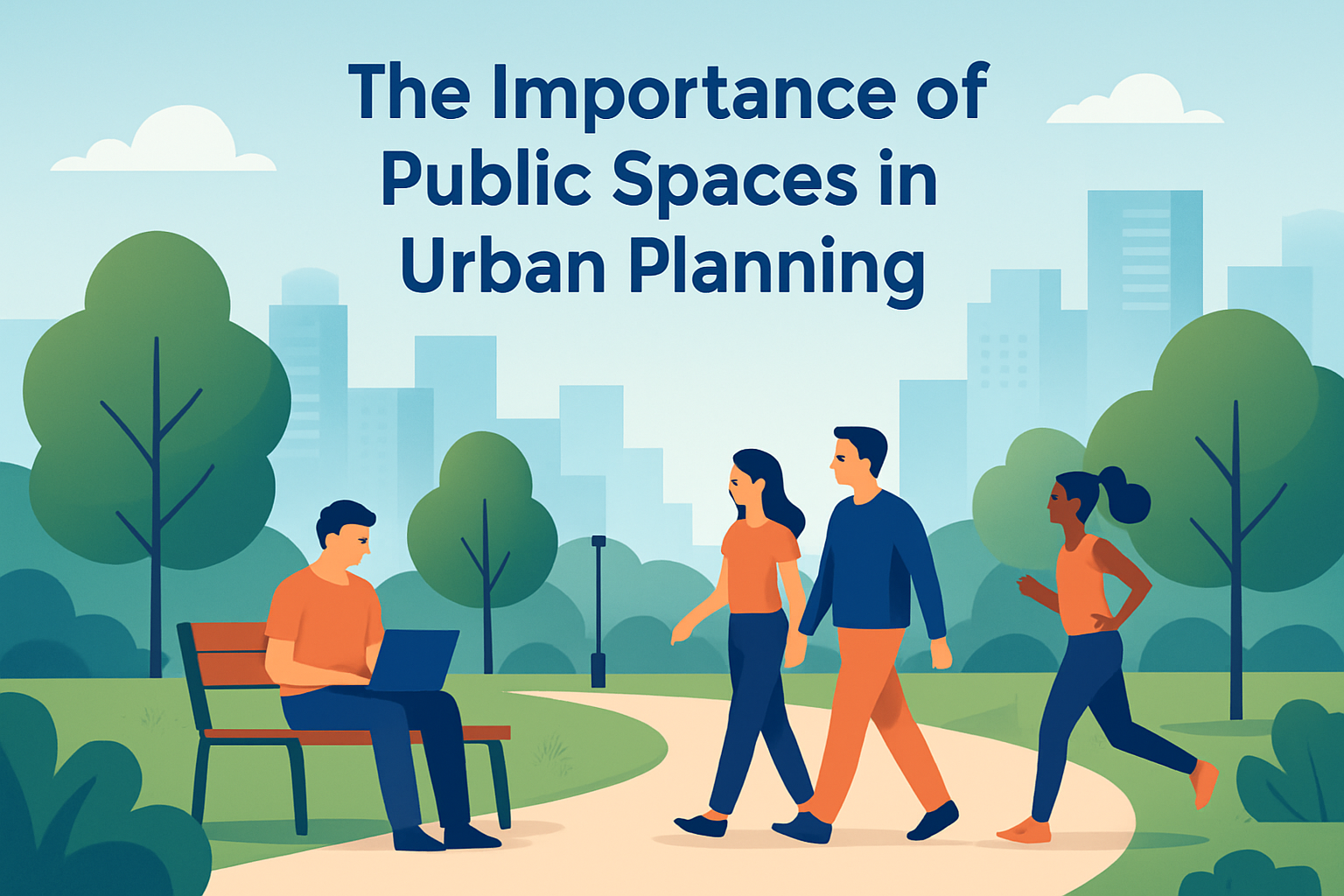
Public spaces are more than just patches of green amid concrete jungles. They are the lungs of the city, providing a breath of fresh air, literally and figuratively, to urban dwellers. Beyond their aesthetic and recreational advantages, these areas play a pivotal role in urban planning by influencing population density and land use patterns.
For example, consider the city of Portland, Oregon, where effective public space planning has helped contain urban sprawl. By prioritizing high-density residential zones interspersed with parks and greenways, Portland has created an urban environment encouraging walking, cycling, and public transit use. The existence of green spaces has reduced the need for residents to travel long distances for leisure, thus limiting the geographic spread of the city.
Moreover, the presence of well-maintained public spaces can increase property values in urban areas, encouraging populations to stay rather than move outward. This reduced migration to peripheral locations can help combat the spread of urban sprawl by maintaining a balanced urban core. By planning public spaces with these objectives in mind, cities can promote sustainable growth patterns that benefit all residents.
Public Spaces as Community Builders
Public spaces foster community interaction, which is a crucial aspect of reducing the need for sprawling developments. These areas serve as gathering spots where social ties are strengthened, and civic engagement is encouraged. A strong community formed around a central hub can create a sense of belonging and satisfaction among residents, reducing the desire to move to outer regions in search of a more cohesive social environment.
In cities like Copenhagen, Denmark, the strategic development of public spaces has significantly contributed to community cohesion. The city planners have seamlessly integrated communal areas with urban living, ensuring that residents regularly cross paths in shared environments. This frequent interaction builds strong relationships and networks among residents, who become more invested in their locality.
Furthermore, successful public spaces can bridge social and economic divides by offering accessible locations where people from diverse backgrounds can interact. This inclusivity is key to creating equitable, vibrant urban centers that deter fragmentation and the peripheral expansion associated with urban sprawl.
Environmental Benefits of Public Spaces
Environmental sustainability is another crucial aspect of how public spaces impact urban sprawl. Green spaces within urban areas serve ecological functions that contribute to a city’s health and sustainability. They help to manage stormwater, reduce urban heat, and improve air quality, making urban centers more livable and attractive.
A prominent example of this is New York City’s Central Park, an iconic urban oasis that provides environmental benefits to its dense surroundings. The park’s design accommodates numerous ecological processes that help counteract some adverse effects of urbanization. By incorporating parks and natural reserves within the urban framework, cities can enhance their resilience to environmental issues that might otherwise spur residents to seek refuge in less congested, sprawling suburbs.
The improvement in environmental quality within city confines subsequently reduces the need for outward urban migration, which is often driven by the pursuit of healthier living conditions. Thus, effectively designed public spaces can play an essential role in controlling and even reversing urban sprawl.
Public Spaces and Transportation Integration
Another significant way that public spaces influence urban sprawl is through their integration with transportation networks. When cities plan their public spaces alongside efficient public transportation systems, they create an interconnected urban environment that reduces dependency on automobiles.
Consider Barcelona’s superblocks, which are micro-neighborhood models converting clusters of streets into pedestrian-only zones that prioritize public spaces. These areas are easily accessible via public transport, encouraging residents to walk or cycle within dense urban cores instead of relying on cars. This planning approach has decreased traffic congestion and minimized the city’s expansion, as fewer residents feel the need to relocate to automobile-dependent suburbs.
By designing public spaces with transportation in mind, urban planners can enhance accessibility within cities, making dense urban living both viable and appealing. This strategy promotes densification over expansion, thus curbing urban sprawl and the costly infrastructure investments it necessitates.
Challenges of Integrating Public Spaces to Combat Urban Sprawl
While public spaces profoundly influence urban sprawl, integrating them effectively into city landscapes presents challenges. Land scarcity in urban centers and financial constraints are two primary obstacles cities face when developing these spaces.
For instance, in rapidly growing metropolises like Mumbai, securing land for public spaces is problematic due to high real estate costs and competing land use priorities. Moreover, the initial cost of developing and maintaining these spaces can be prohibitive for location municipalities. These economic hurdles often lead to the prioritization of development projects that promise immediate financial returns rather than long-term urban sustainability.
To overcome these challenges, cities need innovative solutions and collaborations between stakeholders. Public-private partnerships, land banking, and policy incentives that encourage developers to incorporate public spaces into their projects are examples of strategies that municipalities can employ to advance their urban planning goals sustainably.
| City | Public Space Strategy | Impact on Sprawl |
|---|---|---|
| Portland | Integration with high-density zones | Reduced peripheral expansion |
| Copenhagen | Community-focused design | Enhanced local cohesion |
| New York City | Environmental emphasis (Central Park) | Improved urban livability |
| Barcelona | Superblocks | Decreased car dependency |
The Future Role of Public Spaces in Urban Development
Looking forward, public spaces will undoubtedly play an increasingly vital role in shaping the future of our cities. As urban populations continue to grow, the demand for these areas will escalate, making them indispensable components of sustainable urban planning.
Innovations in technology and design are already reimagining the possibilities for urban public spaces. Concepts like smart parks equipped with digital infrastructure and adaptable spaces that can serve multiple functions throughout the day are gaining traction. These advances can further integrate public spaces into the urban fabric, maximizing land use efficiency and discouraging sprawling development patterns.
Additionally, as awareness of climate change’s impacts grows, the focus on developing resilient public spaces that contribute to ecological sustainability will intensify. Cities adopting forward-thinking approaches to public space design will be better positioned to address future urban challenges, enhancing their competitiveness, liveability, and overall quality of life.
Conclusion and Call to Action
In conclusion, public spaces significantly impact urban sprawl by influencing city layout, community dynamics, environmental health, and transportation habits. By integrating public spaces into urban planning effectively, cities can foster sustainability, discourage unnecessary expansion, and enhance the livability of urban cores. For city planners, residents, and policymakers, acknowledging and leveraging the multifaceted benefits of public spaces is essential for developing adaptable, flourishing urban areas.
To harness these advantages, cities must prioritize the strategic design and integration of public spaces within their urban development policies. Stakeholders at all levels should collaborate to create, maintain, and improve these essential environments, ensuring they serve their communities today and for future generations. Encouraging involvement from diverse interest groups can help tailor public spaces to the unique needs of each urban area, fostering resilience against sprawl while uplifting community spirits.
As individuals, we can participate in local planning committees, advocate for greener communities, and support initiatives promoting accessible public spaces. By doing so, we contribute to the broader effort to create urban spaces that balance growth with sustainability, ensuring that our cities remain vibrant and inclusive places to live, work, and play.
Frequently Asked Questions
1. How do public spaces influence urban sprawl?
Public spaces are crucial in the fight against urban sprawl. They serve as central hubs within urban environments, encouraging community interaction and enhancing the livability of city centers. By focusing efforts on the design and development of high-quality public spaces, cities can effectively curb urban sprawl. These spaces make city centers more attractive and livable, encouraging residents to stay within urban boundaries instead of moving to the outskirts. When public spaces are well-maintained and offer amenities like parks, plazas, and recreational facilities, they increase the desirability of living in urban areas, thereby limiting the incentive for unchecked expansion into peripheral regions.
2. What role do public spaces play in sustainable urban development?
Public spaces are at the heart of sustainable urban development. They provide environmental and social benefits that facilitate sustainable living. From an environmental perspective, public spaces contribute to urban biodiversity, support local ecosystems, and offer natural drainage systems that mitigate flooding. Socially, they promote inclusivity, offering areas for social interaction and cultural exchange. This leads to cohesive communities that are less inclined to disperse into sprawling developments. Effective use of public spaces promotes sustainable transportation methods like walking and cycling, reduces vehicle dependence, and consequently, limits emissions and pollution associated with sprawl-driven vehicular use.
3. Why is connectivity within public spaces important in controlling urban sprawl?
Connectivity is a key element in the functionality of public spaces, influencing the movement patterns within cities. Connected public spaces facilitate seamless walking and biking routes, enabling easy access to different parts of a city without the need for car travel. This integrated network of paths and greenways can significantly decrease reliance on automobiles, a major factor contributing to urban sprawl. When people can navigate the city efficiently on foot or by bike, they are more likely to live closer to city centers, reducing the spread into outlying areas. Connectivity also encourages the development of mixed-use neighborhoods, where residential, commercial, and recreational infrastructures coexist harmoniously.
4. How do public spaces impact the quality of life in urban areas, thereby affecting sprawl?
Quality of life in urban areas is significantly enhanced by the presence of well-designed public spaces. These areas not only provide opportunities for recreation and leisure but also contribute to the mental and physical well-being of residents. Access to nature and open spaces can lower stress levels and improve mental health, making urban areas more desirable places to live. When city dwellers find satisfaction in their immediate surroundings, they are less inclined to leave for suburban environments. Furthermore, public spaces foster social interactions and community ties, which strengthen the urban fabric, create a sense of belonging, and discourage the move towards sprawling developments.
5. What challenges do cities face in implementing public spaces to combat urban sprawl?
While the benefits of public spaces in combating urban sprawl are clear, cities encounter multiple challenges in implementation and maintenance. One significant challenge is financial constraints, as the development and upkeep of public spaces require sustained investment. Balancing budget allocations between public spaces and other urban necessities can be difficult. Additionally, cities must often work within existing urban frameworks, which may be difficult to adapt or expand due to space limitations or zoning laws. Moreover, ensuring equitable access to these spaces is a priority that can often be neglected, leading to disparities in public space availability across different neighborhoods. Cities must navigate these challenges through innovative and inclusive urban planning approaches to maximize the impact of public spaces on curbing urban sprawl.