Introduction to Urban Greenery and Wildlife Habitats
Urban greenery and wildlife habitats are essential components of modern cities. As urban areas continue to expand at an unprecedented rate, the need for integrating natural elements into city landscapes has never been more critical. Urban greenery refers to all forms of plant life present in cities, such as parks, gardens, street trees, green roofs, and urban forests. Wildlife habitats, on the other hand, are natural or man-made environments that provide living conditions for various species of animals and insects within urban settings.
The importance of urban greenery and wildlife habitats lies in their ability to enhance biodiversity, improve air quality, reduce noise pollution, and provide recreational spaces for citizens. Moreover, they offer psychological benefits such as stress reduction, improved mood, and increased physical activity opportunities. As cities grow, maintaining and increasing these natural spaces is vital for creating sustainable and livable urban environments.
Without a strategic approach to integrating urban greenery and wildlife habitats, cities risk becoming concrete jungles devoid of the natural elements that make them healthy and enjoyable places to live. It is crucial to understand the elements and benefits of urban greenery and wildlife habitats, as well as how they can be effectively implemented within metropolitan landscapes.
The Crucial Role of Parks in Urban Environments
Parks stand as one of the most prominent examples of urban greenery, playing a significant role in providing wildlife habitats within cities. Parks offer open spaces where flora and fauna can thrive, serving as refuges for birds, insects, and small mammals. Central Park in New York City is a classic example of how parks can enhance urban biodiversity. Spanning over 843 acres, it hosts over 230 bird species and countless insects, which thrive amidst its trees, lakes, and meadows.
The impact of parks is not limited to biodiversity. They also serve as vital community hubs, encouraging recreation and providing aesthetic beauty to urban landscapes. By offering a natural oasis amidst bustling city life, parks help reduce pollution levels and combat urban heat islands. Their lush vegetation contributes to cleaner air by absorbing carbon dioxide and other pollutants and by producing oxygen.
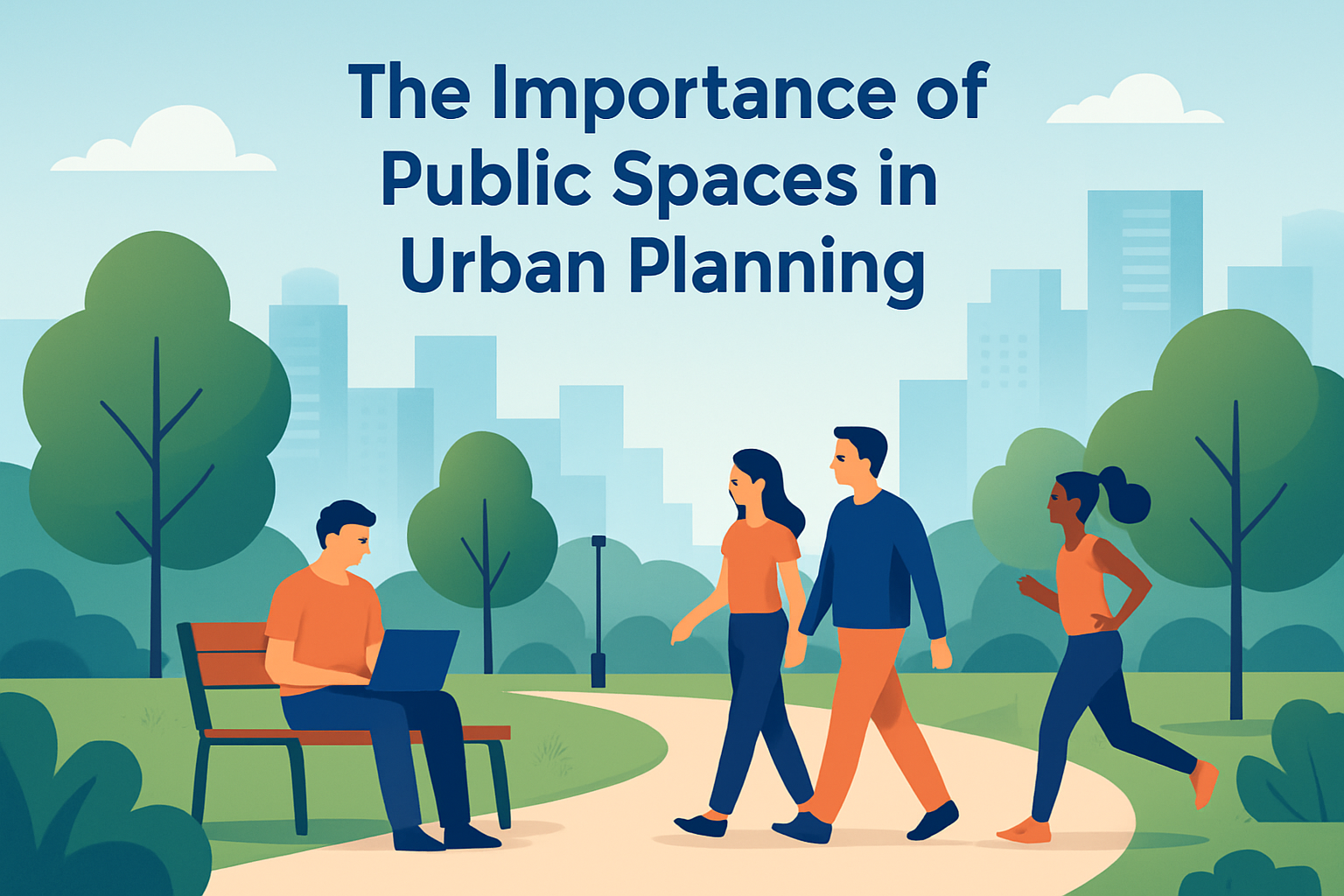
Furthermore, parks encourage physical activity, offering space for walking, jogging, cycling, and other recreational pursuits. They also provide residents with opportunities for social interactions and activities, fostering a sense of community and positively impacting mental well-being.
Green Roofs: Innovation in Urban Planning
As cities grapple with limited space, innovative solutions such as green roofs come into play. Green roofs involve the cultivation of vegetation on the roofs of buildings. These living rooftops are gaining popularity for their ability to transform underutilized spaces into thriving ecosystems that support wildlife.
The development of the Chicago City Hall’s green roof demonstrates the effectiveness of this approach. Planted in 2001, it is home to over 150 species of plants and has successfully attracted insects and birds to the heart of downtown Chicago. The green roof not only enhances biodiversity but also contributes to energy efficiency by providing natural insulation to the building, reducing heating and cooling costs.
Green roofs help manage stormwater, decreasing runoff by absorbing rainwater. This reduces stress on urban drainage systems and mitigates the risk of flooding. Additionally, they assist in lowering urban temperatures, thus curbing the urban heat island effect. Through aesthetically pleasing designs, green roofs contribute to urban beautification, enhancing the quality of life for residents.
Street Trees: Linear Green Belts
Street trees form linear green belts throughout urban areas, contributing to both urban greenery and wildlife habitats. They play a pivotal role in connecting isolated green spaces, offering corridors for wildlife movement. The London Plane tree, frequently planted along streets due to its hardiness, is indispensable to urban biodiversity in cities like London and New York.
These trees support urban bird populations, provide shade, and improve air quality by capturing airborne pollutants. Shade from street trees offers relief from the heat and creates more walkable urban conditions. Moreover, trees capture carbon dioxide, aid in climate regulation, and enhance the overall aesthetic appeal of urban vicinities.
Street trees are also instrumental in noise reduction, as their foliage helps block and absorb sound waves, creating quieter and more pleasant urban environments. Their presence along sidewalks and roads makes neighborhoods more inviting, encouraging pedestrian activities and promoting healthier lifestyles.
Community Gardens: A Grassroots Approach
Community gardens represent a grassroots effort to integrate urban greenery and wildlife habitats into city spaces. Conceived and maintained by local residents, these gardens offer an opportunity for people to grow their own food, flowers, and plants, while simultaneously providing habitats for insects and birds.
The success of community gardens is showcased in cities like Detroit, where urban agriculture has transformed vacant lots into productive green spaces. This approach not only supports biodiversity but also addresses food security challenges by providing fresh produce to local communities.
Community gardens also promote social interaction and cohesion, fostering a sense of belonging among participants. They offer educational opportunities for citizens to learn about agriculture, sustainability, and ecology, transforming urban dwellers into active stakeholders in environmental conservation.
| Urban Greenery Type | Key Benefits |
|---|---|
| Parks | Enhance biodiversity, reduce pollution, promote recreation, improve mental well-being |
| Green Roofs | Support wildlife, improve energy efficiency, manage stormwater, lower temperatures |
| Street Trees | Improve air quality, provide shade, support urban bird populations, reduce noise |
| Community Gardens | Foster social cohesion, enhance food security, offer education opportunities |
Summary and Call to Action
In summary, urban greenery and wildlife habitats are indispensable aspects of modern urban planning. Parks serve as vital biodiversity hubs, promoting health and community engagement, while green roofs present innovative solutions to limited urban spaces. Street trees play a crucial role in enhancing air quality and providing wildlife corridors, and community gardens foster sustainability and food security. Together, these elements contribute to forming sustainable, healthful, and interconnected urban ecosystems.
For city residents, participating in or supporting local green initiatives can substantially impact community well-being and environmental sustainability. Governments and urban planners must prioritize integrating urban greenery and wildlife habitats, adopting policies that encourage green development. As individuals, engaging in community gardens, advocating for park preservation, or simply planting street trees can initiate significant change.
Every effort, no matter how small, plays a vital role in creating livable cities. By embracing green initiatives, we contribute to a healthier planet and improved quality of life. As citizens, let us commit to fostering urban greenery and wildlife habitats, ensuring vibrant, thriving urban environments for generations to come.
Frequently Asked Questions
1. What are urban greenery and wildlife habitats, and why are they important for cities?
Urban greenery and wildlife habitats are vital for creating comprehensive, healthier city environments where both humans and wildlife can thrive. Urban greenery encompasses all plant life introduced into the concrete landscape of a city. We’re talking about everything from sprawling, tree-filled parks, to meticulously maintained gardens, rows of street trees that align sidewalks, innovative green roofs that sprout vegetation on top of buildings, and even entire urban forests that punctuate the cityscape. These green spaces serve a multitude of functions, ranging from enhancing aesthetic beauty and recreational spaces to improving air quality and offering cooling shade during hot months.
Wildlife habitats in urban settings refer to natural or purposefully engineered environments that cater to the needs of various animals. This can include bird-friendly balconies, butterfly gardens, fish-friendly waterways, and reserves in city outskirts where larger mammals might roam. As cities continue inexorably expanding, integrating these natural elements becomes critical to maintaining ecological balance. They offer much-needed sanctuary and resources for local fauna, ensuring that native species don’t just endure urbanization but can coexist and potentially flourish alongside human residents.
2. How does urban greenery benefit city dwellers’ health and well-being?
Having access to urban greenery can vastly improve the quality of life for city dwellers in a myriad of ways. First and foremost, it offers a vital link to nature, providing a form of escape from the city hustle where individuals can relax and recharge mentally. Strolling through a park or sitting under the shade of a tree can be incredibly calming—a break from the constant inundation of noise and chaos city life brings.
But it goes beyond just mental well-being. Urban greenery plays an essential role in improving physical health. These green spaces encourage outdoor activities such as walking, jogging, biking, and sports, promoting a more active lifestyle. They’re also known to improve air quality by filtering pollutants and releasing oxygen, making city environments healthier to breathe. Additionally, the shade provided by trees can mitigate the urban heat island effect, cooling down city temperatures during sweltering summers, making the environment more tolerable and reducing heat-related health issues.
3. What are some common challenges cities face in implementing urban greenery and maintaining wildlife habitats?
As beneficial as urban greenery and wildlife habitats are, cities often face several challenges in implementing and maintaining these natural elements. Space constraints are a significant issue; urban areas are often densely built with limited room for traditional parks and green spaces. This necessitates innovative solutions like vertical gardens and green roofs, which can sometimes be more complicated and expensive to install and maintain.
Financial limitations also pose a problem. The installation, ongoing maintenance, and protection of urban greenery and wildlife habitats require investment that might not be readily available due to budget constraints or prioritization of other infrastructure projects. Furthermore, there’s the challenge of balancing human development with the needs of wildlife. Ensuring that adequate and suitable habitats are preserved or created demands a careful and knowledgeable approach to city planning and development.
4. How can residents help promote and sustain urban greenery and wildlife habitats in their neighborhoods?
Residents play a pivotal role in fostering and sustaining urban greenery and wildlife habitats within their communities. One of the simplest and most effective ways is through personal involvement. By participating in local environmental or community groups, individuals can help champion local green initiatives, volunteering for tree-planting activities, or adopting local parks for regular cleanup.
On a more personal note, city-dwellers can contribute by incorporating small green projects into their homes and surroundings. Planting native flora in gardens or on balconies can support local biodiversity, while installing bird feeders or creating habitats like bee hotels encourages wildlife presence. Lastly, advocating for policy changes at the local government level can also push for more green spaces and protective measures for wildlife habitats, ensuring that cities make these initiatives a priority.
5. What are some innovative examples of urban greenery and wildlife habitats being incorporated into urban landscapes worldwide?
Across the globe, there are incredible examples of innovative urban greenery and wildlife habitats that seamlessly blend nature into city environments. In Singapore, the Gardens by the Bay exemplifies visionary green architecture with its Supertree Grove—immense, tree-like structures covered with a variety of ferns and vines, equipped with photovoltaic cells to harness solar energy. Meanwhile, the Bosco Verticale in Milan, Italy, showcases residential towers with nearly 900 trees, 5,000 shrubs, and 11,000 perennial plants incorporated into the structure, turning the living complex itself into a vertical forest.
On a smaller yet no less impactful scale, cities like New York have developed initiatives such as the High Line, a suspended park built on a disused railway line, providing a green artery through the cityscape. In terms of wildlife, numerous urban areas have created wetlands and natural reserves on city fringes or even closer, offering sanctuary to various bird and animal species despite the urban surroundings. These examples are more than just impressive— they highlight a growing recognition of the intrinsic value of nature in our urban futures.