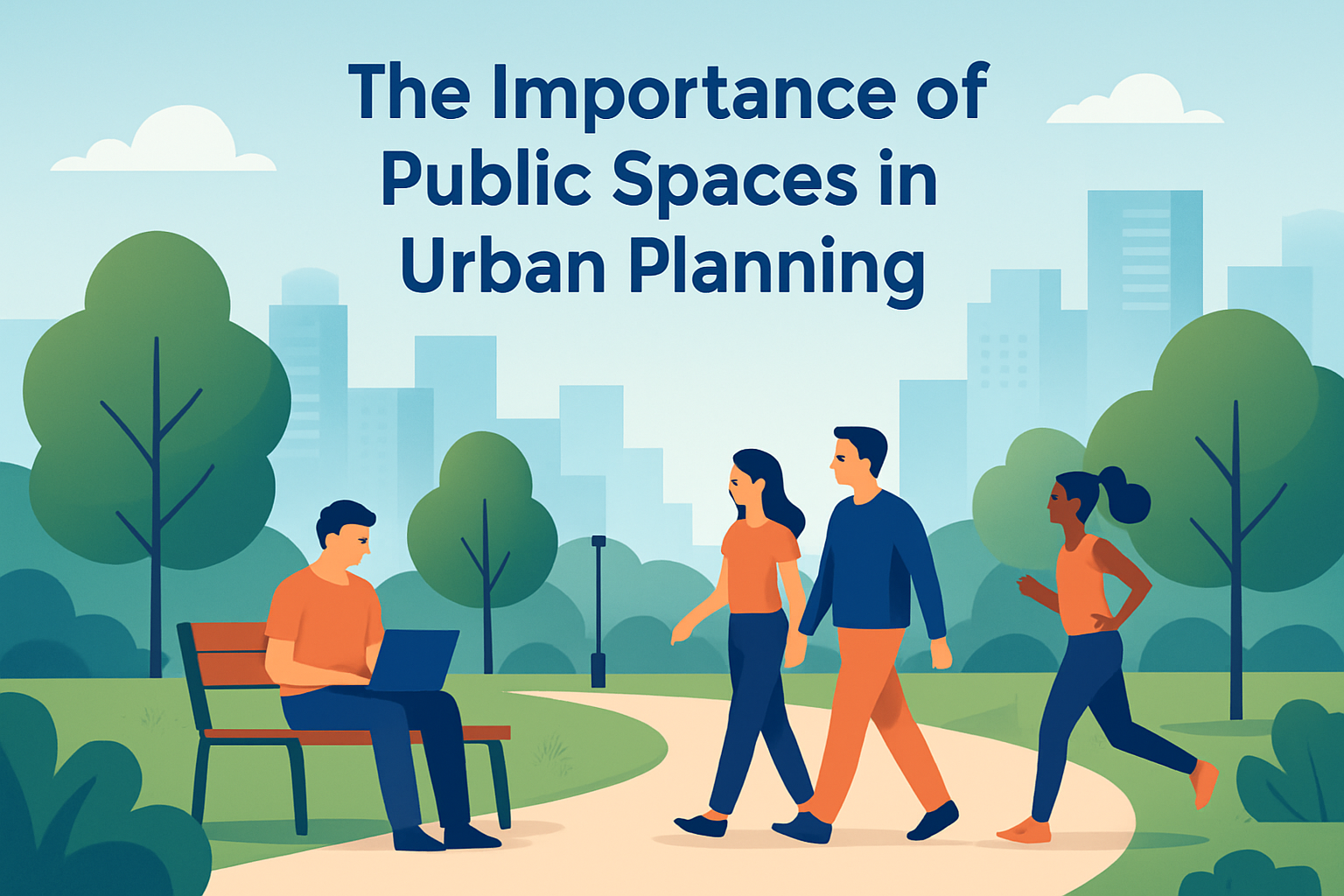
Introduction to Public Spaces and Cultural Expression
Public spaces are essential parts of our urban and rural landscapes, offering places for people to gather, interact, and express themselves. These are areas like parks, plazas, streets, and squares that are accessible to everyone without any monetary requirement or restriction. Cultural expression, on the other hand, refers to the ways in which individuals and communities convey their heritage, traditions, beliefs, and values through various forms such as art, music, dance, and public performances. The interaction between public spaces and cultural expression plays a crucial role in shaping the social dynamics of a community.
The contemporary world is marked by rapid urbanization, globalization, and technological advancement. In this scenario, public spaces serve as critical venues for cultural exchange, dialogue, and creativity. They enable diverse populations to share their cultures, learn from one another, and build inclusive communities. This matters because it fosters a sense of belonging, increases social cohesion, and counteracts the fragmentation that can arise in rapidly changing cities. Engaging with cultural expressions in public spaces enhances the vibrancy and vitality of urban life, making cities more livable and communities more resilient.
The significance of public spaces as platforms for cultural expression extends beyond mere convenience. These arenas help preserve cultural heritage, incubate new artistic forms, and serve as catalysts for social change. By appreciating the dynamic interplay between these spaces and cultural expression, we can harness their power to enrich human experiences and bridge cultural divides. In this article, we will delve into various aspects of public spaces and cultural expression, exploring real-world examples and discussing their broader implications.
The Role of Public Spaces in Cultural Expression
Public spaces function as vital stages for the performance and exhibition of cultural expressions. From street musicians enrapturing passersby to artists creating murals that feature local history, these spaces provide a canvas for a vast array of cultural engagements. They serve as open-air galleries, theaters, and forums where cultural narratives unfold and reach diverse audiences.
In New York City, Central Park is an epitome of how public spaces can foster cultural expression. It regularly hosts Shakespeare in the Park, a free-of-charge theater experience that brings classic plays to a broad audience under the stars. This democratizes access to art forms that might otherwise be confined to traditional venues, thereby promoting inclusivity and cultural appreciation. Central Park exemplifies how public spaces can nurture creativity, transform cultural barriers into bridges, and cultivate an enriched communal life.
By providing an equitable platform for all, public spaces help dismantle socio-economic barriers, allowing for a more diverse range of cultural expressions to flourish. This democratization of space, where cultural expression is not limited by cost or exclusivity, reinforces the crucial role these environments play in our communities.
Cultural Expression and Community Identity
Cultural expression in public spaces is instrumental in constructing and reinforcing community identity. Public spaces often become the heart of communities, reflecting their distinct cultural tapestries and shared experiences. They are places where tradition meets modernity, creating unique hybrids that celebrate community heritage and historical continuity.
Consider the Carnival in Rio de Janeiro, Brazil, a world-renowned festival held in public areas across the city. The event is a vibrant showcase of samba music, flamboyant costumes, and energetic parades. It is a massive cultural expression that dates back to the 18th century, deeply rooted in Afro-Brazilian traditions. The Carnival exemplifies how public spaces are animated by cultural celebrations, forming an integral part of a community’s identity and cultural landscape.
Through such events, community members can express their individuality while simultaneously contributing to a collective cultural identity. This dynamic reinforces bonds among community members and provides opportunities for intergenerational dialogue and cultural learning.
Challenges to Cultural Expression in Public Spaces
While public spaces present opportunities for cultural expression, they also face several challenges. Regulation and control by local authorities can limit expressive activities, as can conflicts over appropriate use of space. Furthermore, commercialization and privatization trends threaten the accessibility and openness of these communal areas, potentially reducing them to transactional settings rather than cultural sanctuaries.
In London, the closure of several artistic venues due to rising rents showcases how economic pressures can impact public space availability. Additionally, the street art boom in cities like San Francisco has been countered by increased regulations and surveillance, which frustrates artists seeking to contribute to cultural expression.
Addressing these challenges requires collaborative strategies involving city planners, local governments, community organizations, and artists to maintain and foster the role of public spaces as cultural beacons. By doing so, cities can safeguard these essential platforms for cultural diversity and innovative expression.
The Impact of Cultural Expression on Social Cohesion
Cultural expression in public spaces significantly contributes to social cohesion and community well-being. Engaging with diverse cultural practices can break down stereotypes, challenge prejudices, and foster mutual understanding among disparate communities. Such engagement can also stimulate dialogue and facilitate conversations about common issues, fostering a sense of shared identity and purpose among community members.
For instance, the Night Markets of Taipei represent a blend of cultural vibrancy and social interaction. Visitors from various backgrounds gather to enjoy culinary arts, live performances, and traditional crafts. These experiences reveal the power of cultural expression in public spaces to unite people, bridging social divides through shared cultural encounters.
The cooperative nature of these settings fosters a sense of belonging and helps develop a tapestry of interactions where community members feel respected and included. Public spaces, when infused with dynamic cultural expressions, provide avenues for positive social engagement.
The Future of Public Spaces and Cultural Expression
Looking ahead, the role of public spaces in cultural expression will continue to evolve. Technological advancements like augmented reality (AR) and virtual reality (VR) will introduce new dimensions to cultural expression, transforming how we interact with physical spaces and cultural artifacts. The integration of digital tools can amplify cultural messages, making them more accessible while enhancing participation.
- Integration of art installations with AR to showcase cultural history, enhancing experiences without altering the physical environment.
- Virtual dance battles conducted in public parks using VR technology, enabling participants worldwide to engage and compete.
- Crowdsourced music performances held through online platforms that are projected in urban areas, blending physical and virtual realms.
The convergence of digital technology with public spaces creates new opportunities for cultural expression and amplification. It challenges traditional boundaries of physical space, offering expansive avenues for cultural experiences that can be curated and tailored to diverse audiences.
To embrace these future possibilities, policymakers, urban designers, and community stakeholders must work collaboratively to sustain public spaces’ roles as vibrant cultural arenas, ensuring inclusivity, accessibility, and creativity remain cornerstones in their development.
Conclusion
Public spaces serve as dynamic platforms for cultural expression, enriching communities with vibrant displays of heritage, creativity, and collaboration. They offer inclusive environments where diverse cultures can connect, create, and inspire each other. By recognizing the immense value and potential of public spaces in facilitating cultural expression, we can foster vibrant, cohesive, and resilient communities.
This compelling relationship between public spaces and cultural expression emphasizes the importance of preserving these communal areas amid challenges such as commercialization and regulation. The interplay between technology and traditional practices also points to a future filled with innovative cultural opportunities that bridge physical and digital realms.
As individuals, communities, and policymakers, it is our responsibility to advocate for the development and preservation of public spaces that support cultural expression. By championing these efforts, we can ensure that public spaces continue to serve their essential role in enhancing communal life and celebrating the diverse tapestry of human culture. Let us commit to creating, maintaining, and enriching public spaces as thriving centers of cultural expression for future generations.
Frequently Asked Questions
1. What are public spaces, and why are they important for cultural expression?
Public spaces are areas such as parks, plazas, streets, and squares accessible to everyone without any monetary requirements or restrictions. These spaces play an invaluable role in our communities by offering places where individuals from various backgrounds can come together, interact, and express themselves freely.
Public spaces are essential for cultural expression because they serve as platforms for individuals and communities to convey their heritage, traditions, beliefs, and values. Whether through art installations, performances, community events, or informal gatherings, these expressions enrich the cultural fabric of our society. They encourage dialogue and understanding between different cultural groups, fostering a sense of communal identity and pride. Moreover, public spaces allow for the democratization of culture, as they are accessible to all, ensuring that cultural expression is not limited by economic or societal barriers.
2. How do public spaces facilitate interaction and social cohesion?
Public spaces are critical in fostering interaction and social cohesion within communities. They provide neutral grounds where people from diverse backgrounds can converge, share experiences, and engage in social activities. This is where community bonds are strengthened and social networks are built.
For instance, community events, festivals, and fairs held in public spaces bring people together, allowing them to participate in shared experiences that celebrate cultural diversity and promote mutual respect. Public spaces also serve as venues for casual encounters and informal socializing, which can lead to new friendships and the exchange of ideas. Additionally, public spaces often host formal platforms like farmers’ markets or public forums, which further the active engagement of community members with each other and with local tradtions, practices, and concerns.
3. In what ways can cultural expression be manifested in public spaces?
Cultural expression in public spaces can be manifested in a multitude of ways, making these areas vibrant and lively components of our communities. One of the most common forms of cultural expression is through public art, such as murals, sculptures, and installations that reflect the community’s heritage and values.
Performing arts, including music, dance, theatre, and street performances, are also dynamic ways in which culture is expressed in public spaces. These performances not only entertain but also educate the public about different cultural traditions and narratives. Furthermore, public spaces host cultural festivals and events that celebrate particular aspects of a community’s identity, such as ethnic heritage or historical milestones. These events offer immersive experiences that allow for the exploration and appreciation of diverse cultural forms and practices. Overall, cultural expressions in public spaces foster a sense of inclusivity and community awareness.
4. What challenges do public spaces face in promoting cultural expression?
Despite their potential, public spaces often encounter several challenges in promoting cultural expression. One major challenge is the commercialization and privatization of public areas, which can restrict access and limit their use for diverse cultural expression. This issue often arises from urban development pressures, where public spaces are replaced by commercial projects that prioritize profit over community needs.
Additionally, there are governance issues, such as regulations and bureaucratic obstacles, which may restrict the types of cultural activities permitted in public spaces. Safety concerns and inadequate maintenance can also deter people from utilizing these areas for cultural activities. Moreover, there may be social challenges, such as tensions between different cultural groups, which can hinder the open expression of cultural identity.
Addressing these challenges requires a concerted effort from local governments, community organizations, and the public to safeguard public spaces as platforms for free cultural expression. This involves creating policies that ensure accessibility and inclusivity and investing in the upkeep and promotion of these spaces as cultural hubs.
5. How can communities enhance cultural expression in public spaces?
Communities have a critical role in enhancing cultural expression in public spaces, and there are several strategies they can employ to achieve this goal. One effective approach is for communities to actively engage in the planning and development of public spaces, ensuring these areas reflect the diverse needs and cultural identities of the community. This can be achieved through workshops, community meetings, and participatory design processes where members can voice their opinions and ideas.
Communities can also organize and support events and programs that promote cultural expression, such as cultural festivals, workshops, and art exhibitions. Collaborating with local artists, cultural organizations, and schools can facilitate diverse cultural representations and participatory opportunities. Empowering community members, especially youth, through education and resources can further encourage cultural expression. Providing grants or other forms of support for projects that celebrate local culture can help sustain enthusiasm and participation. Partnerships between community groups and local governments can be instrumental in tackling structural issues, such as access and maintenance, ensuring public spaces remain vibrant centers for cultural expression.
Ultimately, fostering a spirit of inclusivity and recognition of all cultural expressions can transform public spaces into thriving community assets that celebrate diversity and collective identity.