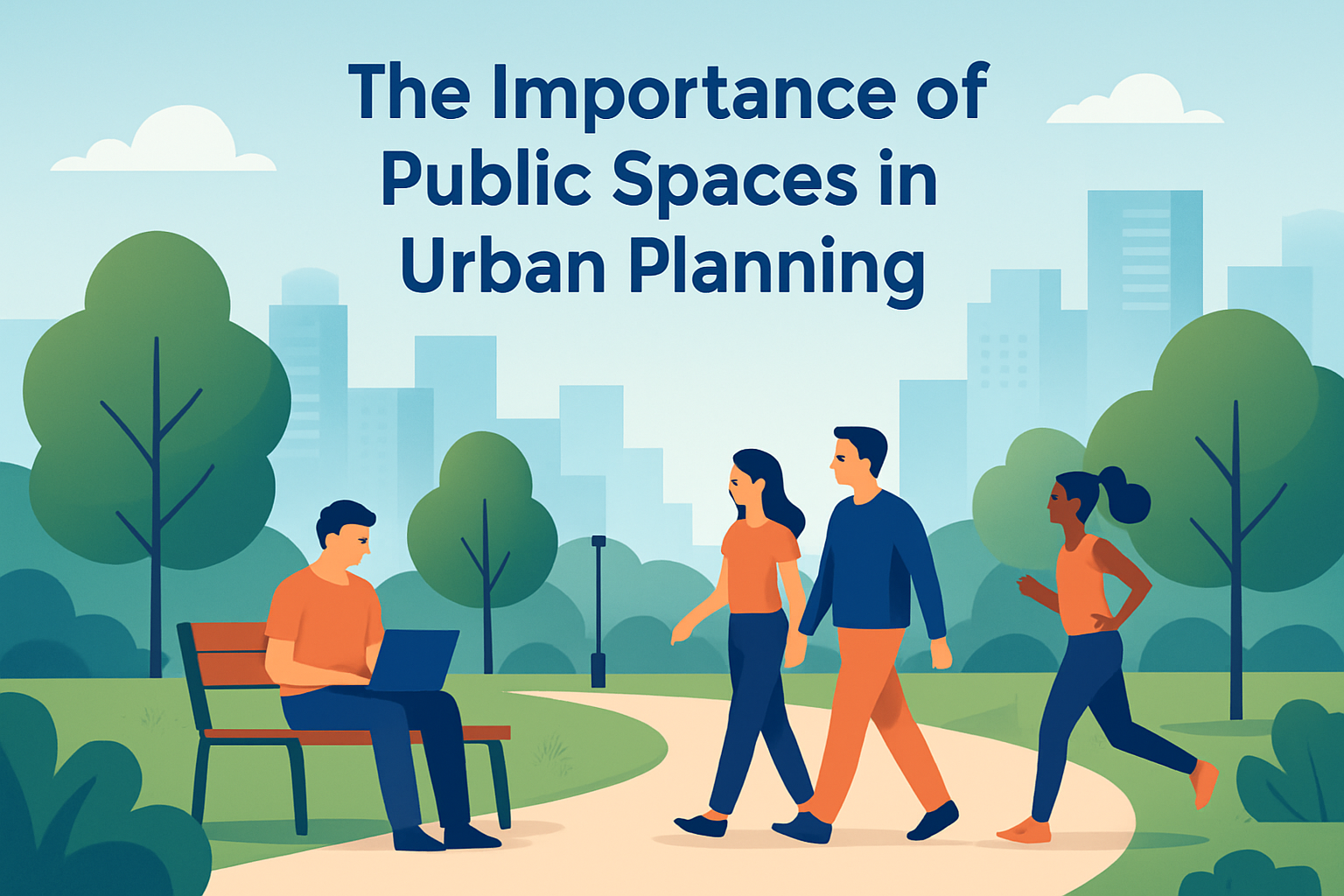
Public spaces are essential to the social and environmental fabrics of urban and rural areas alike. These spaces, which include parks, plazas, community gardens, and public squares, serve as more than just recreational areas. They are vital communal sites that influence social interaction, equality, and community resilience. Community resilience is defined as the ability of a community to withstand and recover from adverse situations, such as natural disasters, economic downturns, and social disruptions. The relevance of public spaces in the context of community resilience is increasingly gaining recognition as these areas become critical in fostering social bonds, promoting mental well-being, and enhancing environmental sustainability. This article delves into the integral role that public spaces play in reinforcing the resilience of communities around the world.
Social Cohesion and Community Bonding
Public spaces inherently serve as gathering spots where individuals can interact with one another, thereby nurturing social ties. The importance of social cohesion in bolstering community resilience cannot be overstated. Social ties formed in parks, community gardens, and other shared areas can be pivotal during times of crisis, as these connections facilitate the exchange of information, resources, and emotional support. A credible example of this can be seen in New York City’s Central Park, which has been a site of numerous community events, rallies, and gatherings that have helped the city’s inhabitants create a tightly-knit network of support. During emergencies such as Hurricane Sandy, residents who had utilized Central Park for community engagement exhibited enhanced solidarity, enabling them to rally together to support one another.
Environmental Sustainability and Adaptation
Public spaces contribute to environmental resilience through green infrastructure, which helps communities adapt to changing climate conditions. These spaces can mitigate urban heat effects, reduce air pollution, and manage stormwater runoff, thus preventing flooding. Community gardens, for example, not only provide a green oasis within urban settings but also contribute to local food security by enabling residents to grow their own produce. A valuable instance is Curitiba’s network of parks and green spaces. Rather than opting for expensive drainage systems, the city used parks as natural reservoirs that manage stormwater and mitigate flooding, proving that environmental sustainability begins with effective public space design. Implementing green infrastructure within public spaces allows a community to lessen its ecological footprint while enhancing its ability to adapt to environmental stressors.
Mental and Physical Health Benefits
Access to public spaces often correlates with improved mental and physical health for community members. These areas offer venues for physical activities such as walking, jogging, cycling, and group sports, which are essential for maintaining physical health and combating lifestyle-related ailments. Furthermore, public spaces allow individuals to connect with nature, which has been shown to reduce stress, anxiety, and depression. For example, the creation of the Superkilen park in Copenhagen was specifically designed to integrate the diverse cultures of the city’s immigrants, with the aim of fostering inclusivity and well-being. The park contains diverse cultural artifacts and installations that celebrate the multitude of ethnic groups residing in the area, promoting mental health by providing an inclusive and welcoming environment.
Economic Opportunities and Development
Thriving public spaces can drive local economy by attracting tourism and supporting small businesses. Farmers markets, festivals, and cultural events held in public spaces stimulate economic activities, which contribute to community resilience by providing employment opportunities and fostering entrepreneurship. A case in point is Pike Place Market in Seattle, which serves as a bustling public space offering local produce and artisanal products while attracting tourists from around the world. This has spurred economic growth and helped support the livelihoods of local vendors and artisans. Additionally, economically vibrant public spaces can encourage inward investment and neighborhood revitalization, further enhancing community resilience.
Inclusivity and Accessibility
Public spaces must be inclusive and accessible to everyone regardless of age, gender, ethnicity, and disability. Inclusivity ensures all community members can benefit from these spaces, strengthening community cohesion and reducing social inequalities. In Melbourne, Federation Square is an exemplary model of an accessible public space, designed to be welcoming to all. Events held there celebrate diverse cultural traditions and encourage participation from all societal segments, consequently fortifying community resilience. Ensuring that public spaces are designed and maintained with accessibility in mind fosters an environment where people from different backgrounds can freely interact, share experiences, and forge connections.
Community Engagement and Participation
Active community engagement in the creation and maintenance of public spaces raises a collective sense of ownership and responsibility. When residents partake in decision-making processes related to public space planning, it empowers them and strengthens their commitment to sustaining and enhancing these areas. The High Line in New York is illustrative of a successful community-driven public space project. Once an abandoned railway, it was transformed into an elevated park through extensive community involvement and collaboration with urban planners and designers. The participatory approach in developing the High Line not just benefited the local community aesthetically and economically, but it also underscored the capacity of public spaces to galvanize collective action and community resilience.
- Social Cohesion: Building connections and a support network in times of need.
- Environmental Sustainability: Using green infrastructure to adapt to climate change.
- Mental and Physical Health: Improving well-being through accessible natural settings.
- Economic Development: Stimulating local economy by supporting small business and tourism.
- Inclusivity: Ensuring access and benefits for all segments of the community.
- Community Engagement: Empowering residents to shape their environment.
Conclusion
Public spaces are undoubtedly instrumental in cultivating resilient communities. By nurturing social ties, promoting environmental sustainability, enhancing mental and physical health, boosting local economies, and fostering inclusivity, these areas fortify communities against a plethora of challenges. As we continue to face a rapidly changing world with socio-economic and environmental uncertainties, the role of public spaces in community resilience becomes ever more pivotal. Each community must take proactive steps to invest in and develop accessible and inclusive public spaces that address their unique needs. It is imperative not only for urban planners and policymakers to prioritize the development and maintenance of these spaces, but for each community member to actively engage in their transformation and upkeep. By doing so, we foster stronger, more united, and resilient communities capable of weathering any storm. Let us advocate for and participate in the enhancement of our public spaces, recognizing their vital role in our communities’ resilience and well-being.
The time to act is now. Engage with your local authorities, join community groups, and share your vision for future public spaces — they are not just vital for our present but crucial for a resilient future.
Frequently Asked Questions
1. What is the role of public spaces in enhancing community resilience?
Public spaces play a crucial role in enhancing community resilience by serving as meeting points and platforms for social interaction, fostering a sense of belonging and community among residents. When people gather in parks, gardens, and plazas, they have opportunities to share resources, support one another, and collaboratively work through challenges, which collectively strengthens the social fabric. In times of crisis, such as natural disasters or economic downturns, these spaces can be transformed into hubs for information sharing, resource distribution, and community-driven solutions, effectively helping communities withstand and recover more rapidly. Furthermore, the accessible nature of public spaces promotes inclusivity and equality, allowing people from diverse backgrounds to engage with one another, contribute ideas, and participate in community decision-making processes, which are all key aspects of community resilience.
2. How do public spaces contribute to mental and physical well-being, and how does this support community resilience?
Public spaces significantly contribute to both mental and physical well-being, which in turn underpins community resilience. Physically, these areas provide opportunities for exercise and recreation, boosting health and reducing stress, which are critical for a resilient community, especially during crises. Mentally, public spaces offer a reprieve from the constraints of urban environments, allowing people to connect with nature or enjoy a peaceful moment, thus enhancing overall mental health. When individuals are healthy and well, both physically and emotionally, they are better equipped to face adversities. Additionally, spending time in public spaces encourages socializing and builds social networks, providing emotional support and collective strength during challenging times. Overall, the health benefits provided by public spaces contribute to a more robust and proactive community, able to respond resiliently to any disruption.
3. How do public spaces promote environmental resilience within communities?
Public spaces are vital for promoting environmental resilience by integrating natural elements within urban and rural settings. These spaces often include trees, gardens, and grasslands which are not only aesthetically pleasing but also play significant roles in mitigating urban heat effects, improving air quality, and managing stormwater. Community gardens, for instance, can enhance local food security and educate residents about sustainable practices. Parks and green spaces serve as vital biodiversity havens, supporting wildlife and promoting ecological balance within the community. This connection between nature and urban life helps communities adapt to and recover from environmental stresses and changes. In essence, public spaces function as ecological buffers, absorbing the shocks from environmental upheavals while providing a green lung for residents and nurturing a community-wide ethos towards sustainability and ecological mindfulness.
4. In what ways do public spaces foster cultural and social cohesion?
Public spaces are instrumental in fostering cultural and social cohesion by acting as inclusive platforms where people from varied backgrounds can come together, celebrate traditions, and partake in communal activities. These spaces often host cultural events, community festivals, and workshops that celebrate diversity and promote mutual understanding. Such interactions help in breaking down social barriers and prejudices, nurturing a community spirit of togetherness and cooperation. They also provide a stage for cross-cultural dialogue and exchange, which can lead to deeper appreciation and respect among community members. Additionally, public spaces support creative expressions through art installations and performances, reflecting the community’s cultural richness and history. This cultural vibrancy encourages a more inclusive community identity, fostering solidarity and resilience in the face of social challenges or disruptions.
5. How can the design and management of public spaces contribute to community resilience?
The design and management of public spaces are paramount in determining their effectiveness in contributing to community resilience. Well-designed public spaces are accessible, safe, and cater to the needs of diverse user groups, enhancing their usability and inclusivity. Thoughtful design considers elements like clear signage, adequate lighting, and features catering to all ages and abilities, creating environments where everyone feels welcome. Management practices that prioritize regular maintenance, community involvement in decision-making, and adaptability to changing community needs make these spaces dynamic and responsive hubs. For example, installing adaptable infrastructure that can be easily converted for emergency use during a crisis can significantly boost a community’s resilience. Engaging local communities in the planning and maintenance of these public spaces ensures that they remain relevant, cherished, and effective for fostering social interaction and resilience. Overall, strategic design and management enhance the functionality and sustainability of public spaces, making them key assets for nurturing resilient communities.