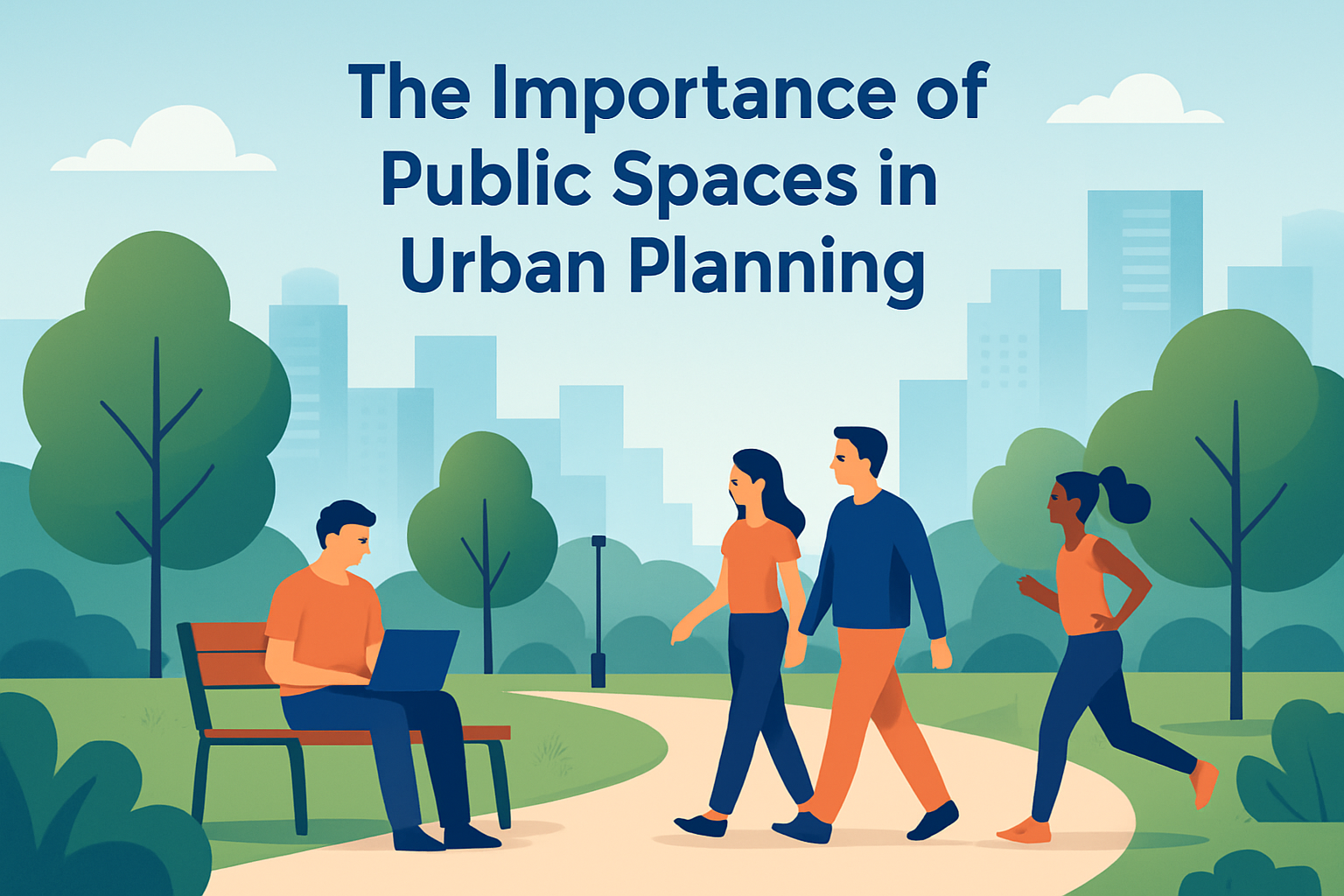
Public spaces are an essential part of our daily lives. These shared environments range from parks and plazas to libraries and cafes. These are areas where individuals come together, breaking free from the confines of private spaces to engage with diverse ideas, people, and environments. The concept of public spaces is vital in urban planning and architecture, but its impact on creativity is profound and far-reaching.
Creativity, often defined as the use of imagination to generate new ideas, solutions, or forms, flourishes when individuals experience new stimuli and engage in new ways. Public spaces provide these stimuli by allowing unexpected encounters, novel interactions, and varied sensory inputs. This exposure to different cultures, ideas, and perspectives stimulates creative thought and can lead to innovative breakthroughs.
Understanding how public spaces play a role in fostering creativity holds tremendous value. It informs city planners, educators, policymakers, and community organizers about designing environments that promote innovation and community engagement. As we navigate an increasingly complex world, tapping into the full potential of human creativity has never been more crucial.
The Interplay of Public Interaction and Creativity
The essence of public spaces lies in their ability to foster interaction among diverse individuals. This diversity, in social, cultural, and intellectual contexts, amplifies creativity by adopting different approaches. For instance, the Montmartre neighborhood in Paris is celebrated for its role in the Impressionist movement. Artists and intellectuals congregated here, leading to collaborative works that transformed certain segments of art history. These interactions were possible because of the public spaces where diverse minds met and interacted.
Public interaction challenges individuals with differing viewpoints to discuss and debate, a process that naturally spawns creative thought. Notably, the disparity in ideas acts as a catalyst for inspiration. It is in environments where boundaries are pushed and taboos are challenged that creativity flourishes. Public spaces allow this breaking down of barriers, providing a melting pot for the cerebral and innovative engagement necessary for creative output.
- Montmartre, Paris: Nest for Impressionism
- Greenwich Village, New York: Breeding ground for cultural innovation in the 60s
- Bamiyan Cultural Center, Afghanistan: Revitalization and cultural dialogue
Infrastructure and Design: Tailoring Spaces for Creativity
The design and infrastructure of public spaces significantly impact how they foster creativity. Thoughtful urban design considers factors such as accessibility, aesthetics, functionality, and versatility, which collectively inspire and stimulate creative engagement. Millennium Park in Chicago is a paragon of such design. The park is a public space that marries aesthetic sculpture with functional art installations, creating an immersive environment conducive to creative expression.
Infrastructure designed with creativity in mind offers varied physical environments, from expansive open areas that encourage large-scale artistic exhibitions to quiet nooks perfect for reflection and cerebral exercises. Different environments invoke different aspects of creativity, encompassing both dynamic collaboration and introspective innovation.
| Design Aspect | Impact on Creativity |
|---|---|
| Mobility and Accessibility | Encourages diverse participation and interaction |
| Aesthetics | Inspires creativity through beauty and visual triggers |
| Versatility | Adapts to various creative activities, from exhibitions to performances |
Technological Integration in Public Spaces
Incorporating technology into public spaces is reshaping how they contribute to creativity, crafting a fusion between the physical and digital worlds. Smart parks and interactive installations create environments that engage visitors on a new level. Take New York City’s LinkNYC project as an example: it replaces old phone booths with digital kiosks offering free Wi-Fi and access to city services. This fusion of technology with public infrastructure empowers users and democratizes access to information, a critical step in nurturing creativity in the digital age.
Moreover, augmented and virtual reality provide unique opportunities for public spaces to become interactive canvases for artists, educators, and innovators. By enhancing public spaces with such technology, cities can encourage exploration and experimentation, reinforcing creativity in everyday encounters.
Cultural Events and Public Spaces as Creative Platforms
Public spaces often serve as venues for cultural events, transforming them into creative platforms. Open-air concerts, public art exhibitions, and festivals exemplify how these amenities can host creative activities that invite community participation and engagement. Art Basel in Miami, a popular international art fair, utilizes public spaces to showcase contemporary artworks, turning the city into an open gallery. Such events invigorate public spaces and emphasize their role in community collaboration and artistic expression.
These cultural gatherings foster a sense of belonging and present a platform for dialogue and exchange, proving to be fertile ground for creativity. In linking communities through shared cultural experiences, public spaces become intrinsic promoters of creative opportunities.
The Role of Education and Workshops in Public Spaces
Educational initiatives and workshops often find fertile ground in public spaces. By offering programs such as open-air lectures and community workshops, these spaces become hubs for learning and skill-building. The New York Public Library offers outdoor events such as creative writing workshops that allow participants to learn in an inspiring setting of architectural grandeur and nature.
Such educational activities encourage a culture of continuous learning and exploration, providing both structured and spontaneous opportunities for creativity. Individuals exposed to new skills and knowledge can creatively apply what they have acquired to diverse fields, fueling personal and communal growth.
Environmental Impact and Sustainable Creativity
The relationship between public spaces and the environment underscores an interesting aspect of sustainable creativity. Green public spaces such as botanical gardens and urban farms contribute significantly to ecological awareness, prompting creative solutions to environmental challenges. The High Line in New York, transformed from an old railway track to a linear park, highlights sustainable land use while fostering creativity through innovative design and environmental stewardship.
These green spaces inspire visitors to think creatively about nature and sustainability, highlighting the need to protect natural resources and embrace ecological innovation. Countless creative solutions arise through the collaboration of eco-conscious individuals in these public arenas, leading to projects that advocate sustainability and responsibility toward our planet.
Inclusion and Accessibility of Public Spaces
Ensuring that public spaces are inclusive and accessible is paramount to fostering creativity. Accessibility means accommodating all community members, irrespective of physical ability, age, or socio-economic status. The Respect for People with Disabilities (RPD) initiative aims to make all public arenas in Tokyo accessible, setting a precedent for aspiring creative city planners worldwide.
Inclusivity removes barriers, allowing a broader spectrum of creative minds to share and participate. It also enriches the interactions that occur, offering more diverse perspectives and insights, which are critical to the creative process. By improving access and fostering equality, public spaces can harness the full spectrum of human creativity.
Conclusions: Public Conversation on the Future of Public Spaces
The role of public spaces in fostering creativity is multifaceted and profound, deeply influencing individual and collective innovation. These spaces nurture the diverse interactions and stimuli necessary for creative thought. From the architectural design of parks that inspire artistic ventures to the technology-enhanced spaces that offer boundary-less opportunities for discovery, public spaces are the crossroads where creativity meets community.
With their ability to host cultural events, educational programs, and foster sustainable and inclusive environments, these spaces serve as catalysts for creative engagement. Cities looking to become innovation hubs must prioritize public space development as a critical component of urban planning.
For those interested in bolstering creativity in their communities, the call-to-action is clear: collaborate with city officials, participate in public space initiatives, and advocate for inclusivity and sustainability in these environments. Public spaces hold the key, ready to unlock the creative potential of all those who wander through them.
Frequently Asked Questions
1. How do public spaces contribute to fostering creativity?
Public spaces play a crucial role in fostering creativity by providing an environment where individuals can break away from their routine and immerse themselves in diverse experiences. These spaces, ranging from parks to libraries, offer a palette of sensory stimuli such as sounds, sights, and smells that can spark inspiration and trigger the creation of new ideas. For instance, the open layout and relaxing atmosphere of a park allow for contemplation and free-thinking, often leading to moments of creative insight. Furthermore, public spaces provide opportunities for spontaneous interactions with diverse individuals, exposing people to new perspectives and ideas. This interchange is vital for creativity, as engaging with a variety of thoughts challenges traditional patterns and encourages innovative solutions. In essence, public spaces serve as fertile grounds for creative thought by merging physical openness with social interaction, cultivating an ideal environment for the blossoming of creativity.
2. What types of public spaces are most effective for encouraging creativity?
The most effective public spaces for encouraging creativity are those that balance accessibility, diversity, and a sense of freedom. Spaces like urban parks, vibrant plazas, bustling cafes, and well-stocked libraries are particularly conducive to creative thinking. Parks and natural environments provide tranquility and a break from the urban hustle, allowing individuals to relax and let their minds wander. Meanwhile, plazas and cafes often act as social hubs where dynamic interactions and the exchange of ideas naturally occur. Libraries, on the other hand, offer a combination of solitude for focused thought and a treasure trove of knowledge for inspiration. Each of these spaces presents unique attributes—whether it’s the calming effect of nature, the infectious energy of a communal setting, or the wealth of information available—that nurture creative thinking in their own ways. An ideal public space effectively integrates these elements to create a creative-friendly atmosphere.
3. Are there specific design elements in public spaces that enhance creativity?
Yes, specific design elements in public spaces can significantly enhance creativity. Flexibility and adaptability in space design allow for unexpected uses and encourage people to engage with their surroundings in innovative ways. Open spaces with minimal barriers promote free movement and exploration, which can lead to spontaneous interactions and collaborations. Elements like public art, interactive installations, and ample greenery can stimulate the senses and serve as catalysts for inspiration. Furthermore, seating arrangements that facilitate conversation can encourage dialogue among strangers, leading to a cross-pollination of ideas. Access to natural light, comfortable seating, and options for both solitude and social interaction are other critical factors in designing creative public spaces. These design elements work together to create environments that are aesthetically pleasing, mentally stimulating, and socially engaging, fostering a conducive atmosphere for creative endeavors.
4. How do interactions in public spaces influence creativity?
Interactions in public spaces significantly influence creativity by bringing together diverse individuals with varied backgrounds and perspectives. Such interactions can stimulate curiosity, provoke thought, and challenge existing ideas, all of which are essential elements in the creative process. In public spaces, spontaneous encounters with others enable the sharing of experiences and knowledge, leading to the creation of a rich tapestry of ideas. For example, striking up a conversation with someone from a different cultural background can provide new insights and fuel creative thinking. These interactions often serve as a source of inspiration and an impetus for developing innovative solutions to problems. Moreover, public spaces act as incubators for collaborative work, where individuals can team up and blend their talents and ideas to achieve a common creative goal. In summary, the dynamic nature of interactions in public spaces fosters a culture of creativity by promoting the exchange of ideas and encouraging collective innovation.
5. What challenges do public spaces face in enhancing creativity, and how can these be addressed?
Public spaces face several challenges in enhancing creativity, primarily related to accessibility, inclusivity, and resource allocation. Some public spaces may be difficult to access for certain populations due to physical barriers, geographic location, or socio-economic factors, thereby limiting their potential as creative hubs. To address this, planners and designers must ensure that public spaces are accessible to all and provide facilities that cater to diverse needs, including amenities for individuals with disabilities. Ensuring cultural and social inclusivity is another challenge, as certain groups may feel unwelcome or underrepresented in public spaces. Incorporating diverse cultural elements and fostering a sense of belonging can help overcome this barrier. Additionally, limited funding and resources can hinder the development and maintenance of public spaces, affecting their ability to support creativity. Partnerships between public entities, community organizations, and private investors can provide the necessary resources to improve and sustain these spaces. By addressing these challenges through inclusive planning and strategic resource management, public spaces can be transformed into thriving centers for creativity.