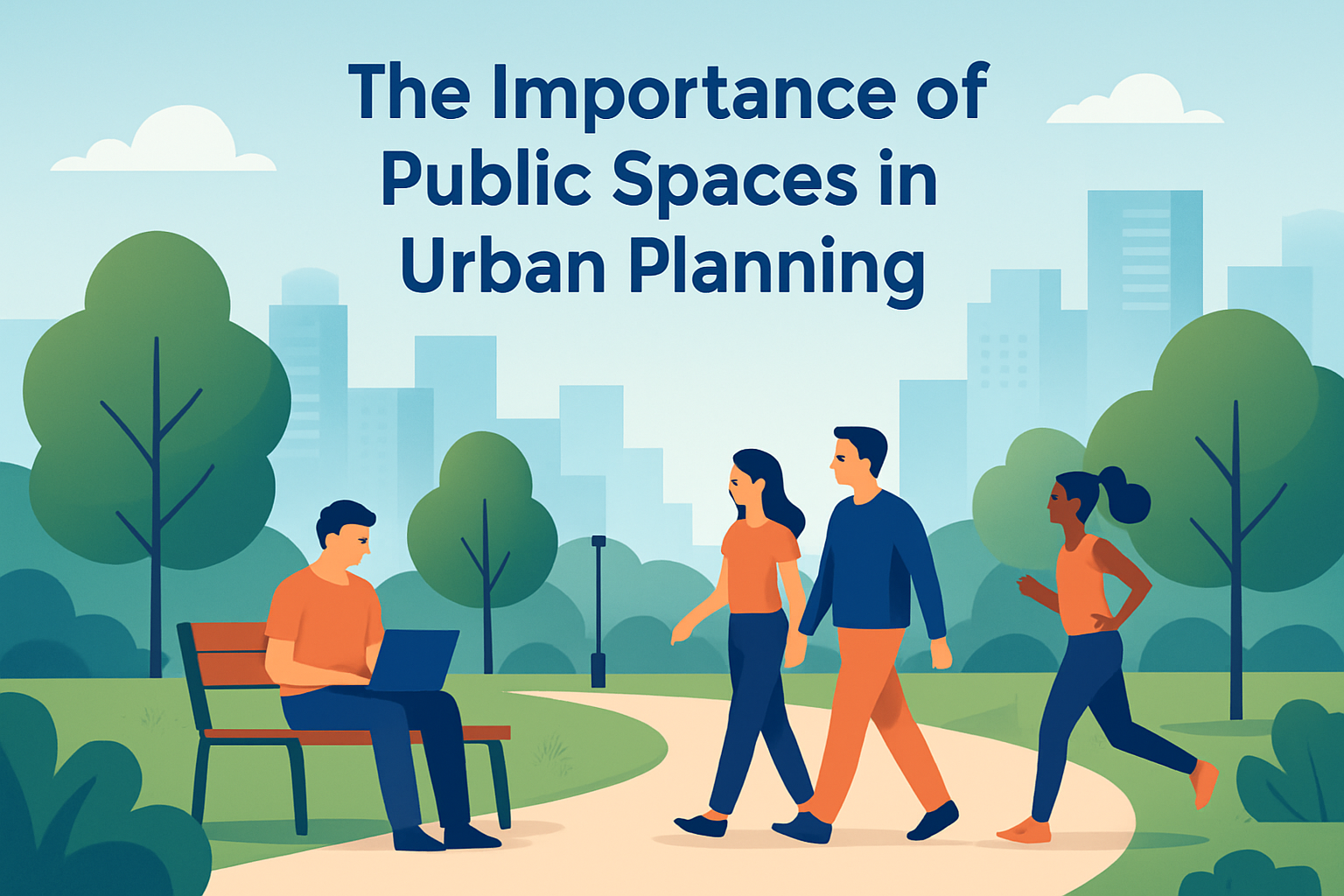
Public spaces, often overlooked and underappreciated, serve as silent custodians of our cultural heritage. These spaces, which encompass parks, plazas, squares, streets, and other communal areas, are vital links connecting the past, present, and future of societies. Cultural heritage, on the other hand, refers to the legacy of tangible artifacts and intangible attributes inherited from past generations. Preserving cultural heritage allows communities to maintain a connection to their origins, traditions, and identity. The interaction between public spaces and cultural heritage plays an essential role in societal cohesion and identity reinforcement. Despite their historical significance, the impact of public spaces on cultural heritage can sometimes get lost in the fast-paced world we live in today. Understanding this relationship matters because it influences how communities evolve, foster identity, and sustain cultural lineage in a dynamically changing world. As we delve deeper into the importance of public spaces and their influence on cultural heritage, we reveal not only their inherent value but also why their preservation should be a priority.
Public Spaces as Historical Anchors
Historically, public spaces have operated as the communal heart of cities and towns, playing pivotal roles in shaping cultural narratives. These spaces have hosted countless historical events and social gatherings, thus becoming repositories of collective memories. For instance, the National Mall in Washington, D.C., stands as an iconic public space anchoring American history and cultural heritage. This grand avenue, surrounded by monuments and memorials, has been the stage for numerous historic events, including presidential inaugurations and pivotal marches advocating for civil rights. The presence of these monuments provides a tangible connection to historical events, allowing contemporary society to reflect on past achievements and struggles.
By serving as cultural touchstones, public spaces help preserve the essence of cultural heritage. They offer a physical place where histories are not just recollected but experienced, seen, and occasionally remade. In the global context, such spaces facilitate cross-cultural exchange and understanding, offering locals and tourists glimpses into the rich tapestry of human achievements. Thus, these historical anchors provide a gateway to understanding the culture that shaped them, reinforcing the community’s interaction with its cultural heritage.
Public Spaces as Platforms for Cultural Expression
Public spaces often act as dynamic venues for cultural expression, where traditions are celebrated and new cultural practices emerge. They allow communities to display traditional arts, music, festivals, and other cultural events that highlight their diverse heritage. Consider the example of La Plaza de Mayo in Buenos Aires, Argentina. This public square has been a focal point for political and cultural events, echoing the country’s tumultuous history and vibrant culture. It serves as a space where tango, folklore music, and other cultural expressions can flourish, promoting a sense of identity and pride among Argentinians.
Such cultural activities reinforce a shared identity and ensure the transmission of cultural knowledge across generations. By supporting the continuous showcasing of cultural practices, public spaces act as living museums that teach, engage, and inspire. The accessibility of public spaces means they are invaluable to communities that rely on them to preserve and promote their cultural heritage.
The Role of Public Spaces in Cultural Identity
Public spaces significantly contribute to shaping cultural identity by fostering a sense of belonging and community. They represent inclusive environments where individuals from various backgrounds can gather, interact, and form communal ties. These interactions often lead to the exchange of ideas, fostering a more profound understanding of shared cultural values and heritage. Take, for example, the Grand Park in Los Angeles, a site promoting a sense of inclusive community across a diverse population. The park hosts various cultural festivals, art installations, and communal events that celebrate the city’s multicultural identity.
These spaces consolidate individual identities into a communal one, reinforcing the importance of cultural heritage. They nurture a cohesive societal fabric by addressing the social aspect of cultural heritage, wherein community ties are strengthened, and cultural narratives are continuously interwoven and celebrated. The role of public spaces in fomenting cultural identity ensures that despite societal changes, the essence of cultural heritage is not only preserved but also actively celebrated and perpetuated.
Challenges to Preserving Cultural Heritage in Public Spaces
Despite their significance, public spaces face numerous challenges in their role of preserving cultural heritage. Urbanization, commercialization, and changing societal priorities often threaten the integrity of these spaces. The rapid development seen in many cities can lead to the neglect or redevelopment of historically significant areas, erasing critical elements of cultural heritage. Times Square in New York City, for instance, exemplifies a space that has undergone vast commercial transformation, impacting its historical and cultural relevance. While Times Square serves as a prominent tourist destination, its commercialization sometimes overshadows its historical significance, presenting challenges to the preservation and appreciation of its cultural heritage.
Additionally, maintaining public spaces can be costly, with financial constraints leading to inadequate conservation efforts. The continuous use of these spaces places them under pressure, necessitating constant upkeep and renovation to preserve both their physical and cultural aspects. These challenges highlight the need for sustainable management practices and community involvement to safeguard public spaces as cultural heritage sites.
Strategies for Enhancing the Role of Public Spaces in Cultural Heritage
To effectively harness the role of public spaces in preserving cultural heritage, strategic planning and inclusive policies are necessary. Cities must incorporate cultural heritage considerations into urban planning frameworks, ensuring that development respects and includes historical narratives. Barcelona’s Les Rambles is an example of a space where urban planning and cultural heritage coexist. By preserving its architectural identity and promoting cultural events, Barcelona successfully integrates Les Rambles with its cultural scene while accommodating the city’s modern needs.
Moreover, encouraging public participation in the preservation and management of public spaces can foster a sense of community ownership and responsibility. Community-led initiatives and partnerships with cultural organizations can ensure that public spaces continue to serve as vital cultural nodes, reflecting the community’s diverse history and practices. Implementing these strategies creates an environment where public spaces can thrive as active custodians of cultural heritage.
| Approach | Benefits |
|---|---|
| Urban Planning Integration | Preserves historical narratives, balances modern needs |
| Community Participation | Fosters ownership, ensures cultural relevance |
| Partnerships with Cultural Organizations | Enhances resource allocation, promotes cultural activities |
Conclusion: Embracing the Legacy of Public Spaces
The intricate relationship between public spaces and cultural heritage demonstrates their paramount importance in society. They serve as cultural bridges that connect communities to their historical origins, present identities, and future possibilities. Through their roles as historical anchors, platforms for cultural expression, and areas fostering identity, public spaces hold the potential to enrich, preserve and promote cultural heritage. Recognizing and nurturing this potential benefits the community by fostering inclusivity and unity, ensuring cultural narratives continue to flourish.
To harness this potential, societies must prioritize the strategic planning and maintenance of public spaces. By doing so, they can protect and enhance the cultural soul of our cities and towns. As stewards of our joint heritage, it is incumbent upon us to advocate for policies that integrate cultural heritage into the urban tapestry and promote community participation. Let us remember that through public spaces, we can celebrate our diverse histories, engage with cultural narratives, and pass on a legacy that enriches future generations.
Your engagement in advocating for the preservation of these critical spaces can make a difference. Whether by supporting local initiatives, participating in cultural events, or being active members of your community, every action counts in ensuring our public spaces remain vibrant cultural treasures. Embrace the opportunity to explore, celebrate, and protect these vital links to our cultural heritage, underscoring their value not just for today but for generations to come.
Frequently Asked Questions
1. How do public spaces contribute to the preservation of cultural heritage?
Public spaces play a crucial role in preserving cultural heritage by serving as physical manifestations of a community’s history and cultural identity. These spaces often house monuments, statues, historical buildings, and landmarks that tell the stories of past generations. They provide a tangible connection to the past, allowing current and future generations to explore and celebrate their heritage. Parks, plazas, and squares become the living rooms of the city, where cultural traditions are not only displayed but also enacted. Festivals, ceremonies, and public performances hosted in these areas offer immersive experiences that keep the intangible aspects of cultural heritage alive. By providing a setting where communities can gather, reflect, and celebrate their shared heritage, public spaces foster a sense of pride and belonging, which is essential for cultural continuity.
2. Why should communities invest in maintaining public spaces for cultural heritage?
Investing in the maintenance of public spaces is vital for the sustainability of cultural heritage. Well-maintained public spaces enhance the aesthetic and cultural appeal of a community, attracting both locals and tourists. This can lead to increased economic benefits through tourism, which in turn can provide financial resources necessary for further conservation efforts. Moreover, these spaces serve as educational platforms where members of the community, including younger generations, can learn about their cultural heritage in an engaging and interactive manner. Failing to maintain these areas can result in the deterioration of significant cultural sites, leading to a loss of historical knowledge and cultural identity over time. By prioritizing the upkeep of public spaces, communities demonstrate a commitment to valuing and preserving their unique cultural narratives.
3. Can public spaces help in integrating diverse cultures within a community?
Absolutely, public spaces are essential for fostering cultural integration. As neutral territories, they bring together people from various backgrounds, facilitating cultural exchange and dialogue. Through social events, festivals, and communal activities hosted in these spaces, diverse communities have the opportunity to share their traditions, foods, music, and customs. This interaction helps break down cultural barriers, build mutual understanding, and promote inclusivity. Such engagements not only enrich the collective cultural landscape of an area but also encourage people to appreciate the diversity of their community. Over time, public spaces become symbolic of the multicultural tapestry that makes communities vibrant and resilient, embodying unity in diversity.
4. What challenges do public spaces face in terms of preserving cultural heritage?
Public spaces encounter numerous challenges when it comes to the preservation of cultural heritage. Urbanization poses a significant threat, as the demand for development can lead to the repurposing or destruction of these communal areas. Budget constraints and lack of resources can prevent necessary maintenance and conservation efforts, leading to neglect and decay. Vandalism and environmental degradation, such as pollution and climate change, further exacerbate the vulnerability of cultural sites found within public spaces. Additionally, sociopolitical factors and changes in governance can impact the prioritization and protection of cultural heritage areas. Addressing these challenges requires sustainable planning, community involvement, and policies that prioritize cultural preservation in urban development agendas.
5. How can technology enhance the role of public spaces in cultural heritage preservation?
Technology offers numerous opportunities for enhancing the preservation of cultural heritage in public spaces. Digital tools and platforms can be used to map and document cultural sites, making information accessible to a broader audience. Augmented reality and virtual reality technologies can create immersive experiences that allow individuals to explore historical landmarks and learn about their significance in innovative ways. Additionally, social media and digital exhibitions provide platforms for showcasing cultural events and engaging a global audience, fostering a greater appreciation and understanding of cultural heritage. Crowdsourcing initiatives enabled by technology can also mobilize local and global communities to support and participate in preservation efforts. By integrating technology, communities can not only protect their cultural heritage but also modernize its presentation and interpretation to resonate with current and future generations.