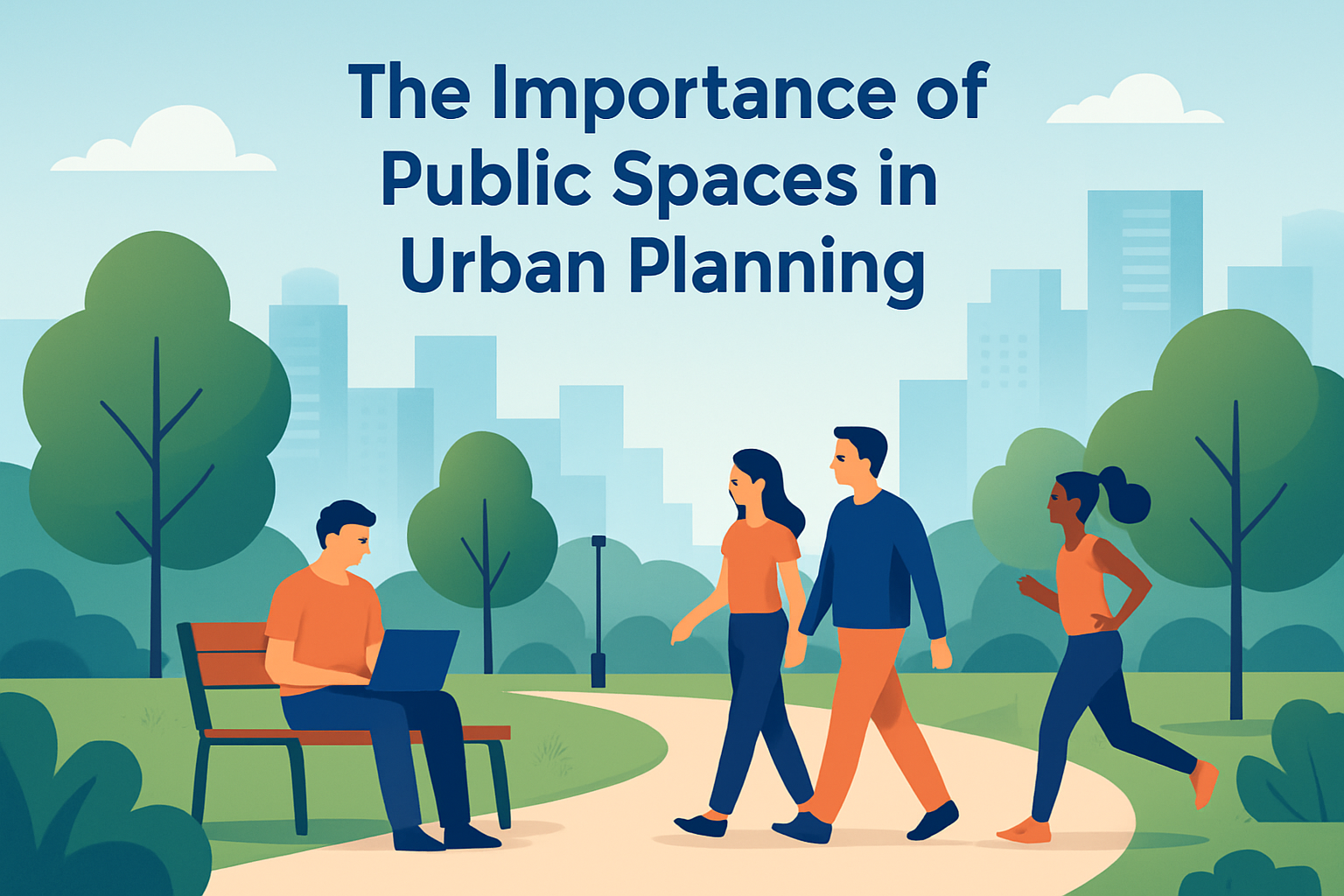
Public spaces play a pivotal role in the everyday lives of urban and rural communities alike. These areas, ranging from parks and plazas to beaches and town squares, are essential for maintaining community ties and promoting well-being. However, the function of public spaces extends beyond mere socialization and recreation. They are crucial elements in enhancing a community’s disaster preparedness. Understanding how public spaces can contribute to mitigating the impacts of natural and man-made disasters is imperative for creating resilient communities. With the increasing frequency of such disruptive events due to climate change and urban development pressures, leveraging public spaces in disaster preparedness efforts is more vital than ever. This article will explore the significant role of public spaces in disaster preparedness, providing real-world examples and practical explanations to highlight their importance.
The Multifunctional Nature of Public Spaces
Public spaces are inherently multifunctional. Their designs often accommodate a blend of social, cultural, educational, and environmental uses. Importantly, this versatility extends to their capacity as critical components during a disaster. Public spaces offer ample room for emergency activities and serve as natural human convergence points. In times of crisis, these areas assume new roles, acting as shelters, meeting points, and distribution centers for essential supplies. Take, for instance, the role of New York City’s Central Park during disasters. This expansive public space has frequently supported disaster relief operations and has been an emergency supply landing zone thanks to its central location and vast accessibility. The park’s flexible design accommodates varied emergency uses, underscoring the adaptability of public spaces in enhancing disaster preparedness.
Public Spaces as Communication Hubs
In the event of a disaster, effective communication is paramount. Public spaces can be strategically utilized as communication hubs, ensuring that information is disseminated swiftly and accurately to those in need. These spaces serve as gathering points for community announcements and emergency updates facilitated by local authorities. For example, public squares in European cities, like the St. Mark’s Square in Venice, transform into centers for communication during high-tide flood warnings, facilitating better preparedness among residents and tourists alike. By positioning information boards or digital signage within these spaces, municipalities can efficiently convey critical information to large groups of people, thus streamlining communication pathways during emergencies.
Enhancing Community Resilience Through Cooperation
One of the critical aspects of disaster preparedness is community cooperation. Public spaces naturally foster community interaction and cohesion, essential ingredients for collective action during emergencies. By offering accessible venues for community meetings and disaster drills, these spaces enable residents to collaborate, share resources, and plan effectively for potential threats. Tokyo’s Yoyogi Park is a successive model for building community resilience. The park frequently hosts disaster preparedness workshops and drills, fostering a culture of readiness among its users. Such activities not only educate the public about emergency protocols but also empower communities to respond collectively and cooperatively as a resilient unit when faced with real disaster scenarios.
The Role of Green Spaces in Environmental Protection
Green spaces, a vital component of public areas, play a protective role against environmental disasters. They act as natural buffers against extreme weather events such as floods and heatwaves. Well-maintained public parks with integrated ecological designs reduce the urban heat island effect and facilitate stormwater management, thereby mitigating disaster impacts. The Singapore Botanic Gardens exemplify how green spaces enhance environmental protection. These gardens, through sustainable landscaping that includes efficient water management systems and native plant species, offer substantial protection against urban flooding and contribute to cooling the environment amid rising temperatures. Such examples illustrate how environmental stewardship within public spaces is a cornerstone of disaster preparedness.
Infrastructure Support During Emergencies
The infrastructure within public spaces can afford significant support during emergencies. They potentially house temporary clinics, shelters, and logistics hubs, bridging gaps in emergency response services. By tapping into existing amenities like open-air pavilions or sports facilities in public parks, authorities can swiftly activate emergency operations without the need for extensive modifications or construction. For instance, during the COVID-19 pandemic, many cities repurposed public spaces as testing or vaccination sites. The ease of accessibility and existing infrastructure helped streamline these processes, demonstrating how public spaces can effectively support emergency health services.
Below is a breakdown of various ways public spaces can be utilized during disasters:
- Shelters: Convert open areas into temporary shelters for housing displaced persons.
- Food Distribution: Use central locations for the distribution of food and supplies.
- First Aid: Implement makeshift clinics to cater to emergency medical needs.
- Information Dissemination: Install kiosks or digital boards for real-time communication.
- Community Drills: Conduct regular disaster preparedness exercises to ensure readiness.
Public Spaces and Psychological Comfort in Disasters
Beyond the tangible supports that public spaces provide in disasters, they also offer psychological comfort to affected individuals. Being in open, familiar environments can be soothing during stressful times, providing a semblance of normalcy and community solidarity. Shared public spaces often enable social interactions that can mitigate feelings of isolation or distress often experienced during disasters. Consider the role of Rio de Janeiro’s public beaches during heavy flooding. Residents often congregate there not only for safety but as a means of mutual support, fostering a community spirit that is essential for emotional resilience amid disaster-related upheaval.
Planning Public Spaces for Future Disasters
Incorporating disaster preparedness into the initial planning and design of public spaces is essential for indigenous communities. By using proactive design principles that account for natural hazards specific to an area and integrating smart technologies, planners can create spaces that anticipate and mitigate disaster factors. For instance, in Miami, U.S., waterfront parks are deliberately designed with raised levels and resilient materials to combat flooding risks uniquely associated with the area’s hurricanes and heavy rains. The intentional integration of disaster-resilient features into public space design underscores the forward-thinking approach necessary to prepare effectively for future threats.
Conclusion
The role of public spaces in disaster preparedness is multifaceted and significant. From serving as multifunctional hubs for emergency operations to enhancing community cohesion and offering psychological comfort, these spaces are invaluable assets in developing resilient communities. Through proactive design, effective communication strategies, and community engagement, public spaces can greatly enhance preparedness and response efforts. As we face increasing challenges related to climate change and urbanization, it is crucial to leverage these spaces more effectively and integrate them into broader disaster management strategies.
By recognizing the critical role public areas play in mitigating disaster impacts, we can better prepare our communities to withstand and recover from emergencies. It is imperative for urban planners, policymakers, and community leaders to prioritize the development and maintenance of public spaces, ensuring they are equipped to serve during crises. Act now by advocating for policies and initiatives that integrate public spaces within disaster preparedness frameworks. Engage with local community planning discussions to share your ideas on enhancing public space functionality during emergencies.
Frequently Asked Questions
1. How do public spaces contribute to disaster preparedness?
Public spaces play a multifaceted role in disaster preparedness by serving as key areas for community gathering, information dissemination, and emergency response coordination. During disasters, these areas often transform into critical hubs for relief operations, medical aid, and distribution of essential supplies. This is particularly important because accessibility means resources and information can be quickly provided to a large number of people. Furthermore, familiarizing the community with the use of these spaces through regular drills and events ensures that, in times of crisis, there is an established protocol for efficiently utilizing these spaces.
Additionally, public spaces can be designed with resilience in mind, incorporating features such as flood-resistant landscaping or infrastructure that can withstand extreme weather. This turns them into safe havens that are more likely to remain functional even under adverse conditions. Community centers, parks, and open plazas are not just recreational assets; they are invaluable components of a robust disaster response strategy.
2. Why are public spaces vital for community resilience during disasters?
Public spaces are cornerstones of community resilience because they bring people together, foster a sense of community, and enhance collective efficacy. In times of disaster, social connections are critical for sharing information, offering emotional support, and organizing mutual aid. When a community knows it can rely on certain spaces as meeting points or support centers, it can more effectively mobilize resources and aid. This helps in maintaining calm and providing a structured approach to managing the crisis, reducing potential chaos and panic that can arise in emergency situations.
Furthermore, historical and cultural attachments to public spaces can fuel civic pride and community spirit, which are essential during recovery phases following a disaster. They provide a physical and symbolic focal point for rebuilding efforts and communal solidarity, helping communities not only survive disasters but recover and thrive in the aftermath.
3. What specific roles do parks play in disaster scenarios?
Parks are versatile public spaces that can be crucial in disaster scenarios due to their size, accessibility, and amenities. During a disaster, parks can function as emergency evacuation sites, temporary shelters, and distribution points for essentials such as water, food, and medical supplies. Their open spaces are ideal for setting up makeshift tents, medical camps, or community information centers. Since many parks are centrally located, they are convenient for accessing a large number of community members quickly.
Moreover, parks usually have basic infrastructure like restrooms and water access, which can be vital during prolonged emergencies. Their green infrastructure can also mitigate some disaster impacts; for example, natural plantings and permeable surfaces in parks can reduce flood risk by absorbing excess rainwater. In light of these functionalities, enhancing and maintaining parks to serve dual purposes in disaster preparedness and community welfare is incredibly strategic.
4. Can public spaces be utilized for educational purposes in disaster preparedness?
Absolutely, public spaces are ideal venues for educational initiatives aimed at enhancing disaster preparedness. They can host workshops, training sessions, and drills that simulate emergency scenarios, offering a practical, hands-on approach to learning which is more impactful than theoretical lessons. Organizations and local authorities can collaborate to use these spaces to stage community-wide preparedness fairs, demonstrations of safety protocols, and skills training sessions in first aid, fire safety, and resource management.
By leveraging the visibility and accessibility of public spaces, these educational efforts can reach a broad audience, promoting awareness and proactive readiness among diverse population groups. This not only empowers individuals to respond effectively in an emergency but also strengthens collective community resilience, ensuring that more residents know what to do and where to go when disaster strikes.
5. How can local governments enhance public spaces to be more effective in disaster preparedness?
Local governments can enhance public spaces for disaster preparedness by integrating resilient infrastructure and developing comprehensive emergency plans that utilize these areas. This can include installing weather-resistant shelters, provisions for emergency supply storage, and even designated areas with resilient communication systems for disseminating information quickly during a disaster. Additionally, governments can foster partnerships with local organizations to ensure these spaces are maintained and enhanced in alignment with community needs.
Investing in technology that ties public spaces to broader emergency management systems can also be key. For instance, ensuring that open spaces have Wi-Fi connectivity and emergency power sources allows them to serve as communication hubs during crises. Finally, engaging communities in participatory planning processes ensures that public spaces evolve in ways that reflect the local population’s needs and are more likely to be utilized effectively in disaster situations. A combined effort from government, community members, and private stakeholders can transform public spaces into robust assets for disaster resilience and preparedness.