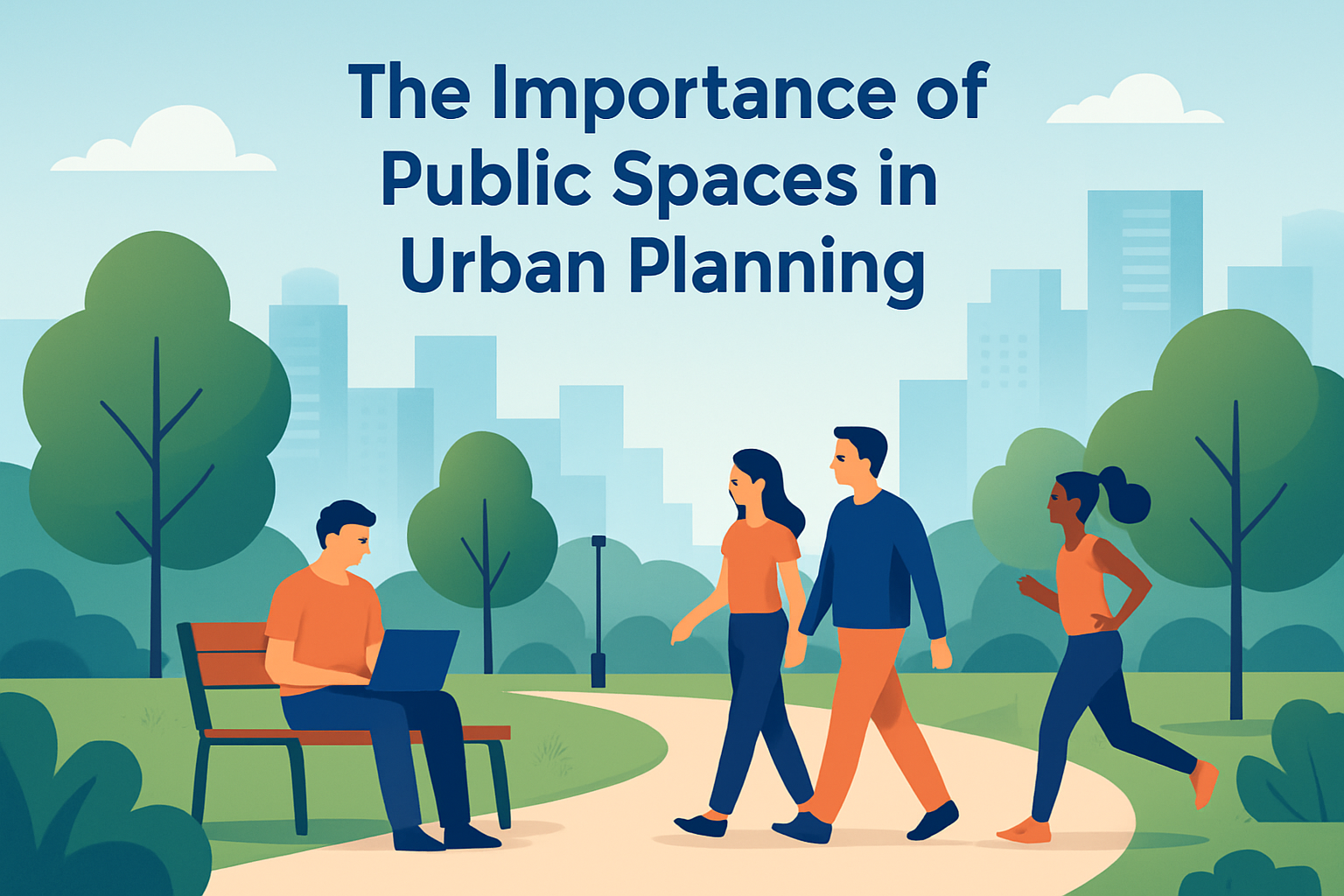
Public spaces encompass parks, plazas, sidewalks, and community gardens—areas accessible to all people irrespective of socioeconomic status. These are not just physical spaces, but core elements in the social fabric of urban life. They matter because they serve as sites for community building, social interactions, and cultural expression. Equally crucial, public spaces act as venues for economic activity, pedestrian circulation, and environmental respite. Their role in governance extends to fostering civic engagement and ensuring community well-being. In urban governance, public spaces are points of intersection between citizens and government institutions. Effective management of these spaces can enhance urban vitality, illustrating the symbiotic relationship between well-governed public spaces and vibrant urban environments.
The Role of Public Spaces in Community Building
One of the most powerful aspects of public spaces is their ability to facilitate community building. Community gardens, for instance, offer residents the chance to collaborate, share resources, and foster communal ties. These shared endeavors translate into a unified community identity. In the bustling city of New York, community gardens have been an effective tool in community engagement. Over 600 gardens managed by local groups are scattered throughout the city, each serving as a nucleus of community life, inspiring events, workshops, and activities. These spaces are crucial in robust urban governance because well-connected communities have the collective power to influence local decision-making processes, advocate for neighborhood improvements, and engage in civil discourse.
Public Spaces and Economic Activities
A vibrant public space is often a catalyst for economic activities. Markets, artisanal fairs, and food trucks occupy these spaces, providing economic opportunities both for established enterprises and budding entrepreneurs. The Pike Place Market in Seattle exemplifies the productive fusion of public space and economic activity. As both a historic landmark and a functioning market, it hosts hundreds of vendors and attracts millions of visitors annually. This setting allows for commerce and community interactions, both vital for sustaining urban economies. From an urban governance perspective, the regulation, maintenance, and strategic development of such spaces facilitate sustainable economic growth. The local government’s role in providing licensing, ensuring safety, and managing waste collection demonstrates stewardship, which is integral for economic flourishing.
Public Spaces: Nurturing Environmental Sustainability
Public spaces also play a pivotal role in promoting environmental sustainability. Vegetated areas such as parks and greenways mitigate urban heat, improve air quality, and provide habitats for urban wildlife. The High Line in New York City, a once-abandoned elevated railway, is a prime illustration. Transformed into a linear park, it showcases native plantings and sustainable water management while offering a unique green refuge within a dense urban environment. By investing in environmentally sustainable spaces, urban governance can adopt broad strategies to combat climate change, public health issues, and resource depletion. The presence of green spaces aids in rainwater absorption and reduces stormwater runoff, contributing to the long-term sustainability of the urban ecosystem.
Promoting Social Integration through Plazas
Plazas serve as critical hubs for social integration. These open areas invite diverse populations to engage in dialogue, cultural festivities, and public discussions. Zócalo, the main square in Mexico City, exemplifies this role, historically functioning as a stage for political rallies, cultural celebrations, and social movements. Such spaces are vital for fostering democratic engagement by creating realms where citizens feel free to gather and express their views. Urban governance can harness this power by ensuring that plazas remain inclusive and accessible, reinforcing the democratic fabric of cities. Social integration policies and infrastructure, like seating arrangements and public art displays, enhance these efforts, reflecting local culture and history while promoting shared experiences.
Infrastructure and Accessibility of Public Spaces
An essential aspect of successful public spaces is their accessibility. Public spaces serve all citizens only when they are easily reachable and user-friendly for everyone, including people with disabilities. In Curitiba, Brazil, the successful implementation of integrated public transport linked to public spaces shows how well-planned infrastructure enhances accessibility. Designed with interconnected bus routes, pedestrian paths, and public parks, Curitiba offers an accessible urban environment. Here, governance entails collaborating across departments to develop integrated transport and land use plans, underscoring the importance of proactive planning for inclusive access.
| City | Example of Public Space | Key Features |
|---|---|---|
| New York | High Line | Linear park, native plantings, sustainable water management |
| Mexico City | Zócalo | Historical square, public rallies, cultural events |
| Seattle | Pike Place Market | Commercial hub, historic landmark, local vendors |
| Curitiba | Integrated Public Spaces | Linked to public transport, pedestrian-friendly |
Addressing Safety and Security in Public Spaces
Security is a paramount concern in public space governance. The perception of safety significantly influences public space utilization. For instance, Millennium Park in Chicago integrates security cameras, regular patrols, and well-lit paths, ensuring a safe environment for visitors. Urban governance can bolster safety through strategic planning and innovations such as smart surveillance systems and community policing. Importantly, fostering a culture where people feel responsible for communal safety contributes to trust and shared responsibility. Engaging local communities in safety strategies enhances the perceived and actual security, ensuring that these spaces remain welcoming and inclusive.
Public Spaces as Venues for Local Governance
Public spaces can also function as vital venues for local governance. They host town hall meetings, public hearings, and engagement workshops, providing citizens with the opportunity to participate in their city’s governance. Consider the example of the Downtown Plaza in San Jose, where community forums and decision-making meetings frequently occur. This interaction fosters a participatory governance model where community input can directly influence civic projects and policies. Effective urban governance involves creating platforms for engagement and ensuring transparency, making public spaces not just backgrounds for interaction but catalysts for civic participation.
Conclusion: Strengthening Urban Governance through Public Spaces
In summary, public spaces are more than meeting places—they are dynamic components integral to urban governance. Their role in community building, economic activity, sustainability, social integration, accessibility, safety, and as venues for local governance underscores their multifaceted importance. By investing in well-designed, inclusive, and vibrant public spaces, urban leaders can enhance civic life and nurture stronger, more cohesive communities. For citizens, it’s essential to engage actively with these spaces, partake in community initiatives, and advocate for improved urban environments. By fostering such engagement, public spaces become a bedrock for more effective, participatory governance. Future urban strategies should prioritize public space development as a critical element of sustainable, equitable governance frameworks.
Frequently Asked Questions
1. What role do public spaces play in urban governance?
Public spaces are vital in urban governance because they serve as inclusive venues where community interactions take place. They are not confined to just parks and plazas, or the obvious spaces like sidewalks and community gardens, but they are the beating heart of urban areas. Their fundamental role is in fostering community-building activities, facilitating social interactions among residents from diverse backgrounds, and promoting cultural expressions which are crucial for a vibrant urban life.
Moreover, public spaces are central to economic activities. Markets, street vendors, and local businesses thrive in well-managed public spaces. They provide pedestrians with areas to move freely and leisurely, contributing to a more vibrant and accessible urban environment. From an environmental perspective, they offer much-needed green spaces in overly built-up urban areas, contributing to better air quality and biodiversity, and providing urban dwellers with a place to relax and connect with nature.
Importantly, in terms of governance, these spaces are platforms for public participation. They allow for the expression of opinions, public protests, and community gatherings, all of which are essential in democratic processes. Cities are faced with the challenge of making these spaces truly accessible and inclusive while ensuring they remain safe and clean.
2. How do public spaces contribute to economic activity?
Public spaces are bustling hubs of economic activity and are crucial to a city’s economic vitality. Through markets, street vendors, and temporary events like food festivals and farmers’ markets, they create opportunities for small businesses and entrepreneurs to thrive. These spaces allow local commerce to flourish by attracting residents and visitors, which enhances the economic flow within the city.
Moreover, public areas are essential for creative sectors. Artists and performers often use these spaces to showcase their work, contributing to the local economy while making the city culturally vibrant. Businesses nearby public spaces also benefit from increased foot traffic, as people are drawn to the space not just for shopping, but to socialize and engage in events. In addition, employment opportunities are created in maintaining and managing public spaces, from landscaping to security and event organization.
Finally, public spaces can increase property values in the surrounding area, which may benefit local tax revenues. Thus, they not only play a vital role in daily economic activities, but also participate in the long-term economic planning and enhanced livelihood of urban areas.
3. In what ways do public spaces support environmental sustainability in urban areas?
Public spaces are integral to enhancing environmental sustainability within urban contexts. They introduce much-needed greenery into the concrete expanses of cities, contributing positively to the urban ecosystem. Parks and gardens act as the lungs of a city, improving air quality by absorbing pollutants and producing oxygen. They play a role in mitigating urban heat by providing shaded areas and through the cooling effects of evapotranspiration.
Beyond their immediate aesthetic and recreational value, these spaces can support biodiversity within cities by providing habitats for various species of flora and fauna. Community gardens, for instance, contribute to urban agriculture, reducing the carbon footprint associated with food transportation while engaging communities in sustainable practices.
Additionally, the design and maintenance of public spaces can incorporate sustainable practices such as permeable paving to promote groundwater recharge and the use of native plants, which require less water and care. Therefore, they offer ecological benefits and opportunities to implement urban ecological initiatives, encouraging residents to participate directly in making their environments sustainable.
4. What challenges are associated with the management of public spaces?
Managing public spaces in urban areas is no small feat, as cities face several challenges that impact their governance. One of the primary issues is ensuring these spaces are truly accessible and inclusive for all community members, irrespective of socioeconomic status. Urban authorities must balance diverse interests while addressing concerns such as safety, cleanliness, and maintenance.
Public spaces are vulnerable to issues like overuse, vandalism, or being appropriated for activities that exclude certain groups of people. Another challenge is maintaining the quality and usability of these spaces amid budget constraints and the need to prioritize numerous urban developmental projects.
Moreover, urban spaces often become battlegrounds for competing interests, where commercial development pressures can threaten to erode public access and participation. To address such challenges, city planners and managers must involve community members in decision-making processes to align the development and maintenance of public spaces with the needs and desires of the community. Therefore, ensuring their sustainability and relevance over time requires careful, inclusive, and strategic governance.
5. How can the design of public spaces promote social interaction and cultural expression?
The design of public spaces is critical in promoting social interaction and cultural expression within urban environments. Thoughtful design involves creating welcoming, versatile spaces where communities can gather and people feel safe and inclined to linger. Public seating, writable surfaces, and open areas for events all encourage interaction and community engagement.
To foster cultural expression, the design can integrate features that celebrate local heritage and diversity, such as art installations, performance spaces, and cultural markers. Public spaces can be used to host cultural festivals, performances, and community celebrations which provide residents with opportunities to express cultural identities and experience those of others.
Inclusive design addresses the needs of diverse population groups including children, elderly, and persons with disabilities, ensuring these spaces are accessible to everyone. The layout should encourage pedestrian movement and provide spaces for both active and passive recreation. Also, integrating technology and digital amenities can cater to contemporary forms of social interaction and engagement.
Ultimately, well-designed public spaces create a vibrant and cohesive urban life where social ties are strengthened, and cultural dialogues flourish, reinforcing their essential role in urban life.