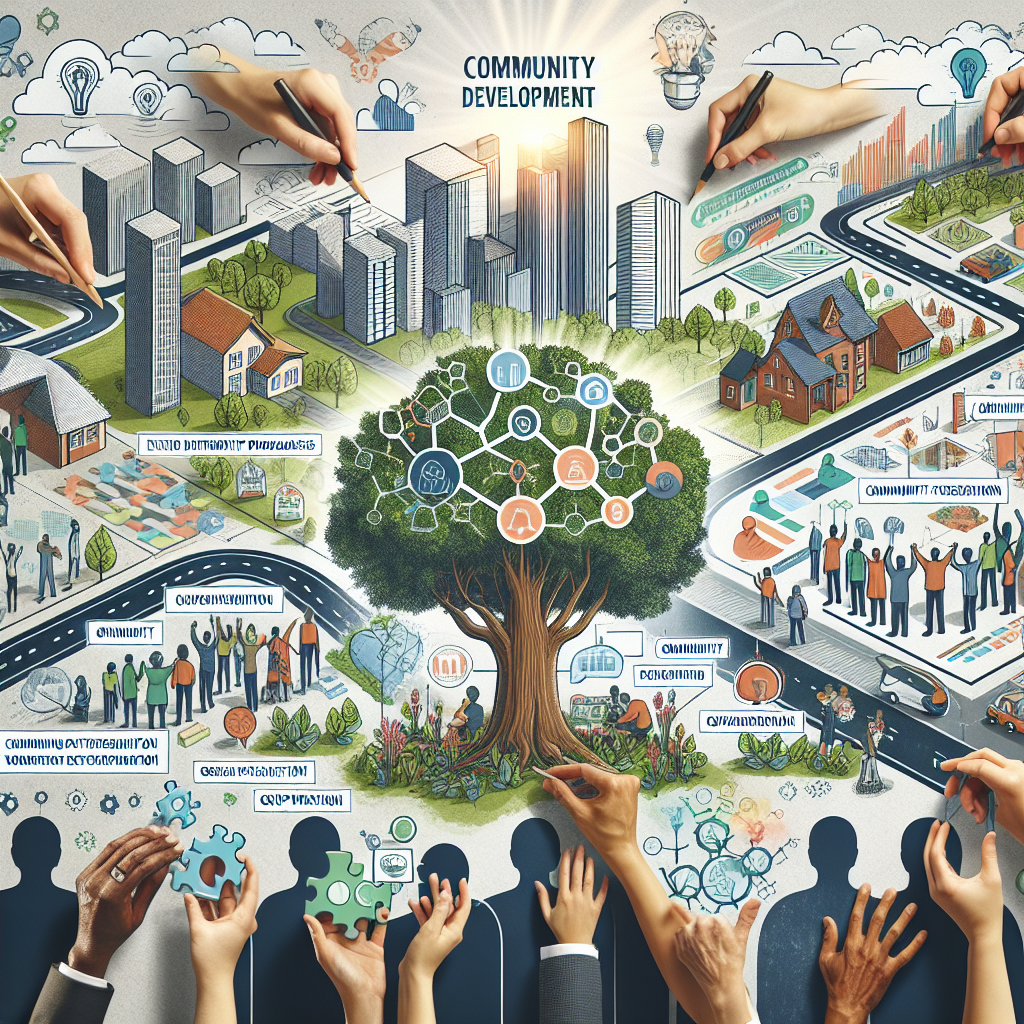
Community development is a multifaceted process that involves building stronger and more resilient local communities. It’s a collaborative effort that engages local stakeholders, fosters economic growth, and enhances the overall quality of life for residents. One of the most impactful ways to support and drive this process forward is through volunteering. Volunteers offer their time and skills without financial compensation, but the value they bring is immeasurable. Volunteering contributes to the fabric of communities by blending different perspectives, experiences, and talents to address communal needs.
When people volunteer, they are actively participating in shaping the future of their community. This involvement brings about a range of benefits, not only for the community as a whole but also for the individual volunteers. The ripple effects of volunteerism can be seen in various aspects, including social, economic, cultural, and environmental improvements. In this article, we’ll explore these dimensions in more detail, examining how volunteering plays a pivotal role in community development and why it’s essential for sustainable growth.
We will delve into several areas to understand the role of volunteering better. These include the intrinsic value of volunteer work, the social cohesion it fosters, the economic implications, how it enhances individual lives, and its impact on the environment. Whether you’re a seasoned volunteer or someone considering contributing your time for the first time, this article will provide insights into why volunteering is indispensable for community development.
The Intrinsic Value of Volunteer Work
Volunteering carries an intrinsic value that cannot be measured by financial metrics. When individuals offer their time to support causes they believe in, it creates a meaningful connection between people and their communities. This intrinsic worth comes from the sense of fulfillment and purpose derived from contributing to something larger than oneself. Volunteering enables individuals to shape the world around them in positive ways, reinforcing their commitment to their community’s future.
The act of volunteering also fosters a sense of empathy and compassion, as individuals step into roles that often expose them to diverse life experiences and perspectives. This exposure helps build connections between different segments of the population, breaking down barriers and fostering a more inclusive and understanding society. These intangible benefits can significantly enhance the cohesiveness and resilience of a community, thus playing a critical role in its development.
Furthermore, the intrinsic value of volunteer work extends to the recognition and satisfaction volunteers receive for their contributions. Community acknowledgment of volunteer efforts can inspire others to participate, creating a culture of volunteerism that perpetuates and amplifies community development efforts. This sense of accomplishment and recognition acts as a catalyst for continued engagement and participation in community-building activities.
Fostering Social Cohesion Through Volunteering
One of the most significant benefits of volunteering is its role in fostering social cohesion. When people come together to work on common goals, it helps build relationships and strengthens social bonds. Volunteering typically involves collaboration, which is essential in cultivating a sense of community and mutual support among residents. It encourages individuals from different backgrounds to cooperate, creating a more inclusive environment.
Social cohesion is vital for a community’s stability and growth. As people become more interconnected through volunteer activities, they are more likely to look out for one another and work together to address community challenges. This unity is particularly important during times of crisis or when significant changes are needed to improve living conditions or address social issues.
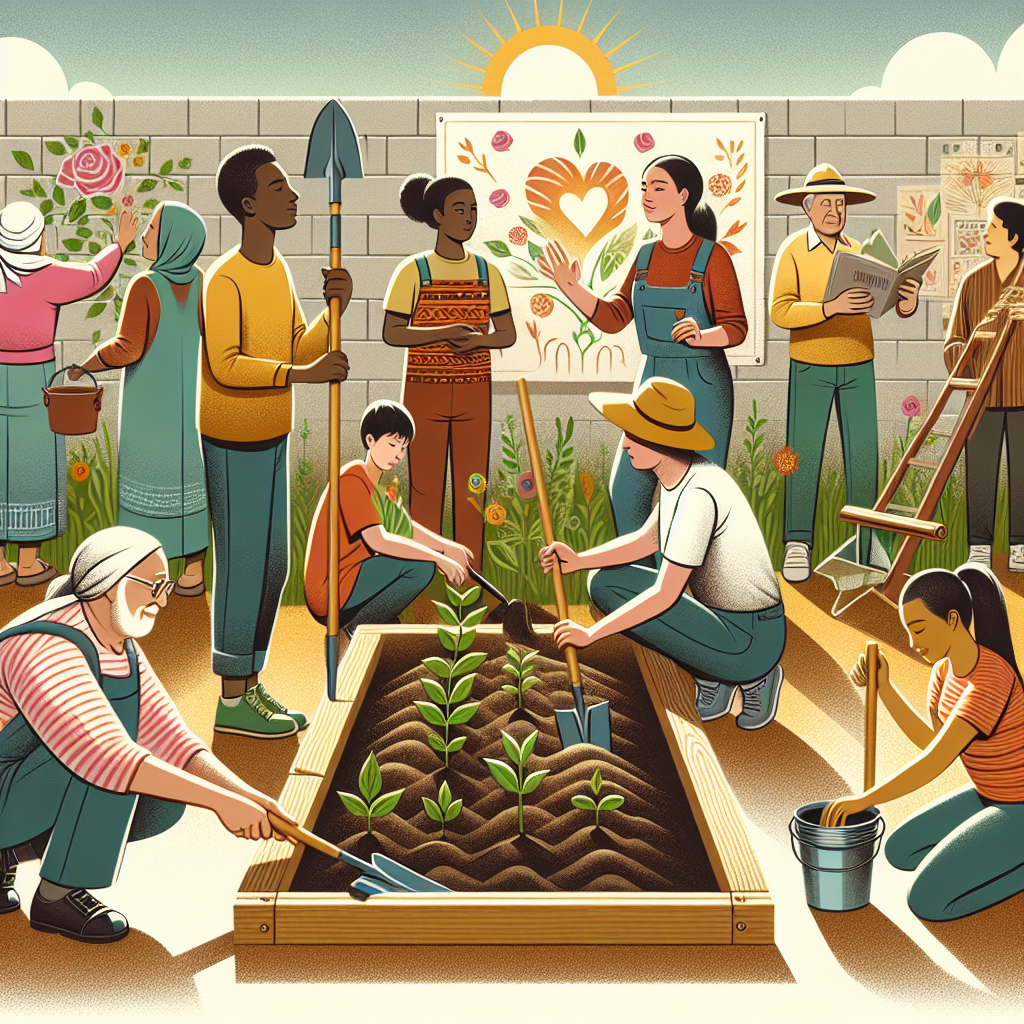
Additionally, volunteering provides opportunities for skill-sharing and knowledge exchange, which can further strengthen community ties. For instance, community gardening projects not only beautify neighborhoods but also bring together individuals who can share insights on sustainable practices, leading to a more informed and engaged community. Such collaborative efforts enhance trust and solidarity among residents, laying the groundwork for a more resilient and capable community.
The Economic Impact of Volunteering
While the primary motivation for volunteering is usually not economic, the economic impact of volunteerism is substantial. Volunteers help reduce the costs associated with delivering services and initiatives that would otherwise require paid staff. This can be particularly important for non-profit organizations and community groups operating with limited budgets. The hours volunteers contribute translate into significant financial savings, allowing these organizations to allocate resources more effectively to achieve their missions.
Moreover, volunteering can lead to economic development and job creation within communities. For example, volunteers might support local businesses through community events, marketing initiatives, or mentorship programs. The visibility and success of these efforts can attract investment, stimulate local economy growth, and create employment opportunities. Volunteers play a crucial role in creating an environment where businesses can thrive and contribute further to the community’s prosperity.
Additionally, the experience and skills gained through volunteering can enhance employability. Individuals who volunteer often develop valuable competencies, such as leadership, project management, and communication skills, which can make them more attractive to employers. This can be particularly beneficial for young people or those looking to re-enter the workforce, as it provides them with practical experience and a network of professional contacts.
Enhancing Individual Lives Through Volunteering
Volunteering has profound effects on the lives of individuals who participate. It provides a sense of purpose and fulfillment that can significantly enhance personal well-being. Many volunteers report increased satisfaction with their lives and a greater sense of connection to their communities. This positive impact on mental health and well-being is one of the most compelling reasons to encourage volunteerism.
Furthermore, volunteering can help individuals develop new skills and build confidence. Taking on different roles within volunteer-based projects allows people to discover and nurture talents they might not have otherwise explored. Whether it’s leading a community event, teaching a skill, or organizing resources, the diverse tasks involved in volunteering offer fertile ground for personal growth and development.
For some, volunteering also offers a pathway to new social connections and friendships. It brings together individuals with shared interests and values, creating opportunities for meaningful interactions and lasting relationships. These social networks can provide support, reduce feelings of isolation, and enhance the overall quality of life for volunteers.
The Environmental Benefits of Volunteering
Volunteering can also have significant positive effects on the environment. Many community development projects focus on sustainability and environmental improvement, and volunteers are often at the forefront of these initiatives. From community clean-up drives to tree-planting campaigns and recycling programs, volunteers play a critical role in promoting environmental stewardship.
These green initiatives not only improve the physical environment but also raise awareness about environmental issues within the community. By engaging locals in sustainability efforts, volunteers help foster a culture of environmental responsibility that can lead to long-term positive changes. Educational programs and hands-on activities often accompany these initiatives, equipping community members with the knowledge and skills needed to maintain and expand environmentally-friendly practices.
Moreover, environmental volunteering can have an intergenerational impact. By involving young people in sustainability projects, communities can instill a sense of responsibility and care for the environment in future generations. This is crucial for the ongoing health and viability of our planet and underscores the far-reaching benefits of volunteer-driven environmental initiatives.
Conclusion
Volunteering is a cornerstone of community development that offers a multitude of benefits, from fostering social cohesion and economic growth to enhancing individual well-being and environmental sustainability. The intrinsic value of volunteer work, the social bonds it creates, and the economic support it provides are instrumental in building resilient and thriving communities. Additionally, the personal growth and fulfillment experienced by volunteers enrich their lives, making volunteerism a mutually beneficial endeavor for individuals and society as a whole.
As communities continue to evolve and face new challenges, the role of volunteering will only become more critical. It is essential to recognize and support the efforts of volunteers, as their contributions are invaluable to the health and vibrancy of our communities. Encouraging a culture of volunteerism and providing opportunities for meaningful engagement can significantly strengthen community development efforts, ensuring sustainable progress for future generations.
Whether you are an individual looking to make a difference, an organization seeking to maximize your impact, or a community exploring ways to grow and improve, embracing the power of volunteering is a strategic and impactful approach. By volunteering your time and talents, you are not only helping to meet immediate needs but also laying the foundation for a stronger, more connected, and sustainable community. So, take the first step towards positive change and discover the remarkable difference volunteering can make in your life and the lives of others.
Frequently Asked Questions
1. What is the role of volunteering in community development?
Volunteering is a cornerstone of community development, acting as a vital contributor to building stronger and more resilient communities. It’s a collaborative effort where volunteers engage with local stakeholders, offering their time and skills without expecting financial compensation, thus making a significant difference in the community’s growth and stability. Volunteers play diverse roles—from organizing community events, participating in cleanup drives to mentoring youth or supporting local non-profit organizations. Their enthusiasm and dedication help bridge gaps between community needs and available resources, fostering economic growth, improving social bonds, and enhancing the quality of life for all residents. By motivating more people to get involved, volunteering creates a sense of ownership and pride among community members, empowering them to actively participate in their community’s development projects.
2. How does volunteering influence economic growth in a community?
Volunteering influences economic growth in multiple ways. First and foremost, volunteers help reduce the operational costs of community programs and initiatives, allowing more funds to be allocated directly to development activities. They provide essential services that may otherwise be out of financial reach for many communities, such as organizing vocational training programs or offering business mentoring for local entrepreneurs. Additionally, volunteering fosters a culture of cooperation and support, which can attract investments and encourage new business ventures. As volunteers help build infrastructure and support community-driven projects, they lay the groundwork for a more vibrant local economy that can better sustain itself. Furthermore, the skills and experiences gained through volunteering can improve individual employability, thereby boosting the workforce and encouraging economic development at a larger scale.
3. What impact does volunteering have on social cohesion within a community?
Volunteering is a powerful tool for enhancing social cohesion within a community. By participating in volunteer activities, individuals from different backgrounds come together for a common cause, fostering a spirit of collaboration and mutual understanding. This engagement helps break down social barriers, reducing prejudice and promoting inclusivity. Through volunteering, people form strong social networks, creating a sense of belonging and community solidarity. Events and projects that require volunteer participation often lead to the establishment of lasting friendships and partnerships, which further enhance social trust and cooperation. As community members work side by side, they learn to appreciate diverse perspectives and encourage a shared identity, ultimately unifying the community in its goals for development and improvement.
4. Can volunteering help address local issues effectively? If so, how?
Absolutely, volunteering is an essential mechanism for addressing local issues effectively. Volunteers are often on the front lines of identifying and understanding the pressing challenges their communities face. Their direct engagement enables community-led solutions that are better tailored to meet specific needs. For instance, volunteers can initiate and steer campaigns focused on critical local concerns such as homelessness, hunger, or education. By mobilizing resources and raising awareness, they can draw attention to these issues and garner support from broader stakeholders, including government entities and corporate sponsors. Furthermore, the time and expertise that volunteers provide can ensure that interventions are sustainable and that long-term strategies are developed to address root issues. Volunteers also play a key role in measuring and monitoring the impact of such initiatives, allowing for continuous improvement and effectiveness in community development strategies.
5. What are the personal benefits of volunteering for individuals?
While volunteering is incredibly beneficial to the community, it also offers a myriad of personal benefits for individuals. People who volunteer often experience a deeper sense of purpose, increased happiness, and personal satisfaction. The act of giving back and being actively involved in community betterment can lead to improved mental health, reducing stress, anxiety, and symptoms of depression. Volunteering can also provide invaluable opportunities for personal growth and development. Volunteers often acquire new skills, ranging from communication and leadership to project management and problem-solving. This experiential learning can enhance career prospects and open new opportunities. Additionally, volunteering provides a platform for socialization, enabling individuals to meet new people, expand their social networks, and build a sense of camaraderie. In essence, volunteering enriches both the community and the individual, creating a symbiotic relationship that fosters positive change on multiple levels.