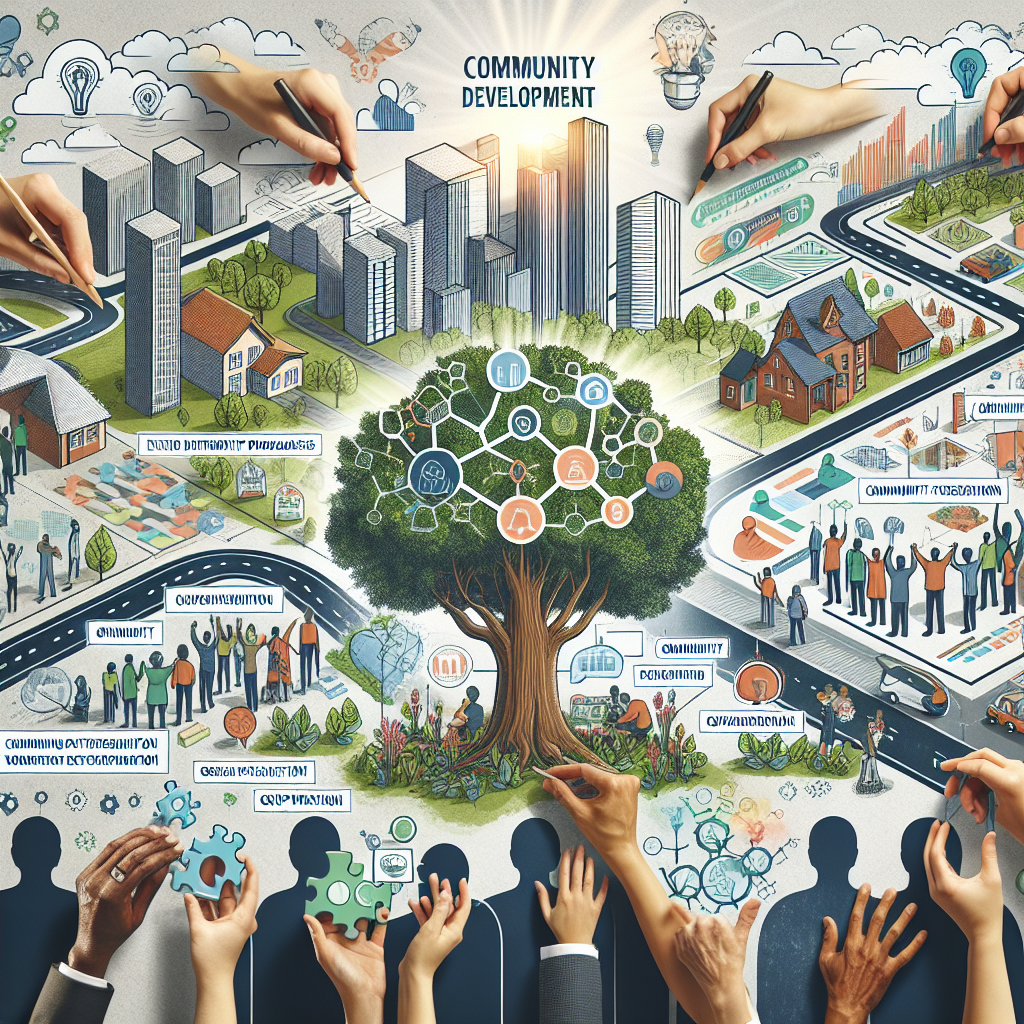
Community development and workforce development are inherently intertwined concepts that serve as the backbone for robust, thriving societies. With urban areas experiencing rapid growth, the need for strategic planning in these domains becomes even more pronounced. This dual focus aims not only to improve the physical landscape of communities but also to empower individuals through enhanced employment opportunities, thus creating a cycle of sustained economic and social growth.
At its core, community development is about building stronger, more resilient local economies and social structures. It encompasses a wide array of activities, from improving infrastructure and housing to fostering public spaces where community members can gather and connect. It’s about creating an environment where people feel invested, both emotionally and financially, in their surroundings and their futures.
Workforce development, on the other hand, targets the capacity and capabilities of individuals within these communities. This includes providing access to education, training, and job placement services that equip residents with skills that are in demand in the current job market. By aligning workforce development initiatives with the needs of local employers, these programs ensure that residents are prepared to seize available opportunities, thus driving the local economy forward.
In this article, we will delve deeper into the concepts of community and workforce development, exploring their significance, strategies for implementation, and the multifaceted benefits they bring to urban settings. Through understanding these intricate processes, we can better appreciate the pivotal role they play in the development of sustainable, prosperous communities.
The Importance of Community Development
The significance of community development cannot be overstated. It embodies the process of empowering community members, fostering leadership, and encouraging active participation in local governance. At the heart of community development is the belief that everyone, regardless of their background, should have access to the resources they need to thrive.
Beyond physical improvements such as better housing and infrastructure, community development endeavors to create a sense of belonging and investment among residents. Parks, community centers, and public spaces play a crucial role in fostering social interactions, reducing crime rates, and promoting mental well-being. These shared spaces physically manifest the communal bonds that are necessary for a strong, cohesive society.
Furthermore, community development often involves addressing systemic issues such as poverty, inequality, and social exclusion. Programs aimed at improving educational outcomes, providing healthcare access, and ensuring affordable housing are all essential components. These initiatives contribute to a more equitable society where all members have the opportunity to succeed.
By focusing on the holistic improvement of communities, we can generate environments that not only meet the immediate needs of residents but also lay the foundation for long-term economic stability and growth. This, in turn, makes communities more attractive to new businesses and residents, ensuring a cycle of positive development.
Strategies for Effective Community Development
To achieve effective community development, a multifaceted approach is required. Collaboration between local government, community organizations, and residents is crucial. These partnerships ensure that the voices of community members are heard and that development plans address their unique needs and priorities.
One key strategy is community engagement. This involves actively involving residents in planning and decision-making processes. Town hall meetings, focus groups, and surveys are valuable tools for gathering insights and feedback. When residents feel that their opinions are valued, they are more likely to support and participate in development initiatives.
Another strategy is leveraging local assets. Every community has unique strengths and resources. Identifying and utilizing these assets can lead to creative and sustainable solutions. For example, a community with a rich cultural heritage might develop tourism initiatives or arts programs to stimulate economic growth.
Capacity building is also essential. This involves providing training and resources to community members and organizations to enhance their skills and capabilities. By fostering local leadership and empowering residents to take an active role in development efforts, communities become more resilient and self-sufficient.

Understanding Workforce Development
Workforce development focuses on equipping individuals with the skills and knowledge necessary to thrive in the job market. It encompasses various programs and initiatives aimed at matching workers with available job opportunities and ensuring they have the tools to succeed in their roles.
One fundamental aspect of workforce development is education and training. This includes vocational training, apprenticeships, and continuing education programs. These initiatives provide individuals with the technical skills and competencies required in their chosen fields. Emphasizing lifelong learning ensures that workers can adapt to changing industry demands and technological advancements.
Job placement and support services are equally important. Career counseling, resume workshops, and interview preparation are just a few examples of services that help individuals secure employment. Additionally, connecting job seekers with potential employers through job fairs and networking events bridges the gap between talent and opportunity.
Workforce development also encompasses efforts to remove barriers to employment. This can involve addressing transportation challenges, providing childcare services, and advocating for fair wages and working conditions. By tackling these issues, we create a more inclusive job market where everyone has the opportunity to contribute and succeed.
Implementing Workforce Development Programs
Implementing effective workforce development programs requires a collaborative approach that involves government agencies, educational institutions, businesses, and community organizations. By working together, these stakeholders can create comprehensive and targeted programs that meet the needs of both job seekers and employers.
One successful strategy is the development of industry partnerships. These partnerships bring together employers, educators, and workforce development organizations to create training programs that align with industry needs. For example, a technology company might collaborate with a local community college to develop a curriculum that prepares students for careers in cybersecurity.
Apprenticeship programs are another valuable tool. These programs provide hands-on training and mentorship in real-world work environments. Apprenticeships offer a pathway to well-paying jobs and often lead to long-term employment opportunities within the host company.
Additionally, leveraging technology can enhance workforce development efforts. Online training platforms, virtual job fairs, and remote work opportunities expand access to resources and job opportunities. These technological advancements make it easier for individuals to acquire new skills and connect with employers, regardless of their geographic location.
The Intersection of Community and Workforce Development
Community development and workforce development are closely linked. Successful community development efforts create environments where residents can thrive, while workforce development initiatives provide individuals with the skills and opportunities needed to contribute to their communities.
For example, a community development program focused on revitalizing a struggling neighborhood might also include workforce development components. This could involve creating job training centers, offering employment services, and fostering partnerships with local businesses to create job opportunities for residents.
Additionally, strong communities with vibrant local economies attract new businesses and investments. As businesses establish themselves in these communities, they create job opportunities and contribute to the overall economic growth. This positive feedback loop results in improved living conditions and long-term sustainability for both residents and businesses.
By integrating community and workforce development efforts, we can create holistic solutions that address both the social and economic needs of communities. This integrated approach ensures that development is inclusive and benefits all members of the community.
Conclusion
In conclusion, community development and workforce development are essential components of thriving, sustainable communities. These interconnected efforts work hand in hand to create environments where individuals and families can prosper. By investing in both physical and social infrastructure, fostering local leadership, and providing education and job training opportunities, we can build stronger, more resilient communities.
Effective community development goes beyond physical improvements; it cultivates a sense of belonging, reduces inequality, and empowers residents to take an active role in shaping their communities. Workforce development provides individuals with the skills and support needed to succeed in the job market, leading to economic stability and growth.
Collaboration is key to the success of these initiatives. Local governments, businesses, community organizations, and residents must work together to identify needs, leverage assets, and implement comprehensive solutions. By doing so, we can create communities that are not only economically vibrant but also socially inclusive and resilient.
Ultimately, the goal of community and workforce development is to create a better quality of life for all residents. By fostering environments where people feel connected, supported, and empowered, we can build communities that are not only strong today but also well-equipped to face the challenges of tomorrow.
Frequently Asked Questions
1. What is the relationship between community development and workforce development?
Community development and workforce development are two sides of the same coin when it comes to creating vibrant, sustainable communities. Community development focuses on transforming the physical and social infrastructure of a place—improving amenities, ensuring affordable housing, and fostering a sense of belonging among residents. Meanwhile, workforce development zeroes in on enhancing individuals’ employability through skill-building, education programs, and job opportunities. Together, they create a thriving ecosystem. As urban areas expand, strategic planning in both realms is essential. When a community blossoms physically, the demand for skilled labor rises, necessitating a workforce ready to meet those needs. This reciprocal relationship fosters economic resilience and elevates the overall quality of life.
2. Why are strategic planning and collaboration important in community and workforce development?
Strategic planning is the cornerstone of effective community and workforce development. It ensures resources are allocated wisely, priorities are clear, and goals are achievable. Without planning, efforts can be scattershot, missing the mark on genuine community needs or failing to address key skill gaps in the workforce. Collaboration adds another layer of strength; when local governments, businesses, educational institutions, and community organizations work in tandem, outcomes are more aligned with the actual needs and opportunities of a community. Organizations might pool resources to create more impactful programs, or align goals to amplify their effects. This cohesive approach also helps mitigate risks and adapt to changing circumstances, fostering a dynamic, forward-thinking community.
3. How does workforce development empower individuals and boost community growth?
Workforce development empowers individuals by equipping them with the training, education, and skills necessary to succeed in a competitive job market. When people gain access to better jobs, their standard of living improves, and they’re more likely to contribute positively to their communities. This, in turn, galvanizes community growth. Higher employment rates lead to increased economic activity, spurring further development projects. Furthermore, when a community can provide jobs locally, residents are less likely to move away in search of work, helping stabilize and potentially grow the population, which can attract additional services and amenities. It’s a self-sustaining cycle of empowerment and growth where the community cultivates talent, talent boosts the economy, and the economy supports further community improvements.
4. How can urban areas manage rapid growth while focusing on community and workforce development?
Urban areas experiencing rapid growth must balance expansion with sustainable development. This involves creating infrastructure that can support both increased population density and economic opportunities. Investing in public transportation, affordable housing, and educational facilities are all critical aspects of community development that can accommodate growth. Simultaneously, workforce development programs must be robust and tailored to evolving market needs, ensuring residents have the skills needed for local job markets. For cascading benefits, cities should embrace technology and innovation, creating smart cities with interconnected resources that make living and working efficient. Policymakers and planners need to engage with community members to ensure developments are in line with the public’s needs, ensuring inclusivity and equitable growth.
5. What role do educational institutions play in community and workforce development?
Educational institutions are pivotal in the development landscape, acting as both a foundation and a catalyst. They shape the workforce’s future by providing essential skills training, critical thinking skills, and industry-specific education. Colleges and technical schools often partner with local businesses to create programs that directly lead to employment opportunities in local industries, ensuring a smooth transition from education to employment. Furthermore, schools contribute to community development by serving as community hubs—they’re venues for cultural events, adult education classes, and civic engagement activities. They help integrate diverse populations, encouraging a community-wide culture of learning and improvement, and prepare the future workforce to contribute positively to society.