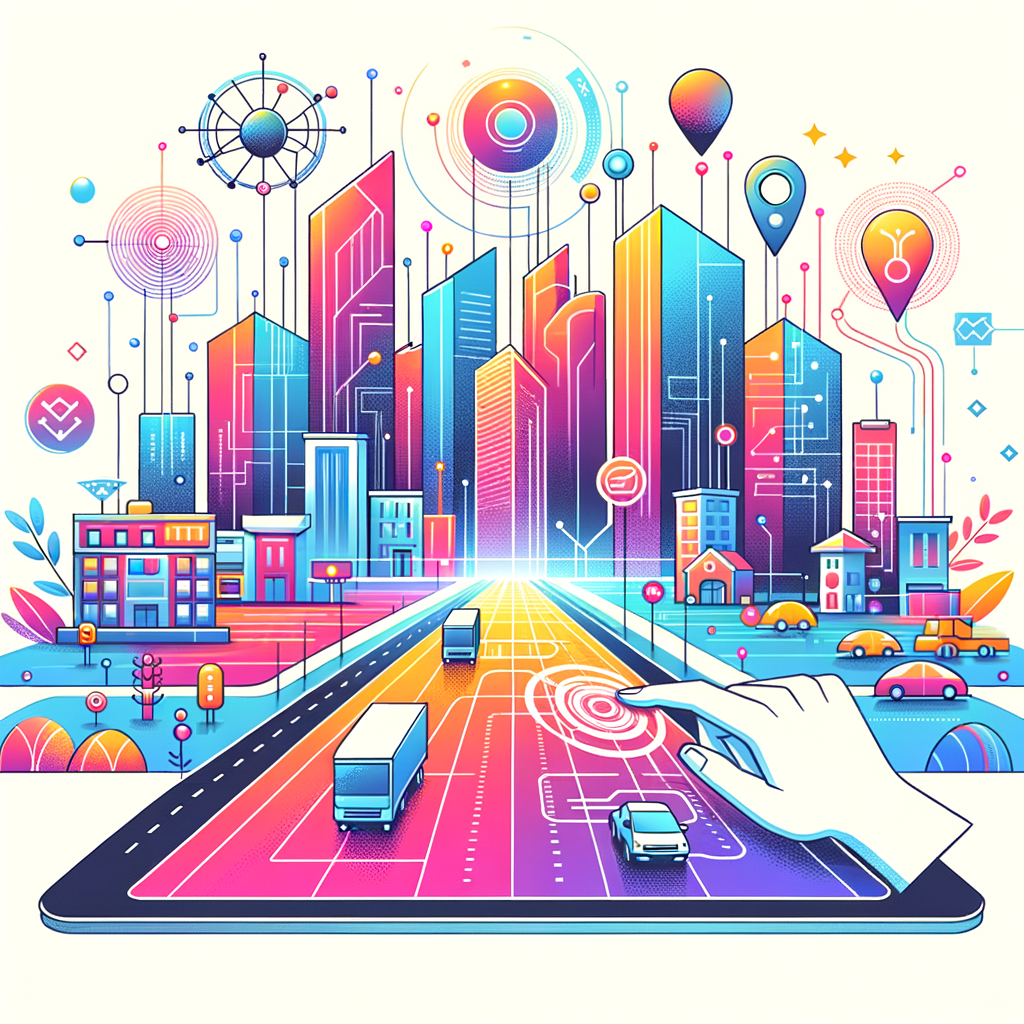
In an era where urbanization is accelerating at an unprecedented pace, the concept of smart cities emerges as a visionary framework designed to enhance the quality of urban life. By leveraging cutting-edge technologies, these cities aim to address complex challenges, ranging from sustainable development and resource management to the efficiency of public services and ensuring a high quality of life for all citizens. The term “smart cities” signifies a significant paradigm shift toward technologically enabled governance, sustainable living, and data-driven decision-making. As populations grow and resources become scarcer, the transition to smart urban centers is increasingly paramount.
Smart cities offer a new lens through which municipalities can re-envision their infrastructure and services for greater efficiency. The integration of the Internet of Things (IoT), big data analytics, artificial intelligence (AI), and renewable energy sources, among other technologies, creates a dynamic and interconnected urban environment. This shift not only helps reduce the environmental impact of urban areas but also improves the daily lives of residents by offering more responsive and user-centric services. The foundation of a smart city lies in its ability to adapt and evolve with technology, enabling cities to become more resilient to the challenges of the 21st century.
Central to the smart city framework is the seamless integration of various subsystems such as transportation, energy, health, and public safety, all enhanced by technology to improve interaction and efficiency. As these systems become smarter, they collectively contribute to the sustainability and livability of urban environments. The adoption and implementation of smart city technologies rely heavily on complex planning, robust digital infrastructure, and a vision for the future that prioritizes sustainable development and the improvement of quality of life. This introduction explores the essential concepts and technologies that lay the foundations for smart cities and how such innovations are shaping the future of urban living.
Core Technologies of Smart Cities
At the heart of smart cities are several core technologies that facilitate enhanced connectivity, service delivery, and urban management. The Internet of Things (IoT) serves as a cornerstone, enabling the connectivity of devices and sensors that generate real-time data. These IoT networks enrich the smart city ecosystem by providing critical insights into urban operations, helping reduce energy consumption, optimize traffic flow, improve waste management, and enhance public safety. For instance, IoT-enabled smart lighting systems can adapt to weather conditions and human presence, achieving substantial energy savings.
Big data analytics forms another pillar in the architecture of a smart city. The vast amount of data collected from various sensors and devices needs effective analysis for actionable insights. Through advanced data analytics, cities can monitor and predict patterns, from traffic congestion to energy usage, facilitating informed decision-making and strategic planning. Thus, big data not only enables resource optimization but also empowers local governments to proactively address urban challenges.
Artificial Intelligence (AI) significantly enhances the decision-making processes in smart cities. By employing machine learning algorithms, AI can automate tasks, improving efficiency in sectors like healthcare, public safety, and urban planning. For example, AI-driven models in healthcare can predict disease outbreaks and better manage emergency responses. Additionally, AI aids in traffic management systems by predicting congestion and suggesting alternative routes, thereby minimizing travel time and emissions.
Blockchain technology contributes to security and transparency in smart cities, particularly in terms of data management and transactions. Blockchain systems ensure secure and immutable records, essential for applications such as property registrations, identity management, and public records. This tamper-proof ledger technology enhances citizen trust and streamlines administrative processes.
Another critical component is advanced wireless communication infrastructure. 5G technology, with its high speed and low latency, enables a faster and more reliable connection among IoT devices. Enhanced network capabilities support everything from telemedicine initiatives to real-time traffic monitoring systems, bridging communication gaps and facilitating smoother service delivery. With the proliferation of connected devices in smart cities, robust and efficient network infrastructure becomes increasingly vital.
Implementing renewable energy solutions is indispensable in the smart city blueprint. Smart grids that integrate renewable energy sources like solar and wind power help cities manage their energy consumption more effectively. Through smart metering and demand response strategies, smart grids offer a dynamic way to balance supply and demand, reduce dependency on fossil fuels, and lower greenhouse gas emissions.
Smart City Solutions in Transportation and Mobility
Transportation and mobility represent a significant focus area for smart city technologies. Intelligent Transport Systems (ITS) have revolutionized urban mobility by integrating technology into transportation networks to enhance safety, reduce congestion, and improve public transport efficiency. By employing real-time data, ITS can manage traffic signals dynamically, offering significant reductions in travel time and lowering vehicle emissions through optimized traffic flow.
Autonomous vehicles (AVs), an emerging component of smart city transportation, promise to transform the urban landscape. These vehicles use a combination of sensors, cameras, and AI to navigate roads safely and efficiently. AVs can reduce human error, improve traffic management, and enhance mobility services for the elderly and disabled populations, making cities more inclusive and accessible.
Shared mobility solutions, such as bike-sharing systems and ride-hailing apps, further contribute to sustainable urban mobility by reducing reliance on personal vehicles. Integrating these services into public transport networks streamlines transit processes and reduces urban congestion and pollution.
Public transport systems have also embraced smart technologies to improve efficiency and user experience. Real-time tracking systems provide commuters with accurate arrival times, while contactless payment methods simplify fare transactions. These advancements result in increased public transit utilization and provide a viable alternative to car-centric cities.
Smart City Approaches to Sustainability and Resource Management
The success of smart cities heavily depends on their ability to manage resources sustainably. Smart waste management systems, powered by IoT sensors, track waste levels in bins and optimize collection routes based on need, decreasing operational costs and reducing the carbon footprint of waste management services. Additionally, smart water management systems, which monitor water quality and optimize distribution, ensure efficient utilization of this vital resource.
In terms of energy management, smart grids allow cities to incorporate renewable energy while maintaining high levels of reliability. The deployment of energy storage systems and microgrids enables more flexible energy distribution, supporting the transition to lower-carbon energy systems. Buildings, particularly in urban centers, can become more sustainable through smart building technologies, which integrate automated systems to control lighting, heating, and cooling, optimizing energy usage and providing healthier living environments.
Furthermore, the concept of urban greening and vertical gardens is gaining traction in smart cities. By increasing vegetation within the city environment, these initiatives improve air quality, reduce urban heat, and contribute to residents’ well-being. Through smart technology, cities can track plant health and maintain these green spaces with minimal human intervention.
Challenges and Implementations
Despite the promise of smart cities, implementations face significant challenges, personal, societal, and infrastructural. Privacy concerns arise as data collection and surveillance increase, necessitating robust data governance frameworks to protect citizens’ information and maintain public trust. Balancing privacy with utility remains a critical consideration for city planners.
The digital divide is another persistent issue. Ensuring equitable access to the benefits of smart city technologies for all residents, regardless of socioeconomic status, demands proactive policy measures and inclusive technology deployment strategies. Addressing the digital divide involves investing in digital literacy programs and subsidizing technology access for underserved communities.
On the infrastructural front, the integration of legacy systems with new technologies requires careful planning and investment. Scaling smart city solutions to accommodate growth involves continuous maintenance and upgrading of physical and digital infrastructures, necessitating significant financial resources. Cities must build partnerships with technology providers, policymakers, and the private sector to share costs and pool expertise.
Moreover, the need for legislative frameworks that support innovation while ensuring compliance with regulations adds a layer of complexity to implementation efforts. Developing these frameworks involves collaboration among governments, technology companies, and local communities to align on shared goals and priorities.
Conclusion
As the blueprint for smart cities becomes more detailed, understanding their foundations becomes vital for urban planners, policymakers, and stakeholders. The successful transformation into smart cities requires a holistic approach that integrates technology, sustainability, and community engagement. By focusing on core technologies such as IoT, big data analytics, AI, blockchain, and 5G, cities lay the foundation for seamless connectivity and efficient resource management.
Meeting the transportation needs of modern urban environments through ITS, shared mobility solutions, and autonomous vehicles helps reduce congestion and enhance accessibility. Concurrently, sustainable resource management practices, including smart grids and waste management systems, shape an environmentally friendly urban landscape. Yet, converting these plans into reality involves navigating challenges such as privacy concerns, the digital divide, infrastructure integration, and regulatory alignment.
Ultimately, the vision of smart cities focuses on creating sustainable, resilient, and inclusive urban environments where technology enhances the quality of life for all citizens. As global cities strive to adopt smart principles, they lead the way toward a more innovative, connected, and sustainable future, bringing the abstract ideals of smart cities to life.