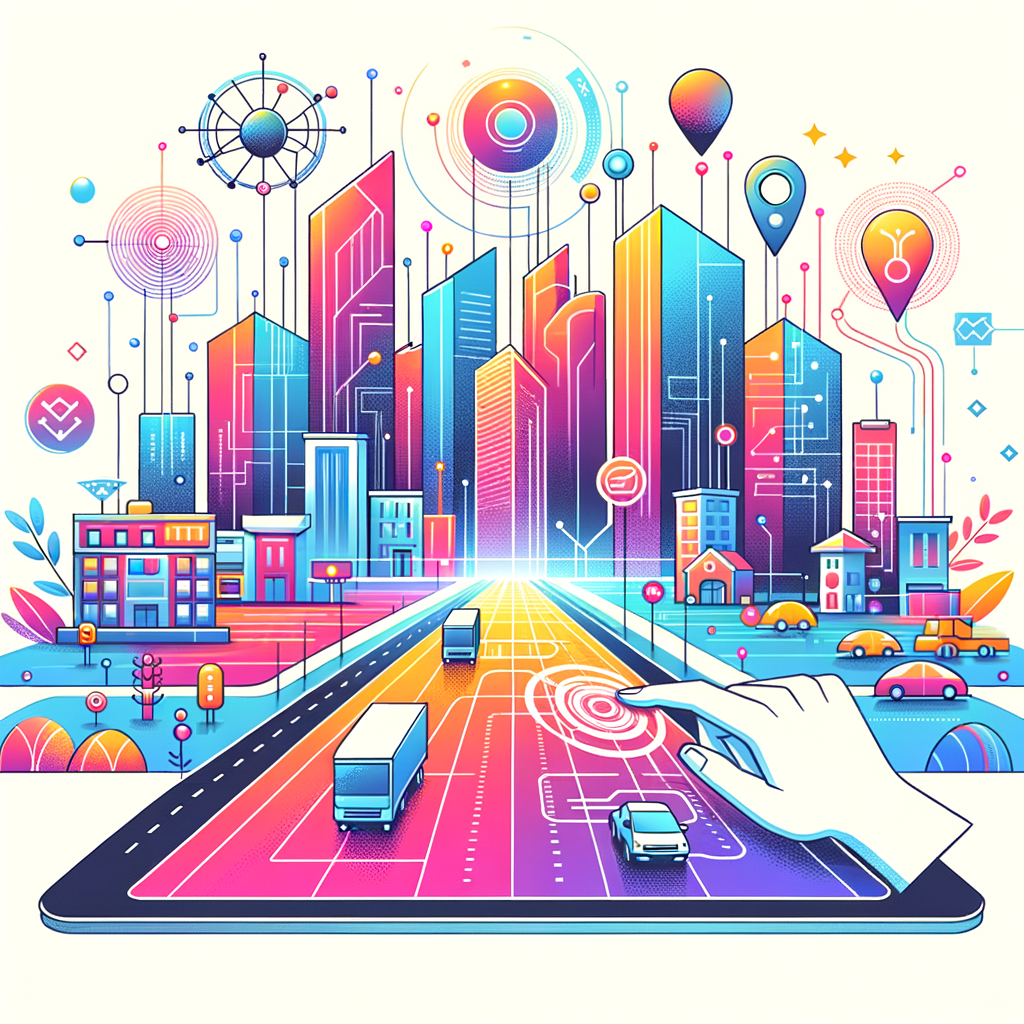
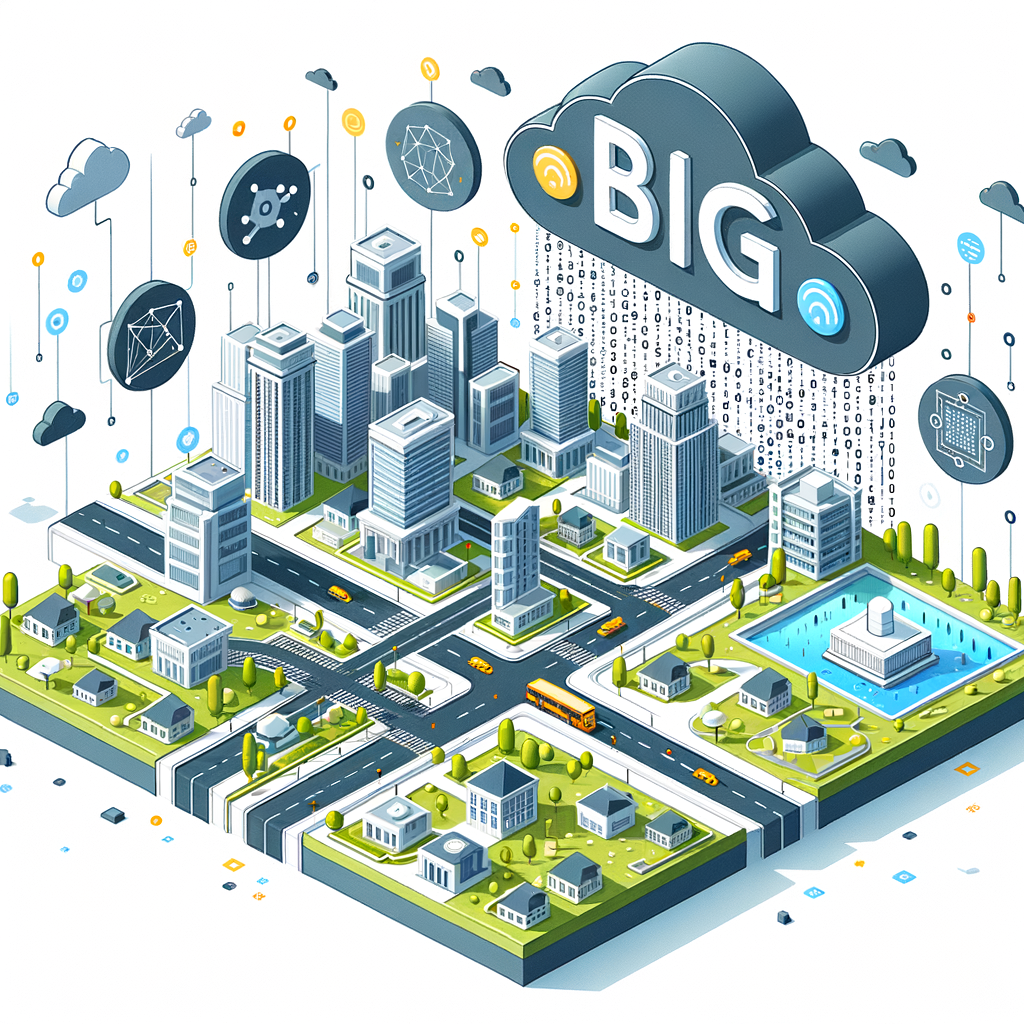
In recent years, the buzz surrounding the next technological shift has focused increasingly on the concept of smart cities. These urban areas aim to use digital technology to create more efficient, sustainable, and livable communities. As the world becomes progressively more urbanized, these smart cities are regarded as the key to ensuring sustainable development. Central to the development of these urban utopias is the deployment of 5G technology, which promises to enhance connectivity and enable a myriad of new technologies and applications. In this article, we’ll explore the role of 5G in enabling smart cities, examining how this next-generation wireless technology can transform urban landscapes through lightning-fast internet speed, vast connectivity, and reliable data transmission. The role of 5G in smart cities goes beyond mere communication enhancements, promising to support innovative applications across various domains including transportation, healthcare, public safety, and energy management. Understanding this role is crucial for urban planners, residents, and policy-makers aiming to leverage technology for societal benefits.
Smart cities require real-time communication and data processing to function effectively. With its unparalleled capabilities, 5G is set to provide the robust digital infrastructure necessary to realize the full potential of smart city technologies. Its influence is manifold, affecting various aspects of urban life through improved network performance. The development and deployment of 5G-enabled smart city applications promise to revolutionize how cities manage resources, improve quality of life, and address contemporary urban challenges. As we delve into the body of this discussion, we’ll dissect how 5G enhances smart city initiatives and the tangible benefits its integration can offer across diverse sectors. We’ll explore specific areas of impact and the inherent synergies between 5G capabilities and smart urban systems.
Integration of 5G in Smart City Infrastructure
5G technology represents a significant leap in wireless communication, characterized by enhanced capacity, reduced latency, and remarkably increased speeds compared to previous generations. This vastly improved performance facilitates seamless data transmission and supports the sophisticated infrastructure that smart cities rely on. One of the primary roles of 5G in smart cities is to serve as the digital backbone, supporting diverse IoT devices and applications that require stable and fast connections. This level of connectivity is critical, as smart cities need to integrate millions of sensors and devices, ranging from traffic lights and surveillance cameras to waste management systems and weather sensors.
The massive Machine Type Communication (mMTC) capabilities of 5G are particularly beneficial for smart cities, as they enable support for a considerable number of connected devices per square kilometer. This is essential for cities that plan to expand their future smart technology deployments. The ubiquitous, high-speed connectivity provided by 5G ensures that data collected from various sources is transmitted, analyzed, and acted upon in real-time, facilitating efficient urban management and improved decision-making processes.
Furthermore, 5G’s technical enhancements allow for ultra-reliable and low-latency communications (URLLC), enabling mission-critical applications to operate smoothly. For example, emergency response systems can benefit enormously from 5G-enabled infrastructure capable of relaying real-time data to first responders, allowing them to react swiftly and accurately to situations as they arise. The increased reliability of communication networks ensures that crucial systems are always connected and operational, even during peak demand periods or emergencies.
Enhancing Urban Mobility and Transportation
One of the most anticipated applications of 5G technology in smart cities is its impact on urban mobility and transportation. The high-speed connectivity and low latency of 5G support the development of connected and autonomous vehicles (CAVs), which rely on real-time data to safely navigate urban environments. With the ability to communicate with infrastructure and other vehicles, CAVs can reduce traffic congestion, enhance road safety, and lower emissions, leading to a more sustainable and efficient urban transport system.
Smart traffic management systems are another area where 5G can make a substantial difference. These systems use data from various sources, such as road sensors, traffic cameras, and connected vehicles, to optimize traffic flow and reduce congestion. With 5G, these systems can process and analyze data faster, allowing them to adapt to changing traffic conditions in real-time. This can result in reduced travel times, lower fuel consumption, and improved air quality.
Moreover, 5G connectivity can enhance public transportation services by providing real-time information to passengers and operators. Commuters can receive up-to-date information on schedules, delays, and route changes, improving their overall experience and encouraging the use of public transport, thus reducing the dependence on private vehicles.
Revolutionizing Urban Healthcare
5G technology also holds immense potential for transforming urban healthcare services in smart cities. The high speeds and low latency of 5G networks enable remote consultations, diagnostics, and even surgeries through telemedicine. Physicians can remotely monitor patients in real-time, providing timely interventions and improving health outcomes, especially for individuals with chronic conditions.
In addition to telemedicine, smart cities can use 5G-enabled healthcare devices to collect vast amounts of health data from city residents. This data can be analyzed to identify health trends, predict outbreaks, and develop preventative measures, ultimately leading to healthier populations. Furthermore, health services can leverage 5G networks to streamline operations, ensuring that medical resources are allocated efficiently and effectively.
5G’s role in enabling advanced robotic systems also presents exciting possibilities for urban healthcare. Advanced surgical robots connected through 5G networks can perform complex procedures with greater precision. This reduces the risk of human error and enables operations in regions with limited access to specialized healthcare professionals.
Public Safety and Emergency Services
5G technology significantly enhances public safety and emergency services in smart cities by offering reliable communication networks for first responders. The ability to transmit high-definition video and real-time data ensures that emergency personnel have access to the information they need to make informed decisions during crises.
Smart city infrastructure can leverage 5G connectivity to implement advanced surveillance systems that monitor public spaces. High-definition cameras and sensors can detect potential threats and alert authorities, enhancing public safety and security. This process is further streamlined when data is transmitted efficiently through 5G networks, allowing for rapid responses to criminal activities and accidents.
Emergency services, such as fire departments and paramedics, can also benefit from 5G-enabled technologies like augmented reality (AR) and virtual reality (VR) applications. For instance, paramedics can use AR glasses connected via 5G networks to access critical information, such as a patient’s medical history or live instructions from hospital staff, while on the scene. This connectivity ensures that first responders are better equipped to provide life-saving care in emergencies.
Energy Efficiency and Smart Grids
5G technology is set to play a crucial role in enhancing energy efficiency and enabling smart grids within smart cities. With 5G networks providing stable connections, smart grids can monitor and manage energy consumption in real-time, optimizing the distribution of energy resources while minimizing waste.
These smart grids utilize IoT devices to collect data from various points in the energy system, including power plants, substations, and end-users. With 5G’s fast data processing capabilities, smart grids can quickly analyze this information to balance supply and demand, integrate renewable energy sources, and predict future energy needs. This makes urban energy systems more resilient, sustainable, and less reliant on fossil fuels.
The application of 5G technology in energy management also extends to smart buildings, which can use connected sensors to monitor energy consumption and optimize usage. These buildings can automatically adjust lighting, heating, and cooling based on occupancy patterns, ensuring minimal energy wastage. Such innovations contribute to a greener urban environment and align with the sustainability goals of many smart cities worldwide.
Conclusion
In summary, the role of 5G in enabling smart cities is multi-faceted, supporting a broad range of applications that enhance the quality of urban life. From improving connectivity and infrastructure to revolutionizing transportation, healthcare, public safety, and energy management, 5G technology offers unprecedented opportunities to transform urban environments into more efficient, sustainable, and responsive communities. As urban planners and policymakers strive to address the challenges of growing urbanization, the synergistic relationship between 5G capabilities and smart city applications will become increasingly pivotal in driving meaningful change.
Nevertheless, realizing the full potential of 5G in smart cities requires addressing challenges such as deployment costs, regulatory issues, and cybersecurity concerns. Collaborative efforts between governments, technology providers, and residents will be essential in overcoming these hurdles and establishing smart cities that leverage 5G technologies for societal benefit. As cities worldwide continue to adopt and integrate 5G networks and applications, the path toward a smarter and more sustainable future becomes increasingly achievable.
Ultimately, the intersection of 5G technology and urbanization holds the promise of revolutionizing how cities operate and cater to their residents’ needs. By enabling seamless communication, data-driven decision-making, and efficient resource allocation, 5G technology serves as the cornerstone for the implementation and success of smart city initiatives. As we move forward, the extent to which cities harness the power of 5G will determine their ability to thrive in the face of the dynamic challenges of the 21st century.