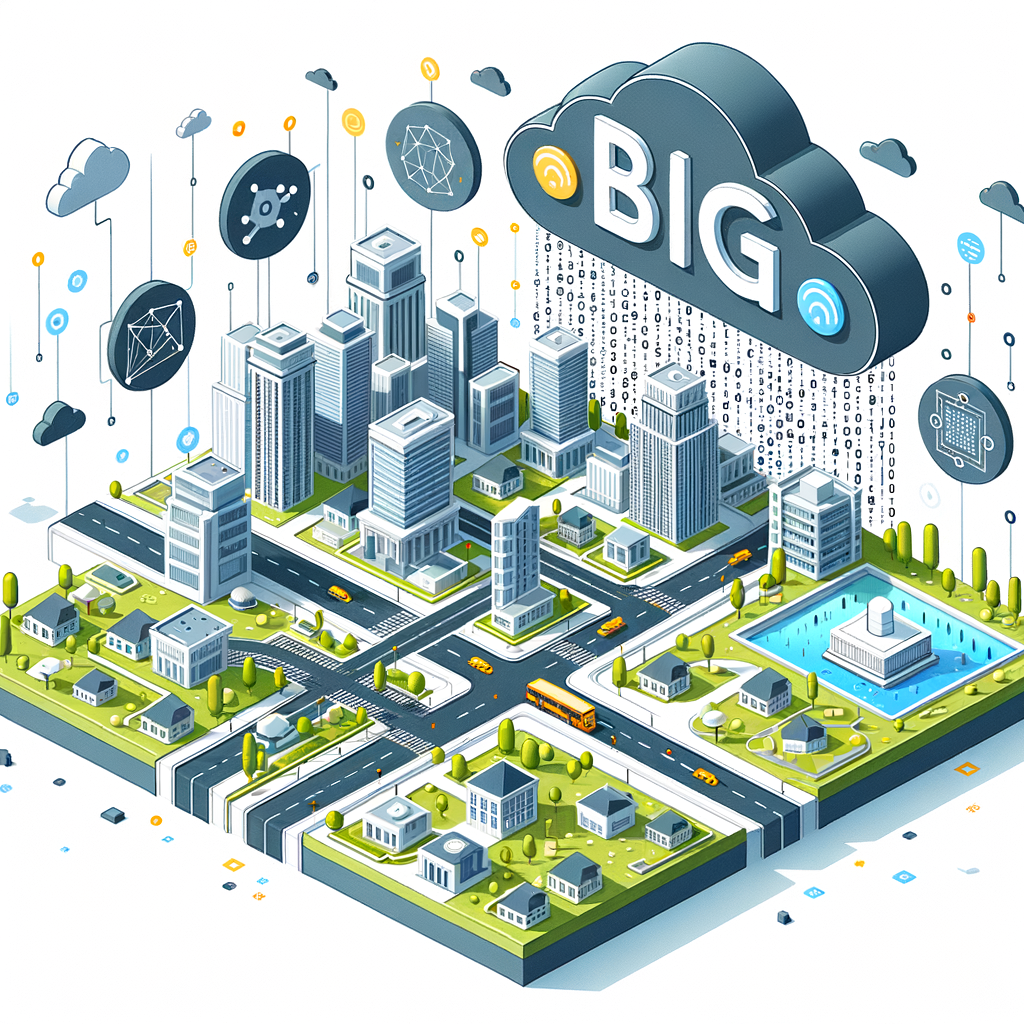
In the era of rapid technological advancement, the term “Big Data” is more than just a buzzword; it represents a paradigm shift in the way we collect, process, and utilize information. This expansive pool of data is transforming industries and sectors across the globe, and urban planning is no exception. Urban planning, traditionally rooted in a blend of environmental engineering, architecture, and governmental policy, has embraced this digital evolution to create more effective, efficient, and sustainable urban environments. The convergence of Big Data and urban planning has reshaped how cities are conceived, developed, and managed, marking a new frontier in urban development. This introduction to the impact of Big Data on urban planning examines the profound changes and opportunities presented by data-driven approaches to city development, offering a roadmap to understanding how urban planners harness data to enhance city life.
Historically, urban planners relied on limited data sources, such as census data or surveys, to make informed decisions about infrastructure, land use, and public services. The process was often time-consuming and occasionally inaccurate, depending on outdated statistics. However, with the advent of Big Data, urban planners now have access to real-time, high-volume data sets that provide a more accurate and dynamic picture of urban life. The result is well-informed decisions that can preemptively address issues ranging from traffic congestion to public safety, ultimately improving residents’ quality of life. As we delve deeper, it becomes essential to explore how Big Data has fundamentally transformed urban planning from reactive to proactive, allowing for smarter cities that cater to the needs of their inhabitants more comprehensively than ever before.
Transforming Data Collection and Analysis
Big Data has revolutionized the way data collection occurs in urban settings. Traditionally, data was collected manually or through periodic surveys, which were often labor-intensive and time-consuming. With Big Data, however, information is continuously gathered from a burgeoning array of digital sources, such as IoT devices, social media platforms, mobile applications, and sensors embedded throughout the urban environment. These technologies enable urban planners to collect vast amounts of data on various metrics like traffic patterns, energy usage, and environmental conditions in real-time, painting a comprehensive portrait of the cityscape.
The analytical capabilities driven by Big Data have also been significantly enhanced. With advanced algorithms and machine learning models, urban planners can process and analyze these massive datasets to uncover hidden patterns and correlations that were previously inaccessible. For example, by analyzing data from public transport systems, planners can identify congestion hotspots and optimize routes to improve efficiency. Additionally, machine learning models can predict future patterns based on historical data, helping planners anticipate challenges and allocate resources more effectively. This data-driven approach not only enhances efficiency but also reduces the cost of urban development and maintenance.
Improving Urban Transportation Systems
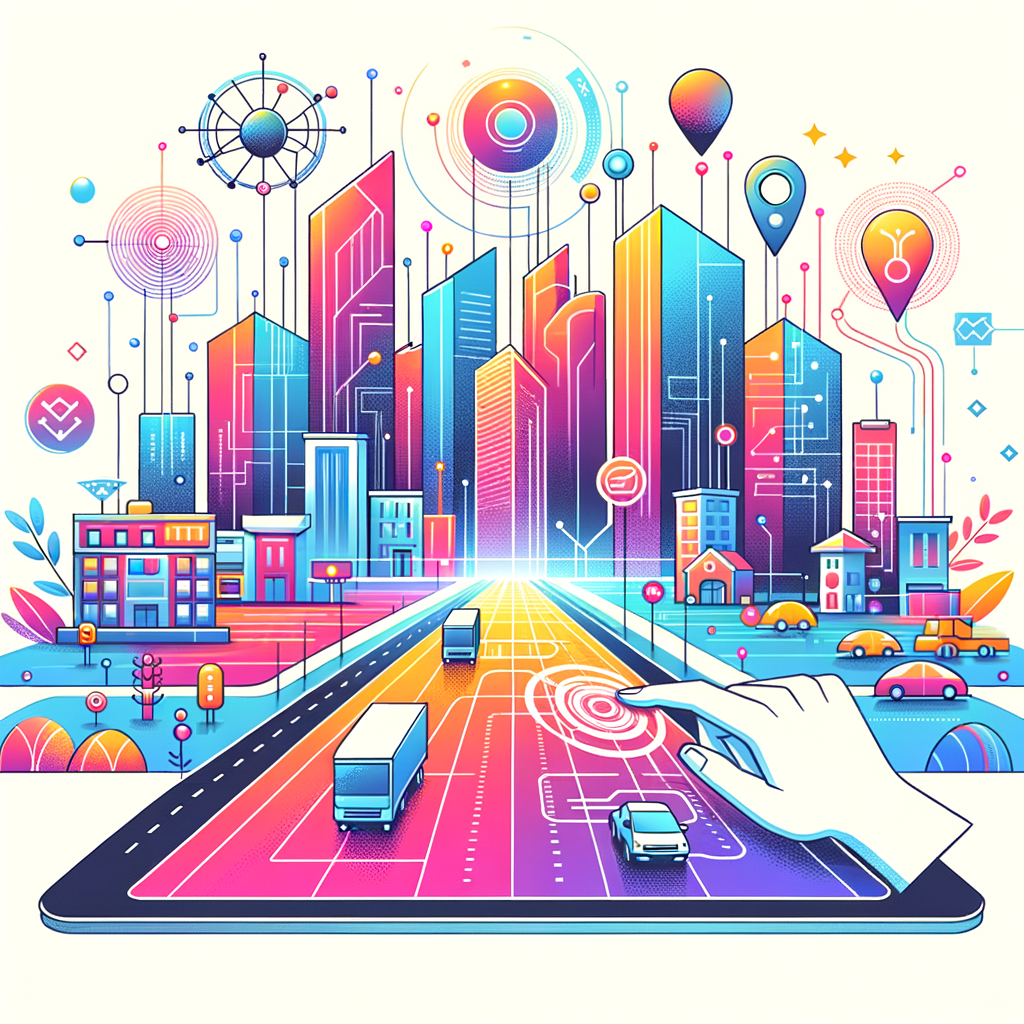
Urban transportation systems stand as a benchmark for Big Data’s transformative power. By leveraging data collected from GPS devices, mobile apps, and smart sensors, urban planners can significantly enhance the effectiveness of traffic management systems. These data sources provide insights into traffic flow, public transit usage, and pedestrian movement, which are vital for designing infrastructure that meets the needs of a city’s inhabitants.
One of the primary benefits of utilizing Big Data in transportation is the ability to develop intelligent transportation systems (ITS). These systems use data to optimize traffic signal timings, reduce congestion, and improve road safety. For instance, traffic lights equipped with sensors can adjust their schedules in real-time based on traffic conditions, leading to smoother traffic flow and reduced waiting times. Moreover, public transportation services can utilize data to optimize routes and schedules, enhancing efficiency and passenger satisfaction. Ride-sharing and e-scooter services also harness Big Data to optimize supply-and-demand balance, ensuring availability and accessibility.
Enhancing Public Safety and Security
Big Data’s integration into urban planning extends to enhancing public safety and security. Cities increasingly employ data analytics to develop proactive crime prevention strategies, improve emergency response times, and ensure residents’ safety. Through sophisticated algorithms that analyze data from various sources such as CCTV footage, social media, and emergency services, planners identify potential risks and deploy resources more effectively.
Predictive policing is an innovative application wherein data analytics help law enforcement agencies forecast crime hotspots with remarkable accuracy. This predictive approach allows for better allocation of personnel and resources, reducing both crime rates and response times. In emergency management, Big Data aids in developing comprehensive evacuation plans and resource management systems during disasters, ensuring prompt responses while minimizing chaos and potential loss of life. The capability to simulate scenarios using real data leads to better preparedness for natural disasters or security threats.
Advancing Sustainable Urban Development
As sustainability becomes a cornerstone of modern urban planning, Big Data plays a critical role in promoting environmentally-friendly development practices. With climate change and resource scarcity posing significant challenges, cities must adopt sustainable strategies to ensure long-term viability. Big Data provides the tools to monitor and analyze environmental impact, energy consumption, and resource utilization with precision and granularity.
Smart grids and energy systems illustrate how Big Data contributes to sustainability efforts. These systems use data analytics to optimize energy consumption and distribution, reducing waste and lowering carbon footprints. For example, by harnessing data from smart meters, energy providers can monitor usage patterns, predict peak demand, and adapt supply accordingly. Similarly, sustainable water management is enabled by data-driven systems that track water usage, detect leaks, and identify areas where conservation efforts should be strengthened. Urban planners can also use data to design green spaces strategically, enhancing biodiversity and improving urban microclimates, which boosts the overall quality of life.
Fostering Smart City Initiatives
The concept of smart cities represents the confluence of technology, data, and urban living, aimed at creating efficient, responsive, and sustainable urban environments. Big Data is a critical enabler of these initiatives, driving technological innovations that improve urban infrastructure and services. From automated waste management to intelligent traffic systems, smart cities employ data analytics to enhance urban living standards.
In the realm of smart cities, sensors and IoT devices collect real-time data on infrastructure conditions, climate variables, and human activities. This data feeds into centralized systems that monitor and manage city operations, ensuring optimal performance. For instance, smart waste management systems use sensors to monitor garbage levels in bins across a city, guiding collection routes to improve efficiency and reduce emissions. Similarly, smart lighting systems rely on Big Data to adjust street lamp brightness based on pedestrian traffic, cutting energy costs while maintaining safety. The proliferation of smart technologies demonstrates how data fosters innovative solutions aimed at transforming urban environments.
Boosting Economic Growth and Innovation
Big Data’s impact on urban planning also extends into stimulating economic growth and innovation. By facilitating data-driven decision-making, cities can craft economic strategies tailored to their unique attributes, fostering a conducive environment for innovation and entrepreneurship. Data analytics enable urban planners to identify growth opportunities and potential industries to target for development, ensuring that economic strategies are robust and forward-looking.
Moreover, the integration of Big Data into urban environments creates a fertile ground for startups and tech companies specializing in data analytics, IoT solutions, and urban innovations. Cities that harness Big Data present attractive propositions for businesses due to the smart infrastructure that supports new technologies. This fostered innovation not only encourages business growth but also provides employment opportunities in high-tech sectors, catalyzing overall economic development. The synergy between data and economic growth underscores the importance of data-savvy urban planning in thriving city economies.
Conclusion
In summation, the impact of Big Data on urban planning is both profound and transformative, reshaping the urban landscape as cities evolve to meet the demands of the digital age. From transportation and public safety to sustainability and smart city initiatives, Big Data has permeated every facet of urban development, providing the necessary tools to plan and manage cities more effectively. Cities adopting data-driven approaches encourage innovation, economic growth, and a higher quality of life for residents, while addressing pressing environmental and societal challenges.
The integration of Big Data into urban planning is not without its challenges, including concerns about privacy, data governance, and equitable access to technology. Nonetheless, these issues can be navigated through thoughtful policy-making, stakeholder engagement, and robust cybersecurity measures. As we stand on the brink of a new era in urban development, it remains imperative for stakeholders—government entities, urban planners, businesses, and residents— to collaborate and embrace data technology to build cities of the future that are smarter, more resilient, and more inclusive.
Ultimately, the successful utilization of Big Data in urban planning hinges on our ability to harness its potential responsibly and ethically, ensuring that urban environments grow sustainably while enhancing the quality of life for their inhabitants. As data becomes more integral to urban planning, the ongoing dialogue about its ethical use and potential will shape how cities are designed and function, establishing a legacy of innovation and improvement in the urban landscape.