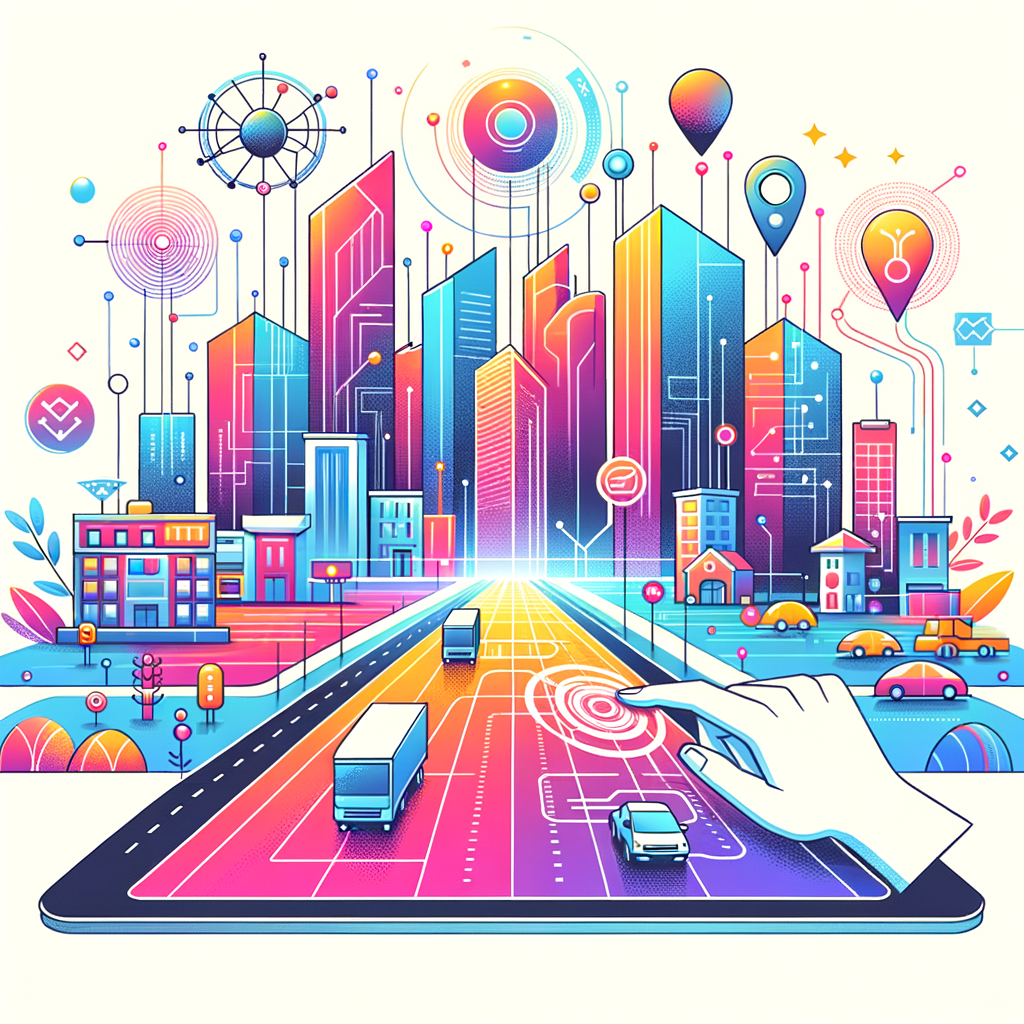
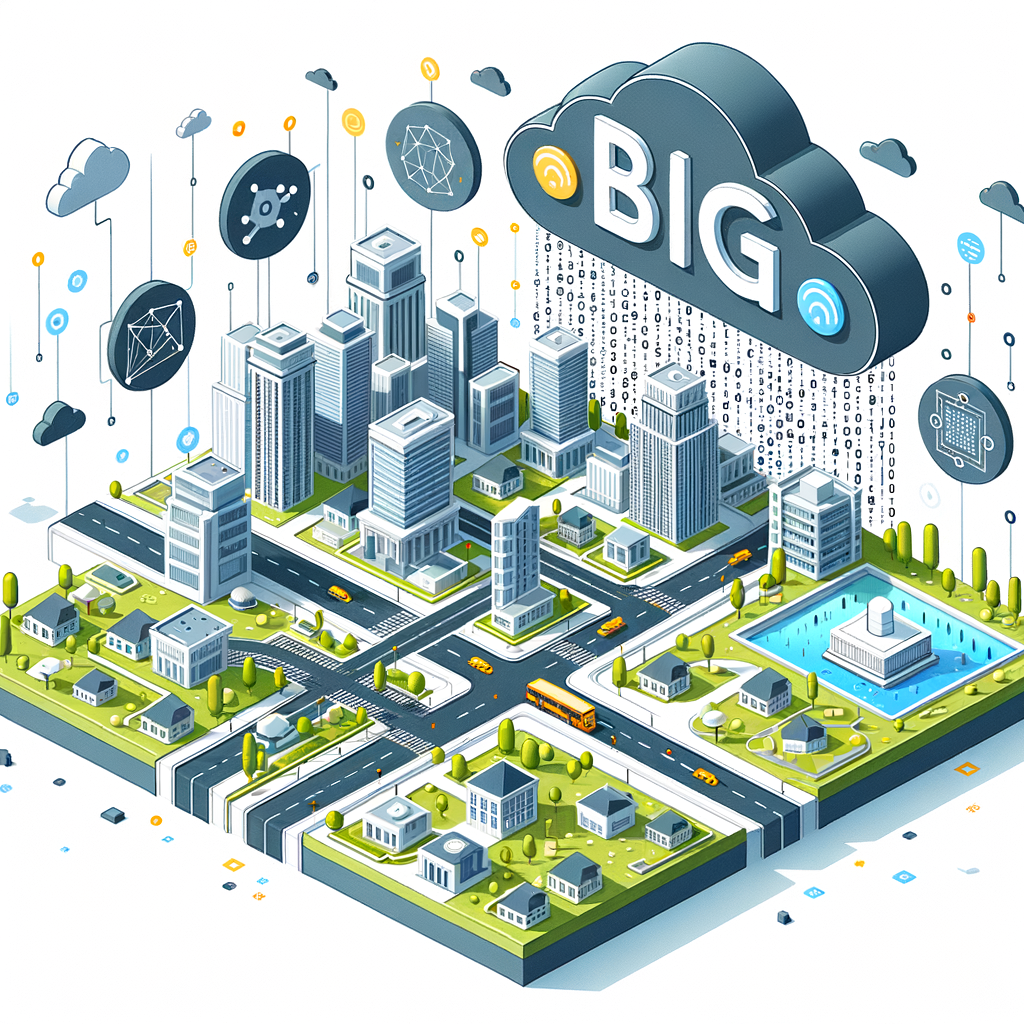
The concept of urban living is rapidly evolving, influenced by cutting-edge innovations that redefine how we interact with our environments. Among the foremost advancements spearheading this transformation is the Internet of Things (IoT). By seamlessly interlinking physical devices with digital systems, IoT is paving the way for a more connected, efficient, and sustainable urban life. This multifaceted technology stands at the forefront of modern city developments, offering solutions to challenges such as overcrowding, energy consumption, and transportation inefficiencies. As cities around the globe strive to become smarter and more sustainable, IoT emerges as a fundamental enabler, ushering urban landscapes into a new era of intelligent living. This article explores the significant ways in which IoT is transforming urban living, examining the implications on infrastructure, environmental impact, and daily life.
Urban living is not a static concept but a constantly evolving one where new tools and technologies reshape the landscape. In this ever-changing environment, IoT has carved out a pivotal role, providing innovative solutions that promise a safer, more efficient, and integrated urban experience. With the global population steadily increasing and more people migrating to cities, the importance of IoT in orchestrating urban centers that can cater to this growth cannot be overstated. By integrating diverse systems and technologies, IoT offers a vision of urban living that is not only connected but also responsive to the needs of its inhabitants. As we delve deeper, it becomes clear how IoT is an indispensable player in the transformation of urban environments, making cities more livable, efficient, and adaptable for future generations.
Enhancing Infrastructure and Public Services
One of the most significant transformations introduced by IoT in urban settings is in the realm of infrastructure. IoT-driven smart infrastructure systems are powering cities with intelligence that allows for improved management and operation of various public services. From smart street lighting to advanced waste management systems, municipalities are leveraging IoT to create more efficient urban environments. In smart lighting systems, for example, IoT enables lights to adjust their brightness based on the time of day or weather conditions, significantly reducing energy consumption and costs. Such systems can also detect faults and trigger maintenance requests automatically, ensuring a more reliable service for the inhabitants.
Additionally, IoT plays a pivotal role in enhancing transportation systems within cities. Through the use of IoT devices and data analytics, cities can optimize traffic flow, mitigate congestion, and improve public transport systems. Real-time data collected from GPS systems and sensors placed throughout road networks allows cities to analyze traffic patterns and implement dynamic traffic management strategies. As a result, journeys become quicker and more efficient, reducing pollution and enhancing the quality of life for commuters. Furthermore, IoT facilitates the integration of bike-sharing programs and electric scooter rentals, presenting sustainable transport alternatives that align with urban development goals.
Furthermore, IoT technology significantly improves water and waste management systems within urban settings. Sensor-equipped waste bins that alert waste collection services when they are full can help optimize collection routes and reduce inefficiencies. This prevents overflow issues while aiding in the design of sustainable waste disposal practices. Similarly, smart water management systems use IoT for monitoring consumption, detecting leaks, and reducing waste. These systems not only conserve vital resources but also lower operational costs for city administrations.
Promoting Sustainability and Efficiency
The sustainability credentials of IoT are extensive, offering urban planners and policy-makers tools to minimize environmental impact and optimize resource utilization. Energy efficiency is a primary focus, with IoT technologies being used to monitor and manage the power consumption of entire cities. Smart grids, complemented by IoT sensors and devices, facilitate not only the efficient distribution of electricity but also enable consumers to track their usage in real-time, encouraging more informed and responsible consumption decisions. By integrating renewable energy sources with IoT systems, cities can achieve a more balanced and sustainable energy strategy, reducing carbon footprints while meeting the growing energy demands of urban areas.
Air quality monitoring is another critical area where IoT proves invaluable. Sensors strategically placed around cities continually measure levels of pollutants, collecting data used to implement public health safeguards and environmental policies. This data-driven approach enables cities to respond proactively to pollution spikes, protecting inhabitants’ health and ensuring compliance with environmental regulations. Such comprehensive monitoring capabilities facilitate better urban planning and help in establishing zones that prioritize clean air, which is crucial for enhancing inhabitable urban spaces.
Smart buildings, interconnected through IoT, exemplify how urban living can be more sustainable. These buildings utilize systems that automatically adjust lighting and temperature based on occupancy and external conditions, making them more energy-efficient and occupant-friendly. Additionally, smart buildings provide real-time data that can be used to optimize space utilization, ensuring that urban density and resource use are balanced effectively. The cumulative effect of such technologies contributes to making urban spaces greener and more sustainable.
Enhancing Quality of Life and Safety
IoT significantly enhances the quality of life in urban environments by making daily living more comfortable, efficient, and personalized. The integration of IoT in smart homes is a testament to this transformation. These homes utilize IoT devices to automate various tasks, such as remotely controlling household appliances, adjusting climate settings, and managing energy use. This automation leads to a more convenient living experience where time and resources are optimized. Additionally, through IoT, residents can enjoy enhanced security systems that provide real-time surveillance and alerts, contributing to increased safety and peace of mind.
On a broader scale, IoT is transforming urban life by fostering community engagement and interaction. In smart cities, IoT facilitates platforms that allow residents and city administrations to communicate seamlessly. Open data initiatives enabled by IoT technologies empower citizens to engage actively in decision-making processes, ranging from public policy to urban development projects. Such inclusiveness fosters a sense of community and ensures that urban developments align closely with the needs and preferences of the population.
In terms of safety, IoT technologies contribute significantly to emergency response and disaster management in urban areas. IoT systems can monitor urban conditions in real-time, providing critical data during emergencies such as natural disasters or public safety threats. For example, IoT-based early warning systems can detect earthquakes or floods, giving city authorities and residents crucial time to initiate evacuations and other safety measures. This capability minimizes the impact of disasters, protecting both lives and infrastructures.
Challenges and Future Prospects
Despite the significant advancements facilitated by IoT, certain challenges remain in implementing these technologies across urban environments. One of the primary challenges is ensuring privacy and security, given the vast amounts of data collected by IoT devices. Protecting this data from breaches and ensuring that it is used ethically is a crucial concern for urban planners and policy-makers. Moreover, the integration of IoT in legacy infrastructure requires substantial investment and often necessitates redesigns of existing systems to accommodate new technologies.
However, the future prospects of IoT in urban living remain promising. Advances in artificial intelligence and machine learning promise to enhance the capabilities of IoT systems, driving further innovation in areas such as predictive maintenance, energy efficiency, and autonomous mobility. As technologies evolve, the potential for more personalized and efficient urban solutions continues to grow. Furthermore, collaborative efforts between technology providers, governments, and citizens can help overcome existing barriers, paving the way for even broader deployment of IoT solutions across cities worldwide.
As we look ahead, IoT stands to be a bedrock of future urban development. With continuous technological advancements and a growing focus on sustainability and efficiency, IoT is expected to usher in smarter, safer, and more sustainable cities that cater to the diverse needs of their inhabitants. The continued innovation and integration of IoT in urban settings will undoubtedly redefine what it means to live in modern cities, offering a glimpse into a future where technology and urban life are seamlessly interwoven.
Conclusion
In conclusion, IoT is revolutionizing urban living by providing innovative solutions that enhance infrastructure, promote sustainability, and improve overall quality of life. Through the intelligent integration of systems and devices, IoT enables cities to manage resources more efficiently, optimize public services, and foster a deeper sense of community engagement. The transformation brought about by IoT not only addresses the pressing challenges of urban living, such as overcrowding and environmental concerns, but it also sets the stage for future developments that prioritize smart, sustainable, and livable urban environments.
The impact of IoT on urban settings is profound, offering a template for how cities can evolve to meet the demands of a growing population while maintaining a commitment to sustainability and efficient resource use. As cities continue to adapt to the digital age, IoT serves as a critical tool for ensuring that urban developments align with the needs of their residents, paving the way for a more connected and responsive urban experience.
As we move forward, embracing the opportunities presented by IoT technologies while addressing the challenges they pose will be essential for shaping the future of urban living. By investing in IoT, cities can build a foundation for resilience and adaptability, fostering environments where technology enhances our lives and supports sustainable development goals. The ongoing evolution of IoT will undoubtedly play a pivotal role in crafting the urban landscapes of tomorrow, offering innovative pathways to smarter and more sustainable cities worldwide.