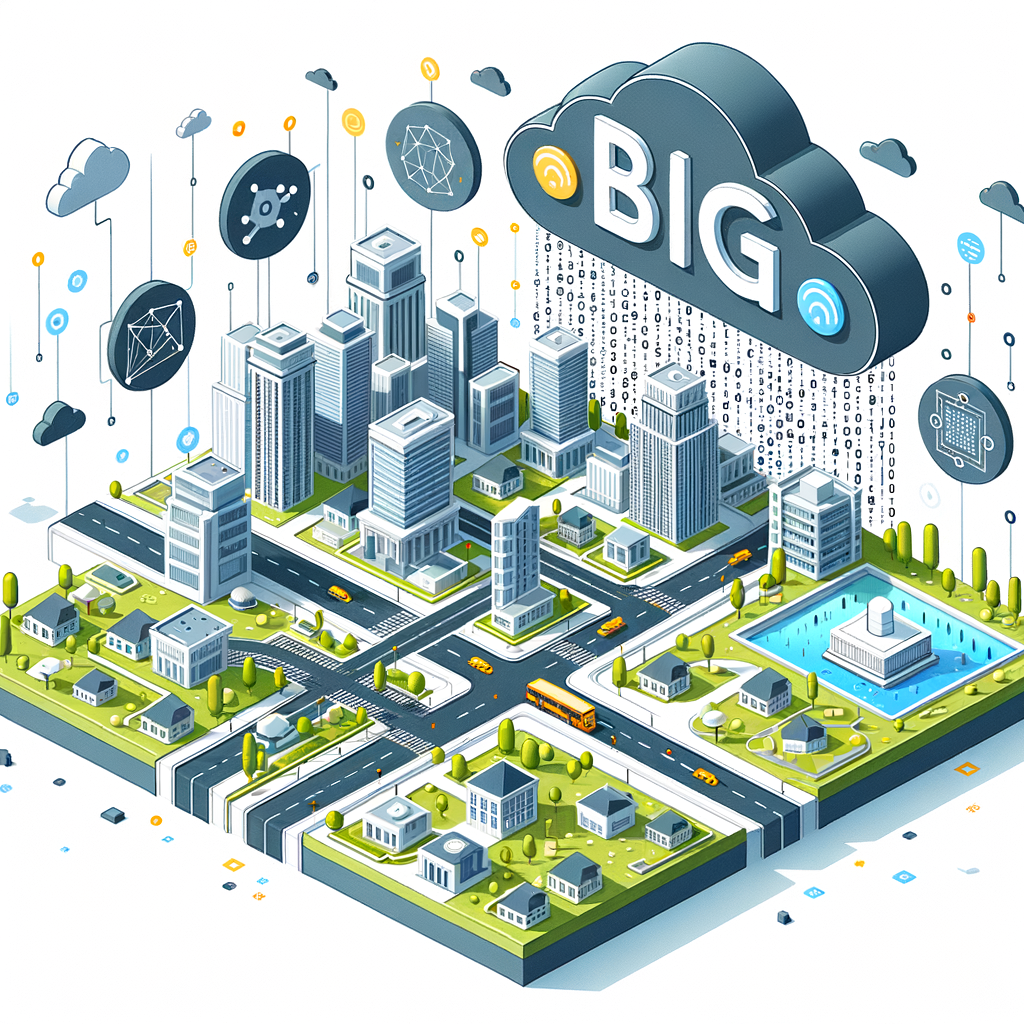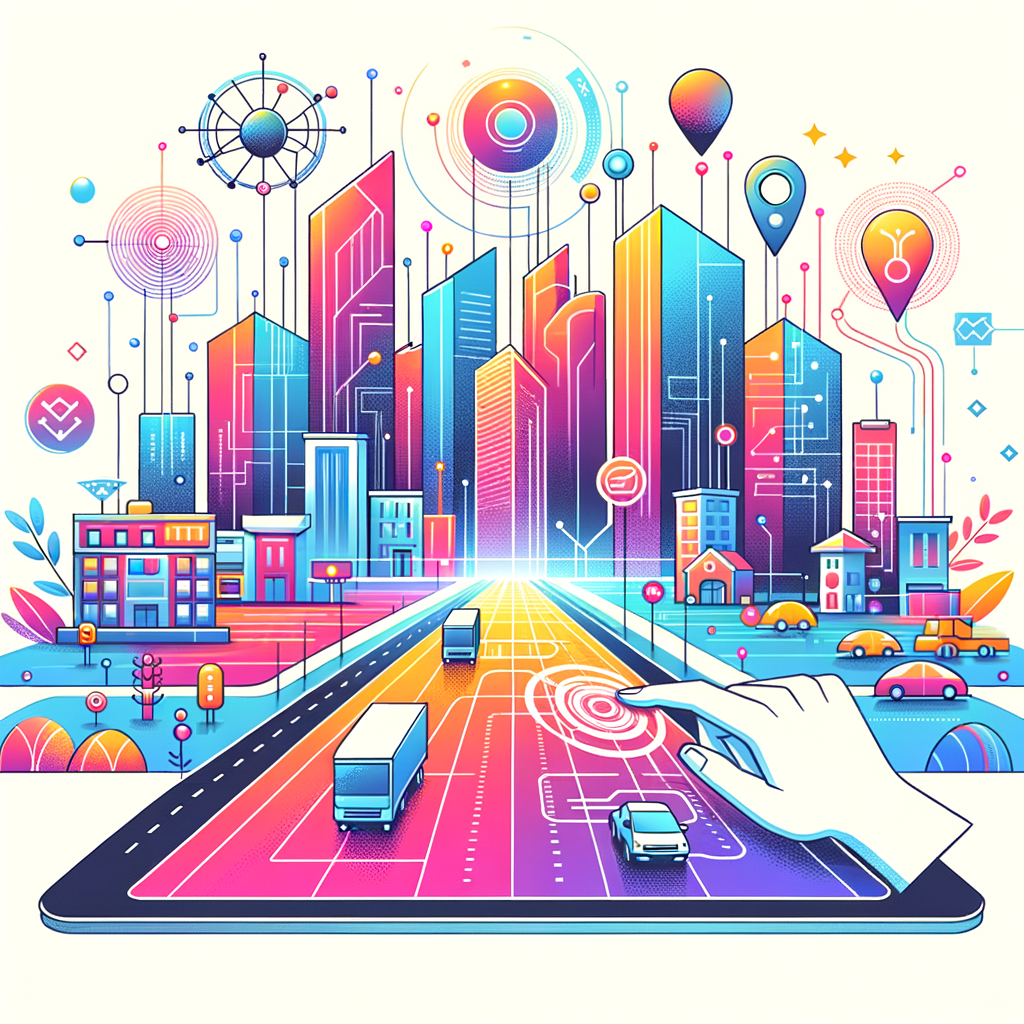
In today’s fast-evolving technological landscape, one phenomenon garners significant attention: the role of Artificial Intelligence (AI) in shaping smart cities. With rapid urbanization leading to burgeoning population densities in cities worldwide, there arises a need for innovative solutions to manage resources, improve infrastructure, and enhance the quality of life for citizens. Enter Smart Cities—urban areas that employ technology to efficiently manage and utilize resources, provide robust connectivity, and improve residents’ living standards. At the core of this transformation is Artificial Intelligence. In fact, AI is crucial for processing the vast amounts of data generated by smart devices, enabling real-time responses, and eventually developing predictive models that enhance urban living. Recognizing the potential of AI in smart cities is essential, as it offers a way to address pressing urban challenges such as traffic congestion, energy consumption, and public safety. The intertwining of AI and smart cities represents not just an innovative use of technology but an essential move towards sustainable urban living, promising a future where cities become more liveable, efficient, and resilient to the demands of modern life.
As policymakers, urban planners, and technologists envision the future of urban spaces, AI stands out as a pivotal enabler in the quest for intelligent urban environments. From smart traffic management systems that adapt to real-time conditions to energy-efficient smart grids, and even intelligent waste management systems—AI-driven innovations are fundamentally reshaping the concept of city experiences. Beyond operational efficiencies, AI in smart cities proposes transformative societal benefits: creating safer communities, enhancing citizen engagement, and fostering economic opportunities through emerging technologies. Ultimately, the fusion of AI with smart city concepts serves as a beacon for the next wave of urban evolution, paving the way for cities that are not just smarter, but more responsive and attuned to their inhabitants’ needs.
Body
Smart City Infrastructure and AI Integration
Artificial Intelligence significantly impacts smart city infrastructure, streamlining operations and enhancing stability. Infrastructure such as transportation, waste management, and water supply benefits greatly from AI integration, with AI-powered systems enabling predictive maintenance, congestion reduction, and resource optimization. Smart transportation systems, for instance, leverage AI to process data from connected vehicles and sensors, recalibrating traffic signals in real-time to ease traffic flow and reduce peak time congestion. This facilitates more efficient transit routes, ensuring a smoother flow for passengers and goods.
Similarly, smart waste management systems use AI to optimize waste collection schedules and routes, analyzing data to predict bin fill levels and reduce operational costs while minimizing environmental impact. These systems employ machine learning algorithms to detect patterns and trends, ensuring efficient resource utilization and reducing the city’s carbon footprint. Water management systems also benefit, with AI-enhanced analytics enabling early detection of leaks and breaks, facilitating water conservation efforts. AI’s integration is proving indispensable in building robust, adaptive, and sustainable infrastructure networks necessary for future urban landscapes.
Energy Management and AI
In energy management, AI plays a critical role in optimizing consumption and distribution within smart cities. Smart energy grids augmented with AI can balance supply and demand more effectively, preventing outages and enhancing grid stability. By analyzing consumption trends, AI systems anticipate peak demand periods and adjust energy distribution accordingly, ensuring optimal usage and cost. Advanced AI algorithms also manage renewable energy sources effectively, maximizing their integration into the grid and helping cities reduce reliance on fossil fuels.
Moreover, AI-driven predictive analytics forecast energy needs and suggest real-time adjustments, reducing wastage and promoting sustainability. For instance, smart meters equipped with AI capabilities enable consumers to monitor energy usage patterns in real-time, empowering them to make informed decisions to conserve energy and reduce costs. On a larger scale, AI systems assist cities in decarbonization efforts, helping track emissions and suggesting efficient mitigation strategies. As urban areas grow in size and complexity, the reliance on intelligent energy management systems driven by AI will be crucial in meeting future energy challenges head-on—and in doing so, maintaining environmental balance.
Public Safety and AI Technologies
In the realm of public safety, AI technologies lend a significant advantage to smart cities. AI-powered surveillance systems employ advanced image and pattern recognition technologies to enhance security measures, identifying potential threats and anomalies in real-time. These systems can automatically alert relevant authorities to potential hazards, playing a critical role in crime prevention and response. Additionally, AI helps emergency services optimize response times by providing real-time data analysis and resource allocation, thereby increasing the efficiency of services such as fire, police, and medical response teams.
AI’s capabilities extend beyond surveillance, playing a pivotal role in disaster management and preparedness. Through predictive modeling, AI platforms analyze environmental data to forecast natural disasters such as floods or earthquakes, giving cities precious lead time to deploy preventive measures, mitigate damage, and evacuate residents if necessary. AI’s role is imperative in managing public health as it analyzes vast data to identify potential outbreaks or public health threats, assisting in efficient resource allocation and response coordination. With these advancements, AI imbues smart cities with unprecedented capabilities for protecting citizens and enhancing overall public safety.
Citizen Engagement and Services Enhancement
AI’s utility in engaging citizens and enhancing public services is another remarkable facet of its contribution to smart cities. AI-assisted platforms provide confidential communication channels for citizens to report concerns and receive real-time feedback. This fosters an interactive governmental environment, heightening citizen participation and accountability. AI chatbots and virtual assistants within city services further assist residents by answering queries, handling requests, and delivering important updates efficiently and accurately, enhancing the overall citizen experience.
The application of AI extends to personalized urban services, tailoring offerings to individual preferences. AI systems analyze data to identify patterns in service demand, optimizing everything from public transport schedules to healthcare appointments. This personalized approach increases accessibility, saves time, and improves service efficiency by prioritizing needs dynamically. Moreover, AI contributes to greater transparency in civic processes and governance by providing interpretative insights on data trends, facilitating informed policymaking. Thus, AI not only deepens citizen engagement but represents a progressive leap in service delivery, empowering residents, and improving their quality of life.
Economic Implications and AI-Driven Growth
The economic implications of AI in smart cities are profound. AI innovation fosters new business models and entrepreneurial ventures, leveraging data analytics and intelligent processing capabilities. These technologies drive economic growth by creating new markets, boosting productivity, and facilitating the creation of smart city ecosystems that attract skilled talent and investment. Businesses capitalize on AI’s ability to facilitate operational optimization, reduce costs, and create value-added services, enabling them to remain competitive in an evolving marketplace.
AI also fosters workforce transformation by creating opportunities for upskilling and reskilling, enabling personnel to adapt to technologically advanced roles. While AI-driven automation may displace some jobs, new AI-centric roles emerge that utilize human creativity and problem-solving skills. Additionally, AI systems develop smarter supply chains and logistics networks, promoting agile and resilient economies capable of withstanding global disruptions.
Indeed, AI’s influence on the urban economic landscape is multifaceted, stimulating growth and diversification while helping cities address complex challenges such as resource allocation, energy management, and public safety. As smart cities continue to evolve, AI’s economic significance promises to extend beyond immediate benefits, providing a consistent foundation for sustained innovation and prosperity.
Conclusion
The integration of Artificial Intelligence in smart cities heralds a new era of urban evolution, inspiring a vision where technology and connectivity seamlessly converge to elevate urban living standards. Across every dimension of city planning and management—from infrastructure optimization and energy management to public safety and civic engagement—AI provides transformative tools and insights that promote efficiency, sustainability, and resilience. In navigating the complexities of urbanization, AI emerges not merely as a tool but as a vital partner in crafting cities that respond dynamically to the needs of their citizens.
As smart cities continue to proliferate globally, the significance of AI’s role becomes even more pronounced. It presents both opportunities and responsibilities to harness its power responsibly and ethically. Although challenges such as data privacy, cybersecurity, and equitable access to technology must be addressed, the potential benefits of AI-driven smart cities are undeniable. They promise to not just meet current urban demands but cultivate future-ready environments that are adaptive, inclusive, and sustainable. As the world marches forward technologically, AI stands poised as the linchpin of the smart city vision; a declaration of an intelligent, sustainable urban future that values innovation and enhances human experiences.