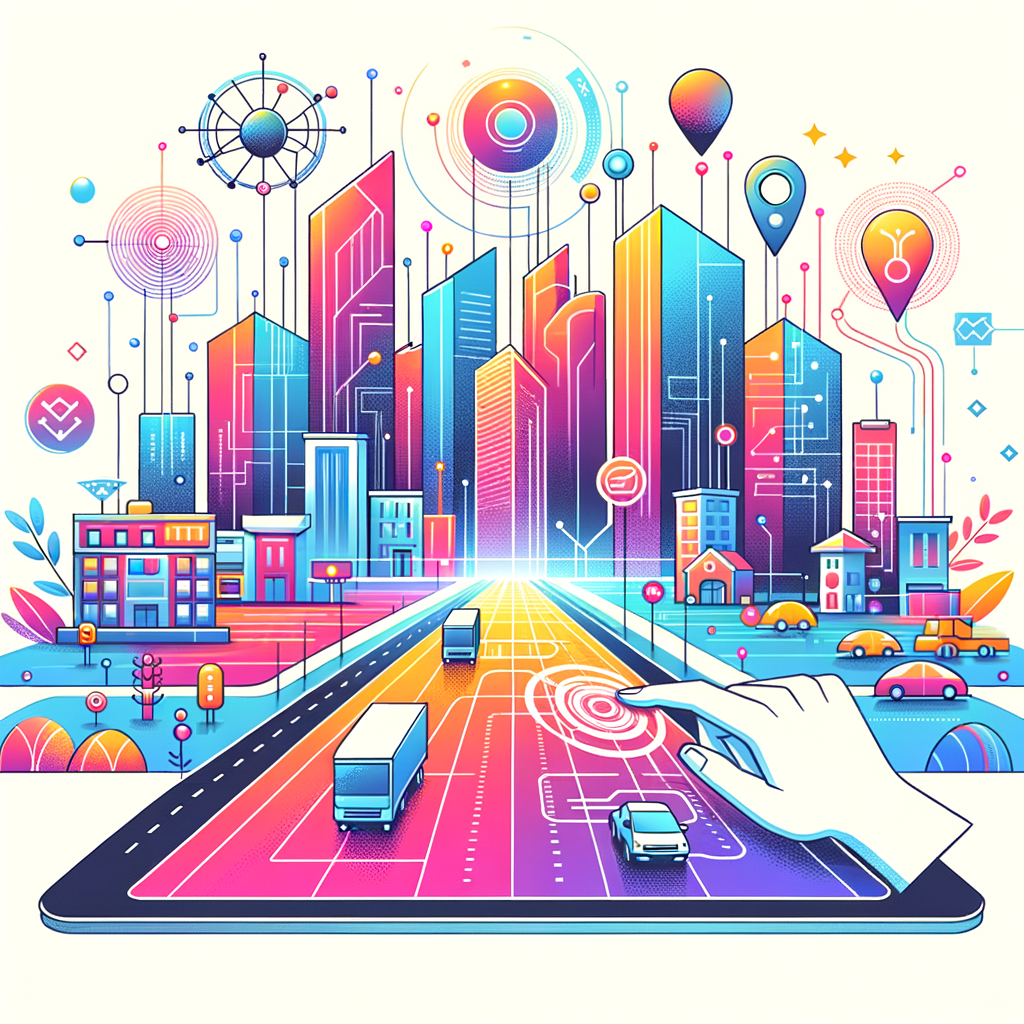
Urban mobility is at the forefront of numerous discussions on how cities are evolving to accommodate a growing population. In our quest for sustainable living, smart transportation systems have emerged as a pivotal solution. They hold the promise of transforming how we navigate cities, emphasizing efficiency, safety, and environmental friendliness. As cities expand and become more densely populated, the strains on existing transportation infrastructures become apparent. The aim is not just to alleviate congestion but to revolutionize the way people think about commuting. By leveraging technology and adopting smart strategies, cities worldwide are looking to perfect the art of transit.
Smart transportation systems are the culmination of technological advancements in sensors, data analytics, and connectivity, all designed to enhance the urban transport landscape. They stem from the need for a more integrated approach to movement, where vehicles, infrastructure, and users work in tandem to create seamless travel experiences. Such systems are expected to reduce commute times, minimize environmental impact, and increase the overall quality of life for city dwellers. This article explores the various components and benefits of smart transportation systems, the challenges they face, and the potential future they hold for urban mobility.
Components of Smart Transportation Systems
Smart transportation systems consist of various technologies and strategies integrated to optimize traffic flow, enhance safety, and deliver environmental benefits. Central to these systems are the Internet of Things (IoT), Artificial Intelligence (AI), and Big Data. These technologies combine to give us the tools needed to analyze real-time information, predict trends, and optimize transit operations.
The foundational layer of smart transportation is sensor technology. Sensors are embedded throughout transportation networks, from traffic lights to buses, to collect data. With the help of IoT, these sensors communicate with each other and centralized systems to provide a comprehensive overview of transit conditions. This data serves as the backbone for intelligent traffic management systems that adjust signals in real-time, reducing bottlenecks and promoting fluid traffic flow.
Another essential component is AI, which processes and analyzes the enormous amount of data collected. AI can identify patterns, predict traffic congestion, and suggest alternative routes. Through machine learning, AI-driven systems become smarter over time, continually improving their accuracy and efficiency.
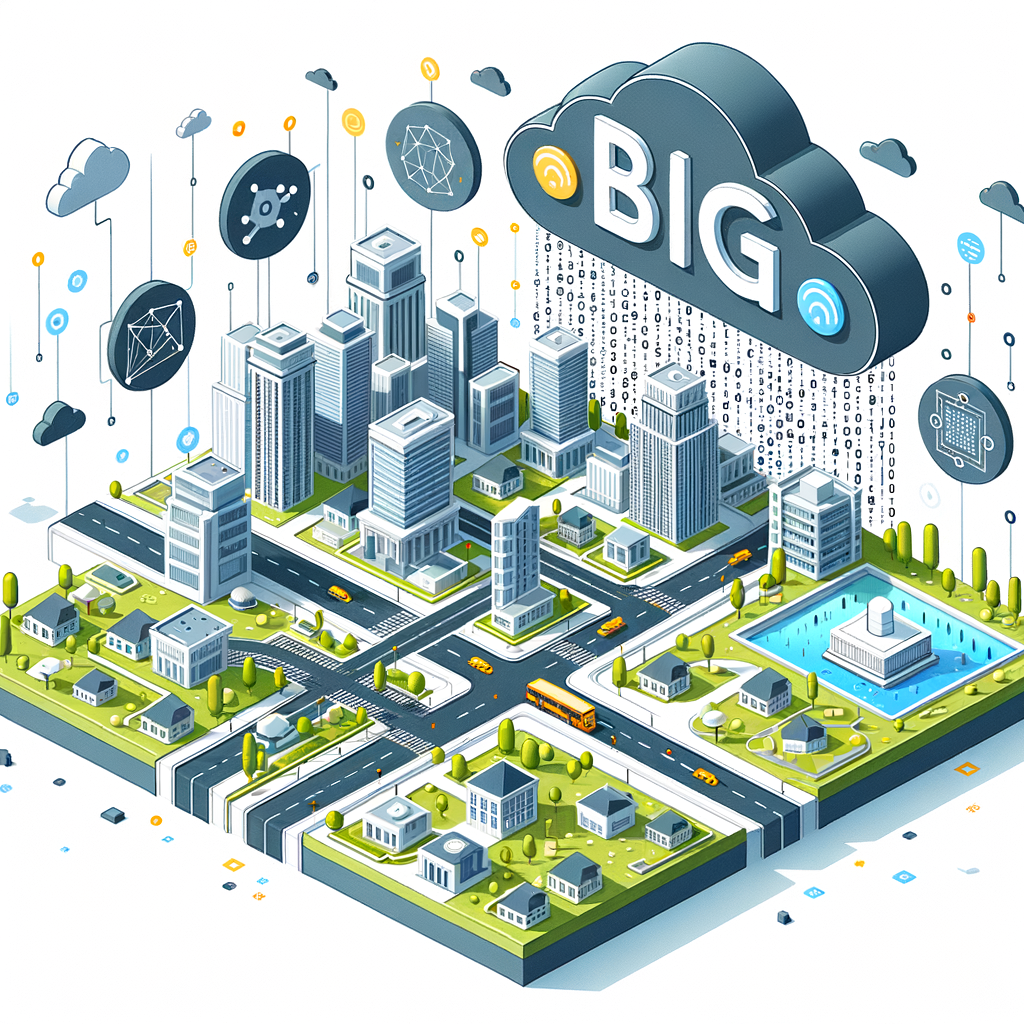
Big Data plays a crucial role by enabling the processing and analysis of large volumes of information. It forms the basis for decisions made by smart transportation systems, guiding infrastructure improvements, policy decisions, and operational strategies. Developing efficient models for transit demand management is possible thanks to the insights derived from Big Data analytics.
Apart from the technological aspects, smart transportation involves the implementation of infrastructure capable of supporting these advanced systems. Governments and private enterprises work in unison to upgrade existing facilities or construct new ones, such as fiber optic networks and smart grids, to sustain data transfer and energy demands.
Benefits of Smart Transportation Systems
The introduction of smart transportation systems offers multiple advantages concerning urban mobility. Perhaps the most obvious benefit is the reduction of traffic congestion. By utilizing real-time data, these systems can optimize traffic signals and public transit schedules, thus minimizing idling time and improving overall flow. This efficiency translates into shorter commute times for everyone, improving productivity and reducing stress levels for daily travelers.
In addition to improving traffic flow, smart transportation systems also enhance safety for drivers and pedestrians alike. Advanced driver assistance systems (ADAS), powered by AI, offer features such as collision detection, lane-keeping, and adaptive cruise control. These systems help in minimizing accidents and facilitating safer roads. Moreover, pedestrian and cyclist safety features are integrated, ensuring all forms of transport coexist harmoniously.
The environmental benefits are also significant. Smart transportation systems contribute to reduced emissions due to optimized traffic flow and integration with electric vehicles and renewable energy sources. The promotion of eco-friendly transport options, such as biking or public transit, further reduces the carbon footprint of urban commutes.
Furthermore, smart systems support economic growth by decreasing transportation costs and making cities more attractive to new businesses and residents. The ease of moving goods and people through smart logistics systems ensures a more efficient supply chain, appealing to businesses considering urban expansion.
Challenges in Implementing Smart Transportation
Despite their many advantages, the implementation of smart transportation systems is not without challenges. High upfront costs can deter municipalities from investing in the necessary infrastructure upgrades and technology integrations. Budget constraints may lead to hesitation, despite the long-term benefits these systems promise.
Security concerns also arise with smart transportation systems. As more data is collected and transmitted, the potential for cyberattacks grows. Ensuring the integrity and confidentiality of information is crucial for maintaining public trust in these systems.
The integration of new technologies with existing infrastructures presents another challenge. Legacy systems need upgrading or replacement to achieve full interoperability. Coordination among various stakeholders like government agencies, tech companies, and transportation providers is necessary for successful implementation.
Additionally, public receptivity and awareness may also hinder progress. People may be wary of autonomous systems or unwilling to trust AI-driven decision-making processes. Effective communication and demonstration of smart transportation benefits must be prioritized to garner public interest and acceptance.
The Future of Urban Mobility
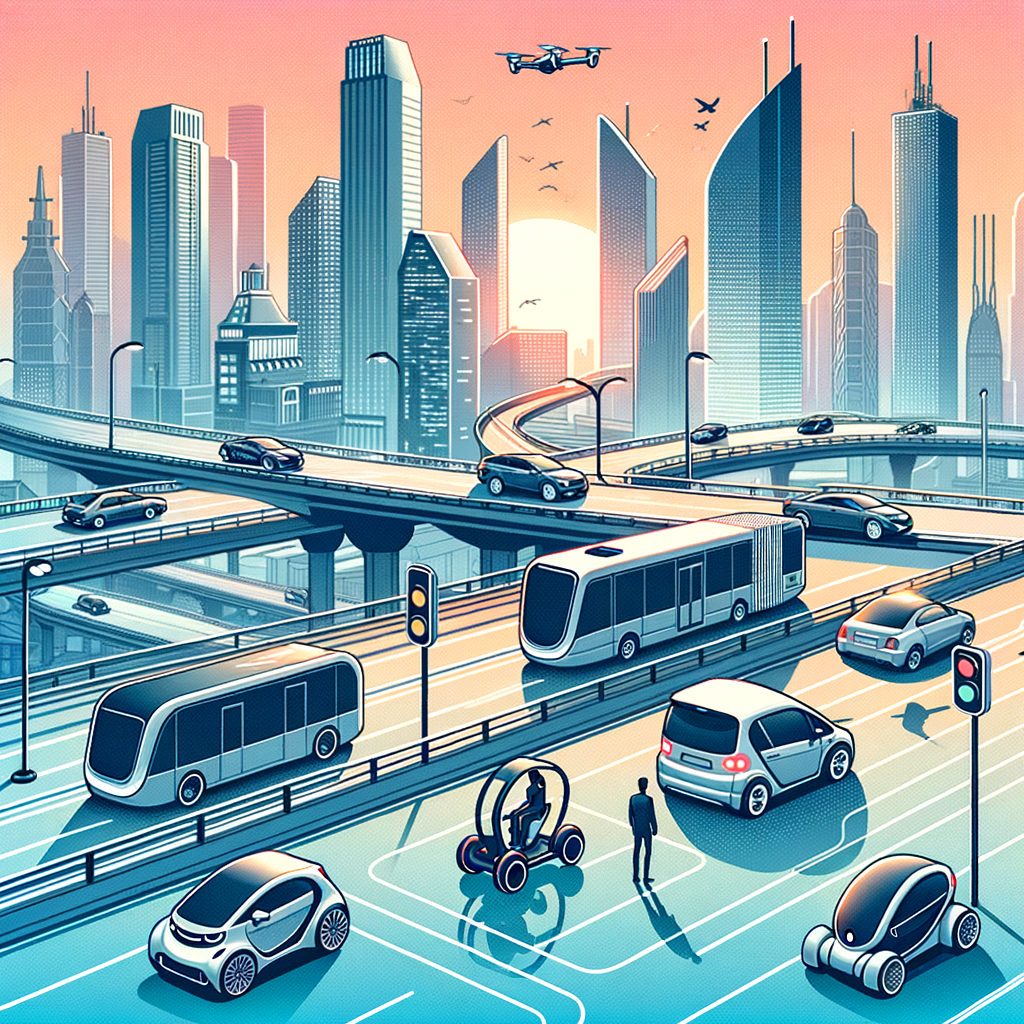
The future of urban mobility is bright, driven by the continuous evolution of smart transportation systems. As technology progresses, we can anticipate the wider adoption of autonomous vehicles, which will revolutionize commuting and delivery services. These self-driving cars promise to reduce accidents and make transport accessible to those unable to drive themselves.
In addition, multimodal transport systems will become commonplace, offering seamless transitions between different modes of transportation in a single journey. Apps that integrate all available transit options—from e-scooters to subways to ridesharing—will provide the user with the most efficient path in terms of time and cost.
Further development of smart city initiatives will bolster efforts to equip urban areas with sustainable and resilient transport infrastructure. Integration of renewable energy sources with transport networks will make zero-emission cities achievable in the not-so-distant future.
Finally, enhanced data analytics and AI capabilities will support proactive, rather than reactive, management of traffic and infrastructure. Predictive models will enable cities to make strategic developments in anticipation of population growth and evolving needs, ensuring that transportation systems remain efficient and effective.
Conclusion
The prospect of smart transportation systems transforming urban mobility holds great promise for cities worldwide. By addressing the challenges associated with traditional transportation networks, these systems ensure safer, more efficient, and more sustainable city living. As technology continues to advance, and cities become more interconnected, the opportunities to improve urban mobility will only expand.
The implementation of smart transportation systems is not merely a vision of a distant future but an attainable reality. Overcoming barriers, such as technological integration and public apprehension, will require collaborative efforts and continued investment in innovative solutions. Cities embracing this progress will set the standards for next-generation transportation, redefining urban living for the better.
By effectively leveraging the power of IoT, AI, and Big Data, smart transportation systems pave the way for cities to provide seamless, integrated commutes that enhance life quality and promote sustainable growth. As urban centers adapt to the evolving needs of their inhabitants, these intelligent systems will play a pivotal role in shaping the cities of tomorrow.
Ultimately, the transition to smart transportation is not just about improving travel but about ensuring that the entire urban fabric evolves to support a more connected, efficient, and humane way of life. As stakeholders work together to make these advancements a reality, smart transportation systems will redefine how we experience our cities and how our cities, in turn, reciprocate by making our daily lives easier, safer, and more vibrant.
With these systems taking root, the journey towards smarter commuting solutions provides a template for other cities aiming to enhance urban mobility. This shift will undoubtedly bring a paradigm change, enhancing both productivity and environmental stewardship while addressing pressing urban challenges. Embracing smart transportation systems ensures not only a more navigable city landscape but also a more sustainable and inclusive future.