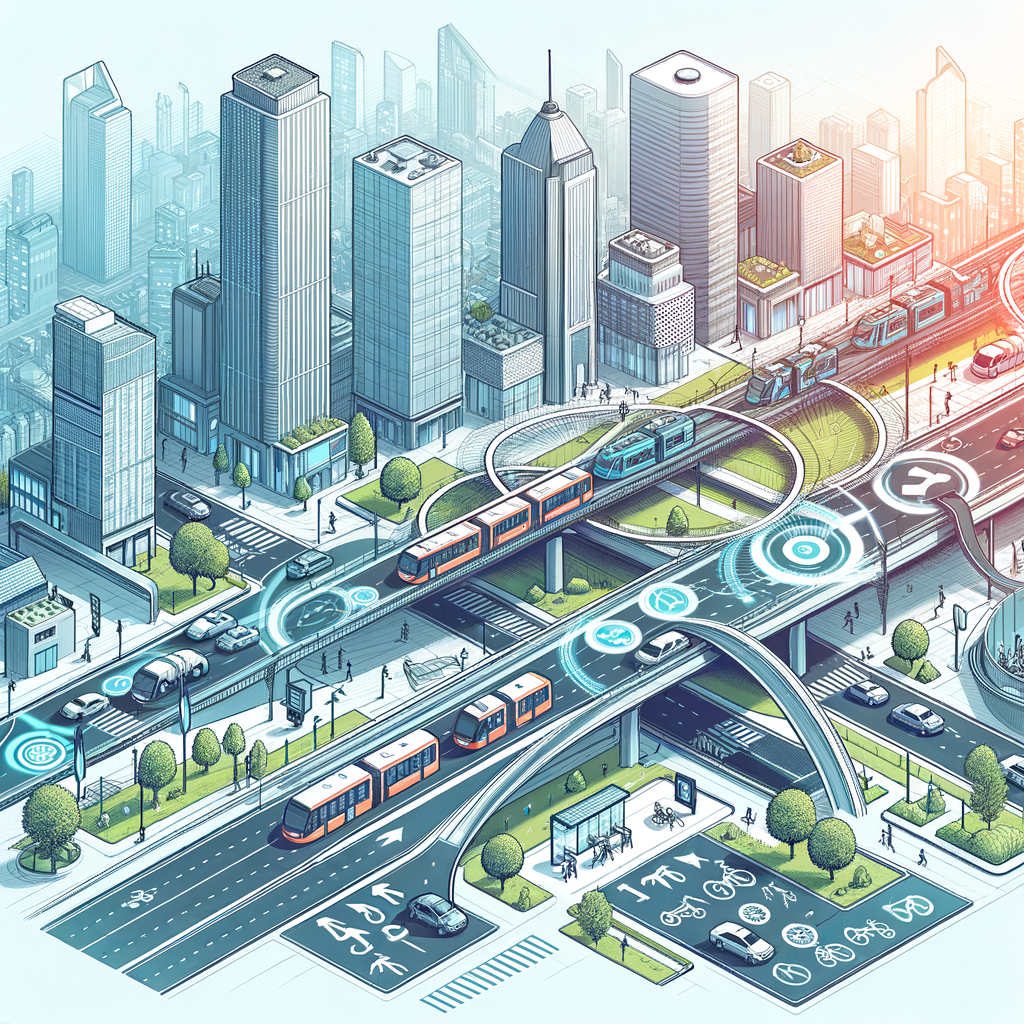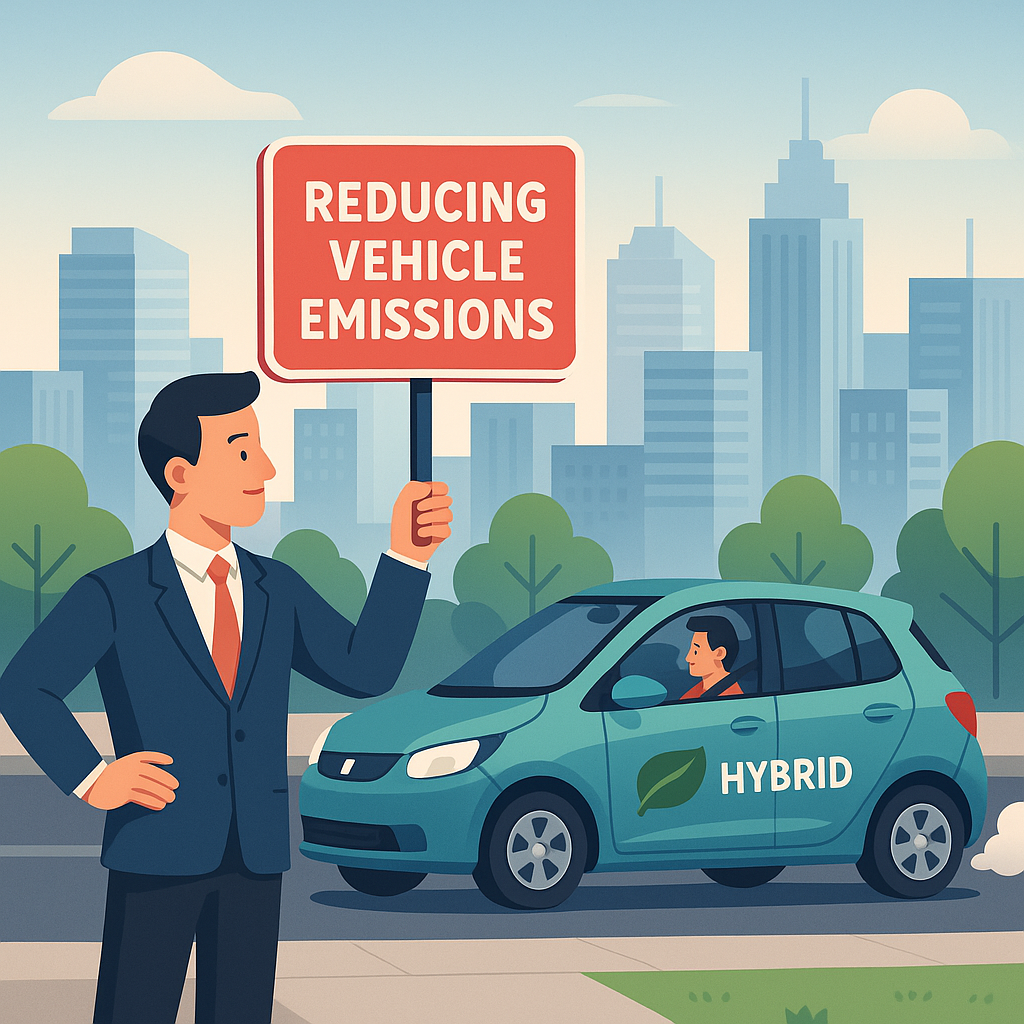
The exponential rise in urbanization has presented significant environmental challenges, one of the most pressing being vehicle emissions. Urban areas worldwide witness a high concentration of vehicles, which significantly contribute to air pollution and climate change. Vehicle emissions consist largely of greenhouse gases such as carbon dioxide (CO2), nitrogen oxides (NOx), particulate matter (PM), and other pollutants detrimental to human health and the environment.
Reducing vehicle emissions is crucial for several reasons. Firstly, it aids in alleviating air pollution, thus improving air quality and public health. Polluted air contributes to respiratory diseases, cardiovascular problems, and even premature death. Secondly, lowering emissions is vital to combating climate change. Transportation is a major source of global CO2 emissions, with cities being central to this narrative due to their density and reliance on motor vehicles.
Addressing this issue involves implementing sustainable transportation practices, embracing technology, and enacting policy reforms. By doing so, urban areas can enhance their environmental footprint and foster healthier living conditions for all residents.
Electric Vehicles: The Future of Urban Transportation
One of the most effective ways to reduce vehicle emissions is the adoption of electric vehicles (EVs). Unlike traditional gasoline-powered vehicles, EVs produce zero emissions, thereby significantly minimizing pollution levels in crowded cities. EVs operate using electricity from batteries, which are recharged through the power grid.
For instance, Norway stands as a successful case of EV integration in urban areas. The country offers enticing incentives such as tax exemptions, free public parking, and access to toll roads for EV users, which has led to a remarkable increase in EV adoption. As a result, Oslo, Norway’s capital, has witnessed a substantial reduction in air pollution levels.
Cities looking to replicate such success must establish robust charging infrastructure and provide similar incentives to encourage residents to switch to electric vehicles. This switch plays a critical role in reducing the adverse impacts of traditional vehicles on urban air quality.
Public Transportation: A Sustainable Alternative
Expanding and enhancing public transportation systems is another way to curb vehicle emissions. Buses, trains, and subways can move large numbers of people more efficiently, cutting down the number of individual vehicles on the road.
In Singapore, the government has invested heavily in creating an extensive and efficient public transit system. As a result, a significant portion of Singapore’s population relies on public transportation for their daily commute, leading to decreased reliance on personal vehicles. This reduction not only helps in managing air quality but also reduces urban congestion.
To further promote public transportation, cities should consider improving the quality and reach of transit networks. Investments in technology, such as real-time tracking and mobile apps, enhance user experience, making public transit a favorable option for commuters.
Active Transport: Encouraging Walking and Bicycling
Active transport methods, such as walking and bicycling, present an emission-free alternative to traditional vehicular travel. Encouraging these forms of transit not only reduces vehicle emissions but also promotes healthier lifestyles among urban residents.
Copenhagen has been recognized globally for its bicycle-friendly infrastructure. The city’s integration of cycle tracks and bicycle traffic signals has made biking a popular choice for daily commutes, significantly reducing the city’s overall vehicle emissions. As a co-benefit, Copenhagen experiences lower healthcare costs due to the fitter population.
To capitalize on active transport, urban planning should prioritize the development of secure and accessible pathways. Incentive programs can also be introduced, rewarding residents who choose to walk or cycle, thus reinforcing these habits.
Improving Traffic Flow: Intelligent Transport Systems
Optimizing traffic flow is another vital strategy to reduce vehicle emissions in urban areas. Traffic congestion leads to inefficient fuel consumption and higher emission rates. Intelligent Transport Systems (ITS) utilize data and technology to alleviate traffic issues.
A noteworthy example is found in the city of Los Angeles, where adaptive traffic signal systems have been implemented. These systems utilize real-time data to adjust the timing of traffic lights based on current traffic conditions, minimizing idle time and improving flow. The result is a reduction in vehicle emissions due to less stop-and-go driving.
Cities aiming to adopt ITS should invest in the necessary technological infrastructure and training for local traffic management personnel. Data-driven approaches can substantially enhance traffic efficiency, yielding both environmental and economic benefits.
Policy Reforms and Regulatory Measures
Policy interventions are essential for systematically reducing vehicle emissions. By setting stringent regulations, governments can direct cities towards achieving better air quality standards.
The introduction of emission zones, such as London’s Ultra Low Emission Zone (ULEZ), exemplifies effective regulation. Vehicles entering these zones must meet specific emission standards or pay a daily charge, incentivizing the use of cleaner vehicles and reducing overall emissions. This type of regulation has already contributed to improved air quality in central London.
Policy reforms should target emission reductions through multiple approaches, including setting fuel efficiency standards, offering tax rebates for low-emission vehicles, and restricting high-emission vehicles in urban centers.
Personal Responsibility and Behavioral Change
Ultimately, achieving lower vehicle emissions requires individual commitment. Residents of urban areas can contribute by opting for shared mobility solutions like carpooling, ride-sharing services, or being conscious of their travel choices.
Consider the initiative taken by the residents of Amsterdam, where local awareness campaigns have led to a significant increase in carpooling. Fewer single-occupancy vehicles mean reduced emissions and a lighter environmental footprint.
Promoting awareness about the environmental impact of personal commuting habits and offering incentives for shared travel can further engage the community in collective efforts to improve urban air quality.
| Strategy | Benefits |
|---|---|
| Electric Vehicles | Zero emissions, reduced air pollution |
| Public Transport | Less traffic congestion, lower emissions |
| Active Transport | Health benefits, zero emissions |
| Intelligent Transport Systems | Enhanced traffic flow, optimized fuel consumption |
| Policy Reforms | Regulation-driven emission reductions |
| Behavioral Change | Personal responsibility, community engagement |
Conclusion
Reducing vehicle emissions in urban areas is not only a necessity but also a significant opportunity to foster sustainable living environments. The diverse strategies examined here—ranging from technological advances like electric vehicles to enhancements in public and active transport, as well as intelligent systems and policy measures—highlight a comprehensive approach. Each strategy offers specific benefits that contribute to an overall reduction in emissions and improvement in urban air quality.
By integrating these solutions, urban populations can enjoy cleaner air, better health outcomes, and a mitigated impact on climate change. The reader is encouraged to actively engage with and advocate for these methods within their own communities, whether by choosing sustainable transport options themselves or participating in public policy discussions. A collective effort is essential in making substantial progress in reducing vehicle emissions and ensuring a healthier, more sustainable future for urbanliving.
Take the first step today by reconsidering your own transportation choices and supporting initiatives aimed at achieving cleaner and more efficient urban environments. The journey toward reducing vehicle emissions begins with informed, responsible decisions that collectively lead to impactful change.
Frequently Asked Questions
Q1: What are the main types of pollutants released by vehicles in urban areas?
In urban environments, vehicles are major contributors to air pollution. The pollutants primarily emitted from vehicle exhausts include carbon dioxide (CO2), nitrogen oxides (NOx), and particulate matter (PM). CO2 is a significant greenhouse gas that contributes to global warming, while NOx compounds can lead to smog formation and respiratory problems. Particulate matter, often seen as soot or dust, poses severe health risks as it can penetrate the lungs and enter the bloodstream. Other pollutants include hydrocarbons and carbon monoxide, each playing a role in degrading air quality and posing health risks.
These emissions come from the combustion of fossil fuels in vehicles’ engines. Diesel engines, for example, are known for emitting higher levels of NOx and particulate matter compared to gasoline engines. Urban areas, with their dense vehicle traffic, become hotspots for these pollutants, significantly affecting the quality of life and contributing to climate change.
Q2: How can public transportation systems help in reducing vehicle emissions in cities?
Public transportation systems are crucial for mitigating vehicle emissions in urban areas. By offering reliable, efficient, and affordable transit options, cities can significantly reduce the number of individual vehicles on the road. This reduction decreases the overall volume of emissions released into the atmosphere. For instance, a single bus can carry the equivalent of 40-60 cars, leading to sizable economies of scale in terms of emissions per traveled mile.
Advancements in green public transport, such as electric or hybrid buses, further lower emissions. Smoothly integrated public transit networks, including buses, subways, trams, and even bike-sharing systems, encourage people to leave their cars at home. When these options are well-developed and accessible, they not only enhance urban mobility but also dramatically slash pollution levels, making cities cleaner and more sustainable.
Q3: What role do electric vehicles (EVs) play in curbing emissions?
Electric vehicles (EVs) are at the forefront of the battle against urban vehicle emissions. Since EVs operate on electricity rather than fossil fuels, they produce zero tailpipe emissions, meaning they don’t directly emit CO2, NOx, or PM. This quality significantly curtails urban air pollution levels, which are largely attributable to traditional combustion-engine vehicles.
Furthermore, as the electricity grid itself becomes greener, primarily through the adoption of renewable energy sources like wind and solar, the overall carbon footprint associated with charging and operating EVs diminishes. Alongside advancements in battery technology and expanding EV infrastructure, these factors make electric vehicles a potent instrument in cuts to urban emissions.
Q4: What measures can cities implement to improve vehicle efficiency and reduce emissions?
Cities have various strategies at their disposal to enhance vehicle efficiency and cut emissions. Implementing stricter vehicle emission standards is a direct measure. By ensuring vehicles meet higher efficiency and lower emission criteria, cities can curb the pollutants each vehicle produces. Additionally, enforcing routine vehicle inspections ensures compliance and helps identify inefficient vehicles that might be polluting excessively.
Urban areas can also develop initiatives like congestion pricing, where drivers pay a fee to drive in crowded areas during peak times. This measure encourages the use of public transport, reduces traffic, and subsequently lowers emissions. Coupled with incentives for adopting clean vehicles, such approaches foster a more sustainable environment.
Q5: How significant is the impact of urban planning on reducing vehicle emissions?
Urban planning profoundly influences vehicle emissions. Cities designed with an emphasis on public transport access, bike paths, and pedestrian zones enable residents to rely less on personal vehicles, thus reducing emissions. Mixed-use developments, where residential, commercial, and recreational spaces are in proximity, further minimize the need for long commutes.
Smart urban planning also includes the incorporation of green spaces that improve air quality and health. By promoting sustainable, transit-oriented development, cities can create environments where the balance between development and environmental conservation leads to a reduction in emissions and improved quality of life for residents.