In the contemporary urban landscape, the increasing frequency and severity of natural disasters call for a robust strategy to enhance urban resilience. As urban areas burgeon, they become more complex systems, fraught with vulnerabilities to disasters ranging from hurricanes, floods, and earthquakes to wildfires and storms. The concept of urban resilience involves designing cities that can withstand and quickly recover from these disruptions. Building urban resilience is not merely about reactive measures; it encompasses proactive planning, adaptation, and transformation strategies to minimize the impact of disasters. This article delves deep into the facets of urban resilience, offering insights into how cities can better prepare and adapt to the challenges posed by natural disasters. Understanding and enhancing urban resilience is crucial not only for safeguarding human lives and property but also for ensuring sustainable development in an era of climate uncertainty. Developing urban resilience frameworks requires addressing infrastructure vulnerabilities, instituting effective emergency management protocols, and fostering community awareness. Furthermore, the role of technology, policy-making, and international collaboration are integral, supporting cities in evolving beyond reactive responses towards becoming sustainable, adaptable, and resilient to unforeseen adversities in the face of natural calamities.
Understanding Urban Vulnerabilities
Cities, being hubs of economic activity and dense populations, are inherently susceptible to the ramifications of natural catastrophes. Urban vulnerabilities include aging infrastructure, inadequate drainage systems, and unplanned expansion, which exacerbate the impact of disasters. For instance, urban drainage systems can often become overwhelmed during heavy rains, leading to catastrophic flooding. Moreover, rapid urbanization, fueled by population growth, typically outpaces the development of essential infrastructure, creating pockets of risk within urban settings. Residential areas built on unstable slopes or low-lying flood-prone zones further illustrate the significant threats faced by numerous urban communities. Additionally, the growing informal settlements, which often lack proper access to resources and services, represent a vulnerable segment of urban populations, disproportionately affected in times of disaster.
Infrastructure and Technological Resilience
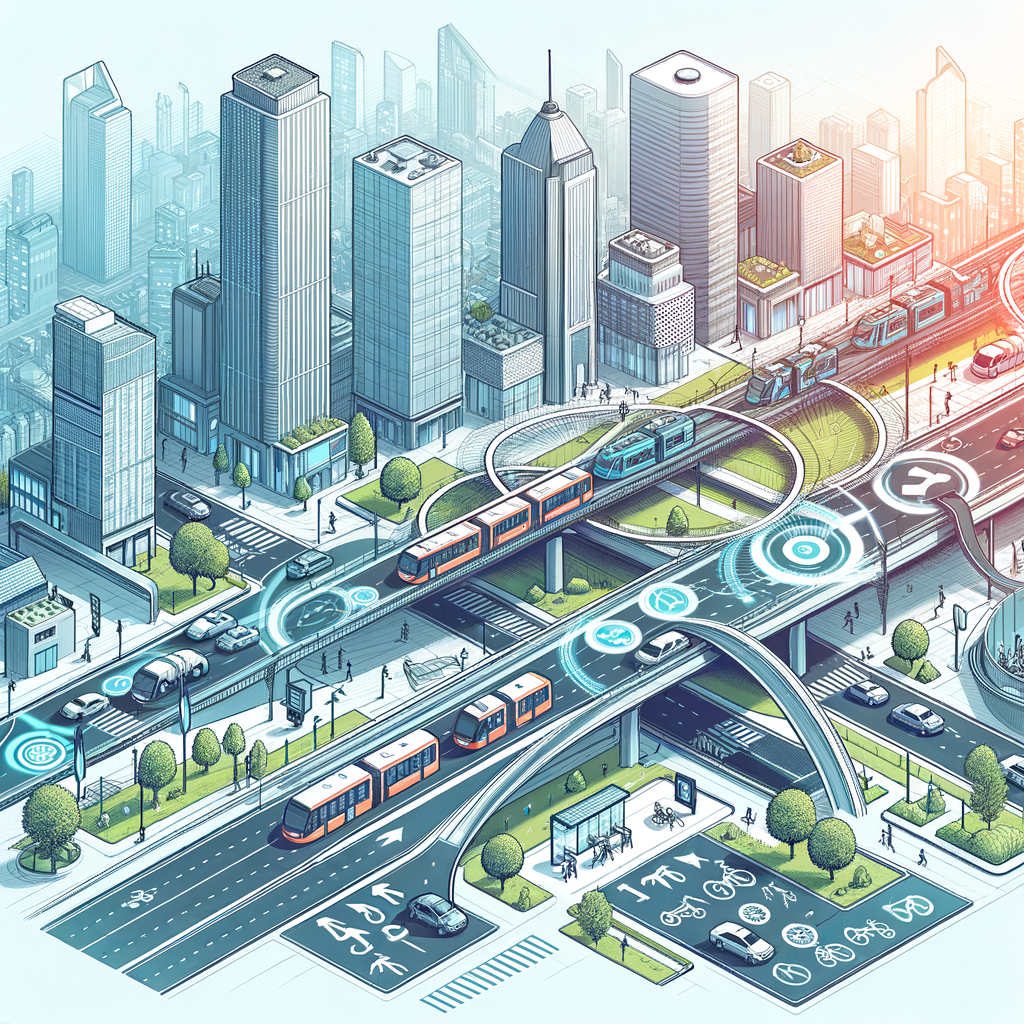
Enhancing the resilience of urban infrastructure requires both strengthening existing systems and integrating new technologies. Retrofitting older buildings, bridges, and critical infrastructure can help reduce damage during earthquakes and other hazardous events. Modern construction codes and regulations must strictly enforce resilience measures, ensuring new builds are equipped to handle stress from climate-induced events. Incorporating technologies like smart grids and early warning systems plays a pivotal role. Such technologies offer real-time data, enhance situational awareness, and provide critical information to emergency responders, helping mitigate impacts. Energy resilience, through decentralized and renewable energy systems, ensures that power supply remains stable during times of crisis, supporting essential services and reducing the overall burden on traditional energy infrastructure.
Policy Formulation and Implementation
Developing coherent, strategic policies is fundamental in building urban resilience to natural disasters. Urban planners and policymakers must collaborate to create comprehensive urban development plans that prioritize resilience and risk reduction. Zoning laws and land-use policies need revision to prevent construction in high-risk areas. Additionally, investing in green infrastructure, such as parks and permeable pavements, can mitigate heat and manage stormwater effectively, enhancing ecological resilience. Policymakers should also focus on updating building codes and enforcing compliance to ensure infrastructure can withstand climatic stressors. Implementation of disaster risk reduction strategies must be prioritized, ensuring that contingency plans, resource allocation, and relief efforts are well-coordinated to manage emergencies efficiently. Collaboration across different levels of government and with private sectors for resource pooling and expertise sharing is vital for holistic resilience strategies.
Role of Community Engagement
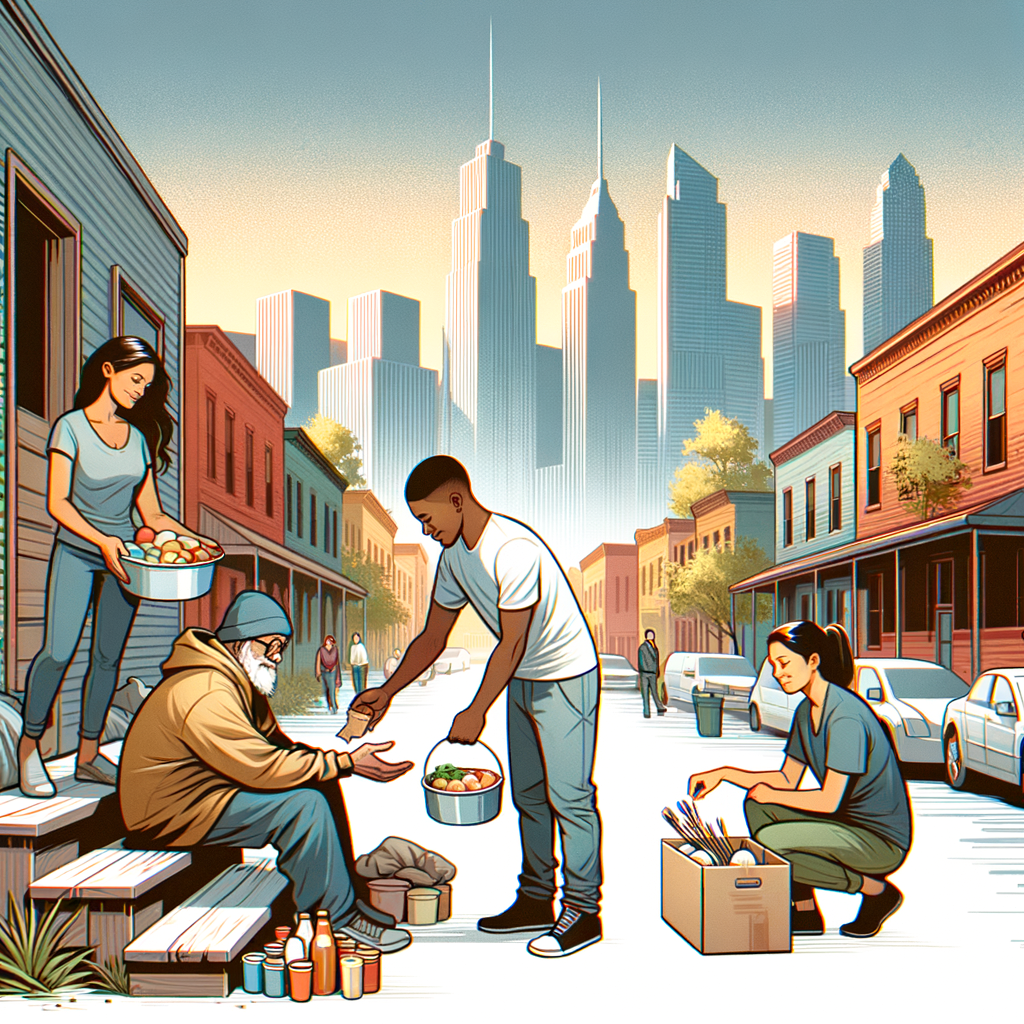
Community-based approaches to urban resilience are crucial, as local populations are on the front lines of natural disasters. Empowering communities through education, drills, and preparedness programs helps build a culture of resilience. Residents who are well-informed are better equipped to respond effectively during crises, potentially reducing the burden on emergency services. Establishing community networks can foster strong social ties, enhancing collaborative efforts to address vulnerabilities. Furthermore, local knowledge and indigenous practices can significantly contribute to resilience strategies, offering insights into sustainable practices honed over generations. Building partnerships with community organizations and leveraging their on-ground presence ensure that resilience initiatives are locally relevant and tailored to the community’s unique needs.
International Cooperation and Collaboration
Natural disasters do not recognize borders; thus, international cooperation is vital in enhancing urban resilience. Countries can benefit from sharing knowledge, expertise, and resources through global networks and partnerships. Collaborative efforts, such as developing early warning systems and adopting best practices in disaster management, are crucial. International organizations, like the United Nations and World Bank, play significant roles in advancing resilience agendas, offering financial and technical support to urban areas most at risk. Cross-border collaboration also involves joint research initiatives, technology transfers, and capacity-building programs that strengthen local capabilities. Joint emergency response exercises and information sharing about successful resilience initiatives can help cities worldwide learn from each other’s experiences, building a more coordinated approach to disaster management.
Leveraging Data and Analytics
The use of data and analytics is becoming indispensable in the realm of urban disaster resilience. Big data, geographic information systems (GIS), and predictive analytics empower cities with the ability to anticipate, prepare for, and adapt to potential disaster scenarios. These tools enable detailed risk assessments, facilitating informed decision-making and precise resource allocation. For instance, predictive models can identify at-risk areas, prompting preemptive actions such as evacuations or fortifications. Data-driven insights also aid in post-disaster recovery by identifying the most affected regions and prioritizing rebuilding efforts. Moreover, the visualization capacities of these tools, such as interactive maps and dashboards, enhance communication among stakeholders, ensuring transparency and clarity in resilience initiatives.
Economic Resilience as a Component
Economic resilience is a critical but often overlooked element of urban resilience strategies. Ensuring that urban economies can absorb and recover from disasters is essential for overall resilience. Diversifying local economies can reduce dependency on single industries that might be severely impacted by disasters. Establishing insurance programs and financial aid mechanisms can help stabilize communities and businesses in the aftermath of an event. Encouraging investment in resilient infrastructure and promoting economic activities that are sustainable and adaptive to climate change also form core parts of building economic resilience. Public-private partnerships can further enhance financial resources, driving initiatives that bolster both urban infrastructure and economic systems against natural disasters. It’s crucial to frame policies that provide incentives for businesses to invest in risk reduction measures, aligning economic development with resilience goals.
Conclusion
Enhancing urban resilience to natural disasters is an imperative task requiring a multifaceted approach. The increasing threat necessitates strategies that address infrastructure vulnerabilities, bolster policy frameworks, and involve community engagement. Harnessing technology and data analytics, augmenting economic resilience, and fostering international collaboration form the backbone of these efforts. Ultimately, the aim is to create urban systems that don’t just survive disasters but rapidly recover and thrive in their aftermath. Each stakeholder—from policymakers, engineers, and scientists to community leaders and international bodies—plays a crucial role in this concerted effort. Cooperation across these sectors, combined with robust planning and proactive measures, will ensure that cities can better withstand the impacts of natural disasters, securing a sustainable and resilient future for urban populations worldwide. This comprehensive approach places urban resilience at the forefront, facilitating cities to not only endure the trials of natural adversities but emerge stronger. As the urban landscape continues to evolve, embracing resilience becomes vital in safeguarding both lives and livelihoods, ensuring that cities can forge ahead dynamically notwithstanding the increasing challenges posed by our natural environment.
Frequently Asked Questions
1. What does enhancing urban resilience to natural disasters entail?
Enhancing urban resilience to natural disasters involves a comprehensive strategy aimed at making cities better equipped to handle the unexpected challenges posed by these events. As urban areas continue to grow, so does their complexity, which means their vulnerabilities also increase. The concept of urban resilience is centered on preparing for, responding to, and recovering from disasters such as hurricanes, floods, earthquakes, wildfires, and storms. This involves not just creating robust infrastructure that can endure such events but also developing social, economic, and operational systems that ensure cities can bounce back quickly post-disaster.
Enhancing resilience includes integrating smart technology for real-time monitoring of environmental conditions, implementing infrastructure designs that can withstand natural forces, and adopting urban planning approaches that minimize risk. Engaging communities in emergency preparedness training and education is also critical because resilient communities are those with citizens who know how to act in the face of a disaster. Additionally, policies focused on sustainable development and climate adaptation strategies play a crucial role in enhancing urban resilience by reducing the long-term risks associated with natural disasters.
2. Why is it important for urban areas to focus on resilience against natural disasters?
The importance of urban areas focusing on resilience against natural disasters cannot be overstated. First and foremost, cities are hubs of economic activity, cultural significance, and human life concentration. A disaster hitting an urban area can lead to devastating losses both in human and economic terms. As more people migrate towards cities, the stakes get even higher. Therefore, it is crucial to protect these densely populated regions by ensuring they are capable of withstanding the shocks of natural disasters.
An emphasis on resilience ensures that cities can not only survive unforeseen events but also recover quickly so that any disruption to lives and businesses is minimized. Urban resilience strategies can help reduce the costs associated with disaster recovery, protect critical infrastructure, and safeguard priceless human lives. It also encourages cities to look forward, planning proactively rather than reacting to disasters only after they occur. This proactive approach significantly reduces vulnerabilities and can mitigate the impact of disasters, contributing to a more sustainable future for urban living.
3. What are some strategies for building urban resilience to natural disasters?
Building urban resilience to natural disasters involves multiple strategies that cover comprehensive urban planning, infrastructure investments, and community engagement. Firstly, one effective approach is investing in green infrastructure, such as parks and wetlands, which can absorb and reduce flood impacts. Building codes should also be up-to-date with the latest engineering standards that focus on disaster resilience, such as designing buildings to withstand earthquakes or high winds.
The integration of smart technology is another powerful strategy. Cities can use data analytics and digital tools to monitor weather patterns, track risk zones, and manage emergency responses efficiently. Additionally, urban planning should consider zoning laws preventing development in high-risk areas, which significantly reduces potential damage.
Community engagement is pivotal—this involves educating the public on emergency preparedness, creating robust communication networks, and involving citizens in disaster drills and simulations. Governments and city planners should also ensure that there are financial resources and plans in place to facilitate quick recovery and reconstruction post-disaster. These strategies ensure not just survival but rapid recovery, making the city safer over time for its inhabitants.
4. How does urban resilience contribute to sustainable urban development?
Urban resilience is inherently linked to sustainable urban development as it addresses both immediate and long-term challenges cities face. A resilient city can maintain its functions and recover quickly from disruptive events, ensuring economic stability and growth even in adversity. This resilience is crucial for sustainable development, as it underpins the ability of a city to function effectively over the long term.
Integrating resilience into urban development involves reducing vulnerabilities now and anticipating future risks. By focusing on resilient infrastructure, cities reduce the need for costly repairs and replacements after disasters. The use of sustainable materials and designs further ensures that infrastructure impacts minimal environmental harm. Additionally, resilient urban forms are usually characterized by smart land use, efficient resource management, and a lower carbon footprint.
Sustainable urban development relies on a comprehensive approach that includes economic, social, and environmental dimensions. Urban resilience helps foster a balanced development model, where economic development does not come at the expense of environmental degradation and where social inclusion and disaster readiness go hand in hand. This synergy accelerates the achievement of broader sustainability goals, such as those outlined in international frameworks like the United Nations Sustainable Development Goals (SDGs).
5. What role do local governments play in enhancing urban resilience to natural disasters?
Local governments play a pivotal role in enhancing urban resilience to natural disasters through their direct influence on city planning, infrastructure development, and community engagement. They are responsible for crafting and implementing policies that prioritize resilience, such as updating building codes, investing in resilient infrastructure, and managing public resources effectively.
Local authorities are often the first responders and the main coordinators of emergency planning and response. They lead in creating and executing disaster readiness plans, conducting risk assessments, and establishing early warning systems. Additionally, local governments work closely with communities to raise awareness and educate citizens on how to prepare for disasters. By facilitating various community programs and drills, they ensure that the public is well-informed and prepared to react effectively during natural emergencies.
Furthermore, local governments have the responsibility to foster collaboration among different stakeholders, including private sector partners, NGOs, and international agencies, to pool resources and expertise for comprehensive resilience-building efforts. Their role is crucial in aligning urban resilience goals with broader local development plans and ensuring that resources are allocated efficiently to minimize risk and maximize recovery potential post-disaster.