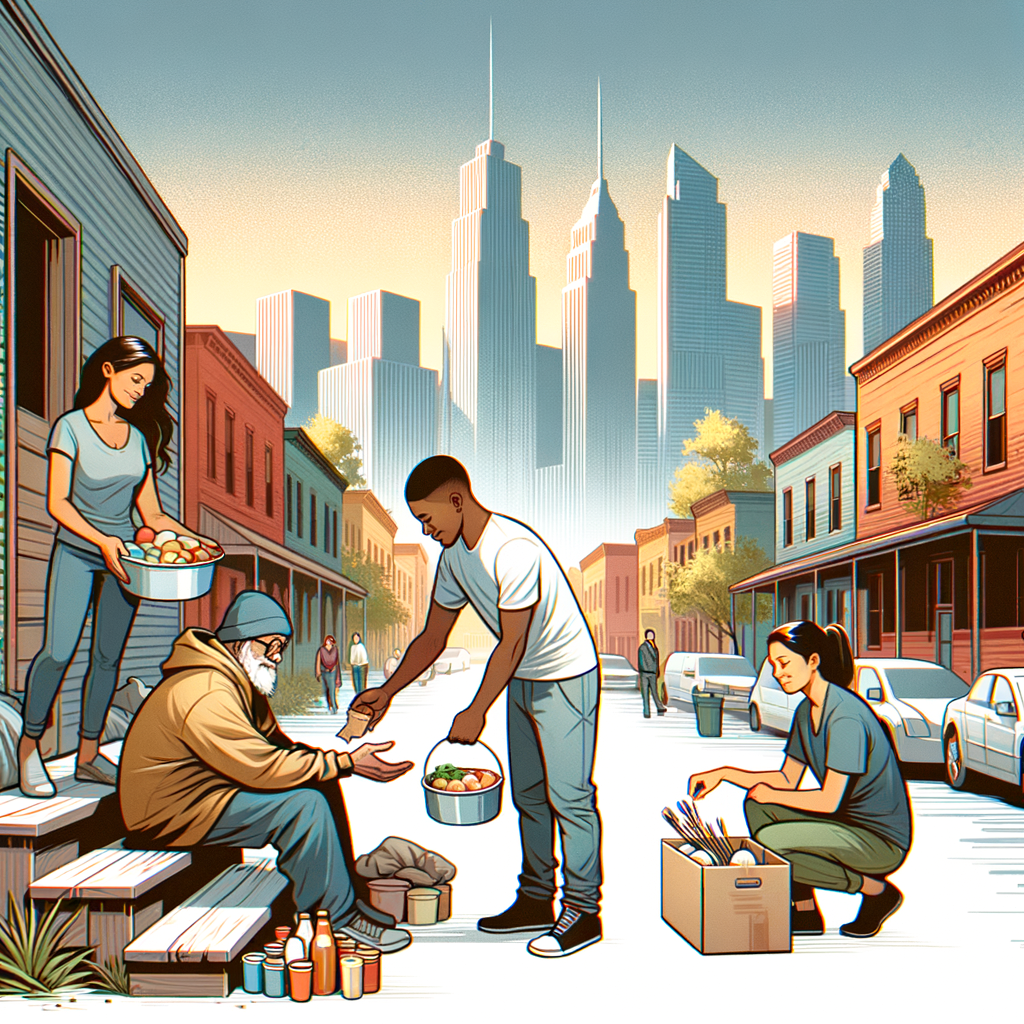
Urban food deserts represent a critical social and public health issue that affects millions of people worldwide, particularly those living in low-income neighborhoods. These areas lack access to affordable, nutritious food options. While supermarkets and stores rich in fresh fruits, vegetables, and whole foods are sparse or nonexistent, fast food outlets and convenience stores thrive, leading to a reliance on unhealthy food options and a higher incidence of diet-related health issues like obesity, diabetes, and heart disease. Public awareness of the issue has grown, yet effective strategies to counteract the effects of urban food deserts remain inconsistently applied. Solutions range from community-based interventions to larger policy-driven initiatives. Examining these solutions offers insight into how we can create equitable access to healthy foods for all individuals, thereby improving public health and fostering sustainable, nutritious lifestyles within urban settings. Understanding urban food deserts, their root causes, and the barriers they present to accessing healthy food is crucial for devising strategies that are comprehensive, sustainable, and tailored to impacted communities. Developing a cohesive action plan entails engaging community stakeholders, leveraging technology, and implementing supportive public policies.
Understanding Urban Food Deserts
Urban food deserts are typically defined as areas where residents have limited access to affordable and nutritious food. This lack of access is usually due to the absence of supermarkets or grocery stores that sell fresh produce and other healthy food options within a convenient distance. The problem is compounded by socioeconomic factors; residents of food deserts often have lower incomes, which limits their ability to travel longer distances to grocery stores where healthier food options might be available. This lack of access has severe implications for public health. Studies have shown that people living in food deserts are more likely to consume high-calorie, processed foods that are low in nutritional value, leading to higher rates of obesity and other chronic health conditions.
Community-Based Initiatives
One of the most effective ways to tackle the problem of urban food deserts is through community-based initiatives. By empowering local communities to take charge of their food supply, these initiatives can create sustainable solutions tailored to local needs. Urban agriculture, including community gardens and rooftop gardens, has emerged as a popular strategy. Such projects provide direct access to fruits and vegetables while fostering a sense of community and engagement among residents. Notably, community-supported agriculture (CSA) programs offer a solution by partnering with local farms to bring fresh produce directly to urban consumers. Farmers markets can also be pivotal in increasing access to fresh and affordable produce. However, these markets need to be situated in easily accessible areas within the community and promoted effectively to ensure adequate participation from local residents.
The Role of Education
Education is vital in addressing food deserts, as it equips individuals with the knowledge needed to make healthier food choices and understand the implications of their dietary patterns. Nutrition education programs in schools and community centers can be instrumental in teaching children and adults about the benefits of a balanced diet. These programs should emphasize practical skills, such as deciphering food labels, meal planning, and preparing healthy, budget-friendly meals. Additionally, outreach efforts could include workshops and cooking classes to cultivate interest in cooking at home, which can be more cost-effective and healthier than dining out. By providing this knowledge, communities become more resilient and capable of seeking out healthier food options, thereby mitigated the limited access posed by food deserts.
Leveraging Technology and Entrepreneurship
Advances in technology offer novel solutions for addressing the challenges posed by urban food deserts. Mobile applications and online services can make it easier for residents to conveniently locate and purchase fresh produce. Local businesses can leverage these platforms to offer delivery services that bring healthy food choices directly to consumers’ doorsteps. Technology also facilitates the creation of urban farms using innovative methods such as hydroponics and aquaponics, making it feasible to grow fresh produce in limited urban spaces all year round. Moreover, technology can support entrepreneurship and the establishment of new grocery stores or businesses that cater specifically to underserved communities. Incubation programs and grants can incentivize entrepreneurs to address food accessibility, providing fresh and affordable food options while creating job opportunities within the community.
Policy Interventions
Government policy plays a crucial role in addressing urban food deserts. Public policies can incentivize grocery stores to open in underserved areas through tax benefits, grants, and subsidies, effectively lowering the operational barriers that often deter businesses from entering these markets. Zoning and land use policies can also be adjusted to promote the development of urban agriculture projects and facilitate the establishment of farmers markets. Furthermore, policies can focus on improving transportation infrastructure, ensuring reliable public transport routes connect food deserts to areas with grocery stores and supermarkets. This can make healthy food more accessible to those who lack personal transportation. Policies should also expand nutrition assistance programs like SNAP, thereby increasing the purchasing power for healthier food options among low-income populations.
Building Collaborative Networks
Addressing urban food deserts requires a collective effort from various stakeholders, including government agencies, nonprofit organizations, businesses, and community members. Collaborative networks can pool resources, share expertise, and drive initiatives that may not be possible through isolated efforts. By working together, these stakeholders can create comprehensive strategies that address all aspects of food deserts, from immediate access to education and long-term sustainability. For example, partnerships between schools, local farmers, and culinary institutions can help implement educational programs focusing on agriculture and nutrition. Additionally, collaborations with local health departments can provide valuable data and support in assessing and addressing public health impacts linked with food insecurity.
Measurement and Evaluation
To ensure the effectiveness and sustainability of initiatives aimed at resolving urban food deserts, consistent measurement and evaluation are crucial. By establishing key performance indicators, stakeholders can track progress and identify areas that require adjustment or additional resources. Regular evaluation helps ensure accountability and facilitates data-driven decisions, enhancing the effectiveness of initiatives over time. This process can involve collecting and analyzing data on community health outcomes, food availability, and economic impact. Engaging community members in this evaluation process ensures that interventions remain aligned with local needs and priorities. Furthermore, the lessons learned from successful interventions can guide future efforts and policy development, contributing to a broader understanding of how to effectively combat food deserts.
Conclusion
Urban food deserts pose significant challenges to public health and social equity, but solutions are within reach with the right combination of community initiative, technology, and policy. Leveraging these solutions can enhance access to healthy foods and improve overall quality of life for those living in underserved urban areas. Critical to this effort is recognizing the interconnected nature of the barriers that perpetuate food deserts, such as economic disparity, educational gaps, and transportation challenges. As communities, governments, and businesses continue to explore innovative approaches to solving these problems, a collaborative and adaptive strategy remains essential for sustainable success. The path forward requires dedicated engagement, comprehensive planning, and a commitment to measuring outcomes to continually improve our approach to combating urban food deserts. Through collective efforts, we can ensure equitable access to nutritious food, empowering residents and transforming communities for a healthier future.
Frequently Asked Questions
1. What exactly is an urban food desert, and why do they form?
Urban food deserts are geographic areas within city limits where residents have limited or no access to affordable, nutritious food, such as fresh fruits, vegetables, and whole grains. They form primarily in low-income neighborhoods where the economic conditions don’t attract large supermarket chains that provide healthier food options. High real estate costs, lower profit margins, and perceived security risks are deterrents for these businesses. Consequently, these areas are left with fast food restaurants and convenience stores that offer mostly processed and unhealthy foods. This lack of healthy food options can result in poor nutrition, leading to increased cases of obesity, diabetes, and other diet-related health issues.
2. How do urban food deserts impact the overall health of communities?
Living in a food desert poses significant challenges for maintaining a healthy diet, which directly affects community health. The scarcity of healthy food options means that residents often have to rely on high-calorie, low-nutrient options available at fast-food restaurants or convenience stores. This diet can lead to various health problems, including obesity, heart disease, diabetes, and hypertension. Beyond physical health, the psychological stress of food insecurity can exacerbate mental health issues, increasing the prevalence of anxiety and depression. This makes urban food deserts a critical public health issue, disproportionately affecting low-income and marginalized communities.
3. Are there any effective strategies or solutions to combat urban food deserts?
Several strategies have been proposed and implemented to tackle the problem of urban food deserts. Some effective solutions include:
- Establishing Community Gardens and Urban Farms: By transforming vacant lots into community gardens or urban farms, residents can access fresh produce and have a direct hand in cultivating their own food. This not only improves food access but also fosters a sense of community and empowerment.
- Promoting Mobile Markets: Mobile markets bring fresh fruits, vegetables, and other healthy food options directly to the neighborhoods that need them most, particularly areas that are underserved by supermarkets.
- Supporting Local Food Co-operatives: Encouraging and supporting local food co-ops can help provide another viable option for residents to access nutritious and affordable food. Co-ops are owned and operated by the community, keeping profits and fresh produce within the neighborhood.
- Providing Incentives for Supermarkets: Governments can offer tax breaks, subsidies, or grants to encourage grocery stores and full-service supermarkets to open in food desert areas, thus increasing access to healthy food.
- Expanding Public Transportation: Improving public transportation routes to better connect low-income neighborhoods with distant supermarkets can ease the food desert issue by making it more feasible and affordable for residents to reach stores selling healthy foods.
These solutions require coordinated efforts across different sectors, including government, businesses, non-profits, and community organizations, to be successful.
4. How can residents of urban food deserts advocate for change in their communities?
Residents of urban food deserts can advocate for change through various grassroots and community-oriented approaches. Organizing community groups to engage in dialogues with policymakers about the challenges and needs can raise awareness and push for policy changes. Forming coalitions with local health organizations, non-profits, and other community stakeholders can strengthen advocacy efforts. Hosting or participating in town halls and public forums provides a platform to discuss concerns and potential solutions. Residents can also start petitions or letter-writing campaigns to local government officials, pushing for improved access to healthy food resources. Finally, volunteering at or initiating local food programs, like community gardens or nutrition education workshops, can drive immediate change while fostering resilience.
5. What role do education and awareness play in addressing urban food deserts?
Education and awareness are pivotal in addressing urban food deserts as they empower individuals and communities with the knowledge needed to make healthier food choices and advocate for systemic change. Educating residents about nutrition can help them make the best possible choices with the available resources, even when options are limited. Awareness campaigns can spotlight the severity of food deserts, prompting broader societal engagement and support. Schools and community centers can run workshops and programs to teach children and adults about growing their own food, meal planning, and cooking nutritious meals. Additionally, raising awareness at the policy level about the social and economic costs of food deserts can compel lawmakers to prioritize initiatives aimed at increasing food security in disadvantaged neighborhoods. By fostering a well-informed community, these efforts contribute to both short-term improvements in diet and long-term shifts that could reduce the prevalence of food deserts.