Climate change is an increasingly pressing issue that demands urgent attention from all sectors of society. As the global population continues to rise, the challenges faced by urban areas, where a significant portion of the world’s population resides, are becoming more acute. Cities are major contributors to climate change, responsible for over 70% of global CO2 emissions. However, they also possess immense potential for developing and implementing solutions. Adapting cities to climate change involves a multitude of strategies and policies aimed at mitigating climate impacts and enhancing the resilience of urban infrastructures. This adaptation requires collaboration across multiple levels of government, private sectors, and local communities. Since urban environments are already experiencing the adverse effects of climate change, such as heatwaves, flooding, and air pollution, concerted efforts must be made to enhance their sustainability. This article explores various strategies and policies that cities can adopt to combat climate change, emphasizing the importance of forward-thinking and inclusive planning that engages all stakeholders. By examining different adaptive measures, this article aims to provide a comprehensive overview of how cities can transform challenges into opportunities for innovation, resilience, and sustainability.
Urban Infrastructure and Green Building
An essential component of adapting cities to climate change involves rethinking urban infrastructure and promoting green building practices. Cities must transition to more sustainable designs that prioritize energy efficiency, minimize environmental impact, and improve overall livability. Green building standards, such as LEED and BREEAM, promote the use of sustainable materials, renewable energy, and water conservation techniques. Retrofitting existing buildings with energy-efficient technologies can significantly reduce a city’s carbon footprint while enhancing comfort for residents. Moreover, integrating green roofs and walls into cityscapes not only reduces energy costs but also improves urban biodiversity and air quality. Sustainable urban planning, with a focus on increasing the energy performance of buildings, presents a viable strategy for cities to cope with climate change’s challenges.
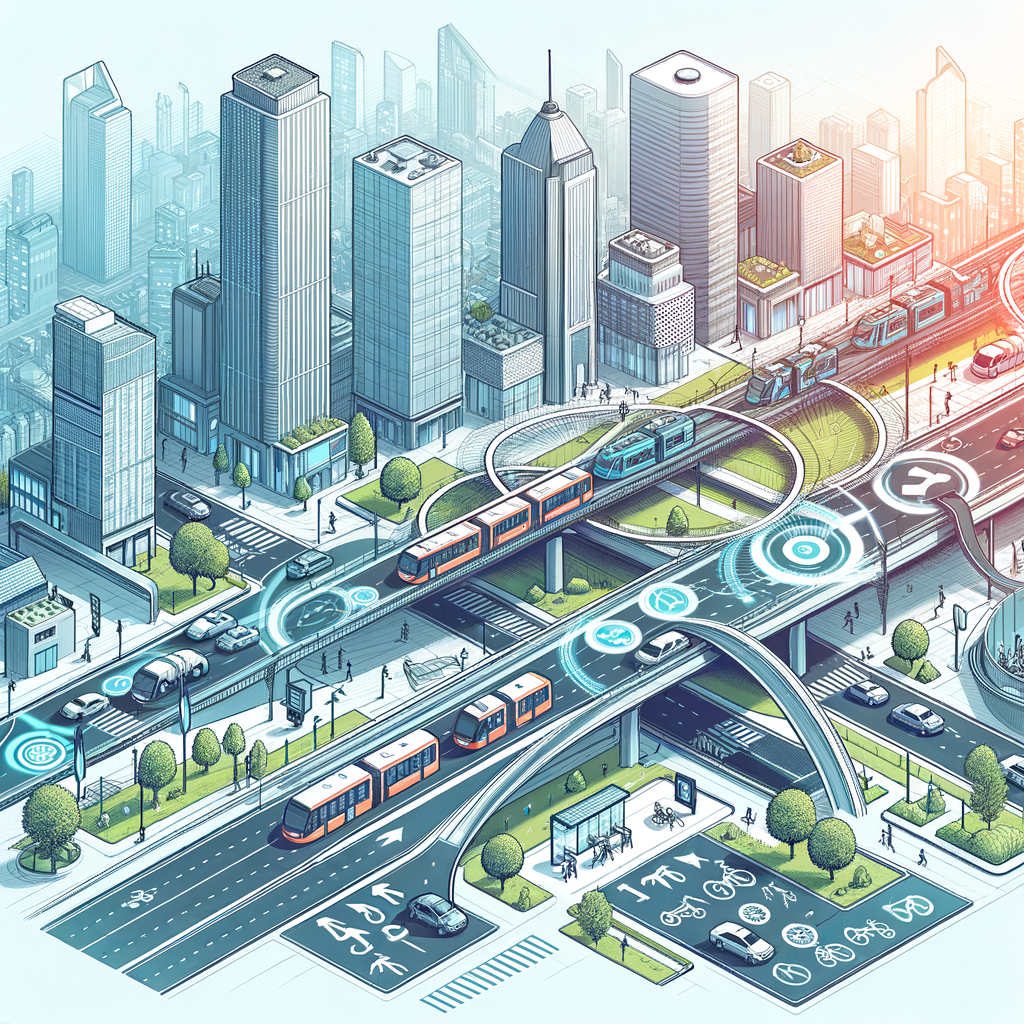
Another crucial aspect is the development of resilient infrastructure that can withstand extreme weather events. This includes the construction of stormwater management systems, such as permeable pavements and green spaces, that effectively manage runoff and reduce flood risks. Urban planners are also prioritizing the expansion of public transportation networks and promoting active transport options, like cycling and walking, to minimize reliance on fossil fuel-powered vehicles. This shift reduces emissions and encourages healthier lifestyles. Intelligent urban design that incorporates climate-resilient features is crucial for cities striving to adapt successfully to a changing climate.
Nature-Based Solutions
Integrating nature-based solutions into urban planning offers a multifaceted approach to climate change adaptation. By embracing the natural environment, cities can devise strategies that harness ecosystem services for resilience and sustainability. Urban forestry, for instance, plays a critical role in mitigating the urban heat island effect, reducing energy consumption, and improving air quality. Expanding tree canopies in cities provides shade, improves aesthetics, and sequesters carbon dioxide, thus contributing to climate mitigation efforts.
Moreover, creating and preserving green spaces, such as parks and urban wetlands, enhances cities’ adaptive capacities. Green spaces serve as natural buffers against extreme weather events, provide recreational opportunities, support biodiversity, and foster community interaction. Restoring wetlands and other natural habitats adjacent to cities can effectively absorb excess rainwater, reducing flood risks and improving water quality. Collaborating with local communities to preserve green spaces also promotes stewardship and awareness, fostering a collective commitment to sustainable urban development.
Water Resource Management
Climate change significantly impacts water resources, necessitating the development of robust management strategies to ensure urban water security. Effective water resource management involves implementing measures to conserve and optimize urban water usage, protecting cities from both droughts and floods. Cities must invest in modernizing water distribution networks to minimize leaks and inefficiencies, thus preserving valuable water resources and reducing costs.
Implementing sustainable urban drainage systems (SUDS) can mitigate flood risks by improving stormwater management. These systems use natural processes and permeable surfaces to absorb and filter rainwater, reducing peak flow rates and enhancing groundwater recharge. Additionally, investing in graywater recycling and rainwater harvesting systems can decrease reliance on traditional water sources, promoting water conservation and resilience. Furthermore, cities need to evaluate long-term water availability and demand, fostering regional collaborations to manage and share water resources sustainably.
Climate-Smart Agriculture and Food Systems
Urban agriculture presents another innovative strategy for adapting cities to climate change while enhancing food security. Climate-smart agriculture encompasses sustainable practices that improve productivity, resilience, and environmental outcomes. By promoting urban farming, cities can transform vacant lots and rooftops into productive spaces, fostering local food production and reducing transportation emissions. Community gardens foster social cohesion and provide local access to fresh produce, strengthening food systems against climate impacts.
Furthermore, embracing sustainable practices like permaculture, agroforestry, and vertical farming can revolutionize urban food systems. These practices enhance resilience by improving soil health, conserving water, and reducing dependency on chemical inputs. Cities can also establish local food initiatives that connect producers to consumers through farmers’ markets and cooperative models, supporting sustainable supply chains. By prioritizing climate-smart agriculture, cities can enhance self-sufficiency and reduce the vulnerability of food systems. Collaborating with local communities and food producers is crucial to the successful implementation of these strategies.
Renewable Energy and Energy Efficiency
Transitioning to renewable energy sources and improving energy efficiency are cornerstone strategies in adapting cities to climate change. Cities must invest in renewable energy infrastructure, such as solar panels and wind turbines, to reduce dependency on fossil fuels and decrease greenhouse gas emissions. These investments not only contribute to climate mitigation but also provide energy security and create jobs in the green economy.
Moreover, enhancing energy efficiency in buildings, transportation, and industries can significantly lower urban emissions. This involves optimizing power consumption, upgrading to energy-efficient appliances, and implementing smart grid technologies. Encouraging the adoption of electric vehicles and expanding charging infrastructure will further decrease emissions from urban transport. Cities need to incentivize renewable energy adoption through policy measures, such as subsidies, tax credits, and public-private partnerships. A shift toward a low-carbon energy future is essential for reducing urban carbon footprints and fostering sustainable urban development.
Policy, Governance, and Community Engagement
Effective policy frameworks and governance structures are critical to adapting cities to climate change. Coordinated climate action necessitates clear policy direction and the integration of climate considerations into urban planning processes. Cities must develop comprehensive climate action plans that set ambitious targets, outline actionable steps, and allocate resources for implementation. Such plans need to engage multiple stakeholders, including government agencies, private sector entities, and community organizations.
Crafting policies that incentivize sustainable behavior is crucial for driving progress. Cities can implement regulations that promote energy efficiency standards, mandate green building practices, and require climate-resilient infrastructure designs. By engaging local communities in the decision-making process, cities can ensure that policies are inclusive and responsive to community needs. Public awareness campaigns and educational programs play a vital role in fostering a culture of sustainability and encouraging active participation in climate action.
Furthermore, cities must strengthen institutional capacity to monitor and evaluate climate adaptation efforts. This involves investing in data collection systems, research, and analysis to inform evidence-based decision-making. Collaborative partnerships with academic institutions, NGOs, and international organizations facilitate knowledge sharing and capacity building. Transparent and accountable governance fosters trust and enhances the effectiveness of climate adaptation strategies.
Conclusion
Adapting cities to climate change is one of the most pressing and complex challenges of our time. As urban populations continue to grow, cities must innovate and implement strategies to enhance resilience and sustainability. A comprehensive approach encompassing urban infrastructure, nature-based solutions, water management, climate-smart agriculture, renewable energy, and effective governance is essential to addressing climate impacts effectively. An imperative part of this effort is the collaboration between governments, private sectors, and communities to foster inclusive and evidence-based policies that drive meaningful action. By prioritizing cross-sectoral partnerships and leveraging local knowledge, cities can turn challenges into opportunities, ensuring a sustainable and prosperous future for generations to come. Ultimately, adapting cities to climate change is not just about mitigating negative impacts but also about reimagining urban spaces in harmony with the natural environment, creating vibrant, resilient, and equitable urban centers.
Frequently Asked Questions
1. What are the main challenges cities face in adapting to climate change?
Cities around the world are grappling with a host of challenges as they work to adapt to climate change. Firstly, the increasing intensity and frequency of extreme weather events, such as hurricanes, floods, and heatwaves, pose a direct threat to urban infrastructures and public safety. Many cities, especially those in low-lying coastal areas, are at risk of flooding due to rising sea levels. Digesting these hazards requires investments in resilient infrastructure, such as stormwater management systems and sea defenses.
Additionally, the urban heat island effect exacerbates temperature increases, leading to higher cooling energy demands and health risks, particularly for vulnerable populations. Managing water resources is another critical challenge as cities face the paradox of dealing with both water shortages and the risks of flooding. Furthermore, aging infrastructure in many cities is ill-equipped to handle these changing conditions, necessitating comprehensive upgrades and planning. These challenges are compounded by the often complex socio-economic factors that influence policy-making and urban planning, such as varying priorities, resource constraints, and differing levels of awareness and commitment across local government bodies.
2. How can urban planning help cities adapt to climate change?
Urban planning is a crucial tool in helping cities become more resilient to the impacts of climate change. One of the key strategies is the development of green and blue infrastructure. Green infrastructure, including parks and green roofs, helps mitigate urban heat by providing shade and cooling, as well as improving air quality and biodiversity. Blue infrastructure involves water management strategies, like natural water bodies or constructed wetlands, which can help manage stormwater effectively, reducing flood risks.
Resilient urban planning also emphasizes transit-oriented development, reducing reliance on cars, and promoting sustainable public transportation systems that lower emissions. Building codes and zoning laws are evolving to require more resilient construction practices, ensuring that new developments can withstand extreme weather events. Moreover, engaging communities in the planning process fosters collaboration and ensures that adaptation strategies are inclusive, addressing the needs of all residents, especially those from vulnerable communities. Cities are also leveraging technology, such as data analytics and simulation models, to anticipate climate impacts and plan proactive adaptation measures.
3. What role do renewable energy sources play in urban climate adaptation strategies?
Renewable energy sources play a pivotal role in urban climate adaptation strategies, offering a sustainable pathway to reducing city-level carbon footprints. By harnessing solar, wind, and other renewable sources, cities can significantly cut down their greenhouse gas emissions. The integration of renewable energy into urban infrastructure helps cities build resilience against power outages and energy disruptions, which are likely to become more frequent due to climate-induced extreme weather events.
On a localized level, many cities are implementing decentralized energy systems, such as solar panels on residential and commercial buildings, which can provide energy during grid failures and reduce dependency on fossil fuels. This shift not only decreases emissions but also promotes energy security. Moreover, cities are investing in smart grids to optimize energy distribution and storage, further enhancing their resilience. By prioritizing renewables, cities not only combat climate change but also drive economic benefits by creating green jobs and lowering long-term energy costs for their residents.
4. How are cities funding climate change adaptation initiatives?
Funding climate adaptation initiatives is a significant challenge for many cities, given the scale and complexity of required investments. Cities are deploying a mix of funding strategies to support these initiatives, often starting with local government budgets reallocated towards climate resilience projects. However, public funds alone are typically insufficient, prompting cities to seek various financing mechanisms, including bonds and taxes specifically designated for climate adaptation projects.
Public-private partnerships (PPPs) have emerged as an effective strategy, incentivizing private investment in infrastructure upgrades and sustainable urban development. Cities are also engaging in international collaborations to tap into global climate funds, such as those offered by organizations like the Green Climate Fund and other multilateral banks focused on sustainable development financing. Additionally, many municipalities are incentivizing community involvement by offering rebates and subsidies for individual or neighborhood-scale adaptation efforts, like residential solar installations or green roof projects. Innovative financial models, such as impact investing, are gaining traction as cities demonstrate that resilience projects can offer attractive returns on investment while mitigating climate risks.
5. Can you give examples of cities successfully implementing climate adaptation strategies?
Several cities around the world have emerged as leaders in implementing successful climate adaptation strategies. For example, Rotterdam in the Netherlands has taken proactive measures to combat flooding through its innovative water plazas and sophisticated stormwater management systems, transforming water challenges into aesthetic and functional public spaces.
Singapore, recognized for its comprehensive approach to urban sustainability, has implemented an extensive network of green roofs and vertical gardens, reducing the urban heat island effect and promoting biodiversity. The city is also pioneering in integrating urban planning with nature-based solutions to manage increased rainfall and rising temperatures.
New York City has launched the PlaNYC initiative, focused on enhancing the city’s resilience to climate impacts. The program includes strengthening coastal protections, retrofitting buildings for energy efficiency, and improving the city’s transportation infrastructure to better withstand severe weather conditions. These cities demonstrate that through innovative planning, technological investment, and community engagement, urban areas can effectively rise to the challenge posed by climate change and set benchmarks for others to follow.