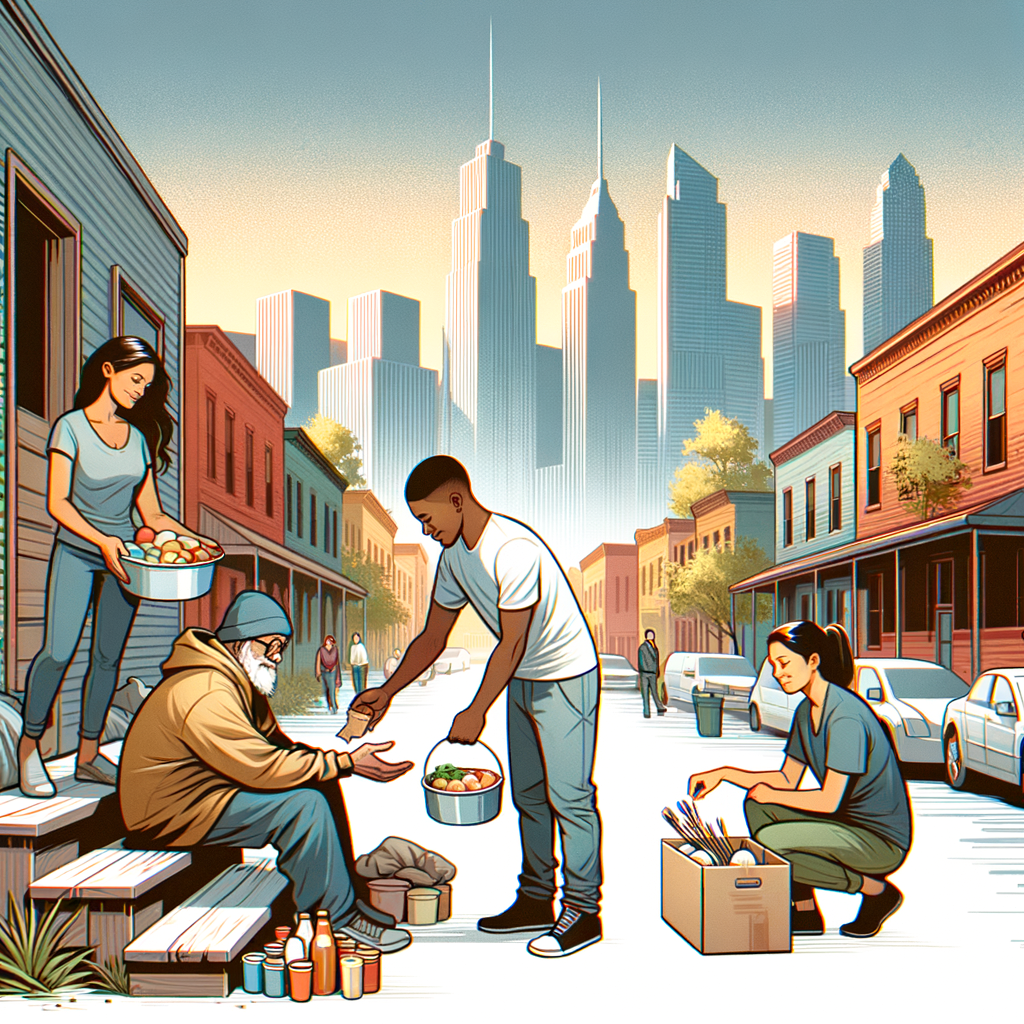
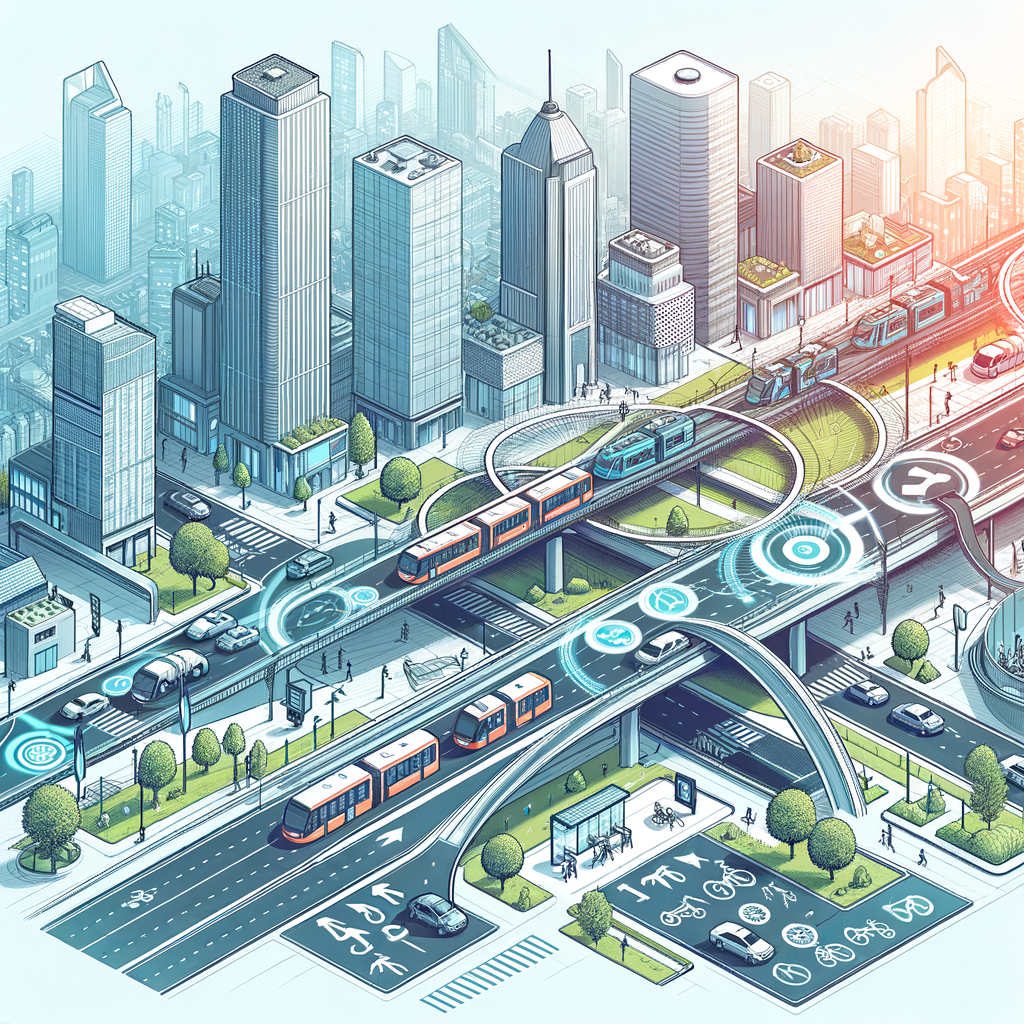
In cities around the globe, gentrification has emerged as a key issue, sparking intense debates and emotional responses. At its core, gentrification refers to the process by which a low-income or working-class neighborhood experiences an influx of more affluent residents. This transformation often results in rising property values and a shift in the cultural and socio-economic makeup of the area. While some argue that gentrification revitalizes neighborhoods by attracting investment, improving infrastructure, and increasing property values, others contend that it often leads to displacement of long-term residents who can no longer afford to live in their communities. Understanding this duality is crucial as it affects not only the economic but also the social dynamics of urban areas. In this article, we explore the multifaceted concept of gentrification, its impacts, and the potential for balancing development with the needs of existing communities.
The Mechanics of Gentrification
Gentrification typically begins when individuals, often artists or young professionals, are drawn to low-cost neighborhoods for their affordability and proximity to city centers. As these areas gain popularity, demand for housing increases. Developers and real estate investors see potential for profit and start to redevelop properties, thus increasing housing prices. Subsequently, amenities like cafes, boutiques, and cultural spaces follow, further attracting more affluent residents.
Consider Brooklyn’s Williamsburg neighborhood as an example. Once an area with industrial roots, Williamsburg saw an influx of artists in the late 1990s due to low rent and large loft spaces. As the neighborhood grew in popularity, developers invested in high-rise condos and upscale shops. Property values skyrocketed, and long-standing residents found it challenging to afford their homes.
Economic Upsides
On the surface, gentrification can lead to economic revitalization by channeling investment into previously neglected areas. Increased property taxes can improve local services such as schools, parks, and infrastructure. Job opportunities may rise due to new businesses and development projects.
In London’s Shoreditch, a historically working-class area, gentrification has transformed it into one of the city’s prime tech and entrepreneurial hubs. The Tech City initiative attracted major companies like Google, and local businesses thrived on the economic boom. Shoreditch has become synonymous with England’s burgeoning digital economy, offering plentiful job opportunities to its residents and newcomers.
The Social Costs of Displacement
While the economic benefits can be significant, gentrification often leads to the social cost of displacement. Long-term residents lose their homes as rents or property taxes increase beyond their means. This disruption tears at the social fabric of communities, affecting local cultures and networks that have existed for generations.
In San Francisco’s Mission District, known for its rich Latino heritage, tech-driven gentrification has led to a cultural shift. Tensions have risen between new, affluent tech workers and the prior low-income residents. Eviction rates increased, and many residents were pushed out to more affordable suburbs, losing not only their homes but also their cultural ties and support systems.
Navigating the Balance: Policy Solutions
Finding a balance between development and displacement involves implementing thoughtful policy solutions. Cities worldwide have adopted measures such as affordable housing requirements, rent control, and community land trusts to mitigate displacement while encouraging development.
- Affordable Housing Requirements: Mandating developers to include a percentage of affordable units in new projects helps keep housing accessible.
- Rent Control: Implementing caps on rent hikes can protect long-term tenants from being priced out.
- Community Land Trusts: These are nonprofit, community-owned entities that maintain ownership of land to ensure long-term housing affordability.
A remarkable example of a successful policy initiative is the creation of the Dudley Street Neighborhood Initiative in Boston. This community-led project successfully acquired land through a community land trust model. By taking control of development in the area, they provided affordable housing and preserved community culture while allowing for some level of economic development.
Community Engagement and Inclusion
Community engagement is key to ensuring that development benefits everyone. Including residents in planning decisions fosters trust and respect for existing social networks. Genuine dialogue between developers, city officials, and community members can result in more inclusive approaches to gentrification.
In Medellín, Colombia, a city once plagued by violence and poverty, the adoption of inclusive urban planning has spurred transformation. Projects such as the Metrocable and development of public spaces involved extensive community input. These efforts not only empowered residents but also reduced crime rates and improved quality of life, setting a benchmark for sustainable urban development.
Case Study: Berlin – A City of Resistance
Berlin stands out as a city that has taken a strong stance against displacement. Known for its vibrant culture and history, Berlin has faced significant gentrification pressure. In response, Berlin’s government has implemented strict rent control laws and buying properties to keep them as public housing.
For instance, Mietendeckel, or “rent cap” law, was introduced to freeze rents for five years and limit increases thereafter. This law aims to protect tenants and preserve the affordability that Berlin is known for, making it a rare example of resistance amid global trends of rising housing costs.
Conclusion: Towards Sustainable Urban Development
The phenomenon of gentrification presents both challenges and opportunities. By understanding the mechanics, economic upside, and social costs, stakeholders can work together to create strategies that minimize displacement while promoting sustainable urban development. Policies like affordable housing requirements, rent control, and community land trusts, alongside community engagement, present promising pathways to create inclusive cities where development benefits are shared more equitably.
For readers interested in furthering this discussion or participating in local planning efforts, engaging with community organizations and local government initiatives is a great start. By being active participants, we can ensure that urban development maintains the delicate balance between revitalization and community integrity.
Frequently Asked Questions
1. What is gentrification, and how does it impact local communities?
Gentrification is a process where a neighborhood undergoes economic and demographic changes as more affluent individuals move into the area. This influx of wealth often leads to an increase in property values, which can impact the cost of living. On one hand, gentrification can bring improved infrastructure, better services, and increased safety to the area. New businesses may open, creating job opportunities and economic growth. However, it also results in significant challenges for existing residents. The rise in living costs can be unsustainable for long-time residents, leading to their displacement. As wealthier newcomers influence the cultural and socio-economic fabric of the neighborhood, it can lead to the loss of cultural heritage and community networks that have existed for generations.
2. How does gentrification lead to displacement, and who is most affected?
Displacement occurs when current residents are pushed out of a neighborhood due to rising costs driven by gentrification. This is often a gradual process, precipitated by increased property taxes, higher rents, and the conversion of affordable housing into more expensive units or luxury homes. Those most affected are typically low-income residents, including renters who are more vulnerable to eviction processes. Minority groups, seniors, and long-time tenants are particularly at risk, as they might not have the financial mobility to sustain the rising living expenses or relocate easily. The social implications are profound, as displacement fragments communities and disrupts established social networks, often forcing individuals to move to areas with fewer resources and opportunities.
3. Can gentrification bring any positive benefits to a community?
Despite the challenges, gentrification can bring certain positive aspects to a community. One of the key benefits is the revitalization of urban spaces. As developers and new residents invest in neighborhoods, there’s often an upgrade to public services and infrastructure, including parks, schools, and transit options. This can enhance the overall quality of life for everyone in the area. Moreover, the influx of new businesses can stimulate economic activity, providing more employment opportunities and potentially increasing the economic capital within the community. Additionally, with increased investment, there might be a rise in community engagement and initiatives to preserve certain local cultures or histories that newcomers find attractive and noteworthy.
4. What strategies can cities implement to balance development with the preservation of communities?
To balance development with community preservation, cities can adopt a multi-faceted approach that prioritizes inclusive growth. Implementing policies such as rent control can help stabilize housing costs, ensuring that long-term residents are not priced out. Inclusionary zoning laws mandate that a percentage of new housing developments are reserved for affordable units, providing options for a range of incomes. Furthermore, cities can invest in social programs that support existing communities, such as job training initiatives and small business grants aimed at empowering local residents. Proactive community engagement is crucial; giving residents a voice in development plans ensures that the cultural and historical value of neighborhoods is maintained. Tailored zoning laws and public funding for transitional or social housing projects can also play a significant role in protecting the interests of vulnerable populations while enabling urban development.
5. How can individuals contribute to mitigating the negative impacts of gentrification?
Individuals can play a significant role in addressing the negative effects of gentrification. Being conscious consumers is a good start, as supporting local businesses helps sustain the cultural vibrance and economic stability of long-standing communities. Engaging with local activism and community organizations can amplify efforts to advocate for fair housing policies and tenant rights. People can also participate in public dialogue and urban planning meetings to ensure diverse input in developmental decisions. Volunteering with or donating to organizations that support affordable housing initiatives can directly aid those at risk of displacement. Lastly, spreading awareness and fostering discussions about the nuance of gentrification and its impacts encourages a broader societal understanding and considerate action toward equitable urban development.