Public health is an ever-evolving field that plays a crucial role in maintaining the wellbeing of society. In urban areas, unique challenges arise due to high population density, diverse demographics, and complex social dynamics. Urbanization leads to both opportunities for improved health services and unavoidable difficulties that must be addressed to ensure healthy living conditions. This article explores public health challenges in urban areas, emphasizing the importance of addressing these issues and providing actionable solutions and strategies.
A key term in understanding this topic is “public health,” which refers to the science and practice of protecting and improving the wellbeing of communities through education, policy making, and research for disease and injury prevention. Urban areas, characterized by their dense populations and significant infrastructure, present public health challenges that differ from rural areas. Concerns in urban health governance include infectious diseases, non-communicable diseases, mental health issues, and environmental health risks. By focusing on these areas, cities can enhance community health outcomes and quality of life.
Urban public health matters because it affects millions of people globally. Cities are hubs of economic, social, and cultural activity, making effective public health measures vital for sustainable development. Urban health challenges often have ripple effects, influencing national and global health systems. With increasing urbanization, addressing urban public health becomes even more pressing.
Infectious Diseases in Urban Environments
Infectious diseases are a significant challenge in urban settings due to high population densities and international connectivity. Diseases can spread rapidly through public transport and crowded living conditions. For example, during the COVID-19 pandemic, cities like New York faced swift transmission, demanding immediate public health responses.
Effective urban strategies include bolstering healthcare infrastructure, establishing rapid response systems, and promoting public hygiene and vaccination campaigns. Mobile health units and virtual consultation services have expanded access to healthcare, accommodating societal needs while minimizing further transmission.
Public health officials must work collaboratively with various stakeholders, including government bodies, healthcare providers, and community organizations, to implement integrated urban health programs. By prioritizing disease surveillance, early detection, and prompt intervention, cities can mitigate the impact of infectious diseases.
Non-Communicable Diseases: The Silent Epidemic
Non-communicable diseases (NCDs) such as diabetes, cardiovascular diseases, and respiratory illnesses are increasingly prevalent in urban settings. These diseases arise from lifestyle factors, including sedentary behavior, unhealthy diets, and pollution exposure. For instance, air pollution in urban areas is linked to increased asthma cases and cardiovascular diseases.
To combat NCDs, urban health strategies should focus on preventive measures, such as promoting healthy lifestyles through community programs and enhancing urban design to encourage physical activity. Policies that regulate food quality, provide nutritional education, and improve access to green spaces for recreation are essential components.
Emphasizing preventive healthcare can reduce the burden of NCDs on urban health systems. Citizen engagement and awareness campaigns can drive community participation, making urban populations proactive in managing their health.
Mental Health Challenges in Cities
Mental health issues, including depression and anxiety, are prevalent in urban environments due to factors such as social isolation, socioeconomic disparities, and overstimulation. A study in London highlighted the strong correlation between urban living and increased mental health disorders. Cities must prioritize mental health as an integral part of public health planning.
Solutions include expanding mental health services, establishing community support networks, and fostering inclusivity in urban policies. For example, cities like Amsterdam have pioneered community mental health programs that bring services directly to underserved populations.
Additionally, incorporating mental wellbeing into educational curricula and workplace wellness programs can bridge gaps in mental health care access. Urban areas should destigmatize mental health to encourage open dialogue and resource utilization.
Environmental Health Risks and Urban Living
Urban populations are frequently exposed to environmental health risks such as air and water pollution, which can lead to serious health outcomes. Smog in cities like Beijing and Delhi significantly contributes to respiratory conditions and reduced life expectancy.
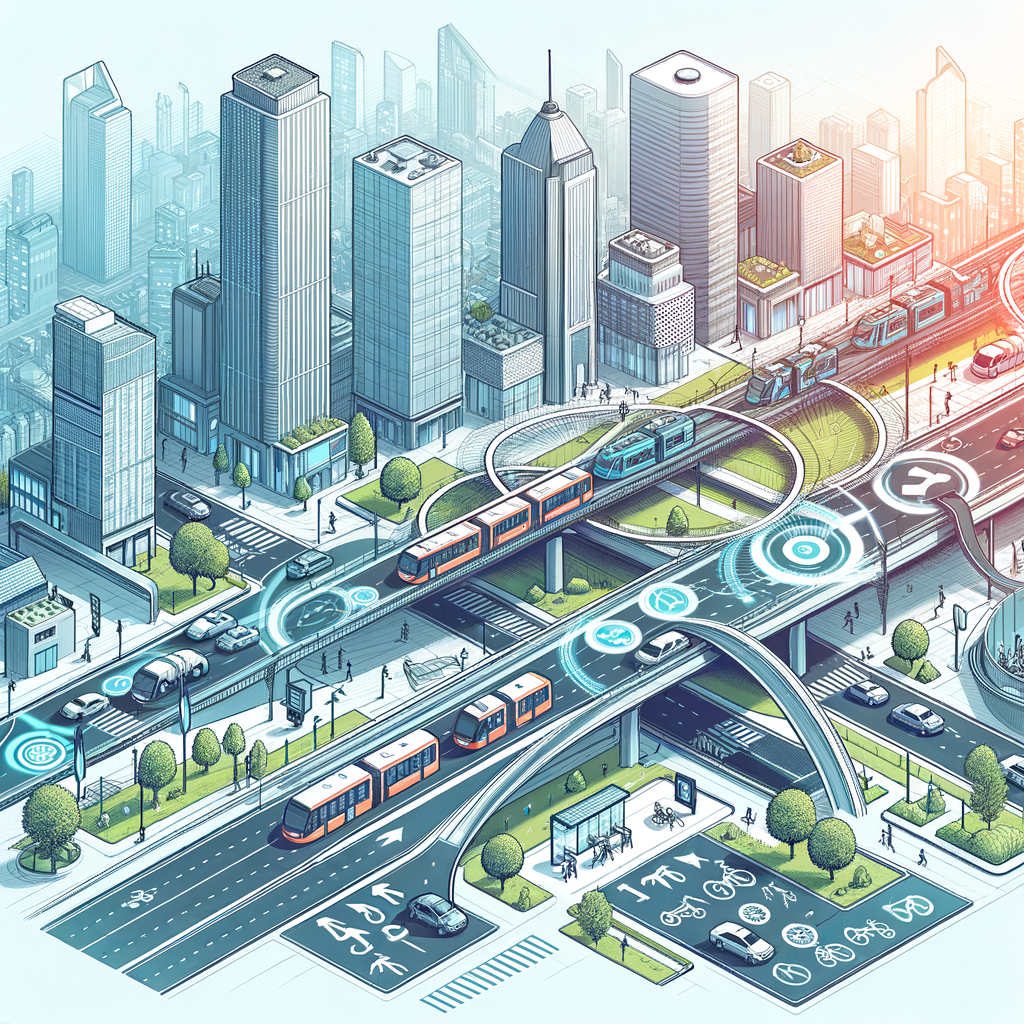
Tackling environmental health requires comprehensive urban planning and strict enforcement of environmental regulations. Transitioning to renewable energy sources, improving waste management, and creating sustainable transportation systems can substantially enhance air quality and overall urban health.
Engaging citizens through educational initiatives and community projects encourages sustainable practices. Cities should implement policies that support environmental conservation and resilience against climate impacts.
| Urban Health Challenge | Strategy | Example |
|---|---|---|
| Infectious Diseases | Rapid response and hygiene campaigns | COVID-19 response in New York |
| Non-Communicable Diseases | Promoting healthy lifestyles | Air quality improvement initiatives |
| Mental Health | Community support networks | Mental health programs in Amsterdam |
| Environmental Risks | Renewable energy and transport systems | Pollution control in Beijing |
Conclusion: Moving Forward with Urban Health Solutions
Addressing public health challenges in urban areas is essential for fostering resilient, vibrant communities. The complexities of urban living demand innovative and adaptable strategies that encompass various health dimensions. By integrating solutions for infectious diseases, non-communicable diseases, mental health, and environmental risks, cities can achieve sustainable health outcomes.
Key takeaways include the need for collaboration among stakeholders, the importance of education and community engagement, and prioritizing prevention over treatment. Urban health interventions should blend technology and tradition, ensuring accessibility and inclusivity for all residents.
As urbanization continues, it’s critical for policymakers, public health professionals, and citizens to work collectively towards robust health systems. By taking proactive actions, we can build healthier urban environments that cater to the physical, mental, and environmental wellbeing of all individuals. Let us commit to these solutions and strive for thriving urban living by being vigilant and conscientious about public health.
Frequently Asked Questions
1. What are the primary public health challenges faced in urban areas?
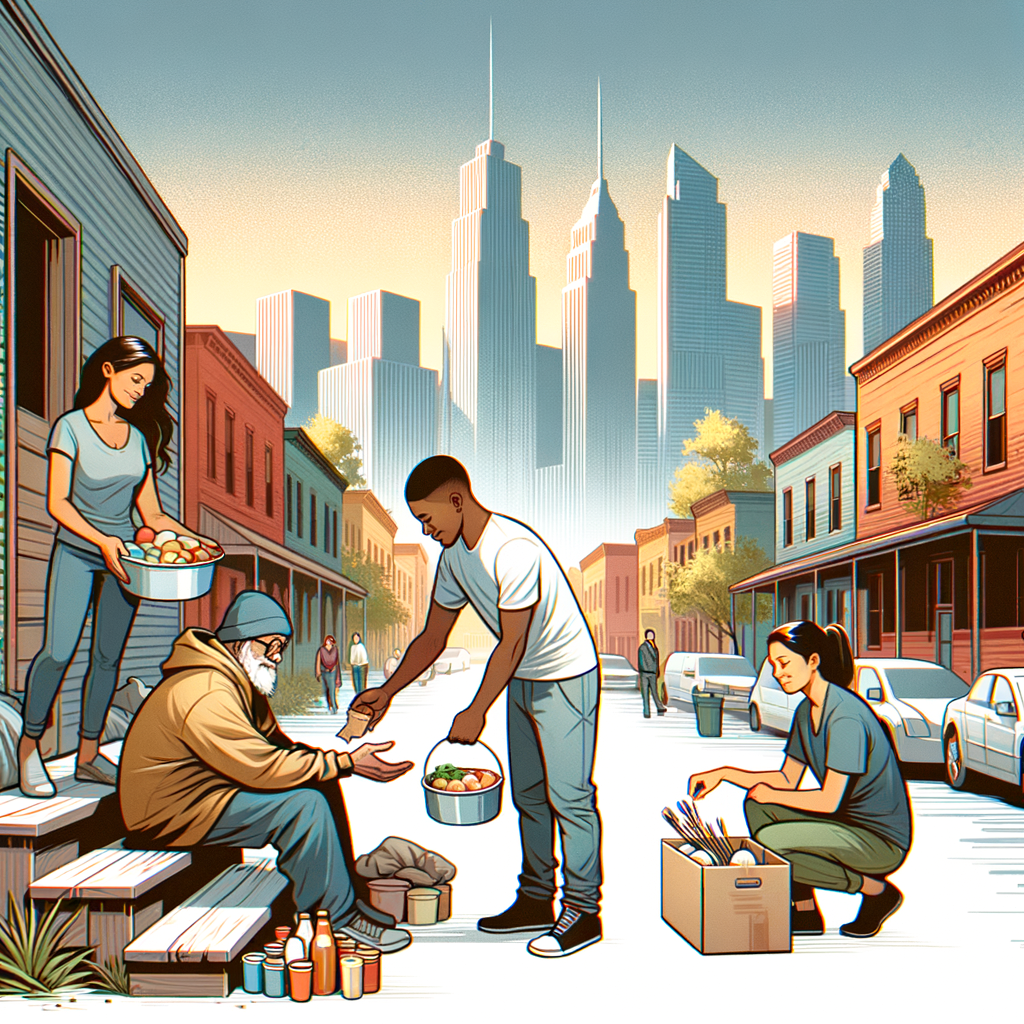
Urban areas are bustling hubs of activity and, as such, they come with their own set of public health challenges. Some of the primary issues include overcrowding, which can lead to the spread of infectious diseases, inadequate sanitation facilities, and increased exposure to air and noise pollution. High population density often means that resources, including healthcare services, may be stretched thin. Urban areas also tend to have a more diverse population, presenting challenges in delivering culturally competent healthcare. Complex social issues, such as poverty and homelessness, exacerbate these challenges. Addressing these issues requires a multi-faceted approach that involves government policy, community involvement, and innovation in healthcare delivery.
2. How does urbanization contribute to public health challenges?
Urbanization is a double-edged sword. On one hand, it brings economic growth and development that can enhance healthcare infrastructure. On the other, it leads to rapid population growth, straining city resources. This increased density can make it difficult to provide adequate housing, sanitation, and clean water, which are foundational for good health. Furthermore, urbanization often leads to the rise of informal settlements, where living conditions are suboptimal, further complicating public health efforts. These areas may lack access to essential healthcare services, making residents more vulnerable to diseases. Urbanization also contributes to lifestyle changes that increase risks for non-communicable diseases like diabetes and heart disease.
3. What strategies can be implemented to improve public health in urban areas?
Improving public health in urban areas requires comprehensive strategies that address both structural and behavioral factors. Initiatives such as improving urban planning to ensure adequate housing and sanitation, enhancing public transportation to reduce air pollution, and increasing green spaces can significantly benefit public health. Moreover, investing in robust healthcare infrastructure is vital. This includes ensuring there are enough healthcare facilities and professionals to meet the demands of a dense population. Promoting health education and awareness can empower residents to make healthier lifestyle choices. Collaboration across sectors, including government, private, and community organizations, is essential to creating sustainable health improvements.
4. How can technology be leveraged to tackle urban public health challenges?
Technology offers vast potential in addressing urban public health challenges. Digital health solutions, like telemedicine, can improve accessibility to healthcare services, especially for those with mobility issues or living in isolated neighborhoods. Data analytics can help city planners and healthcare providers understand health trends and allocate resources more effectively. Additionally, mobile apps can be utilized to disseminate health information and engage with communities. Surveillance systems can track disease outbreaks in real time, enabling faster responses. Moreover, technologies such as air quality sensors and smart grids can help monitor environmental risks, providing crucial data for public health strategies.
5. What role do social determinants of health play in urban settings?
Social determinants of health are crucial in understanding public health issues in urban areas. These determinants include the conditions in which people are born, grow, live, work, and age. In densely populated cities, these factors can significantly impact health outcomes. For example, income inequality can lead to disparities in access to healthcare and nutritious foods, contributing to poor health outcomes. Education plays a crucial role, as it often correlates to health literacy and the ability to make informed health decisions. Additionally, the social environment, such as community support networks, can influence mental health and resilience. Addressing these determinants involves creating inclusive policies that foster equitable access to resources and opportunities for all urban residents.