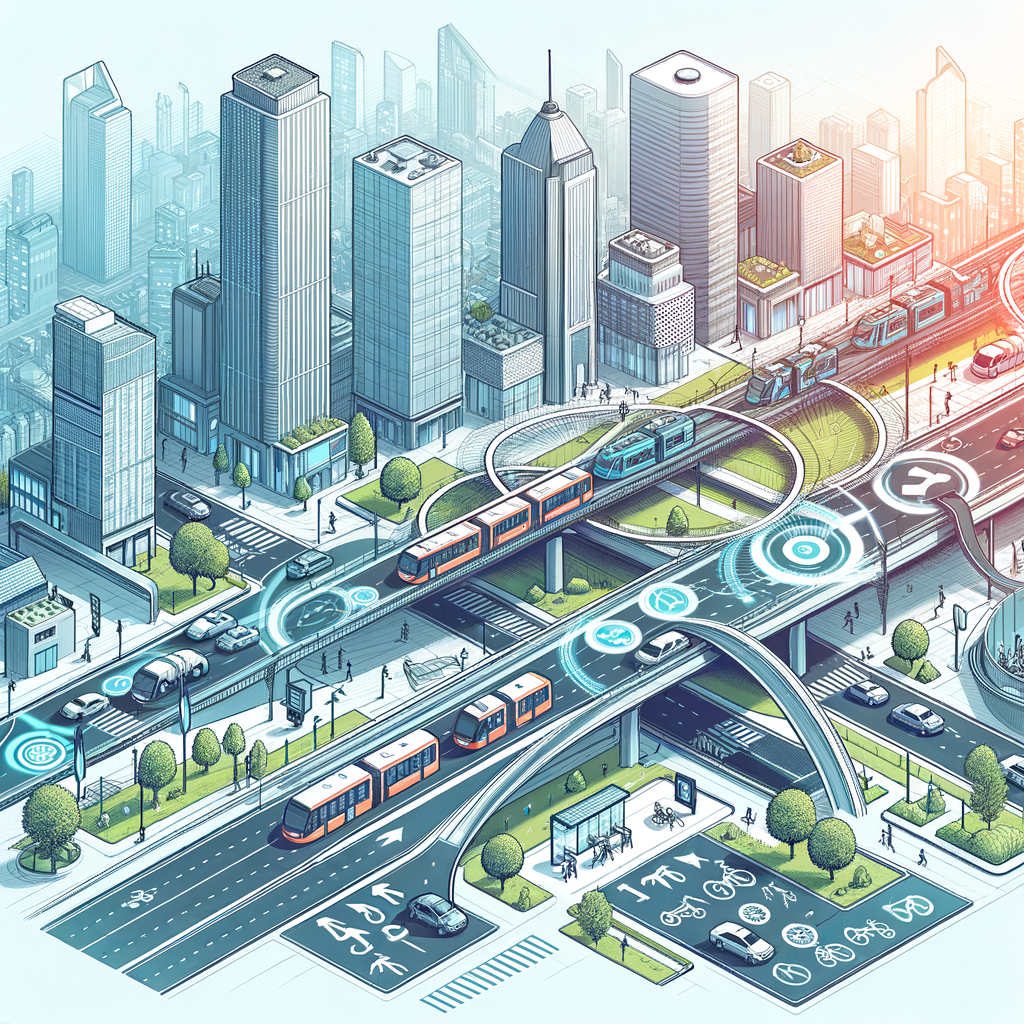
As urban areas continue to expand and populations in cities rise, the need for effective urban infrastructure maintenance becomes more crucial than ever. Urban infrastructure includes a wide array of facilities and systems such as roads, bridges, water supply, sewers, electrical grids, telecommunications, and public transportation. All these components play an integral role in ensuring the smooth and efficient functioning of city life.
Before delving deeper into the subject, it’s essential to understand what urban infrastructure entails. Broadly, it includes both visible structures like roads and tunnels and the underlying systems such as sewers and power grids. These systems require regular surveillance, repair, and upgrades to meet the evolving demands of urban living. Maintaining these infrastructures is imperative not only for the efficiency and safety of daily activities but also for long-term economic sustainability and quality of life in urban areas.
Why does this matter? Poorly maintained infrastructure can lead to dire consequences, including increased traffic congestion, service disruptions, and even accidents. Furthermore, neglected infrastructure may result in significant financial repercussions, often costing more in repairs than the resources saved by delayed maintenance. The efficiency of urban operations, economic growth, and residents’ well-being are all contingent on infrastructure maintenance. Hence, staying proactive in infrastructure upkeep is not just beneficial but indispensable for thriving cities.
Roads and Transportation Networks: Lifelines of Urban Mobility
Urban transportation networks, including roads, bridges, and transit systems, are vital in accommodating the daily movement of millions. These networks support both personal transportation and commercial logistics, making them essential for urban mobility and economic vitality.
Consider the exemplary road maintenance programs of Germany as a real-world example. German cities are renowned for their well-maintained roads and efficient public transit systems. The country invests significantly in timely repair and modernization to accommodate the increasing vehicular and passenger load. This proactive approach minimizes traffic congestion and improves road safety.
By maintaining smooth transportation infrastructure, cities can reduce the economic costs associated with traffic delays and vehicle wear and tear while also minimizing environmental impact through reduced emissions from idling vehicles. Robust transportation networks lead to a seamlessly connected urban populace, enhancing economic and social interactions.
Water Supply and Sewer Systems: Backbone of Public Health
Reliable water supply and efficient sewer systems form the cornerstone of urban health and sanitation. These systems need regular checks to ensure they meet safety and regulatory standards. Failures in these infrastructures can pose significant public health risks and environmental concerns.
An illustrative example can be drawn from Sydney, Australia, where water supply and sewage maintenance are treated as top priorities. The city employs advanced monitoring technologies to ensure early detection of leaks and blockages. Their integrated approach ensures the continuous supply of clean water and the safe disposal of waste, preventing health hazards and preserving resources.
| City | Maintenance Expenditure (USD) | System Improvement |
|---|---|---|
| Sydney | $150 Million | Advanced Leak Detection |
| London | $125 Million | Sewer Upgrades |
| Tokyo | $200 Million | Smart Water Metering |
Through consistent investment and technology integration, urban areas can maintain their water systems’ efficiency, safeguarding community health and promoting sustainable resource consumption.
Electrical Grids and Power Supply: Enabling Urban Life
Electric grids power our homes, businesses, and countless urban services. The dependence on electricity in modern city life cannot be understated, making the maintenance of electrical infrastructures pivotal.
Take New York City as a stark example of effective grid maintenance. Despite its vast population and high energy demands, the city’s efficient power grid management prevents frequent blackouts and service interruptions. By utilizing a combination of predictive maintenance technologies and regular inspections, New York City ensures that its electrical grid remains resilient and capable of meeting demand efficiently.
A continuously maintained electric grid not only prevents costly outages but also supports urban activities, from residential comfort to complex industrial operations. As cities increasingly adopt smart technologies and electrical vehicles, the importance of a dependable power supply grows exponentially.
Telecommunications: The Digital Backbone
In an era of digital interconnectivity, robust telecommunications infrastructure is essential. It supports everything from internet service to emergency communications and is foundational to modern urban lifestyle and functionality.
Singapore presents a model for maintaining telecommunications infrastructure adeptly. As a global tech hub, Singapore invests heavily in telecommunications infrastructure, ensuring high-speed internet access and reliable communication channels. This commitment not only fosters an advanced digital economy but also enhances the quality of life for its residents by ensuring connectivity.
- Reliability: Ensures seamless connectivity for residents and businesses.
- Future-Proofing: Regular upgrades accommodate new technologies and increased demand.
- Economic Vitality: Supports business operations and attracts technological investments.
Initiating regular telecommunications maintenance ensures urban areas remain competitive and capable of supporting both personal and commercial digital needs.
Public Spaces and Green Infrastructure: Enhancing Quality of Life
Maintaining public spaces and green infrastructure contributes to an enhanced urban living environment. Properly cared for parks, plazas, and green areas not only beautify the cityscape but also provide residents with recreational outlets, contributing to holistic well-being.
A prime example is Portland, Oregon, renowned for its extensive network of parks and green spaces. Portland city officials prioritize the upkeep and expansion of green infrastructure, recognizing its benefits in fostering community interactions and providing residents with spaces for relaxation and recreation.
Maintaining these spaces involves regular landscaping, facility upgrades, and ensuring accessibility for all residents. The positive implications on public health, community engagement, and environmental sustainability affirm the importance of investing in public space maintenance.
In conclusion, maintaining urban infrastructure is imperative to ensure cities remain livable, functional, and competitive. From facilitating day-to-day commutes to guaranteeing a steady supply of essentials like water and power, infrastructure maintenance touches every aspect of urban life. Its implications extend beyond just functionality, influencing economic stability, environmental sustainability, and public health.
By integrating technology and executing timely maintenance strategies, urban planners and policymakers can effectively tackle the challenges that urban growth presents. It’s not merely about keeping structures in working order but ensuring that cities can adapt and thrive amidst changing dynamics.
If you’re involved in city planning or urban policy, start by evaluating the current maintenance schedules and budgets. Propose the integration of innovative technologies where feasible, and promote public awareness about the significance of infrastructure maintenance. Remember, a proactive approach today will foster sustainable urban environments for future generations.
Next time you navigate through your city, take a moment to appreciate the invisible efforts that go into maintaining the systems keeping it alive and functional. Encourage your local representatives to prioritize infrastructure investment. Get involved in community initiatives aimed at improving urban infrastructure.
Together, through collaborative efforts and informed decision-making, we can keep our cities thriving and ensure a brighter, more sustainable urban future for all.
Frequently Asked Questions
1. What is urban infrastructure maintenance, and why is it essential for cities?
Urban infrastructure maintenance refers to the regular upkeep, repair, and management of the various systems and facilities that support city life. This includes everything from the roads we drive on, the bridges we cross, the water and sewer systems that provide clean water and remove waste, to the electrical grids that power our homes and businesses, and the telecommunications networks that facilitate communication. Effective maintenance ensures these crucial components function smoothly, prevent costly breakdowns, and extend their lifespan. Maintaining urban infrastructure is vital because it directly impacts the quality of life of city residents. Poorly maintained infrastructure can lead to traffic congestion due to damaged roads, health issues arising from faulty water and sewer systems, and even safety hazards due to structural failures of bridges and buildings. Moreover, in the age of rapid urbanization, where cities are expanding and populations are increasing, the demand on these systems continues to grow, making their effective maintenance more critical than ever. Consequently, proper maintenance supports economic activity by ensuring businesses can operate efficiently, preventing interruptions in services, and safeguarding public safety. By prioritizing urban infrastructure maintenance, cities ensure they remain functional and resilient against everyday wear and tear and unforeseen challenges.
2. How do cities typically manage and prioritize their urban infrastructure maintenance activities?
Cities deploy various methods to manage and prioritize urban infrastructure maintenance, often relying on a combination of technological tools, expert assessments, and strategic planning. With limited resources and an extensive list of infrastructure components that require attention, city planners must be strategic in their approach. One common method is the use of asset management systems, which help cities keep an inventory of their infrastructure assets, monitor their conditions, and schedule maintenance based on data-driven insights. These systems often leverage Geographic Information Systems (GIS) to map and analyze infrastructure conditions across the city. Cities also conduct regular inspections and assessments led by engineers and maintenance experts to evaluate the health of infrastructure components. Based on these assessments, cities can determine which systems require immediate attention or can be scheduled for maintenance at a later date. Priority is typically given to infrastructure components that are heavily relied upon or have a higher risk of catastrophic failure. For instance, a bridge with visible structural weaknesses would be prioritized over a road needing minor resurfacing. Additionally, cities visualize long-term planning, accounting for factors like budget constraints, expected urban growth, and evolving technology. Ultimately, the goal is to establish a proactive, rather than reactive maintenance strategy, reducing the likelihood of unexpected failure and ensuring the efficient allocation of funds towards maintaining a resilient urban environment.
3. What are some of the challenges cities face in maintaining their infrastructure?
Maintaining urban infrastructure presents several challenges that cities must navigate to ensure successful upkeep and operation. One significant challenge is funding. Infrastructure maintenance is often expensive, and budget constraints can delay essential repairs, leading to deterioration and increased costs over time. Balancing maintenance needs with other city expenditures such as education, healthcare, and public safety can be tricky. Another challenge is aging infrastructure. Many cities, especially in developed nations, face the issue of outdated systems built decades ago. These aging systems require more frequent and costly repairs and might not be compatible with modern needs or technologies. The rapid pace of urbanization also presents a challenge. As cities grow, their infrastructure needs expand, often outpacing the resources available for maintenance and upgrades. This requires cities to be innovative in adopting smart technologies that enhance efficiency with limited resources. Environmental concerns pose additional challenges, as cities must maintain infrastructure that can withstand increasingly severe weather patterns and natural disasters due to climate change. Adding to these environmental stresses, urban sprawl and pollution can also accelerate the wear and tear of infrastructure components. Lastly, coordinating between multiple stakeholders, including government agencies, private sector participants, and the community, can be complex. This requires effective communication and collaboration to ensure that maintenance activities align with the broader urban planning and development goals.
4. How does technology aid in the maintenance of urban infrastructure?
Technology plays an increasingly vital role in the maintenance of urban infrastructure, making processes more efficient, cost-effective, and reliable. One of the primary technologies used is the Internet of Things (IoT), which involves installing sensors on infrastructure components to monitor their condition in real time. These sensors collect data on factors such as structural integrity, usage patterns, and environmental conditions, providing valuable insights that city managers can use to make informed maintenance decisions. Remote monitoring and predictive analysis are other technologies that significantly impact maintenance strategies. By analyzing historical maintenance data and real-time condition data, predictive models can forecast when a particular infrastructure component is likely to fail, allowing maintenance to be scheduled before any issues arise. Drones and robotics also contribute to urban infrastructure maintenance by providing a means to inspect hard-to-reach areas safely and efficiently. They can quickly survey large areas, capture detailed images, and provide engineers with comprehensive overviews of infrastructure conditions with minimal disruptions to daily city activities. Furthermore, Geographic Information Systems (GIS) and Building Information Modelling (BIM) offer integrated platforms that map infrastructure assets, track their maintenance history, and visualize future maintenance needs. These tools support better planning and resource allocation. Ultimately, the integration of technology provides cities with the tools they need to transition from reactive to proactive maintenance strategies, reducing costs, minimizing disruptions, and extending the lifecycle of vital infrastructure components.
5. What role does public awareness and community involvement play in urban infrastructure maintenance?
Public awareness and community involvement are critical components of effective urban infrastructure maintenance. Raising public awareness helps residents understand the importance of infrastructure in their daily lives and the role that proper maintenance plays in ensuring safety, reliability, and quality of life. Engaging the community often leads to a greater sense of ownership and responsibility over shared urban spaces. Citizens who understand the impact of their behavior on infrastructure—for example, not littering to prevent blocked sewers or reporting potholes—can contribute significantly to preservation efforts. Involving the community in maintenance planning processes can also foster better communication and trust between city officials and residents. Citizens can provide valuable feedback on local infrastructure needs, helping city planners prioritize maintenance activities that directly address community concerns. Public consultations, workshops, and digital platforms can be used to gather input and disseminate information about ongoing and planned maintenance work. Another aspect of public involvement is volunteering and civic projects where local community members participate in maintenance and beautification projects. These activities not only improve the infrastructure but also enhance community spirit and pride. Overall, public awareness and community involvement empower residents to become active partners in maintaining urban infrastructure, helping ensure that interventions are effectively implemented and widely supported, ultimately contributing to the resilience and functionality of cities.