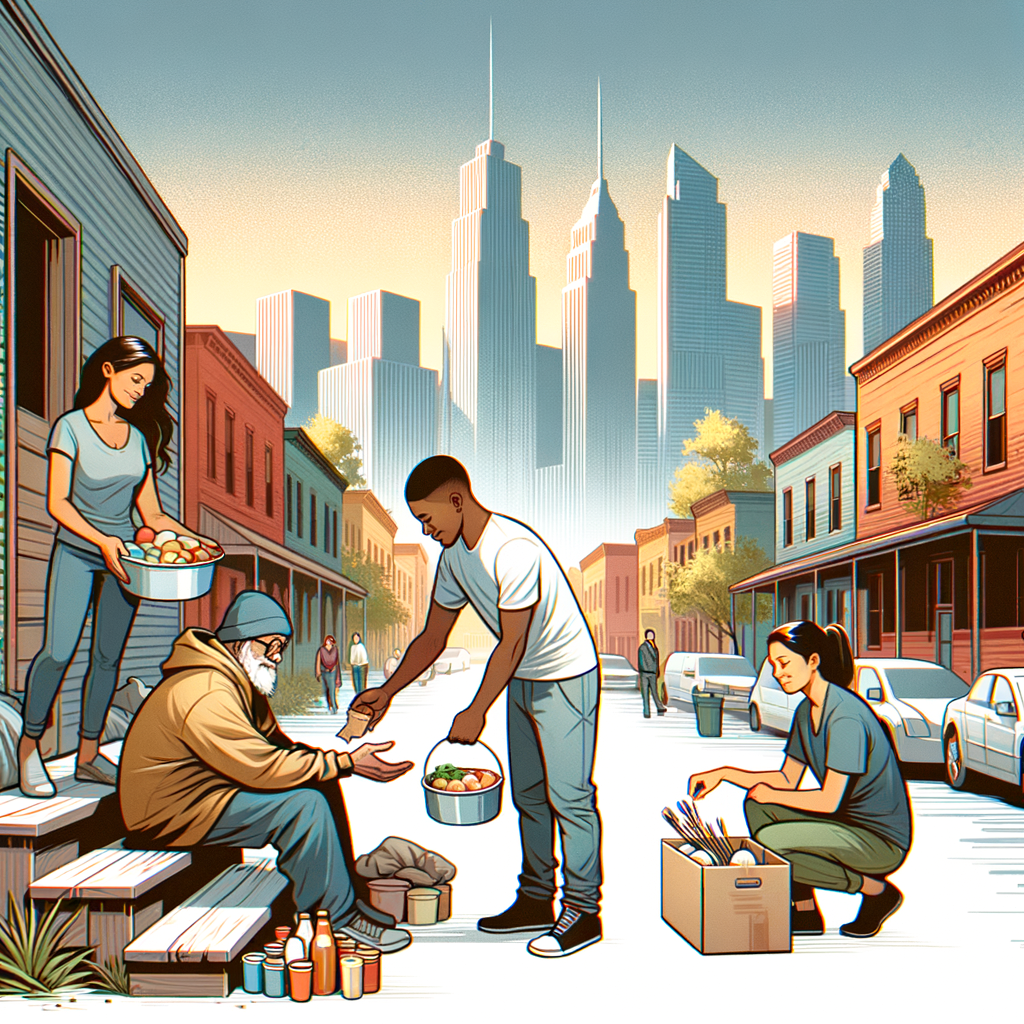
Urban areas across the globe face a plethora of challenges that range from housing shortages and inadequate public transportation to environmental degradation and social inequities. Traditionally, solutions to these urban problems have been devised and implemented by governmental bodies or private enterprises. However, this approach often overlooks the unique needs and perspectives of the communities most affected. Community-led solutions present a powerful and effective alternative that not only addresses these challenges but does so in a way that empowers residents, fosters collaboration, and ensures sustainable outcomes.
Community-led solutions can be defined as initiatives or projects driven by groups of local residents, community organizations, or grassroots movements, focusing on solving urban problems from the bottom up. This type of approach is critical because it aligns solutions with the actual needs and resources of the community, ensuring that strategies are practical and inclusive.
The significance of community-led solutions lies in their potential to create a profound impact not just on the immediate problem but also in strengthening the community as a whole. When community members take part in the decision-making process, they develop a sense of ownership and responsibility, which can lead to greater sustainability of the solutions implemented. In a world where urban challenges are becoming increasingly complex, the involvement of the community is crucial for crafting innovative and effective solutions.
Housing and Homelessness: Co-Operative Housing Models
Affordable housing remains a persistent issue in urban areas, contributing to homelessness and housing insecurity. One community-led solution that has shown promise is the establishment of housing co-operatives. Housing co-operatives are collective associations where residents have shared ownership or control of their housing arrangements. This model allows residents to manage costs more effectively and make decisions that directly relate to their living conditions and community environment.
An excellent example of this is the Zurich-based housing cooperative “Kalkbreite,” which provides affordable living spaces integrated with commercial and social spaces, creating a self-sustaining community. By allowing residents to be actively involved in management decisions, conflicts within the community are reduced, and the residents’ quality of life significantly improves. Such models also reduce the risk of displacement due to gentrification by prioritizing affordability and inclusive living, tailored specifically to the community’s needs.
Transportation: Community-Driven Public Transit Solutions
Transit accessibility is another major issue faced by urban populations. Public transport systems often fail to serve the needs of all community members, leading to problems such as congestion, pollution, and exclusion from economic opportunities. Community initiatives in transportation can bridge these gaps by focusing on locally applicable solutions, such as smaller shuttle services or cooperative transportation networks that residents can rely on.
A normative example of this is the community bus services seen in many metropolitan suburbs. For instance, in rural parts of England, community-run minibusses supplement the regular transit services, ensuring connectivity for isolated residents. These community transit services are typically run by volunteers or not-for-profit organizations and reflect the bespoke requirements of their users. This results in more efficient and targeted transport solutions, raising the overall quality and accessibility of urban transit.
Environmental Sustainability: Community Gardens and Urban Renewal
Environmental issues, including pollution and lack of green spaces, are pressing concerns for urban areas. Community-led initiatives such as community gardens contribute significantly to urban sustainability and resilience. By transforming unused or derelict urban spaces into productive gardens, these projects provide not only food but also communal areas that foster social interaction and environmental education.
One engaging example is New York City’s “Harlem Grown,” a nonprofit organization that transforms vacant lots into thriving urban farms. This initiative improves local food security, offers educational programs, and promotes healthier lifestyles. Participants report increased physical health, a stronger sense of community, and greater environmental awareness. Such projects demonstrate how community-led solutions can drastically improve urban landscapes and community well-being through sustainable practices.
Social Equity: Participatory Budgeting
Social inequities are deeply rooted in urban settings, impacting access to services and quality of life. Participatory budgeting is a powerful tool that communities can leverage to ensure equitable resource distribution and decision-making power. This democratic process enables residents to propose and vote on how a portion of public funds are spent, giving them a direct say in budgetary priorities and ensuring that funds are used for initiatives that benefit the community at large.
An illustration of participatory budgeting can be seen in Porto Alegre, Brazil, where the process has been successfully implemented since 1989. Residents participate in meetings where they decide on spending priorities for public improvements in their neighborhoods, leading to more equitable service distribution, improved transparency, and increased civic engagement. The success of participatory budgeting in Porto Alegre has sparked similar programs worldwide, showcasing its effectiveness in addressing urban social inequalities.
| Type of Solution | Community Impact | Real-World Example |
|---|---|---|
| Housing Co-operatives | Affordable, inclusive living | Kalkbreite, Zurich |
| Community Transit | Improved transit access | Minibusses, rural England |
| Community Gardens | Enhanced sustainability | Harlem Grown, NYC |
| Participatory Budgeting | Greater social equity | Porto Alegre, Brazil |
Technology: Crowd-Sourced Urban Planning
As urban environments grow increasingly complex, the need for innovative solutions that rely on technology has become evident. Crowd-sourced urban planning represents a cutting-edge approach in which community input is solicited through digital platforms, involving residents in the planning and development processes. This method allows for the collection of diverse perspectives and ideas, enhancing the relevance and implementation success of urban projects.
An excellent model of this is the development platform “Maptionnaire” utilized in Helsinki, Finland. It enables citizens to contribute to urban planning through surveys and interactive maps, allowing city planners to incorporate public opinion directly into decision-making processes. This approach not only democratizes urban planning but also results in more practical, user-friendly urban spaces, reflecting the true needs and desires of the community.
Building Shared Spaces: Community Centers as Catalysts for Change
Shared community spaces play an essential role in urban areas, serving as hubs for social interaction, learning, and civic engagement. Community centers, when spearheaded by local groups, can revive neglected neighborhoods and provide much-needed services that address residents’ needs.
One example is the Dalston Eastern Curve Garden in London, which transformed a previously neglected area into a vibrant community garden and meeting space. This community-led initiative has helped foster a sense of belonging, encourages environmental responsibility, and provides a venue for workshops and cultural events. By creating a shared community resource, such projects contribute to building stronger, more resilient urban neighborhoods.
Conclusion: Embracing Community-Led Solutions for a Brighter Future
In summary, community-led solutions offer a transformative approach to tackling urban problems. These solutions harness the power of community members who are directly impacted by the issues, ensuring that responses are relevant and sustainable. From cooperative housing and community transit to participatory budgeting and crowd-sourced urban planning, the examples provided demonstrate the tangible benefits of empowering communities to lead the way in resolving their challenges.
The key takeaway for urban planners, policymakers, and concerned citizens is that fostering inclusive, community-driven initiatives can lead to more effective and enduring outcomes. By acknowledging and leveraging the unique insights and capacities within communities, cities can become more livable, equitable, and sustainable places for all residents.
For readers inspired by the potential of community-led solutions, the next step is to engage with local groups and organizations working on urban challenges in your area. Attend meetings, volunteer your skills, or rally support for initiatives that resonate with you. Together, there is the power to enact meaningful change and build a brighter future for urban communities worldwide.
Embrace the momentum of community-led innovation and become an active participant in the transformation of your city.
Frequently Asked Questions
1. What are community-led solutions in the context of urban problems?
Community-led solutions are approaches to solving urban issues that originate from within the communities themselves rather than being designed and imposed by outside entities, such as government bodies or private companies. These solutions leverage the unique insights, strengths, and priorities of local residents to address challenges like housing, transportation, environmental sustainability, and social equity. By drawing on local knowledge and empowering residents to take part in the decision-making process, community-led solutions ensure that interventions are tailor-made for the population they are meant to serve, thereby being more relevant and sustainable in the long term. This approach not only empowers communities by giving them a voice but also encourages collaboration, innovation, and local ownership of solutions.
2. Why should communities lead the effort to solve urban problems?
Communities should lead efforts to solve urban problems because they possess intimate knowledge of the issues they face on a daily basis. Residents understand the nuances of their neighborhoods, including the cultural, social, and economic intricacies that outsiders might overlook. Community-led efforts foster a sense of ownership and responsibility, motivating residents to actively participate in and maintain the success of implemented solutions. Additionally, when communities are involved, the solutions tend to be more culturally sensitive and practically feasible since they are creatively tailored to fit the real-world context of the residents. Engaging communities in the problem-solving process also promotes inclusivity, equity, and resilience, ensuring diverse voices are heard and all segments of the population benefit from improvements.
3. How do community-led solutions differ from government or privately-led initiatives?
Community-led solutions differ from government or privately-led initiatives in several key ways. Firstly, government and private sector solutions often follow a top-down approach, where decisions are made by authorities or companies with limited input from those directly affected by the urban problems. This can result in generic solutions that fail to address the specific needs of a community. In contrast, community-led initiatives are built from the ground up, ensuring that solutions are customized and align with local realities and priorities. Additionally, community-led efforts often incorporate participatory methods, enabling local stakeholders to actively contribute their knowledge and experience in the decision-making process. This democratic and collaborative approach increases community buy-in and the likelihood of success, as residents are more committed to sustaining programs and initiatives they have helped create.
4. What are some examples of successful community-led urban solutions?
There are numerous inspiring examples of successful community-led urban solutions. One notable example is the participatory budgeting model, where communities directly decide how to allocate portions of a public budget, leading to better prioritization of projects that effectively meet local needs. Another example is community gardens and urban farms, which address food security, enhance green space, and foster social interactions. Cities like Detroit and New York have seen significant benefits from such initiatives, where residents work together to convert vacant lots into productive assets. In Brazil, the Favelas in Rio de Janeiro have witnessed community-driven improvements in infrastructure and housing, with projects that enhance both living conditions and community pride. Each of these examples highlights how grassroots efforts can lead to impactful change and address complex urban challenges in innovative ways.
5. What resources are available to help communities develop their own solutions?
Communities looking to develop their own solutions to urban problems have access to a variety of resources and support networks. Nonprofit organizations often provide guidance, funding, and training to community groups, helping them build the capacity to lead initiatives effectively. Local government agencies can also serve as partners, offering resources and platforms for community engagement and input in official projects. Additionally, digital tools and platforms are increasingly available to facilitate community organizing, collaboration, and the sharing of best practices. Programs such as community leadership workshops, grassroots advocacy training, and grants or microloans specifically for community-led projects can also empower residents to take initiative. Furthermore, academic institutions and think tanks often collaborate with communities to conduct research and provide evidence-based insights that strengthen project proposals and implementation strategies, ensuring success and sustainability.