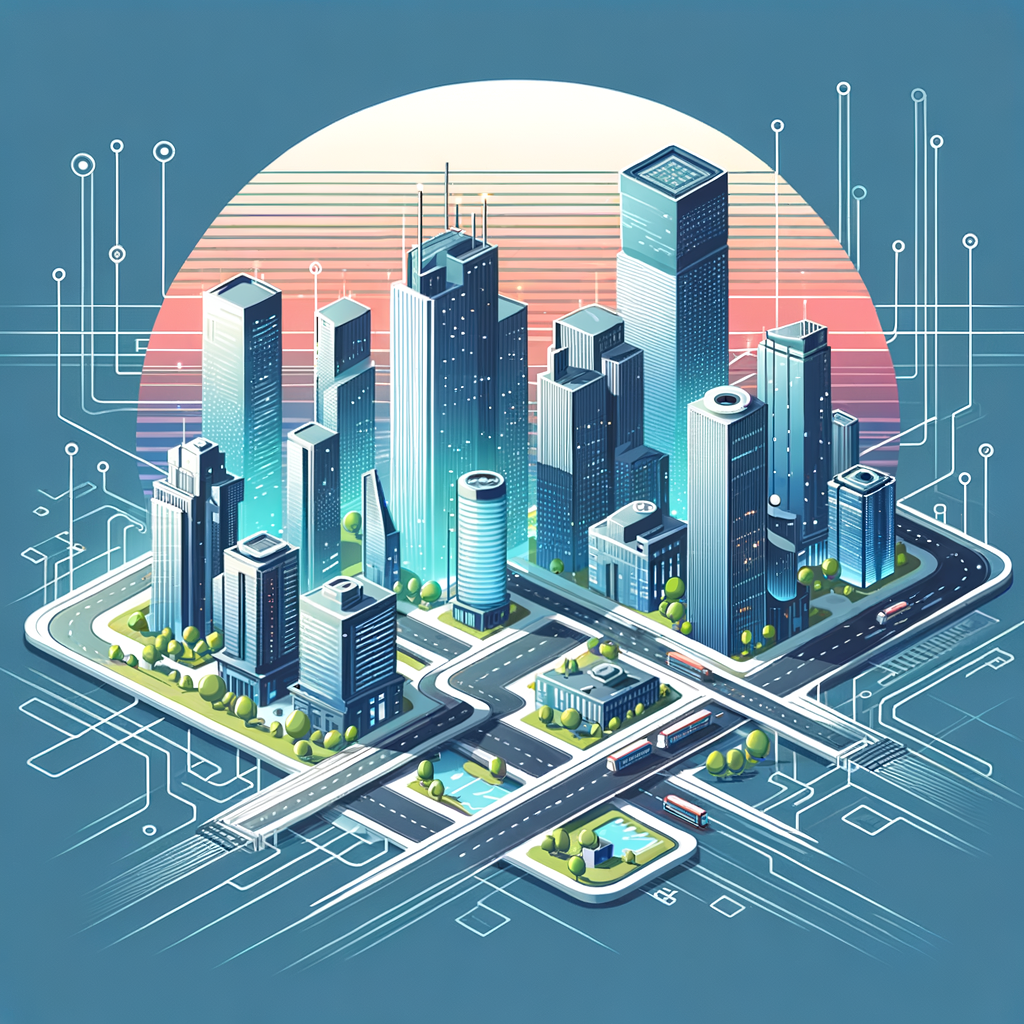
Urbanization is a continuing global trend, with more than 56% of the world’s population now living in urban areas. This rise in urban populations introduces a slew of new challenges for cities, including congestion, pollution, housing shortages, resource management, and infrastructure maintenance. With these challenges gaining in complexity and intensity, urban planners and technologists are looking to innovative solutions that can transform cities into smart cities. Smart city technologies leverage data, digital solutions, and the Internet of Things (IoT) to enhance urban living. These technologies promise to optimize infrastructure, streamline services, improve sustainability, and enhance citizens’ quality of life. By adopting smart city initiatives, urban centers aim to address the multifaceted problems that come with modern urban life, fostering environments that are not only efficient and economically vibrant but also sustainable and humane.
This introduction sets the stage for exploring how smart city technologies are confronting urban challenges. By dissecting the various aspects of smart city technologies, this article will elucidate the means by which they promise to redefine urban living. There’s a critical need for cities to innovate and adapt to the rapid pace of technological advancement, ensuring that systems are in place to meet the demands of an expanding urban populace. The transition to smart cities involves a profound rethinking of urban planning, involving the integration of data-driven decision-making into every facet of city operations, from energy management to transportation and communication networks.
Sustainable Energy and Resource Management
One of the significant areas where smart city technologies are making an impact is in sustainable energy and resource management. Cities are large consumers of energy and thus contributors to carbon emissions. Smart grids, which are part of these new technologies, enhance energy distribution efficiency, allowing real-time monitoring and adjustments that minimize energy waste. Smart meters installed in buildings provide data on energy consumption, empowering residents and officials to make informed decisions about electricity usage. These systems can identify peak usage times and facilitate efforts to shift consumption patterns, reducing stress on power systems.
The implementation of renewable energy sources is further supported by smart technologies. Solar panels, for instance, can be connected to a city’s grid to provide alternative clean power. Real-time data from these installations can be collected and analyzed to optimize energy production and integration into the grid. Additionally, smart water management systems detect leaks in water distribution networks, ensuring the conservation of this precious resource while minimizing the costs associated with water wastage.
Intelligent Transportation Systems
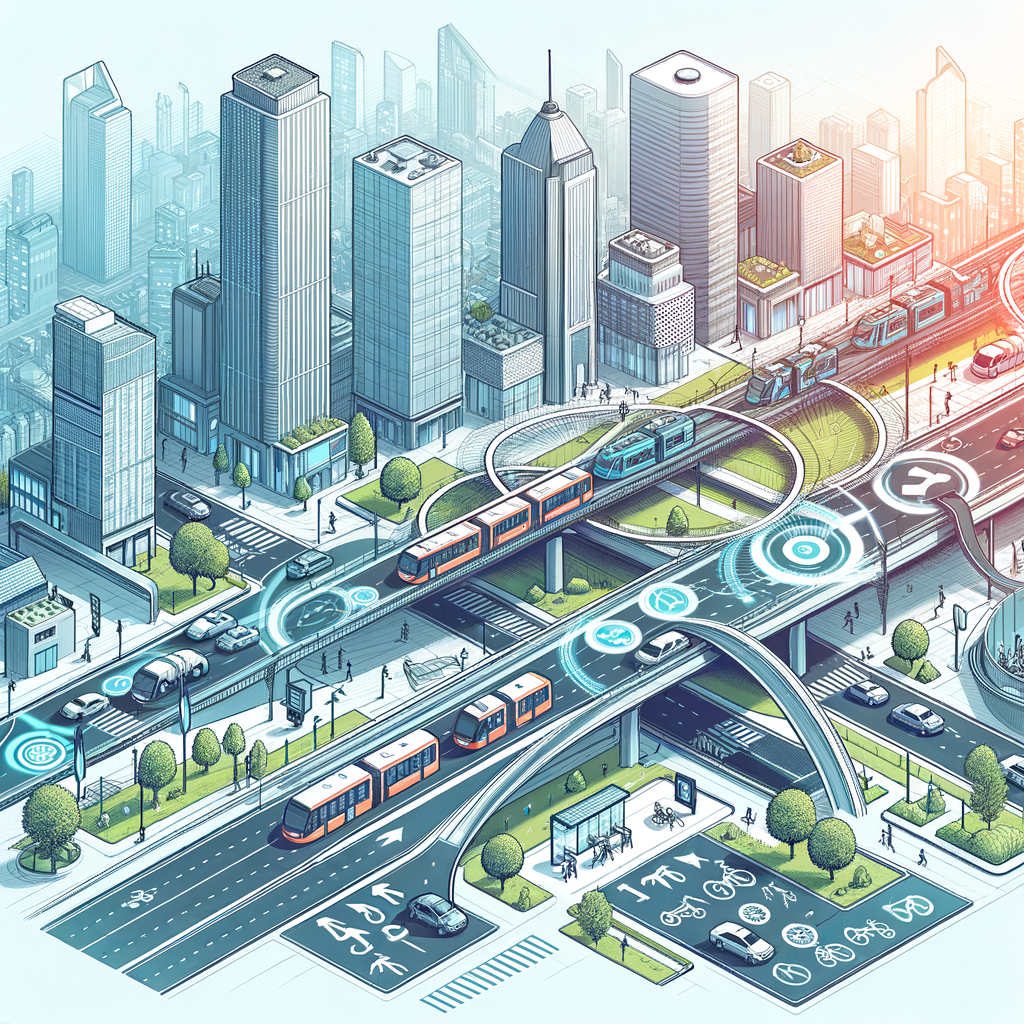
Transportation is one of the most critical components in urban planning, and smart city technologies are revolutionizing this sector. Intelligent Transportation Systems (ITS) utilize IoT devices and data analytics to improve traffic flow, reduce congestion, and enhance safety on the roads. By integrating traffic control systems with sensors, cameras, and data analytics, cities can dynamically manage traffic signals to avoid bottlenecks and ensure smoother vehicular movements.
Moreover, public transportation systems have become more efficient through smart technologies. Real-time tracking of buses and trains enables precise scheduling and updates for citizens via mobile apps, improving the user experience by minimizing waiting times. Concepts like ride-sharing and car-pooling have also been facilitated through platforms that use smart technology to match riders with drivers, promoting sustainable and overcrowding reducing commute options.
Smart parking solutions are another transformative aspect of ITS. Sensors in parking areas provide real-time data to a centralized system that helps drivers locate available spots quickly, contributing to decreased vehicle emissions, reduced frustration, and a more efficient use of parking spaces. Autonomous and electric vehicles further underline the revolution in transportation, promising decreased emissions and safer travel through cutting-edge sensor and communication technologies.
Urban Infrastructure and Waste Management
Urban infrastructure must be robust, adaptable, and efficient to address the unique challenges posed by growing cities. Smart city technologies ensure infrastructure is designed and maintained with foresight and flexibility. For example, smart buildings are equipped with advanced management systems that control lighting, heating, and ventilation efficiently, reducing energy consumption and enabling sustainable urban environments.
Innovative construction and infrastructure monitoring technologies use sensors and data analytics to provide insights into the structural health of buildings, bridges, and roads. These systems predict when maintenance is needed, preventing costly failures and ensuring public safety. Additionally, drones inspect hard-to-reach areas, providing comprehensive data quickly and efficiently.
Waste management is another crucial aspect for cities striving to be smarter and greener. IoT-enabled smart waste bins have sensors that monitor capacity levels and provide data on waste patterns. With waste management routes optimized based on real-time data, cities can reduce fuel consumption and emissions from collection vehicles while ensuring timely removal of waste. Recycling efforts are enhanced through smart sorting technologies that improve efficiency, contributing to reduced landfill use.
Enhanced Public Safety and Healthcare
Public safety is paramount in urban settings, and smart city technologies are enhancing security and emergency response systems. Cities can leverage a network of cameras, automated license plate readers, drones, and other surveillance tools to monitor public spaces, helping authorities detect, prevent, and respond to criminal activities effectively. Data analytics and predictive policing models also assist in resource allocation and strategic planning, creating a safer environment for all residents.
In terms of healthcare, smart city technologies enable better health monitoring and disease control. Sensors and wearable devices collect health data that can be valuable in tracking disease outbreaks. This data facilitates prompt actions and informed policy decisions during health crises. Telemedicine platforms provide round-the-clock access to healthcare, bridging the gap for citizens who reside in urban areas but may have limited physical healthcare accessibility. This not only increases the availability of healthcare services but also optimizes the resources of medical establishments.
Social Inclusion and Citizen Engagement
Smart city technologies play a critical role in promoting social inclusion and enhancing citizen engagement. By providing digital platforms for communication and feedback, these technologies ensure that city governments can interact dynamically with residents. Cities can gather real-time data from citizens through mobile applications to address concerns and allocate resources effectively.
Inclusivity is also promoted by ensuring that digital services are accessible to all, including marginalized and elderly populations. Education and training on using digital technologies can bridge the digital divide, empowering more citizens to benefit from smart city offerings. Furthermore, smart technologies enable inclusive city planning by analyzing a diverse range of data, engaging with community needs, and crafting informed policies that reflect the true demographic and cultural composition of the urban environment.
Smart Economy and Governance
Building smarter cities also results in smarter economies. The integration of digital technologies into city infrastructure generates a wealth of data, proving invaluable for economic strategizing and fostering innovation. Data-driven insights are instrumental for businesses to thrive in smart cities, enabling them to make informed decisions, customize products and services, and improve customer experiences.
Governance, too, stands to benefit significantly from smart technologies. Digital tools assist in streamlining administrative processes, reducing bureaucracy, and enhancing transparency. E-governance platforms simplify interaction with city services, improving accessibility and responsiveness to resident needs. Furthermore, there is an enhanced capacity for participatory governance, where citizens have platforms to contribute to policy formulation and decision-making, ensuring that governance is more democratic and reflective of public hopes and challenges.
Conclusion
As cities continue to grow, the capacity to effectively address the diverse array of challenges they face becomes increasingly tied to technological innovation. Smart city technologies present a transformative pathway for urban centers to evolve, managing resources, enhancing quality of life, and ensuring sustainable development. By embracing data-driven decision-making, cities are positioned to better cope with congestion, pollution, and resource management issues—challenges that if left unattended, could stifle urban growth and development.
The ongoing implementation of smart city technologies represents a fundamental shift in how cities operate, emphasizing efficiency, sustainability, and inclusivity. From managing energy consumption and public transportation to improving healthcare and public safety, these technologies facilitate a more responsive and adaptable urban environment. Policymakers and urban planners must continue to support this evolution by fostering regulatory frameworks and encouraging innovation that aligns with the smart city vision.
Ultimately, the successful integration of smart city technologies relies on collaboration between governments, the private sector, and citizens. By working together, cities can harness these technologies to build urban spaces that are not only more efficient and productive but also more livable and equitable for all. The future of urban living is smart, and the challenge before us is to embrace it fully to reshape cities into dynamic, adaptive, and sustainable environments fit for the challenges of the 21st century.
Frequently Asked Questions
1. What exactly are smart city technologies and how do they address urban challenges?
Smart city technologies refer to a suite of advanced tools and systems that leverage information and communications technology (ICT) to enhance the quality and performance of urban services. These technologies aim to improve how residents interact with their environments and to create a more efficient, sustainable, and livable city atmosphere. By integrating IoT devices, Big Data analytics, artificial intelligence, and machine learning, cities can address a variety of urban challenges such as congestion, pollution, housing shortages, and infrastructure management.
For example, IoT sensors can be deployed to monitor traffic conditions in real-time, which allows for dynamic traffic signal adjustments and helps reduce congestion. Smart energy grids can optimize the distribution and consumption of electricity, thereby reducing emissions and improving air quality. These strategies not only alleviate current urban problems but also make cities more adaptive and resilient to future challenges.
2. How can smart city technologies help in reducing urban congestion?
Urban congestion is one of the most pressing issues faced by cities today. Smart city technologies address this issue primarily through the deployment of intelligent transportation systems (ITS). These systems use real-time data to manage traffic lights more efficiently, thereby reducing wait times and preventing bottlenecks.
Moreover, smart cities can deploy apps and platforms that provide users with real-time information on public transport schedules, available parking spaces, and traffic conditions, encouraging a shift to more efficient travel methods. For instance, cities like Singapore have implemented electronic road pricing (ERP) systems to manage roadway demand, influencing driving behavior by adding tolls based on congestion levels. This not only reduces traffic but also fosters usage of alternative transport modes like cycling, car-sharing, or public transit.
3. In what ways do smart city technologies improve environmental sustainability in urban areas?
Smart city technologies substantially contribute to environmental sustainability by implementing solutions that minimize waste, pollution, and energy consumption while maximizing resource efficiency. One prevalent technology is the smart grid, which optimizes the distribution and consumption of energy, enabling the integration of renewable energy sources such as solar and wind into the city’s power infrastructure.
Furthermore, smart waste management systems are implemented by using sensor-equipped containers to monitor the fill levels of waste bins, ensuring they are collected efficiently and on demand rather than on a fixed schedule. This reduces unnecessary collection rounds, minimizing fuel consumption and air pollution.
Cities also deploy air quality monitoring systems that provide real-time data about air pollutants, allowing urban planners to identify pollution sources and mitigate emissions effectively. The use of LED street lighting controlled by smart systems can also significantly reduce energy consumption.
4. How do smart city technologies address housing shortages and affordability?
Solving housing shortages and affordability issues within urban environments involves a multi-faceted approach, and smart city technologies play a crucial role in this effort. One effective method is employing advanced data analytics to better understand patterns and demands in housing markets. Through analyzing this data, policymakers and developers can make informed decisions about where to build new housing, at what density, and what types of accommodations are in most demand.
Smart zoning codes and digital permitting systems also streamline the processes by which housing projects are approved and completed, reducing bureaucracy and delays. Furthermore, the growing trend of smart homes equipped with energy-efficient devices and IoT technology can make utilities more affordable for residents, reducing the overall cost of living.
These technologies can facilitate the concept of shared living arrangements or co-housing, by integrating platforms that match residents based on needs and preferences, optimizing space utilization and cutting down on individual housing expenses.
5. How do smart city technologies enhance public safety and security?
Public safety is critically enhanced in smart cities through various innovative technologies. Surveillance systems equipped with advanced video analytics and facial recognition software play a key role in monitoring public spaces, identifying potential threats, and responding swiftly to incidents. These systems are integrated with AI to process vast amounts of footage and deliver real-time alerts to law enforcement agencies.
Smart city technologies also extend to emergency response systems, where IoT devices and smart sensors can detect fires or hazardous conditions and alert emergency services faster than traditional methods. Early warning systems supported by advanced weather prediction models can inform residents and officials about impending natural disasters, ensuring timely evacuation or precautions.
Additionally, community safety is further bolstered by smart lighting systems that adjust public lighting based on activity levels, reducing the risk of accidents and crimes. Personal safety apps provide residents with tools to report crimes or incidents quickly, connecting citizens directly with local authorities or community responders.