Urban areas worldwide are experiencing unprecedented growth, grappling with soaring population rates, increasing urbanization, and significant environmental challenges. Public transportation systems serve as the lifeblood that connects these vibrant cities. However, while the demand for efficient, reliable, and sustainable transportation within urban environments continues to rise, many cities face inadequate infrastructure, outdated policies, and underfunded systems. This inadequacy leads to congestion, pollution, and dissatisfaction among commuters. Improving public transportation in urban areas is not only crucial for enhancing quality of life, but also for fostering economic growth and ensuring environmental sustainability. This article explores the multifaceted solutions to revitalizing public transportation systems in urban settings, focusing on innovative methods, policy reforms, technological advancements, and community engagement. Through a comprehensive examination of these elements, cities can develop robust transportation networks that meet current demands while anticipating future needs.
Modernizing Infrastructure
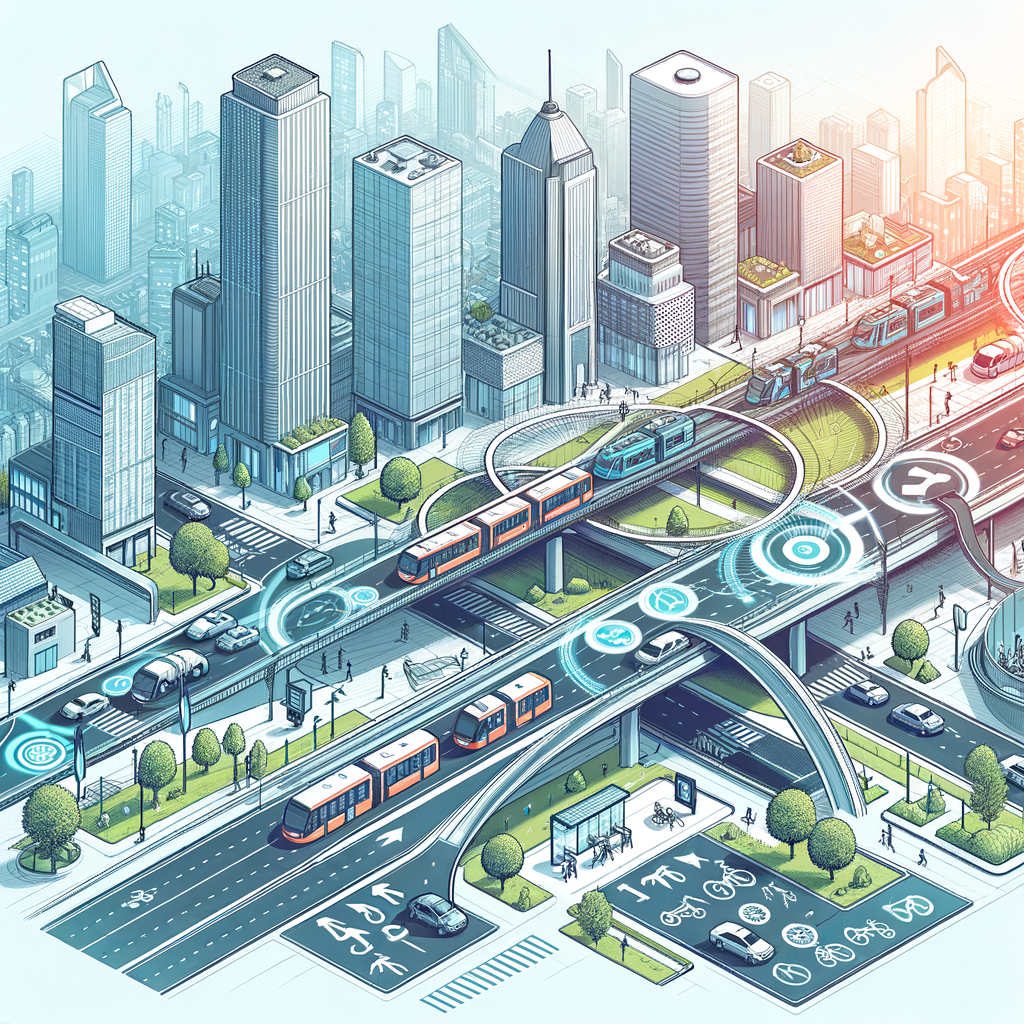
The backbone of any effective public transportation system is its infrastructure. Upgrading outdated facilities plays a critical role in improving service efficiency. Urban transportation infrastructure includes subways, trains, buses, and tram systems. Many of these systems, particularly those in older cities, rely on aging technology and mechanical systems that require frequent and costly repairs. Modernization must involve the transition to electrified rail systems, which not only improve efficiency but also reduce emissions. Furthermore, expanding infrastructure to previously under-served areas increases accessibility; therefore, cities can alleviate congestion in densely populated regions by decentralizing transit hubs.
Furthermore, implementing dedicated bus lanes and optimizing signal timings can dramatically improve the speed and reliability of bus services. Modern infrastructure also demands the inclusion of smart technologies, such as real-time data analytics for improving scheduling and routing efficiency. Additionally, integrating intermodal transportation options, where commuters effortlessly switch from trains to buses or bicycles, is vital for an efficient network. Seeking community input in the design process ensures that infrastructure developments reflect the actual needs of the populace and reduces resistance to change.
Harnessing Technology and Innovation
The role of technology in modern public transportation systems is undeniable. Recent innovations offer untapped potential for improving urban transport. For instance, the use of artificial intelligence in dynamic scheduling allows transit operators to adapt to real-time road conditions and passenger counts. This adaptability increases both efficiency and rider satisfaction. Mobile apps that provide real-time tracking and updates offer passengers transparency, allowing them to make informed decisions about their journeys, reducing waiting times, and enhancing the overall commuter experience.
Increasing interest in autonomous vehicles presents another opportunity for public transportation innovation. While wholly automated systems might be futuristic, semi-autonomous buses have already begun trials in several cities. These technologies promise to enhance safety and reduce operating costs over time. Moreover, the development and deployment of electric buses reflect a significant step towards sustainability in public transportation. Electric vehicles reduce carbon footprints and operational costs related to fuel consumption. Cities should also invest in solar-powered bus stops and stations as components of sustainable infrastructure.
Reforming Policies and Funding Models
Efficient public transportation is supported by robust policy frameworks and sustainable funding models. Policymakers need to prioritize the integration of transportation planning with urban development strategies. Policies should incentivize the use of public transportation through affordable pricing strategies and enhanced service reliability. Introducing congestion pricing in overburdened urban centers can also manage demand by discouraging car use and generating revenue for public transportation systems.
Finding innovative funding mechanisms is crucial. Public-private partnerships offer a viable solution for cash-strapped municipalities looking to invest in transportation infrastructure. These collaborations can leverage private sector expertise and funding, reducing the public burden. Additionally, public transportation funding should be diversified; cities can consider tapping into carbon credit markets or implementing a tax levy on potential environmental polluters to finance transportation network improvements. By restructuring subsidies, governments can ensure resources are allocated efficiently, targeting subsidies toward projects that demonstrate clear benefits in reducing congestion or pollution.
Enhancing Safety and Comfort
Safety and comfort are paramount to increasing public transportation usage. Improving safety involves more than addressing crime; it involves ensuring that all transportation modes are equipped with the necessary safety features and protocols. Introducing visible security personnel and upgrading lighting in stations and vehicles can reduce safety concerns. Moreover, modern surveillance systems equipped with AI technology can efficiently monitor activities and detect anomalies, enhancing security.
Comfort, aside from safety, is another critical factor that influences public transportation use. Maintaining clean and well-ventilated vehicles and stations can make public commuting a more pleasant experience, encouraging regular use. Innovations such as ergonomic seating and noise-canceling measures within vehicles can enhance comfort during travel. Additionally, designing stations and vehicles to accommodate individuals with disabilities or different mobility needs ensures inclusiveness and accessibility for all commuters.
Promoting Community Engagement
Successful public transportation systems are reflective of the communities they serve. Promoting community engagement through regular consultations and feedback mechanisms ensures that transportation networks are tailored to the population’s needs. Encouraging public participation in the planning process fosters a sense of ownership and advocacy among city residents. Additionally, incorporation of cultural and local contexts in transportation systems—through architecture, design, and naming—can enhance the overall commuting experience.
Effective communication strategies are crucial in promoting public transportation use. Cities need to develop clear and engaging campaigns that highlight the benefits of public transportation in terms of reduced travel times, cost savings, and environmental impact. Educating the public through campaigns can alter perceptions and habits, encouraging them to choose public transportation over private vehicles. Municipalities must also engage with residents to inspire confidence in the reliability and safety of public transportation systems.
Fostering Sustainable Practices
Sustainability is at the forefront of urban planning, including public transport development. Transitioning to greener technologies is essential for reducing environmental impacts. Apart from integrating electric and hybrid vehicles, cities must explore other sustainable solutions such as hydrogen cell-powered buses. Encouraging cycling and pedestrian-friendly pathways complements public transportation networks and contributes to environmental conservation.
Incorporating green spaces around urban transit hubs can improve air quality and provide passengers with a more enjoyable traveling environment. Furthermore, solar energy solutions for powering stations can decrease operational costs and enhance sustainability. By implementing recycling programs across transportation systems and adopting waste-minimization strategies, cities can significantly reduce their carbon footprint.
Conclusion
Improving public transportation in urban areas is a multifaceted endeavor requiring a holistic approach across various domains: infrastructure modernization, technological innovation, policy reform, safety enhancement, community engagement, and sustainability. Urban centers that prioritize and invest in enhancing their public transportation systems stand to gain significantly. Improved public transportation leads to reduced pollution, less congestion, and improved economic growth through enhanced connectivity. By leveraging modern technology and sustainable practices, cities can develop resilient transit systems that not only meet but exceed the expectations of a growing urban population. As the challenges continue to evolve, so must the solutions. Embracing dynamic strategies and fostering close collaborations between governmental bodies, private entities, and communities can lead urban public transportation into a more efficient, sustainable, and user-centered future.
Ultimately, transforming public transportation into the first-choice option for daily urban commutes requires dedication and perseverance. Creating a robust, resilient, and forward-looking transportation network, tailored to the specific needs and challenges of each city, necessitates collaboration across all levels of stakeholders. With clear objectives and sustained investment, urban areas can transform public transportation from a ubiquitous convenience into a vital force driving sustainable urban growth and enhanced quality of life.
Frequently Asked Questions
1. Why is improving public transportation in urban areas important?
Public transportation is crucial for urban areas because it connects people to jobs, education, services, and social activities, which is essential as cities grow. Efficient public transit systems can reduce the reliance on personal vehicles, leading to decreased traffic congestion and pollution. With urban areas facing rapid population growth and environmental challenges, improving public transportation offers a sustainable solution that supports economic growth and enhances the quality of life. Effective public transit transforms cities into more accessible and inclusive places by providing equitable access for everyone, including those who might not have personal vehicles.
2. What are the main challenges faced by public transportation systems in urban areas?
Many urban public transportation systems struggle with outdated infrastructure and technology, making it difficult to keep up with the increasing demand for service. Funding shortages often hinder the ability to expand and improve transit networks. Furthermore, public transportation policies sometimes fail to adequately address the needs of growing urban populations, leading to inefficient and unreliable service. Cities also face challenges in integrating various modes of transportation and developing environmentally sustainable practices. The pressures from rapid urbanization and increased environmental awareness add layers of complexity to planning and executing improvements.
3. How can cities make their public transportation systems more environmentally sustainable?
To make public transportation more environmentally sustainable, cities can invest in electric and hybrid buses, which reduce emissions compared to traditional diesel-powered vehicles. Transitioning to renewable energy sources for trains and other transit vehicles is another effective strategy. Furthermore, developing infrastructure that supports cycling and walking complements public transit by facilitating non-motorized transportation options. Urban planners can also champion policies that encourage transit-oriented development, promoting high-density housing, and mixed-use areas near transit hubs to reduce the need for car travel. Overall, fostering a culture of sustainability and investing in green technologies can significantly reduce the environmental footprint of public transportation systems.
4. What role does technology play in improving urban public transportation?
Technology is integral to modernizing public transportation systems and enhancing their efficiency. Implementing smart ticketing systems allows for seamless payments across different transit modes, making the user experience more convenient. Real-time data and GPS can help passengers track transit vehicles, optimize travel routes, and provide up-to-date service announcements, improving overall reliability. Furthermore, advanced analytics can assist transit authorities in understanding ridership patterns and making data-driven decisions to optimize service schedules and resource allocation. Incorporating technology into transit operations can reduce delays, improve passenger satisfaction, and facilitate more efficient use of resources.
5. How can community involvement contribute to better public transportation?
Community involvement is essential for successful public transportation improvements because it ensures that the needs and preferences of local residents are considered. Engaging community members through forums, surveys, and workshops can provide valuable insights into the issues commuters face and the changes they desire. Residents can offer perspectives on accessibility, safety, and convenience that might not be evident to planners and transit authorities. Moreover, active community involvement can help foster public support for proposed changes, driving advocacy and encouraging local government to prioritize funding and resources for public transportation projects. By including communities in the planning process, cities can develop systems that better serve their populations.