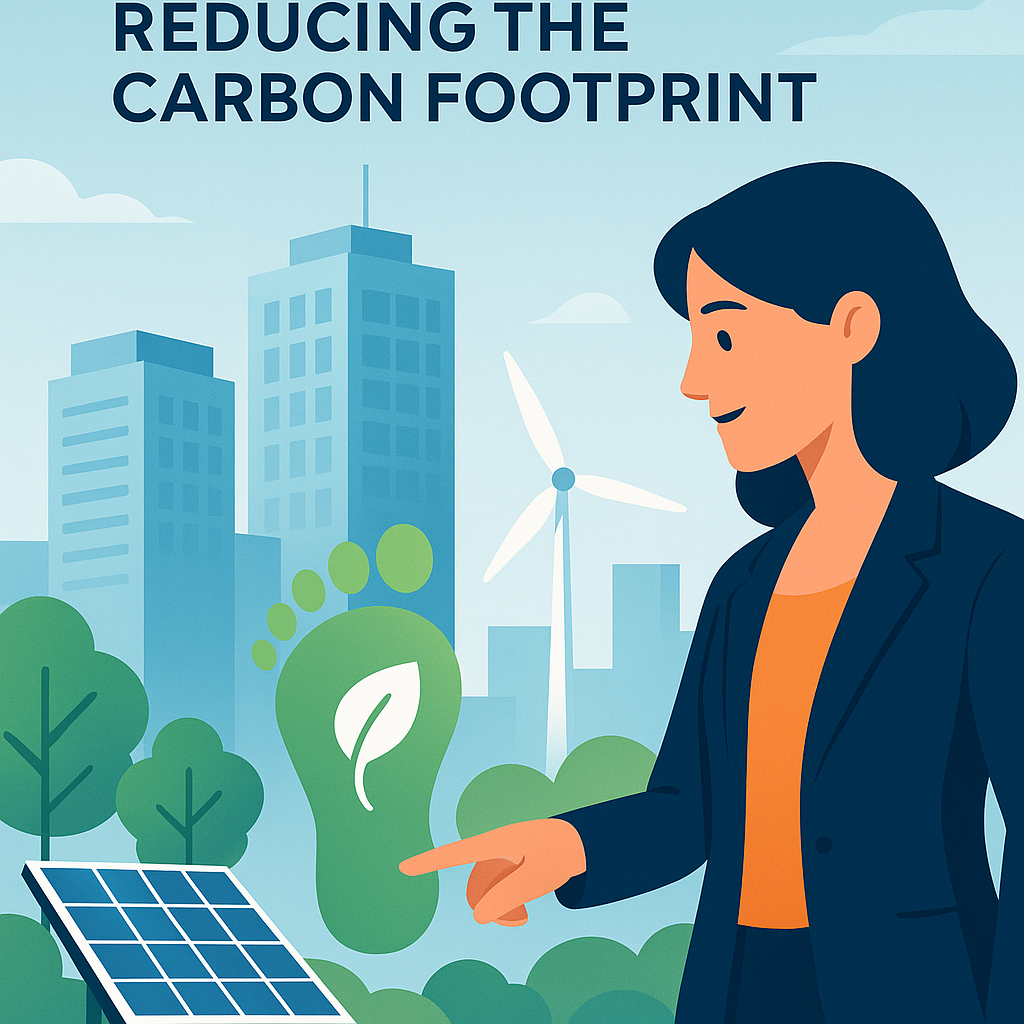
As the world becomes progressively urbanized, cities emerge as pivotal hubs of human life, socioeconomic activities, and energy consumption. Urban energy efficiency—defined as the use of less energy to perform the same task in a city setting—has become a critical discipline in combating climate change and reducing greenhouse gas emissions. Given that cities account for more than 70% of global energy-related carbon emissions, improving energy efficiency within urban environments matters more than ever. Enhancing urban energy efficiency can significantly lower a city’s carbon footprint, leading to reduced environmental impact and setting a precedent for sustainable living. Addressing energy consumption in urban areas is vital, not only for mitigating the deleterious effects of climate change but also for enhancing economic vitality and fostering healthier communities. This article delves into the multifaceted subject of urban energy efficiency, exploring ways to effectively lessen cities’ carbon emissions.
Buildings and Energy Use
Buildings in urban areas, particularly commercial and residential, are significant consumers of energy. They are responsible for around 30-40% of total urban energy consumption. One exemplary case of improving building energy efficiency is the retrofitting of existing structures. Retrofitting involves upgrading buildings with new technologies, such as better insulation, energy-efficient windows, and advanced HVAC systems, which collectively lower energy use and enhance comfort.
An admirable instance of successful building retrofitting is found in New York City. The Empire State Building’s energy retrofit reduced the skyscraper’s energy use by 38%, achieving annual savings of $4.4 million. The refurbishment, accomplished through enhancements such as window upgrades and more efficient temperature controls, exemplifies the potential financial and environmental returns of investing in energy efficiency.
Furthermore, urban planning can significantly impact energy use in buildings. Incorporating urban design elements like green roofs and proper orientation to maximize natural light reduces dependence on artificial lighting and heating or cooling. In practice, modern developments are increasingly integrating such features to slash energy usage while maintaining or boosting property value.
Transportation and Energy Efficiency
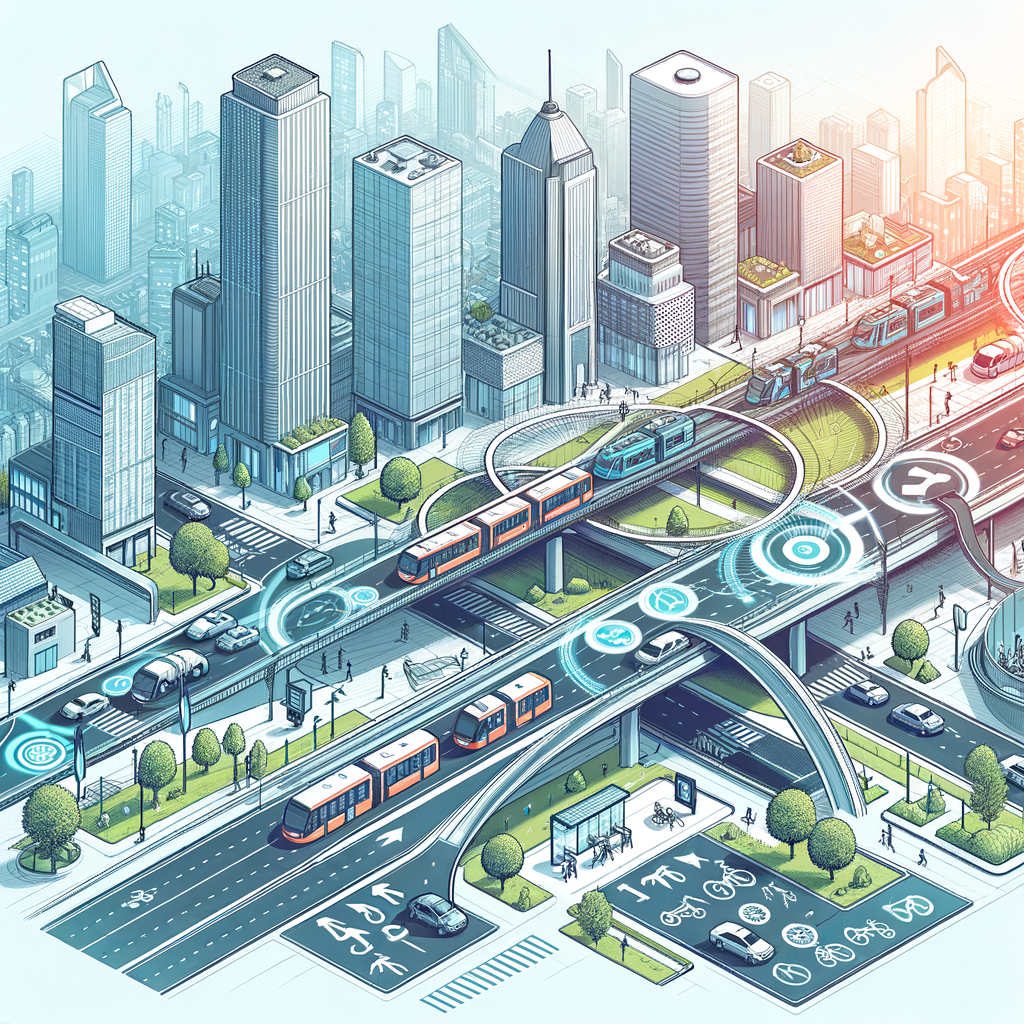
The transportation sector is one of the largest sources of urban energy consumption and carbon emissions, particularly in cities where vehicles dominate. Transitioning to efficient public transportation systems, promoting non-motorized transport options like cycling and walking, as well as encouraging the uptake of electric and hybrid vehicles contribute substantially to reducing urban energy consumption.
An inspiring example can be found in Copenhagen, Denmark, where a robust cycling infrastructure supports over 60% of its daily commuters who choose to bike to work. This not only diminishes reliance on fossil-fuel-powered vehicles but also reduces congestion and air pollution, bolstering both environmental and public health.
Moreover, investments in public transportation can significantly alleviate energy consumption. Cities like Tokyo and Hong Kong boast sophisticated transit networks that are models of efficiency, carrying millions of passengers daily while consuming relatively low amounts of energy per capita. Encouraging the use of these systems, supplemented by policies such as congestion pricing and vehicle restrictions, can guide cities toward more sustainable models.
Energy Generation and Distribution
The methods of energy generation and distribution systems utilized in urban settings play a crucial role in deciding the overall energy efficiency of a city. Shifting toward renewable energy sources—such as solar, wind, and hydroelectric power—decreases dependency on fossil fuels, substantially cutting carbon emissions.
A prime example is San Diego, California, which has established ambitious goals to transition the entire city to 100% renewable energy by 2035. Solar panels on rooftops, wind turbines, and collaborations with nearby rural areas for hydroelectric power define some of their strategies to achieve such goals. This integrated approach illustrates how urban areas can leverage surrounding resources to create a sustainable energy supply.
Additionally, the concept of “smart grids” and smart energy systems can boost efficiency. These grids allow for real-time monitoring and management of energy supply and demand. In cities like Amsterdam, these systems are paving the way for smarter consumption patterns and reductions in energy waste, demonstrating a tangible shift towards sustainable urban living.
Urban Policy and Incentives
Government policies and incentives serve as pivotal influences in advancing urban energy efficiency. Legislation that mandates specific energy efficiency standards can significantly reshape urban landscapes. Furthermore, government incentives, such as tax rebates and subsidies for energy-saving technologies and practices, propel both businesses and residents toward greener choices.
The European Union, for instance, has implemented stringent energy efficiency directives, such as the Energy Performance of Buildings Directive (EPBD), mandating member states to improve their building energy performance. These types of regulatory frameworks oblige urban planners and developers to prioritize energy efficiency, driving substantial reductions in carbon footprints.
In the United States, the implementation of the ENERGY STAR program illustrates a successful policy-driven initiative encouraging energy efficiency. Through labeling energy-efficient products and projects, it empowers consumers to make informed choices that contribute to a broader energy efficiency agenda in urban areas.
| Policy | Region | Impact |
|---|---|---|
| ENERGY STAR | United States | Consumer Empowerment |
| EPBD | European Union | Improved Building Efficiency |
| Renewable Energy Transition | San Diego, USA | 100% Renewable Energy Goal |
The Role of Technology in Urban Energy Efficiency
Technological advancements continue to be crucial in addressing urban energy efficiency. Smart technologies, such as intelligent lighting systems, automated building controls, and IoT devices, are pivotal in reducing energy consumption across diverse urban settings. These technologies enable seamless integration and optimization of energy use, leading to significant declines in overall demand.
Singapore is at the forefront with its “Smart Nation” initiative, incorporating smart sensors and analytics tools throughout the city to monitor and manage energy usage effectively. These cutting-edge technologies allow for precise energy audits, predictive maintenance, and real-time adjustments, contributing to a highly efficient urban energy framework.
Additionally, blockchain technology presents promising opportunities for decentralized energy distribution and improved transparency in energy transactions, especially with peer-to-peer energy exchange systems. This decentralization empowers consumers, as seen in some urban areas where residents trade solar-generated energy with neighbors, thereby enhancing efficiency and reducing transaction costs.
Summary and Call-to-Action
Urban energy efficiency emerges as a foundational element in curbing carbon emissions and promoting sustainable city living. From retrofitting buildings and optimizing transportation systems to adopting renewable energy sources and embracing smart technologies, cities have a plethora of tools at their disposal for minimizing their environmental footprint.
The benefits of energy efficiency are manifold, encompassing not just environmental conservation but also economic savings, heightened public health, and enhanced quality of life. As urban residents, businesses, policymakers, and developers, it is imperative to commit to implementing and advocating for energy-efficient practices.
The next step is actionable engagement. Start by evaluating your current energy usage, exploring local initiatives or incentives for improving energy efficiency, and advocating for broader policy changes to support these endeavors. Together, these efforts can forge resilient and sustainable urban futures.
Frequently Asked Questions
1. What is urban energy efficiency, and why is it important?
Urban energy efficiency refers to the pursuit of utilizing less energy to accomplish the same tasks and achieve similar outcomes within city environments. This involves optimizing the utilization of resources, improving technologies, and refining behaviors to effectively reduce energy consumption. It’s crucial for several reasons. First, cities are responsible for more than 70% of global energy-related carbon emissions, making them a significant contributor to climate change. By enhancing energy efficiency, cities can play a pivotal role in mitigating environmental impacts. Moreover, improving urban energy efficiency reduces the demand for energy resources, leading to less strain on infrastructure, lower operational costs, and potentially, decreased utility bills for residents. It also paves the way for sustainable urban growth, ensuring that cities remain livable, vibrant, and resilient against the stresses of evolving climate conditions.
2. How can cities improve their energy efficiency?
Improving urban energy efficiency requires a multifaceted approach involving technology, policy, community engagement, and infrastructure development. One effective strategy is retrofitting existing buildings with energy-efficient systems, like LED lighting, smart HVAC systems, and improved insulation. Cities can also invest in public transportation systems that reduce the reliance on individual car travel, decreasing emissions. Another approach is developing policies that encourage the construction of energy-efficient buildings and incentivizing renewable energy adoption through tax breaks or subsidies. Furthermore, urban planning should prioritize green spaces, which help mitigate urban heat effects and reduce the need for cooling systems. Implementing smart city technologies, such as advanced electrical grids and smart meters, can optimize energy distribution and consumption across urban landscapes. Lastly, fostering community awareness and education around energy conservation can empower citizens to adopt practices that drive substantial energy savings collectively.
3. What role do renewable energy sources play in urban energy efficiency?
Renewable energy sources such as solar, wind, and geothermal are crucial for enhancing urban energy efficiency. These sources provide alternatives that are not only sustainable but also help reduce dependency on fossil fuels, which are major contributors to carbon emissions. By incorporating renewable energy into urban settings, cities can significantly lower their carbon footprint. For example, solar panels on rooftops in urban environments can supply significant amounts of electricity while reducing the load on traditional power grids. Wind turbines, though less common in densely populated areas, can also contribute to the energy mix when installed in significant numbers or in nearby areas. Additionally, integrating geothermal systems can offer efficient heating and cooling solutions for urban developments. Importantly, deploying these renewables needs to align with smart infrastructure and grid management to handle variability and ensure consistent energy supply while maintaining energy efficiency protocols city-wide.
4. Are there specific technologies or innovations driving urban energy efficiency?
Absolutely, a multitude of technologies and innovations are crucial to advancing urban energy efficiency. Smart technologies, including sensors and the Internet of Things (IoT), are central to monitoring and managing energy usage more effectively. Smart meters, for instance, provide real-time data that help consumers understand energy usage patterns and adjust behaviors accordingly. Innovations like advanced HVAC systems that can learn and adapt to environmental conditions ensure that buildings are only using the energy necessary to maintain comfort. Additionally, energy-efficient appliances, from refrigerators to washers, are designed to perform tasks using less energy. Urban planners are also leveraging district heating, which optimizes energy use by centralizing heating systems for extensive areas. Moreover, building automation systems integrate lighting, security, and heating to optimize operations while minimizing energy waste. Finally, electric vehicle infrastructure, including charging stations, is transforming urban mobility, reducing emissions, and pushing forward a future of sustainable, efficient transport solutions.
5. What challenges do cities face in attempting to improve energy efficiency?
Navigating the path to improved urban energy efficiency is fraught with various challenges. A significant hurdle is the initial cost associated with upgrading infrastructure and adopting new technologies, which requires substantial investment from both public and private sectors. Many existing buildings and city layouts are dated and not originally designed with energy efficiency in mind, requiring expensive retrofitting processes. Policy frameworks and regulations are often outdated and lack the agility needed to accommodate rapid technological advancements or to encourage widespread adoption of new efficient systems. Resistance to change and lack of awareness among residents can hinder community efforts to reduce energy usage. Furthermore, balancing energy efficiency improvements with ongoing development and expansion in fast-growing cities presents a unique challenge. Lack of coordination among city departments, utility providers, businesses, and residents can create inefficiencies in efforts to reduce energy consumption. Other factors, such as political climate and regulatory inertia, can also delay or complicate effective policy execution aimed at advancing urban energy efficiency initiatives.