The growth of urban environments presents a dual challenge: meeting the needs of expanding populations while ensuring that development remains sustainable. Sustainable urban development focuses on creating urban spaces that are environmentally friendly, economically viable, and socially supportive. At its core, this involves integrating green building practices to reduce environmental impact, conserve resources, and improve quality of life. This article will define key terms, discuss the importance of green building practices in urban development, and explore various facets of this integration.
Understanding Green Building Practices
Green building practices are methodologies aimed at creating structures that are environmentally responsible throughout their life cycle. This includes the design, construction, operation, maintenance, and demolition of buildings. The goal is to efficiently use resources such as energy, water, and materials while minimizing waste and pollution. Examples include installing energy-efficient systems, using sustainable materials, and ensuring proper waste management. A pioneering example is the Bank of America Tower in New York City, which uses renewable energy sources and water-saving fixtures, achieving a 50% reduction in energy consumption compared to traditional skyscrapers.
Benefits of Incorporating Green Building Practices
Integrating green building practices offers numerous benefits. Economically, it can lead to cost savings through reduced energy and water bills. Environmentally, it reduces carbon footprints and conserves natural resources. Socially, it can improve indoor air quality, leading to healthier living and working environments. The Bullitt Center in Seattle exemplifies this; dubbed the world’s greenest commercial building, it is energy-positive, producing more energy than it consumes annually, and it uses rainwater for all its water needs, reducing reliance on municipal supplies.
Real-World Implementation: Case Studies
Various cities globally have successfully implemented green building practices to foster sustainable urban development. In Singapore, the Marina Bay Sands resort integrates gardens, sustainable energy solutions, and water recycling to improve efficiency while offering a lush environment within a dense urban setting. Similarly, the One Central Park in Sydney, Australia, features vertical gardens and smart metering systems that reduce energy consumption and manage waste efficiently. These examples provide blueprints for other urban centers aiming to integrate green building practices.
Challenges and Solutions in Green Building Integration
While the benefits of green building practices are clear, integrating them into urban development is not without challenges. Among the most notable are higher upfront costs and a lack of expertise. However, these can be mitigated through government incentives, such as tax breaks and grants, and through public-private partnerships to share knowledge and resources. An illustrative case is Germany’s support of renewable energy projects, which has led to a substantial increase in sustainable building initiatives. Such frameworks enable cities to balance upfront costs with long-term savings and environmental benefits.
Innovative Technologies in Green Building
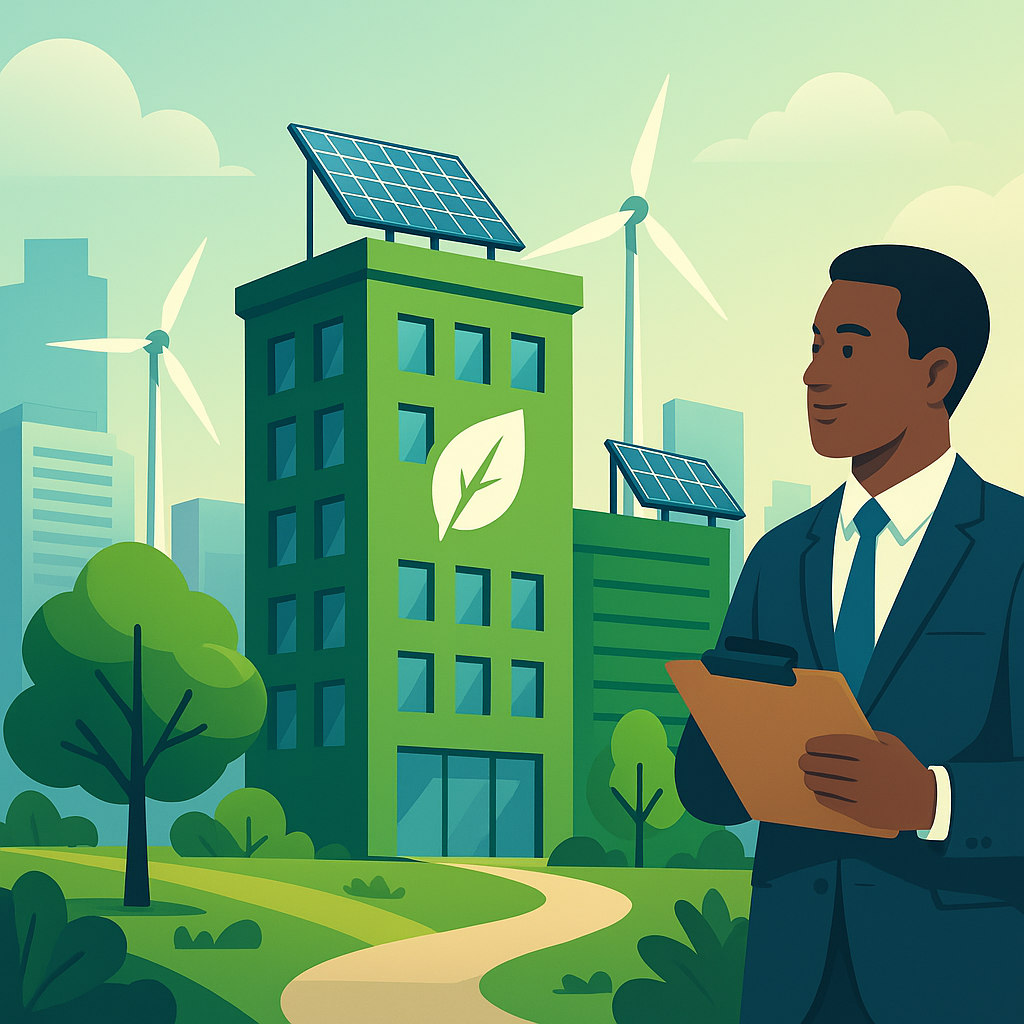
Technological advancements have played a crucial role in advancing green building practices. Technological innovations such as smart thermostats, solar panels, and green roofs contribute to energy efficiency and sustainability. These technologies not only reduce energy consumption but also adapt to the building’s needs, offering greater energy management. The Edge in Amsterdam exemplifies this integration; powered by smart technologies and renewable energy, it is regarded as one of the most sustainable buildings globally. The utilization of technology in green building practices is vital for achieving sustainable urban expansion.
| City | Green Initiative | Impact |
|---|---|---|
| New York | Bank of America Tower | 50% energy savings |
| Seattle | Bullitt Center | Energy-positive building |
| Singapore | Marina Bay Sands | Integrated gardens and water recycling |
| Sydney | One Central Park | Vertical gardens and smart metering |
| Amsterdam | The Edge | Smart technology integration |
The Role of Policy in Supporting Green Building Practices
Policy plays a pivotal role in encouraging the adoption of green building practices in urban development. Governments can enforce building codes that require sustainable construction methods and materials. Incentives such as subsidies and tax reductions can alleviate initial financial burdens and stimulate investment in green technologies. An example of effective policy is the UK’s building regulation, which mandates high energy efficiency standards for new developments. These policies are critical in creating an environment conducive to sustainable growth and innovation.
Public Engagement in Sustainable Development
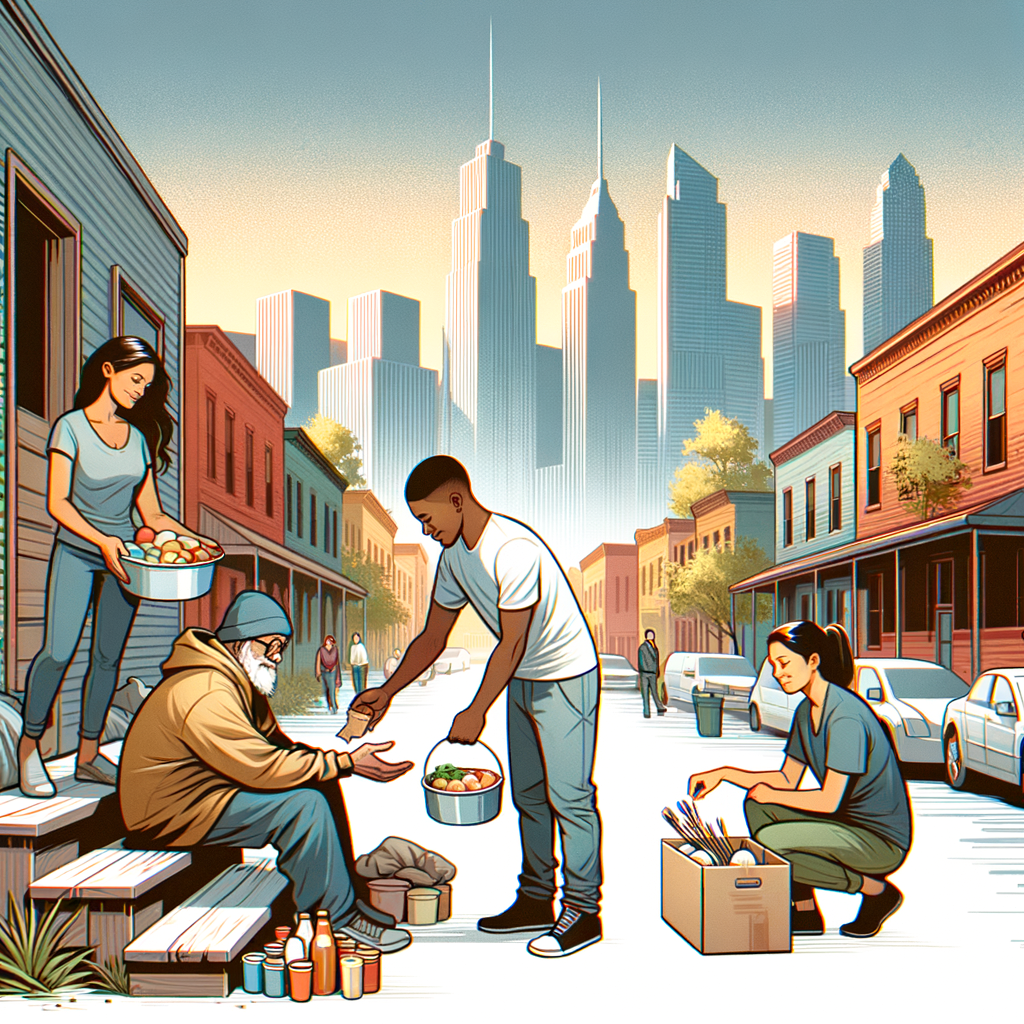
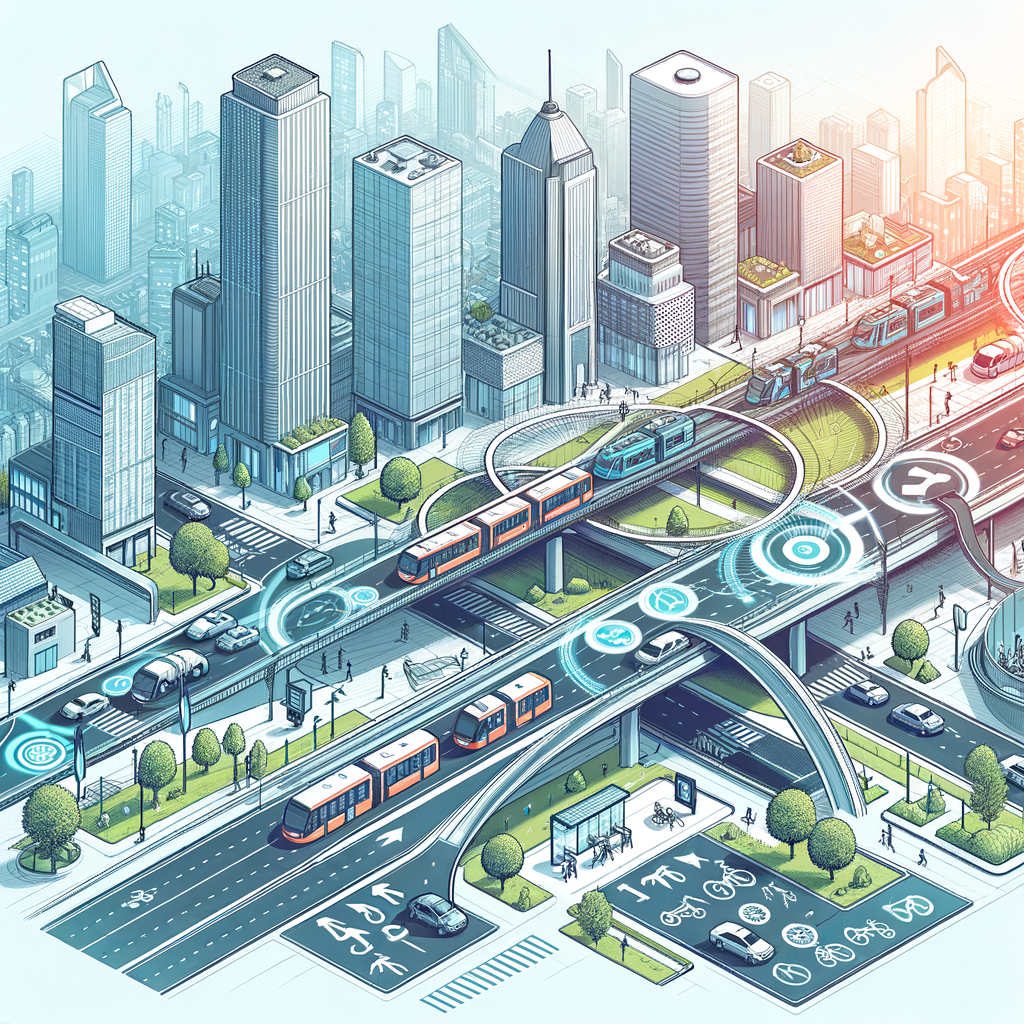
Public involvement is essential in promoting sustainable urban development. Communities play a critical role by advocating for greener practices and participating in eco-friendly initiatives. Education and awareness programs can empower individuals to make sustainable choices, leading to broader societal shifts towards sustainability. In Portland, Oregon, community-wide efforts to promote cycling and green commuting have significantly reduced the city’s carbon footprint. Encouraging public engagement is fundamental to the successful integration of green building practices across urban landscapes.
In summary, sustainable urban development through the integration of green building practices is vital for creating resilient, livable, and environmentally friendly cities. While there are challenges, such as increased initial costs and a need for expertise, the long-term economic, environmental, and social benefits make green building practices an indispensable part of urban planning. As cities like New York, Seattle, and Singapore demonstrate, when cities commit to sustainable practices, they can achieve remarkable outcomes. Policymakers, urban planners, and the public must work collaboratively to drive these initiatives forward. Take the first step towards a sustainable future by advocating for green building practices in your community. By doing so, you are not only contributing to environmental conservation but also enhancing the quality of life for future generations.
Frequently Asked Questions
1. What is sustainable urban development and why is it important?
Sustainable urban development refers to the creation and management of urban spaces that seek to enhance the quality of life for current and future generations without compromising the environment or depleting resources. It’s about building cities that are environmentally friendly, economically viable, and socially inclusive. The importance of sustainable urban development lies in its ability to address the challenges of rapid urbanization, which includes managing the environmental impact, ensuring economic growth, and fostering social equity.
In simpler terms, as cities grow, it is crucial to ensure they grow in a way that benefits both people and the planet. This means using resources responsibly, reducing waste and pollution, and creating spaces that are healthy and pleasant for people to live in. By focusing on sustainability, cities can reduce their carbon footprint, protect natural habitats, and ensure that resources are available for future generations. Moreover, sustainable urban development tends to encourage innovative solutions and technologies that can lead to economic growth and new job opportunities, all while making urban life more enjoyable and healthier for everyone.
2. What are green building practices and how do they contribute to sustainable urban development?
Green building practices involve the planning, design, construction, and maintenance of buildings with consideration for their environmental impact and human health. This includes using energy-efficient systems, renewable energy sources, sustainable materials, and efficient use of water and resources throughout the building’s life-cycle. Green buildings often incorporate features like improved insulation, energy-efficient lighting, solar panels, rainwater harvesting systems, and green roofs.
These practices contribute significantly to sustainable urban development by reducing the carbon footprint of buildings, conserving natural resources, and minimizing waste and pollution. Buildings are a major source of energy consumption and greenhouse gas emissions; thus, incorporating green building techniques can make a substantial difference in achieving urban sustainability goals. Green buildings also improve indoor air quality and create healthier environments, which can enhance the well-being and productivity of occupants, thereby adding a social dimension to their benefits.
3. What are some challenges faced in integrating green building practices in urban development?
While green building practices are highly beneficial, several challenges can hamper their widespread adoption and integration into urban development. The initial cost of green technologies and materials is typically higher than traditional alternatives, which can be a significant barrier for developers and city planners, particularly in regions with limited financial resources. However, it’s important to note that green buildings can offer financial savings over the long term through reduced energy and water bills and lower maintenance costs.
Another challenge is the lack of awareness or understanding of green building benefits among stakeholders, which includes policymakers, builders, and the public. There may also be insufficient training and expertise within the construction industry to properly implement green technologies. Regulatory and policy frameworks can sometimes be outdated or insufficient to support sustainable practices, further complicating integration efforts. To overcome these challenges, financial incentives, public education campaigns, and supportive regulations can be pivotal in encouraging the adoption of green building practices in urban development projects.
4. How does sustainable urban development benefit local communities?
Sustainable urban development has a wide array of benefits for local communities. Firstly, it improves public health by promoting cleaner air, better water quality, and reduced noise pollution. Green spaces, which are a key component of sustainable urban development, provide areas for recreation, relaxation, and social interaction, which can enhance mental and physical well-being.
Economically, sustainable development can lower infrastructure costs and reduce the economic burdens associated with environmental degradation and climate change. It supports local economies by encouraging the use of local materials and the creation of green jobs. Socially, sustainable urban development aims to create inclusive communities where resources are distributed equitably, and everyone has access to quality housing, transportation, and green spaces.
Furthermore, by fostering a more resilient urban environment, communities are better equipped to handle potential environmental shocks like extreme weather events, ensuring a safer living environment for all residents. In essence, sustainable urban development aims to create a holistic urban experience that enhances community vibrancy and resilience.
5. What role can individuals play in promoting sustainable urban development?
Individuals can play a crucial role in promoting sustainable urban development. As residents, consumers, and active members of the community, individuals can drive demand for green buildings and sustainable urban solutions. Learning about and advocating for sustainable practices within their communities can make a significant difference. This can involve simple actions like supporting local businesses, participating in community clean-up events, and pushing for more green spaces and energy-efficient infrastructures in their neighborhoods.
Individuals can also influence development by choosing to support policy changes and voting for public officials who prioritize sustainability in urban planning. Being conscious consumers by opting for products and services that emphasize sustainability can create a ripple effect, encouraging businesses to adopt greener practices. Additionally, making personal lifestyle changes, such as reducing energy consumption, embracing public transport, and recycling, can collectively contribute to reducing the carbon footprint of urban areas.
Ultimately, sustainable urban development benefits greatly from the active participation and engagement of all community members. By educating themselves and others, supporting local sustainability initiatives, and making mindful choices, individuals help lay the foundation for cities that are not only sustainable but thriving and vibrant for years to come.