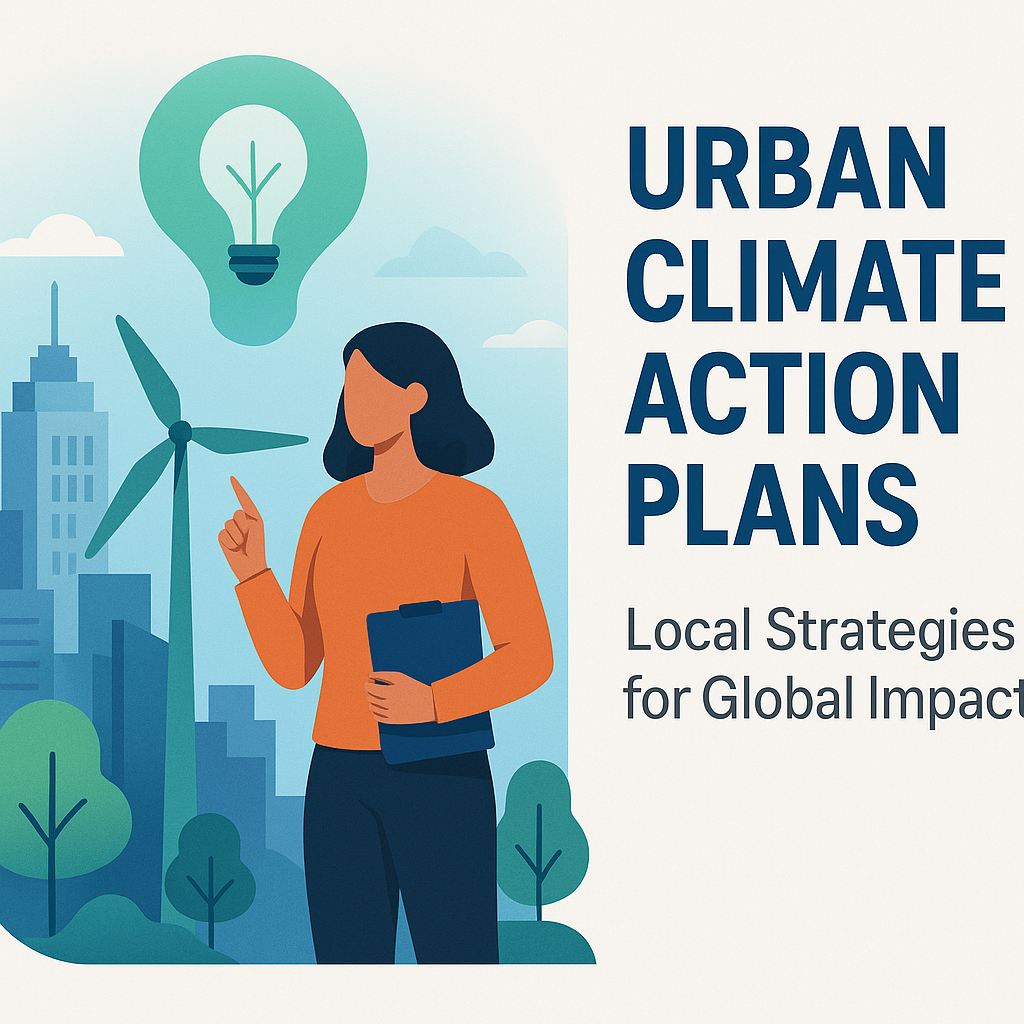
Urban Climate Action Plans are increasingly vital blueprints by which cities worldwide address the pressing issue of climate change. These tailored strategies are crafted to mitigate carbon emissions, adapt to emerging climate impacts, and drive sustainable development. At a time when over half the world’s population resides in urban areas, the collective impact of cities on global climate dynamics cannot be underestimated. By leveraging localized plans, cities can address specific environmental challenges while setting a precedent for regional and global climate action.
But why do Urban Climate Action Plans matter so significantly? It’s because cities are major consumers of energy and resources. They contribute to over 70% of global CO2 emissions despite occupying only 2% of the Earth’s land surface. This disconnection between space and impact means the choices cities make have far-reaching implications. Therefore, the deployment of effective urban climate strategies is paramount to ensuring a sustainable future, aligning local actions with global climate goals, and inspiring collective responsibility.
Understanding Key Components of Climate Action Plans
A cohesive Urban Climate Action Plan encompasses several components, each tailored to address specific elements of climate change. Plans typically include evaluations of current emissions, identification of major climate risks, and implementation strategies involving cross-sectoral collaboration. For instance, New York City’s “OneNYC” plan divides climate initiatives across energy, transportation, waste management, and more to create an integrated framework for sustainable urban living.
- Energy: Efforts to transition towards renewable energy sources are pivotal. For example, San Francisco has committed to 100% renewable electricity by 2030, addressing one of its largest emission sectors.
- Transportation: Cities promote public transportation, walking, and cycling, reducing reliance on non-renewable transportation. Amsterdam exemplifies this with its extensive network of bike lanes.
- Waste Management: Innovations in waste reduction, recycling, and composting have become central. Seattle’s Zero Waste Strategy endeavours to divert waste from landfills significantly.
The effectiveness of these components lies in their integration and community involvement, driving collective commitment to climate targets.
Reducing Urban Carbon Footprint
Cities aiming to reduce their carbon footprint often initiate clean energy projects, revolutionize transport systems, and retrofit buildings with energy-efficient technologies. A pertinent example is Copenhagen’s ambitious target to become the world’s first carbon-neutral capital by 2025. Copenhagen is investing in offshore wind farms and district heating schemes as central pillars to drop net emissions to zero.
This subtopic reveals the multi-faceted efforts involved in not only curbing emissions but fostering environments where such sustainable practices become the norm. By analyzing successful initiatives, other cities can learn and adapt strategies that resonate with their unique contexts. This collaborative approach embodies global knowledge sharing for impactful change.
Building Resilience to Climate Impacts
While mitigation efforts aim to lessen future impacts, adaptation strategies are critical for managing current climate challenges. Urban areas must be resilient to threats such as rising sea levels, extreme weather events, and food security risks. For example, Rotterdam, renowned for its innovative flood management systems, has implemented infrastructure like water plazas and floating houses to counteract the threat of rising water levels due to climate change.
By embedding resilience planning into the urban landscape, cities safeguard economic stability and protect vulnerable populations. As enviable examples, resilient infrastructure and community-based adaptation strategies inspire cities globally to anticipate future risks and integrate adaptive measures into their urban design and planning processes.
Engaging Communities and Stakeholders
For urban climate plans to be effective, stakeholder and community engagement is crucial. Local governments often act as facilitators, working in tandem with citizens, businesses, and non-profits to foster climate-positive behaviors. Take Vancouver as a model; the city actively engages its population through the Greenest City Action Plan, which invites residents to participate in open dialogues and decision-making processes about the environment.
This participatory approach ensures that the needs and concerns of various stakeholders are addressed, thereby enhancing the legitimacy and success of climate plans. By transforming citizens into active contributors, cities can harness feedback to refine and sustain initiatives that directly impact urban ecosystems.
Finance and Policy: Catalyzing Change
Effective deployment of climate action plans in cities is often contingent on securing adequate financing and supportive policy frameworks. Green bonds, government grants, and investments in green infrastructure can ease financial burdens. Curitiba, Brazil, illustrates a successful model with its Bus Rapid Transit (BRT) system, which not only reduced emissions but also attracted international funding for continued urban sustainability projects.
Sound policies provide the foundational structure needed to transition ambitious plans into actionable steps. Policies that prioritize sustainability over cost-saving measures ensure long-lasting impacts, making regulatory support as important as financial investments. As local authorities prioritize transparent and effective policymaking, the pathway to climate resilience becomes more assured.
| City | Key Initiative | Outcome |
|---|---|---|
| New York | Building Retrofitting | Reduced Energy Usage |
| Copenhagen | Wind Energy | Toward Carbon Neutrality |
| Rotterdam | Flood Management | Increased Resilience |
Measuring and Reporting Progress
Continuous monitoring and transparent reporting are essential for the credibility and success of Urban Climate Action Plans. Cities like Melbourne have adopted rigorous reporting mechanisms to publicly communicate progress and challenges, ensuring accountability. By measuring key performance indicators—such as emissions reductions, energy efficiency improvements, and resilience metrics—cities can gauge the effectiveness of their strategies and recalibrate as needed.
Moreover, these data-driven insights foster international cooperation, allowing cities worldwide to compare results and share lessons learned. Transparent reporting reinforces trust with stakeholders, ensures public transparency, and inspires collective action to maintain momentum towards shared climate goals.
Innovative Technology and Future Prospects
The integration of technology into climate action strategies stands out as a driver for innovation and efficiency. Smart grids, IoT sensors for air quality monitoring, and energy-efficient building technology epitomize the evolving landscape. With Barcelona pioneering smart city initiatives, the integration of technology emerges as a blueprint for improving urban living conditions while reducing carbon footprints. This fusion of digital and environmental planning is pivotal for future-proofing urban spaces against climate threats.
By investing in innovation, cities can enhance adaptive capacities and manage resources effectively. The relentless pace of technological advancements mandates that cities remain adaptable to implement cutting-edge solutions that align with their specific climate agendas. Nonetheless, cities should strive to balance technological adoption with sustainable practices, ensuring that such innovations remain inclusive and equitable.
Conclusion: A Call to Action for Urban Leaders and Citizens
The importance of Urban Climate Action Plans in the global quest for sustainable futures is unassailable. These plans provide dynamic frameworks that not only address the complexities of urban emissions and resilience but also foster a collaborative ethos necessary for transformative change. By learning from leading examples worldwide, cities can take decisive steps towards a low-carbon economy while prepping communities to navigate the challenges of climate variability.
As stewards of urban spaces, local leaders and citizens have an imperative to commit to climate action. This collaborative responsibility emboldens urban centers to align with international commitments, like the Paris Agreement, ensuring that cities become central to global sustainability narratives. As the effects of climate change intensify, the need for proactive, inclusive, and innovative urban planning becomes paramount. Engage with local initiatives, stay informed, and champion the possibilities of future-oriented urban living. Let us harness the power of urban innovation and imagination to carve pathways leading to a sustainable, resilient, and equitable global society.
Frequently Asked Questions
1. What are Urban Climate Action Plans, and why are they crucial for combating climate change?
Urban Climate Action Plans are detailed, strategic blueprints developed by cities to tackle the multifaceted challenges posed by climate change. These plans are essential because cities are major contributors to carbon emissions due to their dense populations, industrial activities, and energy consumption. At the same time, cities house over half the global population, making them epicenters of both the problem and potential solutions to climate change. Urban areas face unique climate-related challenges, and these plans provide a roadmap for sustainably managing urban growth, reducing greenhouse gas emissions, and enhancing climate resilience.
The significance of these plans lies in their localized approach. While climate change is a global issue, its impacts and solutions can look very different depending on local contexts such as geography, economic structure, and existing infrastructure. By tailoring strategies to their specific circumstances, cities can more effectively address their contribution to global climate dynamics and meet the needs of their populations in a sustainable manner. Thus, Urban Climate Action Plans are not just local initiatives but critical components of the global effort to mitigate climate change and its adverse impacts.
2. How do Urban Climate Action Plans specifically help in reducing carbon emissions?
Urban Climate Action Plans play a pivotal role in reducing carbon emissions through numerous targeted strategies. These strategies often include enhancing energy efficiency, promoting the use of renewable energy sources, and improving public transportation. By focusing on the largest sources of emissions within urban areas, such as transportation and buildings, these plans aim to cut emissions at their source.
For instance, cities might implement regulations that require new buildings to comply with energy-efficient standards or invest in the retrofitting of older structures to reduce their energy consumption. Promoting public transit, biking, and walking over car usage can significantly cut down emissions from vehicles. Additionally, cities can incentivize or facilitate the adoption of electric vehicles, which further reduces dependency on fossil fuels. The cumulative implementation of these measures substantially lowers the overall carbon footprint of a city, creating a scalable model that other cities around the world can emulate.
3. In what ways do Urban Climate Action Plans address climate change adaptation?
Beyond mitigation, Urban Climate Action Plans are instrumental in adapting to the unavoidable impacts of climate change. As urban areas are particularly vulnerable to these impacts, such as extreme weather events, rising sea levels, and prolonged heatwaves, these plans include strategies to anticipate and manage these challenges effectively.
These adaptation measures may involve enhancing the resilience of existing infrastructure to withstand climate extremes. For example, cities could upgrade stormwater drainage systems to better handle heavy rainfall events, thus preventing flooding. Coastal cities might invest in building sea walls and adopting land-use planning practices that reduce risk in vulnerable areas. Urban greening initiatives, such as expanding parks and green roofs, improve a city’s ability to manage heat and provide critical ecosystem services. Through comprehensive planning and proactive adaptation measures, cities can protect their communities, economies, and ecosystems from the adverse effects of climate change.
4. How can individual citizens contribute to the success of Urban Climate Action Plans?
Individual citizens have a significant role to play in the success of Urban Climate Action Plans. Engaging residents not only amplifies the impact of these plans but also fosters a sense of shared responsibility and community resilience. One of the primary ways individuals can contribute is by adopting sustainable lifestyle choices, such as reducing energy consumption at home, using public transportation, and minimizing waste.
Civic engagement is also crucial. Citizens can participate in local climate initiatives, provide feedback on proposed actions, and hold local leaders accountable for the implementation of climate policies. Education and awareness are also key; individuals can advocate for climate-friendly practices in their communities and workplaces, promoting broader cultural shifts towards sustainability. By actively participating in these efforts, citizens help create a robust support system that enhances and accelerates the effectiveness of Urban Climate Action Plans.
5. What challenges do cities face when implementing Urban Climate Action Plans, and how can they overcome these obstacles?
Implementing Urban Climate Action Plans is not without challenges. One of the most significant hurdles is securing adequate funding. Many climate initiatives require substantial financial investment, which can strain city budgets, especially in economically disadvantaged areas. Additionally, political will and public support are critical, and conflicting interests can sometimes impede progress.
Moreover, there are technical challenges, such as the need for comprehensive data to effectively plan and implement climate actions, and the complexity of coordinating across different levels of government and sectors. To overcome these obstacles, cities can pursue multiple strategies. Building partnerships with private sectors, international organizations, and other cities can provide additional funding and resources. Engaging the community through effective communication can garner public support and drive local leaders to prioritize climate action. Leveraging technology for better data collection and analysis can enhance decision-making processes, ensuring plans are rooted in evidence-based strategies. By addressing these challenges proactively, cities can implement their climate action plans more effectively and efficiently, creating lasting positive impacts both locally and globally.