Urban areas around the globe grapple with a unique phenomenon known as the Urban Heat Island (UHI) effect, where cities experience significantly higher temperatures than their rural counterparts. This disparity emerges due to human activities, rapid urbanization, and the prevalence of materials like concrete and asphalt which absorb and retain heat. With increasing global temperatures due to climate change, the UHI effect amplifies the discomfort in urban settings, exacerbating health risks, raising energy consumption, and degrading the quality of life.
The UHI effect not only affects human well-being but also intensifies environmental challenges. It can increase air pollution levels, demand higher energy for cooling, and lead to water shortages due to higher evaporation rates. Understanding and mitigating this effect is critical in the context of sustainable urban development. By implementing feasible strategies, cities can alleviate the adverse impacts of UHI, promoting healthier living spaces and reducing ecological footprints.
Addressing the UHI effect is crucial not only for environmental reasons but also for economic sustainability and public health. It calls for a combination of planning, innovative technologies, and community engagement. Recognizing the importance of this issue, experts and city planners are actively developing and deploying solutions that can effectively minimize these temperature differences. Such efforts not only enhance the livability of cities but also fortify them against climate-related adversities.
Implementing Green Roofs and Walls
One of the most effective ways to combat the UHI effect is by incorporating green roofs and walls in urban architecture. Green roofing involves planting vegetation on rooftops, which can significantly reduce rooftop temperatures. Vegetation cools the surrounding air through the process of evapotranspiration, which effectively lowers air temperatures.
A noteworthy example of green roofing in action is seen in Berlin, Germany. The city has been actively promoting green roofs through its policy initiatives. By increasing green space on buildings, Berlin is not only addressing the heat island effect but also improving urban biodiversity and air quality. In expanding green roofs across urban areas, city planners can create cooler microclimates, reduce energy usage for cooling, and contribute to a more sustainable urban ecosystem.
Furthermore, green walls offer a vertical solution to cooling cities, ideal for areas with limited horizontal space. Plants on vertical surfaces intercept sunlight, creating shaded environments and naturally reducing temperatures. Coupled with green roofs, these systems present a comprehensive approach to mitigating the UHI effect.
Increasing Urban Tree Canopy Coverage
Trees play a critical role in regulating urban temperatures. By increasing urban tree canopy coverage, cities can significantly mitigate the UHI effect. Trees provide shade, reduce surface temperatures, and improve air quality, making them a crucial element in creating liveable urban spaces.
- Shade Provision: Trees adequately placed along streets can lower surface and air temperatures by several degrees.
- Evapotranspiration: The process where trees absorb water through roots and release it through leaves brings about cooling effects.
In Los Angeles, USA, the “Million Trees LA” initiative aims to plant over a million new trees throughout the city. This effort not only enhances the urban canopy but also significantly aids in reducing the UHI phenomenon. By adopting such initiatives, cities can simultaneously address air quality issues and promote community well-being.
Utilizing Reflective and Cool Roof Technologies
Reflective or cool roofs are an innovative approach to reducing UHI impacts. These roofs are designed with materials that reflect more sunlight and absorb less heat. By lessening roof temperatures, they reduce the need for air conditioning, lower energy costs, and mitigate the UHI effect.
The successful implementation of cool roof technology can be seen in New York City. Through the NYC CoolRoofs program, the city has coated millions of square feet of rooftops with reflective materials, resulting in both energy savings and temperature reduction. Such projects demonstrate the scalability and effectiveness of reflective technologies in urban settings.
As the technology develops and becomes more accessible, integrating cool roof solutions in both new buildings and retrofit projects paves the way for large-scale impacts on urban temperatures.
Promoting Sustainable Urban Planning and Design
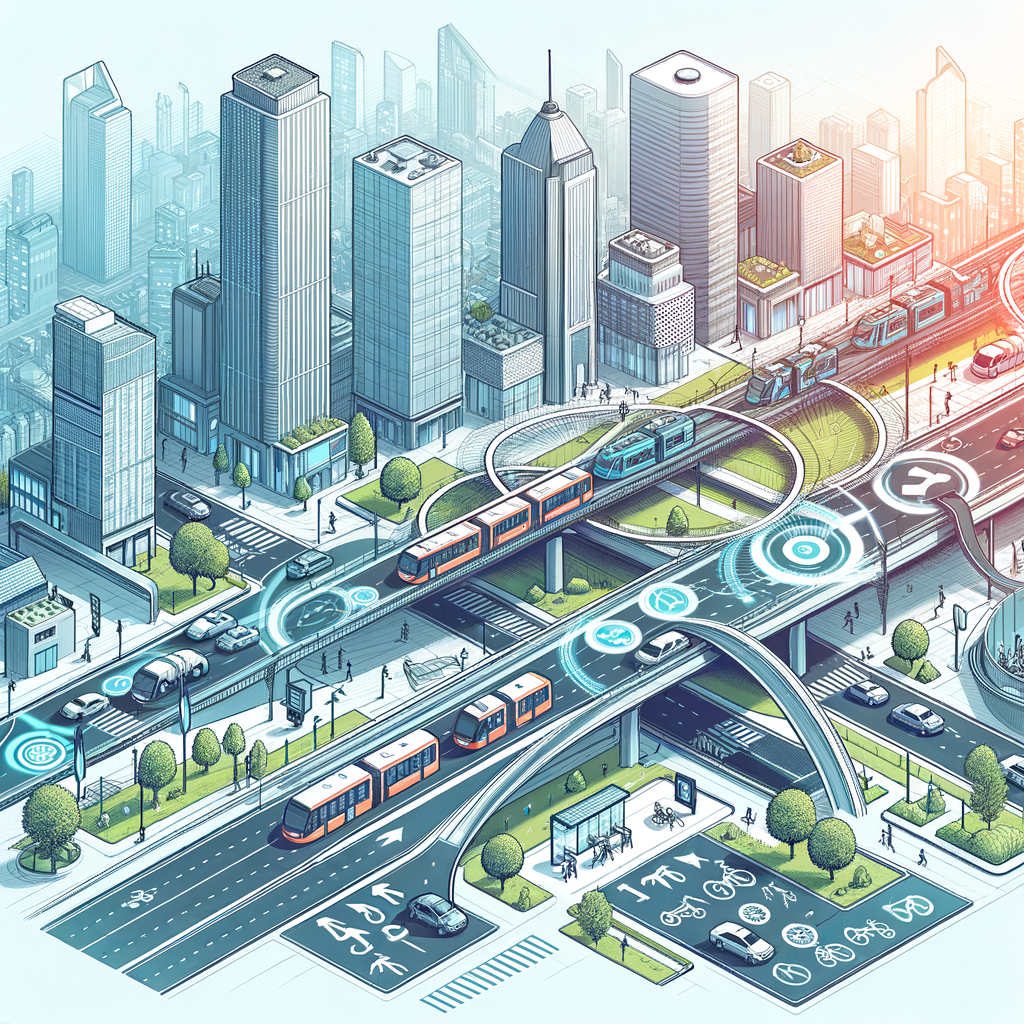
Incorporating sustainability into urban planning and design is fundamental to addressing the UHI effect. This involves thoughtful spatial planning, incorporating green space, and ensuring efficient infrastructure. Sustainable planning focuses on harmonious integration of natural elements within urban environments, reducing heat retention while fostering ecological balance.
A successful model of sustainable urban design can be found in Singapore’s Marina Bay Sands. The city-state’s emphasis on integrated greenery has resulted in reduced ambient temperatures, achieved through an abundance of parks, green connectors, and water bodies. This approach not only addresses urban heat but also serves as a benchmark for ecological design worldwide.
Reconceiving urban layouts to prioritize nature aligns long-term development plans with environmental preservation, enabling cities to adapt to changing climate conditions effectively.
Implementing Cool Pavement Solutions
Urban infrastructure, primarily composed of asphalt and concrete, contributes to the UHI effect by absorbing and reradiating heat. Cool pavements, designed with materials that reflect more solar energy, offer a practical solution to this challenge. They maintain lower surface temperatures, easing the heat load in urban areas.
Cool pavements are particularly beneficial in parking lots and roadways. In Tokyo, Japan, the city has experimented with porous pavements that reduce reflected heat, thus improving thermal comfort for pedestrians and reducing overall urban temperatures.
Projects focused on upgrading existing pavements with cool materials or developing innovative alternatives, like permeable or light-colored surfaces, are crucial in creating thermally resilient cities. These interventions can significantly influence the thermal dynamics of urban environments, supporting broader UHI mitigation strategies.
Enhancing Public Awareness and Community Engagement
Community involvement and public awareness are key to the long-term success of UHI mitigation strategies. Educating residents about the impacts of urban heat and the importance of sustainable practices encourages civic participation, fostering a collective effort towards cooler cities.
In Melbourne, Australia, the city has engaged the community through workshops and public initiatives to plant trees and install green roofs. These programs have proven instrumental in increasing the tree canopy and achieving widespread participation in sustainability efforts.
Effective communication strategies, collaborative projects, and incentive schemes can drive community involvement, making it a cornerstone for sustainable urban development and effective mitigation of the UHI effect.
Conclusion
The Urban Heat Island effect presents considerable challenges to modern urban environments, yet it also offers an opportunity for innovation and sustainable development. Mitigating the UHI effect requires a multi-faceted approach that combines green infrastructure, technological advancements, smart urban planning, and community involvement. By prioritizing the integration of green solutions like green roofs, reflective technologies, and expanded tree canopies, cities can significantly reduce elevated temperatures and promote environmental resilience.
Understanding the implications of urban heat and implementing practical solutions can transform cities into sustainable bastions that prioritize the well-being of their inhabitants. Addressing the UHI is not simply an environmental necessity but a catalyst for broader socio-economic benefits and improved urban living standards.
As we continue to urbanize, the imperative for sustainable practices grows, urging city planners, policymakers, and communities to adopt meaningful UHI mitigation strategies. Therefore, I encourage readers to advocate for and participate in local efforts, support greener policies, and spread awareness about the importance of these initiatives. By doing so, we can collectively contribute to creating cooler, more habitable urban spaces.
Frequently Asked Questions
1. What exactly is the Urban Heat Island effect and why does it occur?
The Urban Heat Island (UHI) effect is a well-documented environmental phenomenon where urban and metropolitan areas experience significantly higher temperatures than their rural surroundings. This temperature disparity emerges mainly because of human activities, intensive urbanization, and the predominance of materials that trap heat, like concrete and asphalt. When cities expand, natural landscapes are replaced with buildings, roads, and other infrastructure which not only change how the heat is absorbed and emitted but also reduce the area’s natural ability to cool down, such as through vegetation. The lack of greenery, especially trees that provide shade and facilitate cooling through evaporation, further exacerbates this effect. Additionally, the excess heat generated by cars, industrial operations, air conditioning, and other human activities contributes to raising urban temperatures, making them ‘islands’ of heat in contrast to their cooler rural surroundings. This effect is becoming more significant with global warming, influencing not just the microclimate of cities but also substantially impacting energy consumption, air quality, and public health.
2. How does the Urban Heat Island effect impact public health and the environment?
The UHI effect has considerable implications for public health and the environment. Higher urban temperatures increase the need for air conditioning, which can lead to higher energy consumption and greater emissions of greenhouse gases if the energy comes from non-renewable sources. These emissions can further heat the urban environment, creating a vicious cycle. Health-wise, elevated temperatures can complicate respiratory problems, increase the risk of heat-related illnesses and deaths, and potentially exacerbate chronic conditions such as cardiovascular diseases. Vulnerable populations, including the elderly, children, and those with preexisting health conditions, are particularly at risk. The UHI effect also impacts the environment by contributing to the degradation of local water bodies, as higher temperatures can affect water ecosystems and lead to the phenomenon of thermal pollution. It disrupts natural habitats, complicating the survival of some species, which can, in turn, impact local biodiversity and ecological balance. In sum, while UHI primarily affects human comfort and health, its influence extends broadly across ecological and environmental contexts, necessitating serious mitigation measures.
3. What are some practical solutions to mitigate the Urban Heat Island effect in cities?
Fortunately, there are several effective strategies to mitigate the UHI effect, primarily focusing on decreasing heat absorption and increasing the overall cooling in urban areas. One widely advocated solution is the incorporation of green spaces, such as parks and urban gardens, which naturally cool the environment and provide recreational benefits to city dwellers. Planting more trees, especially shade-providing species, is another critical approach, as they not only combat excess heat by evapotranspiration but also improve air quality. In addition, the adoption of green roofs and walls can help buildings become more energy-efficient by enhancing their insulation and reducing rooftop temperatures. Another solution is the use of reflective materials in building and road construction. Cool roofs and pavements, made from materials designed to reflect more sunlight and absorb less heat, can reduce surface temperatures and subsequently lower ambient air temperatures. Urban planning also plays a vital role; initiatives like the strategic orientation of buildings to maximize wind flow and minimizing sun exposure can contribute to cooler urban climates. Implementing these solutions requires collaboration between urban planners, local governments, and the community, and can greatly enhance urban livability while diminishing the adverse effects of UHI.
4. How does climate change interact with the Urban Heat Island effect?
Climate change and the Urban Heat Island effect interact in ways that are often mutually reinforcing, indeed exacerbating each other’s impact. As global temperatures continue to increase due to the rising concentrations of greenhouse gases, the baseline temperature of all areas, including urban ones, climbs. The UHI effect adds another layer, resulting in even higher relative temperatures in cities than what would be expected solely from global warming. This compounds heat stress and makes urban areas less resilient to heat waves. Climate change can also exacerbate urban vulnerabilities through altering precipitation patterns, increasing the frequency and intensity of extreme weather events like storms and heatwaves that contribute to the UHI dynamics. Consequently, any mitigation efforts for UHI should be capable of withstanding the challenges imposed by a changing climate. Addressing this interaction means not only implementing city-specific mitigations but also actively engaging in broader climate action, such as reducing emissions of greenhouse gases at all scales, from localized efforts to global initiatives. The confluence of climate change and UHI dictates a need for multipronged adaptive strategies that enhance resilience across both human-built and natural systems in urban environments.
5. What role do communities and local governments play in mitigating the Urban Heat Island effect?
Communities and local governments are pivotal in the fight against the Urban Heat Island effect. They are best positioned to implement and advocate for policies that reflect the unique needs and opportunities present in their locales. Local governments can lead by setting regulations and incentives for UHI mitigation, such as mandating the use of cool roofs in new constructions, offering tax incentives for green infrastructure investments, or developing comprehensive heat management plans that include emergency heat response strategies. Additionally, they can spearhead large-scale projects like creating new parks or renovating existing cityscapes to include more vegetation. Community involvement is equally crucial; through local knowledge-sharing and activism, citizens can influence urban planning decisions and advocate for greener and more sustainable cities. NGOs and community-based organizations can facilitate these efforts by conducting educational campaigns, organizing tree-planting events, and participating in urban planning discussions. Collectively, active engagement from both local governments and communities ensures that the response to UHI is comprehensive, effective, and rooted in place-based strategies that build urban resilience and improve the quality of life for all residents.