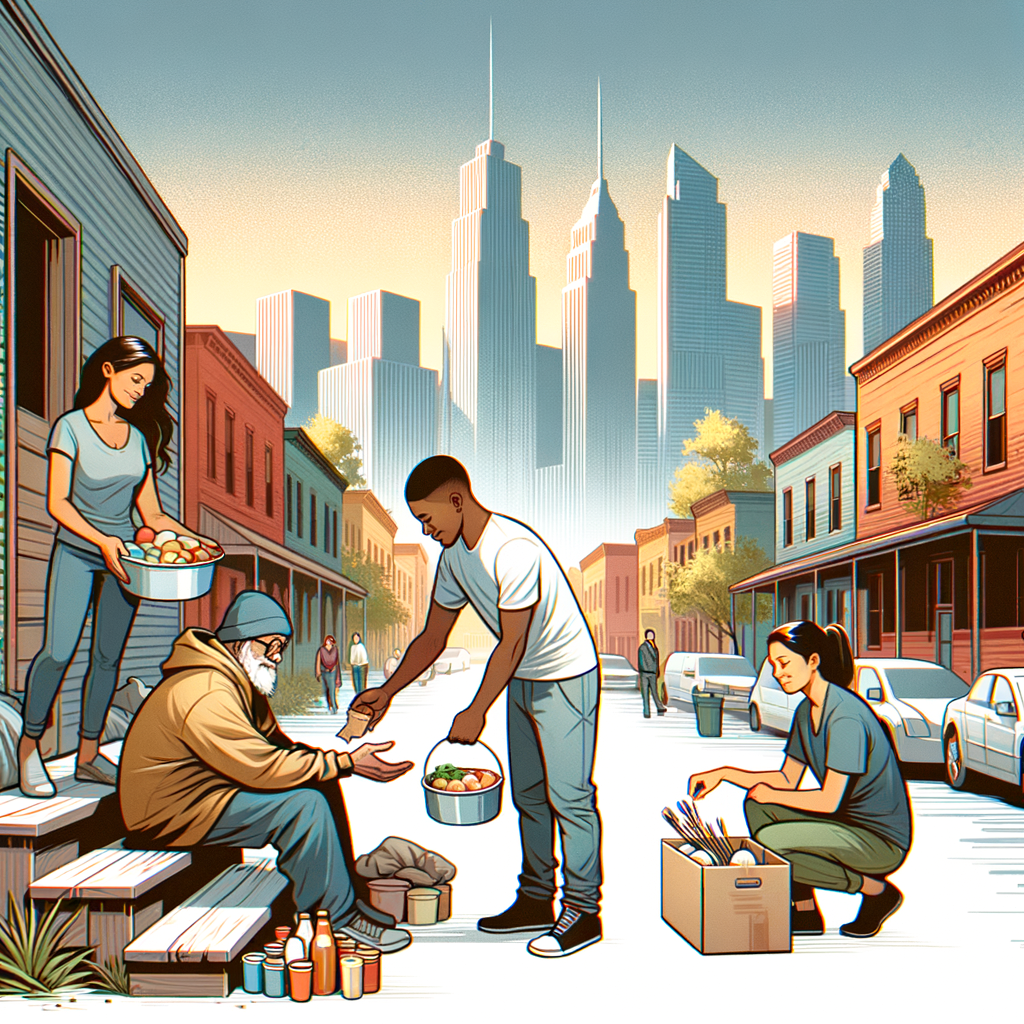
Urban planning serves as the foundation for cultivating well-functioning cities and communities. However, in many instances, it has unintentionally reinforced existing social inequities. Recognizing and addressing these disparities is crucial for fostering inclusive growth and development. Social equity in urban planning refers to policies and practices that ensure fair and just access to resources, services, and opportunities in urban environments. Amid rapid urbanization, cities are evolving into complex ecosystems where the allocation of resources and infrastructure impacts millions of residents. Unfortunately, this development often overlooks marginalized communities, leading to stark disparities in housing, transportation, healthcare, and education. This growing concern highlights the need for urban planners to integrate social equity considerations into their projects actively.
The importance of thoughtfully addressing social equity in urban planning cannot be understated, especially with increasing awareness of socioeconomic inequalities worldwide. The failure to incorporate these considerations can exacerbate existing inequalities, further marginalizing underrepresented groups. Traditional urban planning often prioritizes economic efficiency or aesthetic value over social factors. This tendency results in skewed resource distribution, where wealthier neighborhoods receive more benefits at the expense of lower-income areas. Consequently, this imbalance contributes to a cycle of poverty and exclusion for disadvantaged populations. As urban planners, policymakers, and stakeholders explore new approaches to create equitable living environments, it is essential to understand the multifaceted dynamics associated with social equity in urban planning. This article delves into strategies for identifying and addressing disparities and the critical role they play in shaping the future of urban development.
Understanding Social Disparities in Urban Planning
Social disparities in urban planning manifest in various forms, which impact individuals’ access to resources and opportunities. These disparities often stem from historical contexts of systemic discrimination, income inequality, and governmental neglect. Throughout history, cities have been designed with specific populations in mind, favoring those with economic and political influence. Consequently, low-income families, minority groups, and other marginalized communities have been pushed to the peripheries, where access to essential services and infrastructure is limited. The legacy of discriminatory practices like redlining still affects housing affordability and neighborhood accessibility today.
Transportation infrastructure is another domain where disparities are glaring. Public transit systems often neglect routes that service low-income neighborhoods or make them less frequent. Additionally, infrastructure that promotes active transportation, such as bike lanes and pedestrian paths, are less prevalent in these communities, creating health disparities and limiting mobility. Limited access to proper healthcare facilities further intensifies the disadvantages for marginalized communities. Clinics and hospitals are often strategically placed away from low-income areas, exacerbating health challenges and increasing mortality rates among these populations. Furthermore, environmental injustices are apparent in densely populated urban areas, with marginalized communities facing disproportionate exposure to pollution and environmental hazards. Power plants, landfills, and other sources of pollution are often located near low-income neighborhoods, leading to severe short and long-term health consequences for residents.
The Importance of Community Engagement
Community engagement is a vital component in addressing social equity in urban planning. Involving local communities in the decision-making process fosters trust, illuminates the unique challenges faced by different groups, and allows their voices to guide planning efforts. Genuine community involvement ensures that stakeholders are aware of and can influence planning and development goals. This collaboration enables residents to convey their perspectives on matters concerning their neighborhoods, leading to more tailored solutions that accurately address their needs. Often, communities possess intimate knowledge about the issues affecting them, which may not be apparent to outside planners.
Co-designing solutions with input from community members brings about equitable approaches to urban development. Engaging diverse community groups can help identify local assets that might otherwise be overlooked and lead to innovative solutions stemming from the lived experiences of those in marginalized communities. By prioritizing community engagement, planners can foster a sense of ownership among residents, driving action and development in the long term. Furthermore, continuous dialogue with affected communities helps monitor changes and ensures that implemented measures align with evolving local circumstances.
Strategies for Promoting Social Equity in Urban Planning
Urban planners can adopt numerous strategies to promote social equity actively within their projects. One effective approach is the implementation of inclusive zoning practices that encourage mixed-use developments and affordable housing. These practices allow diverse residents to coexist, minimizing segregation and fostering socioeconomic integration. Encouraging affordable housing initiatives can help equalize access to urban amenities, transportation, and schools. Additionally, leveraging public land for social housing developments can ensure that safe and dignified living is attainable for all city residents, regardless of their socioeconomic standing.
Redesigning and investing in public transit infrastructure is another crucial step towards equitable urban planning. By making public transportation more accessible, affordable, and efficient, cities can improve mobility and connectivity for marginalized communities. Planners must prioritize existing underserved areas, ensuring that these neighborhoods have adequate transit coverage. This effort may include rerouting existing lines, increasing service frequency, or innovating flexible transport options, such as on-demand shuttle services. Implementing policies promoting active transportation, such as increased bike lanes and pedestrian-friendly streets in low-income neighborhoods, enables healthier lifestyles and reduces environmental impact.
Furthermore, incorporating green spaces and recreational facilities throughout urban landscapes can significantly improve residents’ quality of life. Urban planners should focus on equitable distribution to ensure all community members have access to natural environments, parks, and communal spaces for recreation and relaxation. Besides improving mental and physical health, these spaces encourage social interaction and foster community cohesion. Education is another pillar of social equity in urban planning. Strategically locating schools and educational facilities ensures that children in marginalized communities have the same opportunities as their wealthier counterparts. Supporting diverse educational programs and extracurricular activities further enhances equal opportunities. Partnering with local organizations and institutions to provide scholarships and training opportunities can empower the youth in disadvantaged areas, expanding their prospects for a better future.
Overcoming Challenges in Integrating Social Equity
Implementing social equity-focused urban planning initiatives can be fraught with challenges. Resistance from stakeholders, such as private developers, policymakers, and community members, can impede progress. Finding common ground with these stakeholders and fostering mutual understanding is essential to ensure cooperation and support for socially equitable projects. Planners must be prepared to address concerns of stakeholders who may be apprehensive about changes that challenge status quos or threaten their vested interests. Public perception can be another barrier obstructing the progress of socially equitable urban planning projects. Addressing misconceptions and fears regarding changes to existing neighborhoods or the integration of socioeconomically diverse communities is crucial. Conducting awareness campaigns and demonstrating the benefits of social equity initiatives can mitigate these concerns.
Moreover, budget constraints can pose significant challenges when attempting to ensure urban planning projects are inclusive and equitable. Funding for infrastructure improvements and the provision of public services is often limited, necessitating innovative solutions and the reallocation of resources to prioritize social equity investments. Collaboration with non-profit organizations and private sector players can supplement governmental efforts and provide additional funding and expertise. Additionally, urban planners may need to navigate complex bureaucratic processes and outdated policies that hinder the progress of equity-oriented projects. Policymakers must embrace flexible regulatory frameworks that support innovative, community-driven planning and enable planners to adapt and develop creative solutions.
The Role of Technology in Advancing Social Equity
Technology has emerged as a significant ally in furthering social equity within urban environments. Geospatial analysis and mapping technologies can identify vulnerabilities and disparities, helping planners visualize areas necessitating intervention. This data-driven approach enables informed decision-making and the strategic allocation of resources. Emerging technologies are also transforming public engagement through participatory planning platforms allowing residents to contribute input in decision-making processes. By facilitating communication via digital channels, technology can bridge geographic and socioeconomic divides, allowing diverse voices to participate actively in urban planning.
Smart city technologies also present opportunities to integrate equity considerations into urban planning. Intelligent transportation systems, for instance, can enable data-driven optimization of public transit and promote equitable access to services. Moreover, harnessing big data and analytics in policy formulation can help identify gaps and emerging needs, ensuring policy interventions are responsive and proactive. However, technology’s role in advancing social equity is not without challenges. Ensuring equitable access to technology and overcoming digital divide issues is vital for leveraging these innovations. Marginalized communities with limited internet access or digital literacy may be excluded from digital platforms, underscoring the need for parallel initiatives to bolster digital inclusivity.
Conclusion
The path towards achieving social equity in urban planning is complex, requiring coordinated efforts from policymakers, planners, and communities. As urban centers continue to grow, effectively addressing social disparities is imperative for fostering a sustainable, inclusive future. Acknowledging historical biases and embracing inclusive, data-driven approaches is crucial to creating resilient and equitable urban environments. The role of technology and community engagement, along with strategic investments in transportation, housing, green spaces, and education, are key components of an integrated social equity approach.
To successfully bridge inequities, urban planners must remain committed to aligning development priorities with the diverse needs of all communities. By shifting focus towards creating spaces designed to ensure equitable, just allocation of resources and opportunities, cities can empower their residents to thrive collectively. Continued dialogue and collaboration between stakeholders remain essential in tackling challenges and reimagining urban spaces that embody fairness and inclusivity. Urban planning signifies not only shaping the built environment but also fostering a social landscape where all individuals, regardless of background, can access the tools necessary for growth, well-being, and prosperity.
Frequently Asked Questions
1. What is social equity in urban planning, and why is it important?
Social equity in urban planning refers to a suite of policies, practices, and procedures aimed at ensuring all community members have fair and equitable access to resources, opportunities, and services within urban environments. This concept is not just about achieving equality, where everyone gets the same, but about achieving equity, where resources and opportunities are distributed based on the unique needs and circumstances of different communities.
The importance of social equity in urban planning cannot be overstated. Cities are rapidly expanding, and as they do so, they often exacerbate existing social inequalities. Historically marginalized communities frequently bear the brunt of these inequalities, experiencing limited access to essential services, resources, and opportunities. By embedding social equity into urban planning, cities can mitigate these disparities, leading to more inclusive, diverse, and vibrant urban areas. Plans that prioritize social equity can combat systemic injustices, enhance economic opportunities for underrepresented communities, and ultimately improve the quality of life for all residents. Addressing social equity creates a balanced urban development framework that takes into account diverse socio-economic realities.
2. How have urban planning practices contributed to social disparities historically?
Historically, urban planning practices have, sometimes unintentionally, reinforced social disparities. During the industrial age, many cities prioritized development that favored the wealthy and left underprivileged areas without essential infrastructure. Decisions such as zoning laws often segregated communities along socio-economic or racial lines, concentrating resources like schools, parks, and transit in affluent neighborhoods while neglecting others.
Urban renewal projects in the mid-20th century often led to the displacement of low-income and minority communities. Highways were deliberately routed through these neighborhoods, disrupting community cohesion and cutting off economic opportunities. Practices like redlining denied mortgages and loans to residents in certain areas, negatively impacting property values and perpetuating poverty cycles. All these factors contributed to a spatial manifestation of inequality, where the areas with greater need were systematically deprived of opportunities for growth and development.
3. What are some strategies used in urban planning to promote social equity?
To promote social equity, urban planners deploy a variety of strategies that aim to address past disparities and prevent new ones from emerging. One key approach is inclusive zoning, which requires a mix of affordable, market-rate, and subsidized housing within developments, countering segregation and promoting economic diversity. This ensures people from all income levels can reside in desirable neighborhoods, gaining equal access to public services and resources.
Another strategy involves community engagement and participatory planning, ensuring the voices and perspectives of marginalized groups are included in decision-making processes. Engaging communities directly affected by urban changes fosters accountability and creates outcomes that are culturally and economically sensitive. Additionally, planners prioritize investment in public transportation, sidewalks, and bike lanes in underserved areas, enabling better access to job centers and educational opportunities. Provisions for green spaces, healthcare, and schools are consistently integrated into development plans to support holistic and sustainable community well-being.
4. How do planners measure progress in achieving social equity in urban development?
Progress in achieving social equity in urban development is measured through various qualitative and quantitative indicators. Quantitatively, planners monitor accessibility metrics such as the availability of public transit, affordability and availability of housing, and the distribution of amenities like parks and healthcare facilities. Data on economic mobility, educational attainment, and employment opportunities in different neighborhoods also provide critical insights.
Qualitatively, ongoing community feedback offers invaluable perspectives on whether interventions are effectively meeting residents’ needs. Planners might conduct surveys and interviews, host town hall meetings, and work with neighborhood associations to assess community sentiments. Another crucial metric is the level of community participation in planning processes. Evaluating how different social groups, especially historically marginalized ones, are engaging and whether their inputs are visibly reflected in outcomes helps determine the inclusiveness of urban planning practices.
5. What role do policymakers play in addressing social equity through urban planning?
Policymakers play a crucial role in addressing social equity within urban planning by crafting policies that guide more equitable urban development. At the legislative level, they can enact laws that mandate affordable housing quotas, prohibit discriminatory zoning practices, and provide funding for infrastructure improvements in under-resourced communities. These legislative frameworks set the stage for long-term systemic changes and ensure accountability.
At the municipal level, policymakers work alongside urban planners to implement city-wide initiatives that prioritize equitable development. They can allocate budgets towards projects that uplift underserved areas, such as improved public transportation or new educational facilities. Policymakers also engage in public-private partnerships to leverage additional resources and innovation aimed at equitable outcomes. Through strategic policy, they foster environments where diversity thrives and all residents can lead fulfilling lives irrespective of their demographic or socio-economic background.