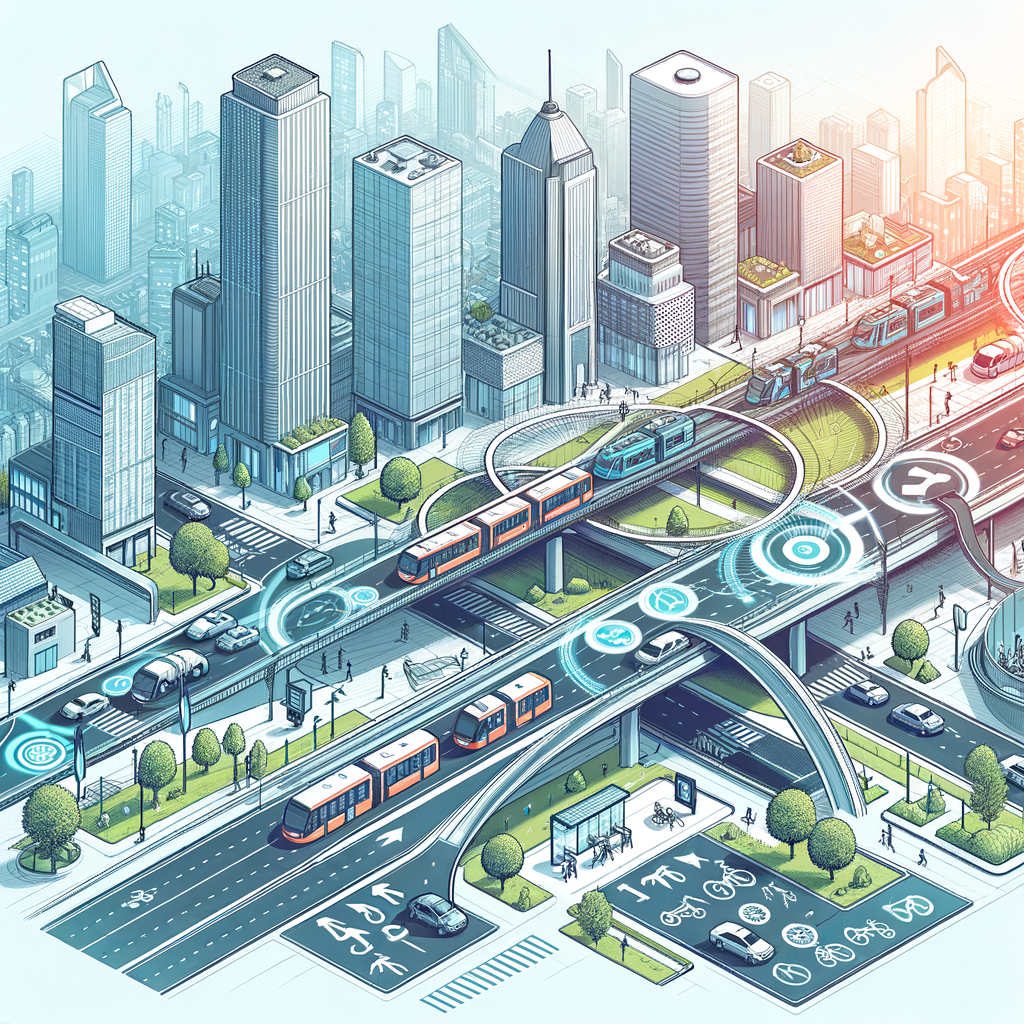
Urban infrastructure resilience is becoming a crucial topic in today’s global environment as cities face increasing challenges due to climate change. Climate change refers to long-term alterations in temperature, precipitation patterns, and other atmospheric conditions. These changes result in more frequent and severe weather events such as floods, droughts, and hurricanes. The concept of resilience focuses on the ability of urban systems to withstand, adapt to, and recover from these extreme events. Understanding and improving urban infrastructure resilience is essential for maintaining the health, safety, and economic stability of urban populations, vital due to the growing global urban population and the concentration of economic activities in cities.
Urban infrastructure includes the fundamental facilities and systems that support the functionality of a city. This includes transportation systems, water supply and sanitation, energy grids, and communication networks. As cities grow in size and density, the strain on these systems increases, making them more vulnerable to the impacts of climate change. By enhancing resilience, urban areas can reduce potential damages, minimize economic losses, and protect their residents from harm. This article explores how urban infrastructure can adapt to climate change, integrating new technologies and strategies to build a resilient future.
Understanding Urban Infrastructure Vulnerabilities
To enhance resilience, it’s crucial to understand the vulnerabilities of urban infrastructure to climate change. For instance, transportation systems, including roads, bridges, and subways, are susceptible to flooding and extreme temperatures. When Hurricane Sandy struck New York City in 2012, it flooded the city’s subway system, illustrating the vulnerability of essential transportation networks to extreme weather.
Similarly, water supply and sanitation systems face threats from both droughts and heavy rainfall, leading to water shortages or contamination. Cities around the world must assess these vulnerabilities to prioritize and implement protective measures.
Adaptation Strategies for Water Management
As climate change intensifies, cities must adapt their water management strategies. Techniques like rainwater harvesting, green roofs, and permeable pavements help absorb rainwater, reducing the risk of flooding. Singapore’s Active, Beautiful, Clean Waters (ABC Waters) program exemplifies successful adaptation, repurposing urban spaces to manage stormwater naturally while enhancing aesthetic and recreational value.
For drought-prone areas, water-efficient fixtures and advanced wastewater treatment technologies are essential. Implementing such strategies ensures a resilient urban water supply that can withstand climate variability.
Enhancing Energy Infrastructure Resilience
Energy infrastructure is another critical concern. Power outages due to storms can paralyze a city, affecting everything from transportation to healthcare. The Pacific Gas and Electric Company in California has implemented microgrids and energy storage systems to provide backup power during outages, enhancing resilience.
Renewable energy sources like solar and wind also play a role in resilience. Their decentralized nature makes energy systems less vulnerable to centralized grid failures, offering sustainable backup options during crises.
| Aspect | Example Strategy | Benefit |
|---|---|---|
| Water Management | Rainwater Harvesting | Reduces Flood Risk |
| Energy Infrastructure | Microgrids | Backup Power |
| Transport Systems | Elevated Roads | Flood Resistance |
Climate-Resilient Transportation Systems
Transportation networks must evolve to meet climate challenges. Elevating roads and bridges in flood-prone areas can prevent disruptions. In the Netherlands, a nation renowned for its water management, roads are designed with resilience in mind, utilizing culverts and elevated platforms to maintain accessibility during floods.
Additionally, integrating smart transportation systems can improve efficiency and response times during extreme weather events, enhancing overall urban mobility resilience.
Leveraging Technology for Infrastructure Resilience
Advances in technology are crucial for building urban resilience. Early warning systems for extreme weather allow timely response and evacuation. For example, Japan’s sophisticated earthquake warning system has proven invaluable in minimizing risk and organizing community response.
Moreover, data analytics and sensors provide real-time information on infrastructure status, enabling cities to prioritize maintenance and repairs efficiently, preventing failures before they occur.
Community Engagement and Policy Initiatives
Resilient infrastructure requires active participation from communities and supportive policies. Engaging local populations through awareness programs ensures that they are informed and prepared for climate impacts. In Curitiba, Brazil, community initiatives play a vital role in sustainable urban planning and disaster preparedness.
Policies that encourage sustainable urban development and resource-efficient practices are fundamental. Governments must collaborate with stakeholders to establish comprehensive plans incorporating climate risks, leading to resilient city frameworks.
Conclusion: Building a Resilient Urban Future
In conclusion, as climate change continues to present significant challenges, urban resilience becomes ever more critical. By understanding vulnerabilities and implementing strategies for water management, energy systems, transportation, and leveraging technology, cities can mitigate risks associated with climate impacts. The integration of community engagement ensures that urban resilience is a shared endeavor, crucial for sustained success.
Ultimately, building urban resilience not only protects infrastructure but also supports economic stability and the well-being of urban residents. It is imperative for city planners, policymakers, and communities to work together, prioritizing resilience in urban development plans. Together, we can adapt to climate change effects, safeguarding our cities for future generations. Start by advocating for resilient infrastructure policies in your community and supporting sustainable practices in daily life.
Let’s make resilience a fundamental aspect of urban living, ensuring cities thrive despite the challenges posed by a changing climate.
Frequently Asked Questions
1. What is urban infrastructure resilience, and why is it important for cities facing climate change?
Urban infrastructure resilience refers to the capacity of urban systems—such as transportation, utilities, and public services—to withstand, adapt to, and recover from the impacts of climate change and related extreme weather events. This resilience is vital as cities worldwide are increasingly vulnerable to the consequences of climate change, including rising temperatures, changing precipitation patterns, and more frequent and intense storms, floods, and heatwaves. By enhancing infrastructure resilience, cities can minimize disruptions and maintain essential functions, ensuring safety, social stability, and economic continuity for their populations.
The importance of resilience in urban infrastructure cannot be overstated. As the global population concentrates in urban areas, these regions become critical hubs of economic activity, innovation, and cultural exchange. However, this concentration also means that any disruption due to climate change can have wide-ranging consequences, affecting everything from local businesses and transportation systems to water supply and public health. Effective resilience planning can lead to improved disaster preparedness, reduced recovery costs, and a more sustainable urban environment that can thrive in the face of climate change challenges.
2. How can cities adapt their infrastructure to become more resilient to climate change?
Adapting urban infrastructure to climate change requires a multifaceted approach, incorporating advanced planning, technological innovation, and inclusive community engagement. Cities can implement several strategies to enhance resilience, including adopting nature-based solutions, upgrading critical systems, revising building codes, and leveraging technology.
Nature-based solutions such as green roofs, urban forests, and permeable pavements can help manage stormwater, reduce urban heat, and increase biodiversity, contributing to overall resilience. Upgrading critical infrastructure, such as retrofitting bridges and drainage systems to withstand extreme events, ensures continuity of services even during disruptions. Revising building codes to enforce climate-resilient designs will make new buildings more robust against weather extremes. Cities can also use smart technology to monitor environmental conditions, optimize resource use, and proactively manage risks, improving the responsiveness and efficiency of urban systems.
Moreover, engaging with local communities is essential in crafting effective resilience strategies. City planners and officials should work closely with residents to understand local vulnerabilities and incorporate community knowledge and needs into adaptation initiatives. This collaborative approach ensures that resilience efforts are equitable and inclusive, addressing the needs of all urban inhabitants.
3. What role does urban planning play in building resilient infrastructure?
Urban planning is fundamental in the development of resilient infrastructure, as it provides the strategic framework for integrating resilience principles into all aspects of city development and management. Planners play a pivotal role in assessing climate risks, identifying vulnerabilities, and proposing capital improvements that bolster the capacity of urban systems to handle climate change impacts.
Effective urban planning for resilience involves rigorous risk assessments that consider current and future climate scenarios to identify areas of critical vulnerability. These assessments guide the prioritization of infrastructure investments, ensuring that resources are directed towards projects that can provide the greatest benefit in mitigating climate risks. Planners also use zoning and land-use regulations to minimize exposure to climate hazards, such as restricting development in flood-prone areas or encouraging dense, mixed-use development to reduce urban sprawl and increase energy efficiency.
In addition, urban planners facilitate cross-sectoral coordination, bringing together different stakeholders such as transportation agencies, utility providers, and emergency services to ensure a holistic approach to resilience. By fostering collaboration and integrating resilience into city planning processes and policy development, urban planners help create cities that not only survive but thrive amid the challenges posed by climate change.
4. What challenges do cities face in implementing resilient infrastructure solutions, and how can they overcome these obstacles?
Implementing resilient infrastructure solutions presents several challenges for cities, including funding constraints, policy and regulatory hurdles, and the complexity of coordinating across multiple sectors and stakeholders. However, cities can adopt strategies to overcome these obstacles and advance their resilience agendas.
Funding is a significant challenge, as resilient infrastructure projects often require substantial initial investments. Cities can address this issue by exploring diverse funding avenues such as public-private partnerships, leveraging green bonds, and securing grants from national and international bodies focused on climate adaptation. Demonstrating the long-term economic benefits of resilience investments, like reduced damage costs and enhanced economic productivity, can also help garner support and justify financing decisions.
Policy and regulatory challenges can be addressed by advocating for and developing policies that prioritize resilience, such as building code updates and incentives for resilient designs and technologies. Additionally, aligning local, regional, and national policies can create a supportive regulatory environment that facilitates efficient implementation of resilience measures.
Coordinating across sectors and stakeholders can be complex, but it is essential for comprehensive resilience planning. Establishing dedicated resilience offices within municipal governments can streamline coordination, ensuring that different sectors work towards shared resilience goals. Holding stakeholder workshops and fostering partnerships between government entities, the private sector, academia, and civil society can also facilitate collaboration and knowledge exchange, smoothing the path for implementing resilient infrastructure solutions.
5. How can technology and innovation contribute to urban infrastructure resilience against climate change?
Technology and innovation play a crucial role in enhancing urban infrastructure resilience against climate change by enabling cities to monitor, predict, and manage climate impacts more effectively. Technological advancements provide cities with tools to collect and analyze environmental data, optimize resource use, and improve emergency response capabilities.
For instance, advanced climate modeling and geographic information systems (GIS) allow city planners to simulate future climate scenarios, predict risk extremes, and identify vulnerable areas, informing targeted adaptation measures. Sensor technologies and the Internet of Things (IoT) facilitate real-time monitoring of infrastructure conditions, such as detecting stress and damage in critical systems like bridges and power grids, enabling preemptive maintenance and reducing the risk of failures.
Moreover, innovations in materials science and engineering offer new possibilities for designing infrastructure that can withstand extreme weather conditions. From developing flood-resistant materials to creating energy-efficient, climate-adaptive buildings, technological advancements can significantly bolster a city’s resilience portfolio.
Digital platforms that support citizen engagement and data sharing also enhance resilience by empowering communities to contribute to monitoring efforts and response actions. These platforms can mobilize resources, coordinate volunteer efforts, and disseminate crucial information during emergencies, thereby boosting community resilience to climate-related disruptions.
Overall, by harnessing technology and fostering innovation, cities can build smarter, more adaptive, and more resilient infrastructure systems that are well-equipped to confront the challenges posed by climate change.