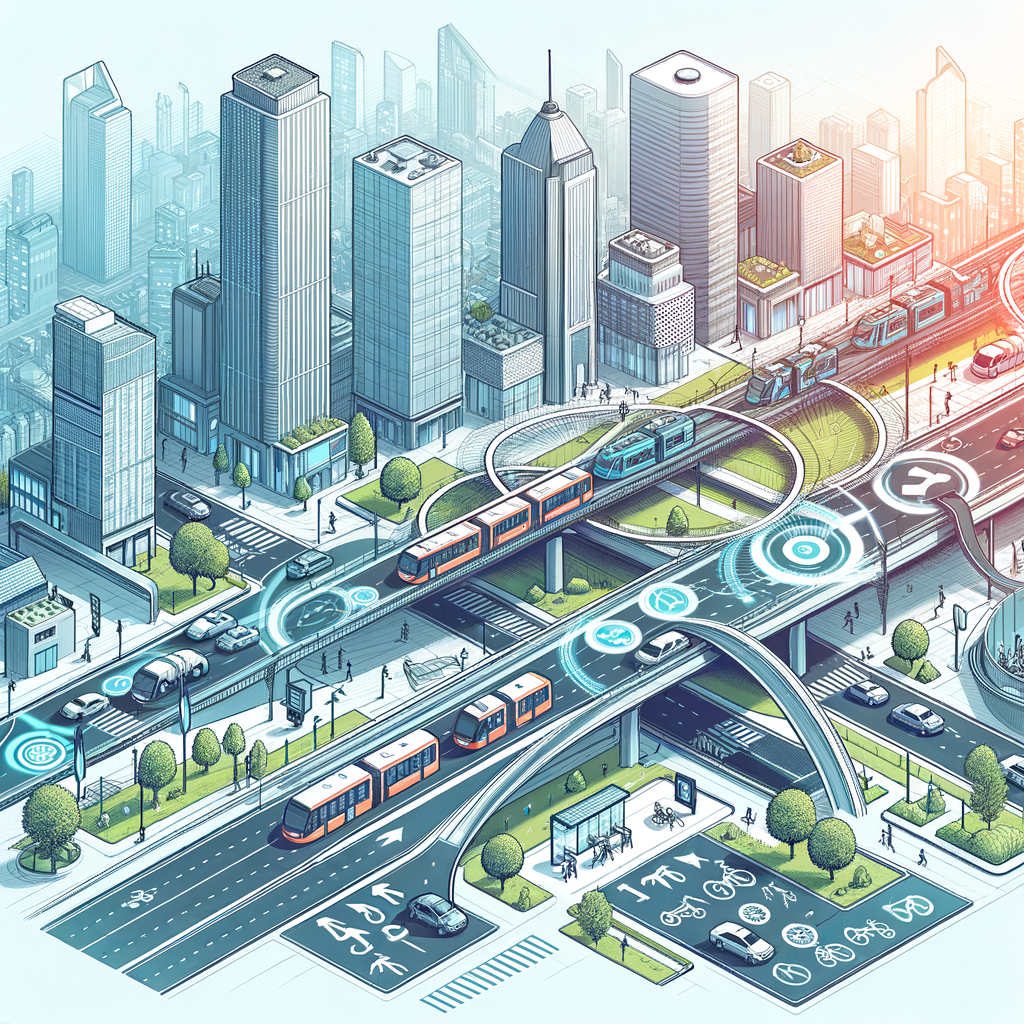
In today’s rapidly evolving world, technology has become an indispensable part of our daily lives. It influences nearly every sector, from communication and transport to education and beyond. A critical domain where technology’s impact is profoundly felt is urban public health. As urban populations continue to grow, cities are increasingly turning to technology to help manage public health challenges. But what exactly is urban public health? It’s essentially the study, prevention, and management of health concerns arising from living conditions in urban environments. City dwellers face unique public health challenges, such as pollution, infectious diseases, and lifestyle-related disorders. Thus, understanding how technology can help address these issues is of paramount importance.
Technology facilitates the delivery of healthcare services, aids in the collection and analysis of health data, and enhances health education. As urban centers become more digital, technology supports efforts to track disease outbreaks, guide effective treatment plans, and foster healthier communities. Grasping the role of technology in urban public health helps policymakers, health professionals, and citizens make informed decisions that prioritize the health and well-being of city populations. In this transformation, technology isn’t just a tool; it’s an essential partner. Below, we’ll explore various ways in which technology is shaping urban public health, one innovation at a time.
Data Analytics and Disease Surveillance
The cornerstone of effective public health policy and practice is data. Technology enables the collection, analysis, and interpretation of vast amounts of health data, providing insights that were previously unattainable. In urban centers, public health officials utilize data analytics to monitor the spread of infectious diseases, assess health risks, and allocate resources efficiently. For instance, during outbreaks of diseases like COVID-19, real-time data collection and analysis were critical in developing strategies to contain the virus and protect populations.
Case in point, in New York City, the Department of Health used advanced data analytics platforms to track COVID-19 cases. They were able to gather and analyze data from hospitals, testing sites, and even wastewater treatment plants to monitor viral spread. This timely information helped city officials implement targeted lockdowns, deploy medical resources to hotspots, and effectively communicate health guidelines to residents. Such use of technology in data analytics illustrates its pivotal role in enhancing urban public health outcomes.
Telemedicine and Remote Patient Monitoring
Advancements in telemedicine and remote patient monitoring have broadened healthcare access, especially in urban areas where healthcare facilities can be overwhelmed or inaccessible to some communities. Telemedicine allows patients to consult with healthcare professionals via video calls, reducing the need for in-person visits. This is particularly beneficial in densely populated cities where traffic and busy schedules may hinder timely medical consultations.
An example is the growth of online health services in cities like Mumbai, India, where traffic congestion can significantly deter people from seeking timely medical attention. With internet-based platforms facilitating doctor consultations, patients can receive medical advice, prescriptions, and follow-ups from the comfort of their homes. Similarly, remote patient monitoring devices, like wearable health trackers, help in managing chronic conditions and minimizing hospital visits, thereby reducing healthcare system burdens. These technological innovations have revolutionized access to health services in urban settings.
Digital Health Education and Promotion
Technology plays a critical role in health education and promotion by disseminating information to vast audiences swiftly and effectively. In urban environments where residents can be exposed to various health risks, digital platforms like social media, websites, and mobile apps can spread crucial health information, engage communities, and encourage healthier lifestyles.
For instance, the city of Rio de Janeiro in Brazil has used mobile applications to promote health awareness programs. The apps provide information on disease prevention, vaccination schedules, and healthy living tips. By ensuring residents have access to verified and updated health information, these digital platforms empower users to make informed health decisions, improving public health outcomes city-wide. By leveraging digital technology, urban centers can significantly enhance their health promotion efforts, reaching diverse populations effectively.
| Technology | Application in Urban Public Health |
|---|---|
| Data Analytics | Disease Surveillance and Resource Allocation |
| Telemedicine | Remote Consultations and Monitoring |
| Health Education Apps | Digital Health Promotion and Awareness |
Environmental Monitoring and Pollution Control
Urban environments are particularly susceptible to pollution, which poses severe health risks to residents. Technological advancements have made it possible to monitor environmental conditions effectively, providing data that can be used to mitigate the harmful impacts of pollution on public health. Smart sensors and IoT devices have become instrumental in tracking air quality, noise levels, and other environmental factors in real-time.
Take the example of Beijing, China, where air pollution has been an enduring public health challenge. Through the deployment of advanced air quality monitoring networks across the city, officials can gather granular data on pollution sources and concentrations. Technologies like predictive analytics help forecast pollution trends, enabling the government to implement timely interventions, such as restricting vehicle use on certain days or enforcing stricter emissions regulations. Such efforts showcase how environmental monitoring technologies are crucial tools in safeguarding urban public health.
Improved Emergency Response Systems
Effective emergency response is vital in urban settings, where high population density can complicate efforts during crises. Technology enhances the effectiveness of emergency responses through improved communication systems, faster data sharing, and the integration of smart technologies like GPS and AI. These systems ensure rapid deployment of emergency services and medical aid, which can be lifesaving in critical circumstances.
A prime example is provided by Seoul, South Korea, where smart city technologies integrate various data sources to streamline emergency responses. During emergencies, such as fire outbreaks, systems can quickly pinpoint affected areas and direct emergency services accordingly. Furthermore, AI-driven predictive analytics enhance preparedness by forecasting potential emergencies based on current urban dynamics, thus allowing for proactive measures. The role of technology in boosting urban emergency responsiveness is indispensable for maintaining public health and safety.
Wearable Health Technology
Wearable technology is redefining personal health management within urban populations. Devices such as smartwatches and fitness trackers collect data on physical activity, heart rate, sleep patterns, and more. Not only do these devices offer insights into individual health metrics, but they also collectively contribute to city-wide health assessments when aggregated data is analyzed.
Take, for instance, the usage of wearables in cities like Los Angeles, where campaigns encourage citizens to adopt these devices for personal health monitoring. Wearables aid individuals in setting and achieving health goals. At the same time, health authorities can analyze anonymized data to identify public health trends and risk factors unique to the urban environment. Consequently, wearables are not just personal health tools; they’re assets to the public health ecosystem of urban centers.
Encouraging Next Steps in Urban Public Health
The integration of technology in urban public health presents numerous opportunities to enhance health outcomes and improve residents’ quality of life. It’s crucial for city planners, healthcare providers, policymakers, and citizens to stay attuned to evolving technologies that address public health challenges. Continual investment in and development of digital tools and frameworks can further reinforce the health infrastructure necessary in modern cities worldwide.
Key takeaways from the role that technology plays in urban public health include the transformative effect of data analytics in disease surveillance and resource allocation, the expanded healthcare access through telemedicine, and the heightened public engagement via digital health promotions. Moreover, technology facilitates real-time environmental monitoring, strengthens emergency response systems, and plays a pivotal role in proactive health management through wearable devices. Collectively, these technologies support healthier urban lifestyles and more resilient health systems.
We encourage city officials and community leaders to foster partnerships with technology developers to tailor solutions that fit the unique health landscapes of urban areas. Citizens should explore utilizing available technologies to enhance personal health while contributing to broader public health insights. By embracing technology as a central component of public health strategies, urban areas can navigate the complexities of modern health challenges successfully.
As these technologies continue to evolve, so must our dedication to leveraging them effectively for the health and well-being of urban populations everywhere. Together, cities can cultivate innovations that advance public health, protect communities, and pave the way for a healthier future.
Frequently Asked Questions
1. How does technology influence urban public health?
Technology plays an integral role in reshaping urban public health. In cities where population density presents unique challenges, technology offers innovative solutions to enhance health outcomes. For instance, mobile health apps provide easy access to healthcare services, enabling users to book appointments, receive test results, and manage chronic conditions efficiently. Moreover, technology aids in disease surveillance by using big data analytics to track outbreaks of diseases like flu or COVID-19, allowing public health officials to respond quickly and proactively. Beyond that, telemedicine has revolutionized healthcare access, breaking geographical barriers and ensuring that urban residents receive timely and adequate care regardless of their location.
2. What are some examples of technology used in urban public health?
There are several examples of technology transforming urban public health. Wearable health devices such as fitness trackers and smartwatches monitor vital signs and activity levels, empowering people to take charge of their health while also providing valuable data for researchers. Electronic Health Records (EHRs) streamline patient information sharing among healthcare providers, ensuring coordinated and efficient care. Furthermore, Geographic Information Systems (GIS) help public health officials map disease patterns, providing insights into environmental health threats or determining areas needing more health resources. Additionally, health information systems improve data management, making it easier to track health trends and allocate resources effectively.
3. Can technology help address healthcare disparities in urban settings?
Absolutely, technology has the potential to address disparities in urban healthcare. In densely populated cities, access to healthcare can often be uneven, with underserved communities struggling the most. Digital health technologies, such as telemedicine platforms, provide remote medical consultations, reducing the need for travel and making healthcare more accessible and affordable. Mobile health units outfitted with advanced medical equipment can bring services to neighborhoods with limited healthcare facilities. Furthermore, AI-driven chatbots and virtual health assistants assist non-English speaking populations by providing information in multiple languages, thus bridging communication gaps. Through these means, technology fosters an equitable healthcare system by reaching the highest need populations efficiently.
4. Are there potential challenges or downsides to using technology in urban public health?
While the integration of technology in urban public health brings many benefits, it is not without challenges. One concern is data privacy and security; as healthcare becomes more digitized, there’s a greater risk of patient data being compromised. Additionally, the digital divide poses significant challenges; not everyone has equal access to the internet or mobile devices, leading to potential exclusion from tech-based health solutions. Another consideration is the need for proper training for healthcare providers to effectively use these technologies, ensuring that they enhance rather than hinder healthcare delivery. Lastly, while technology aids in data collection and analysis, over-reliance without critical human oversight can lead to algorithmic biases or errors in decision-making, impacting the quality of care.
5. How can cities effectively implement technology to improve public health systems?
For cities to effectively integrate technology in public health systems, a multi-faceted approach is essential. Firstly, cities should invest in robust digital infrastructures such as reliable internet connectivity, especially in underserved areas. Secondly, collaboration between public health authorities, tech companies, and academic institutions can foster innovation and effectively leverage resources and expertise. Moreover, community engagement is crucial; residents should be involved in the development and implementation of tech-driven health solutions to ensure they meet local needs and preferences. Training programs for healthcare professionals should be prioritized, equipping them with the necessary skills to utilize new technologies effectively. Finally, establishing strong data governance policies plays a vital role in ensuring data privacy and security, thus building public trust in technology-enabled public health initiatives.