Climate change significantly affects urban areas, prompting discussions on urban resilience. Defined as a city’s ability to absorb, recover, and adapt to various climate-induced stresses, urban resilience poses a critical challenge. With over half the global population living in cities, addressing urban resilience is paramount. Cities face numerous risks, such as rising sea levels, extreme weather events, and heatwaves. Developing resilience is essential for safeguarding communities, infrastructure, and economies. This article explores the importance of urban resilience against climate change impacts, highlighting practical measures for urban areas to prepare and adapt, ensuring sustainability and well-being.
Understanding Urban Resilience
Urban resilience encompasses the ability of a city to bounce back from shocks and stresses caused by climate change and adapt to future uncertainties. This concept addresses multiple dimensions, including infrastructure, ecosystems, health, and social dynamics. Cities that fail to adapt face risks such as flooding, heat stress, and infrastructure collapse. For instance, New Orleans faced devastating effects from Hurricane Katrina, underscoring the need for robust infrastructure and disaster response plans. Urban resilience encourages cities to become more adaptable and sustainable by integrating modern technologies, green infrastructure, and community strategies.
Infrastructure Adaptation: Key Strategies
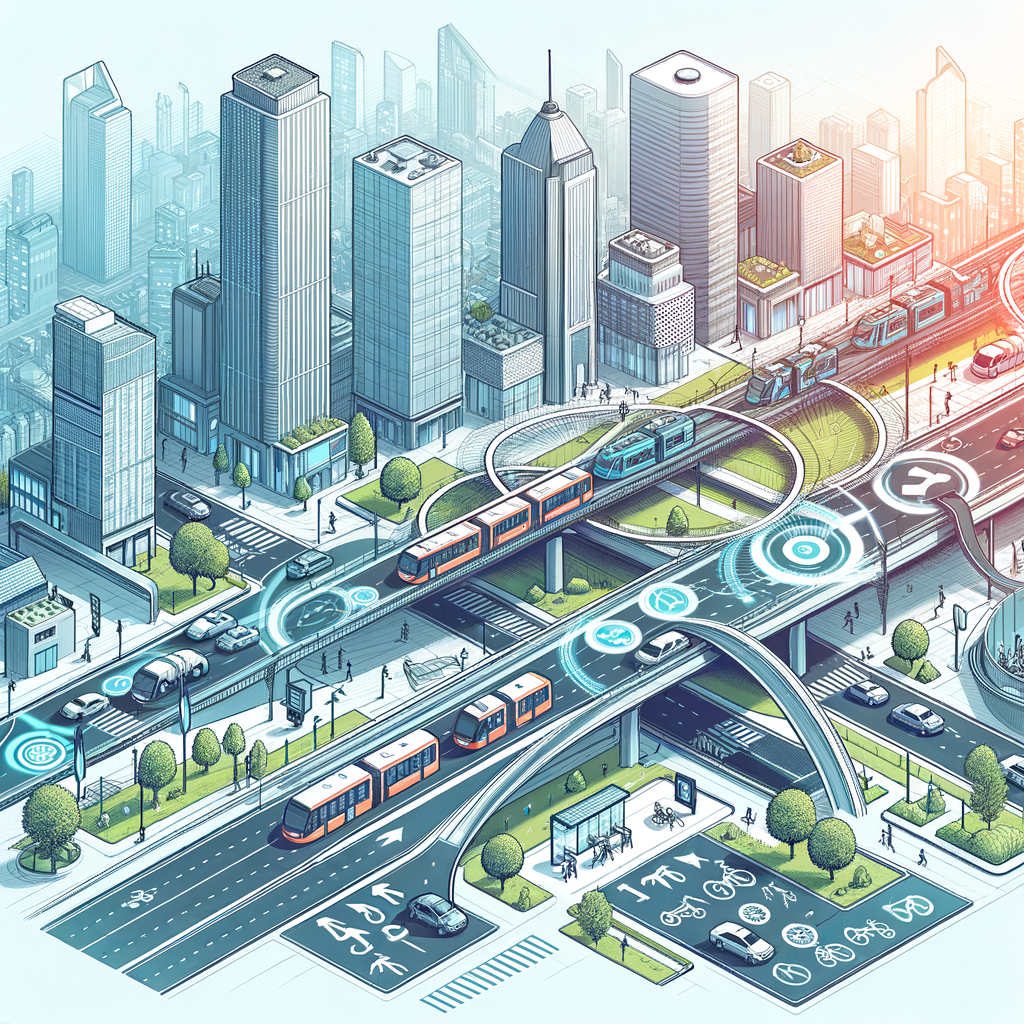
To ensure urban resilience, infrastructure must adapt to climate stressors. Green infrastructure, including parks, green roofs, and permeable pavements, reduces stormwater runoff and mitigates urban heat. Seoul, in South Korea, exemplifies this approach. The Cheonggyecheon Stream restoration transformed an elevated highway into an accessible green space, improving flood management and enhancing biodiversity. Additionally, cities can reinforce buildings, roads, and bridges to withstand extreme weather. Moreover, adopting smart grid technology enhances energy resilience by promoting decentralized, renewable energy sources. Investment in resilient infrastructure not only mitigates physical damage but also brings economic benefits through increased efficiency and job creation.
Community Involvement and Social Equity
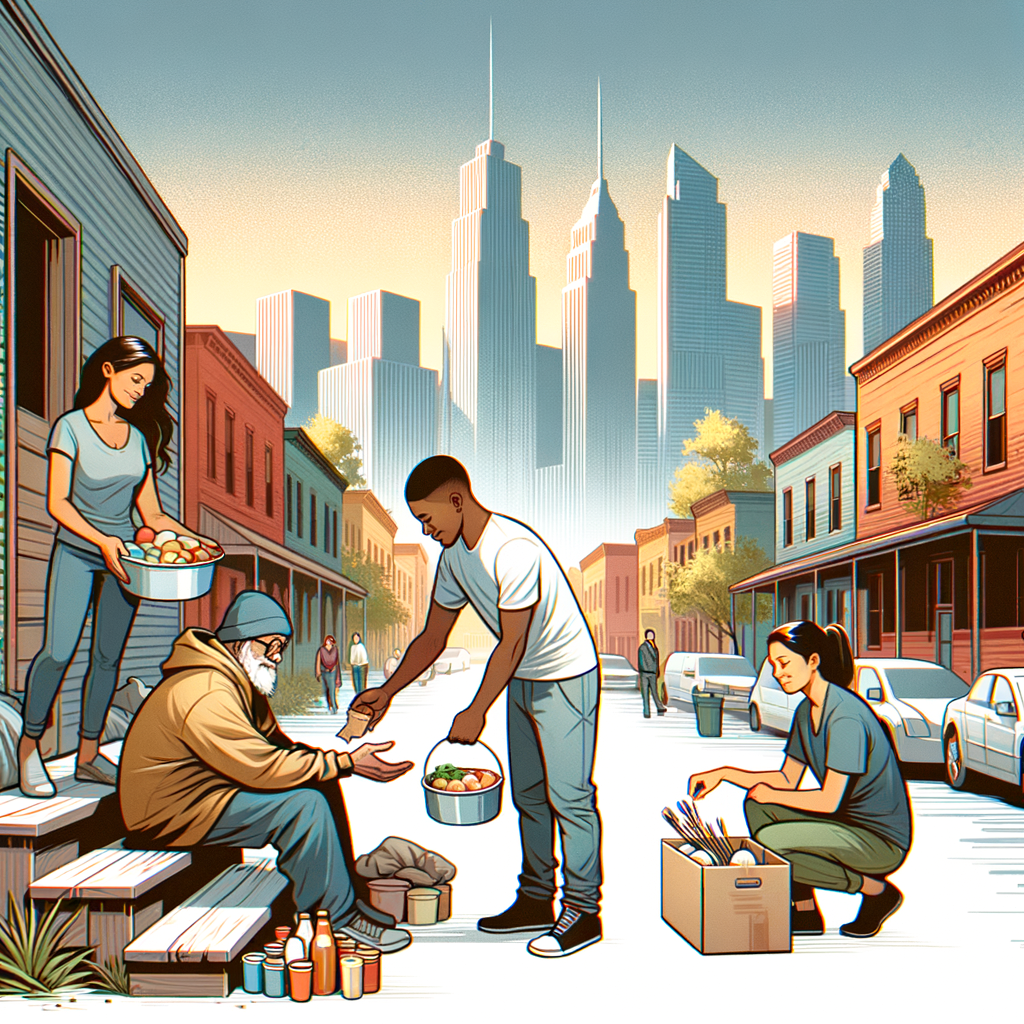
Community involvement is paramount in building urban resilience. Engaging citizens in resilience planning ensures that solutions meet local needs and encourage public participation. The “100 Resilient Cities” initiative illustrates the importance of collaboration between governments, NGOs, and communities in creating robust resilience strategies. Also, addressing social equity is crucial, as marginalized communities often suffer the most from climate impacts. By integrating equity-focused measures, cities ensure that resilience benefits everyone, minimizing disparities. For example, Rotterdam’s water plazas double as social spaces, enhancing community engagement while serving as flood mitigation features. A participatory approach not only empowers communities but also increases the success of resilience measures.
Climate-Smart Urban Policies
Implementing climate-smart policies is essential for fostering urban resilience. Policies should encourage sustainable land use, energy efficiency, and disaster risk reduction. For instance, Singapore’s urban planning integrates innovative drainage systems and strict building codes to minimize flood risks. Cities can promote sustainable transport systems, such as cycling networks and electric vehicles, reducing greenhouse gas emissions and enhancing air quality. Additionally, financial incentives for green development can drive the transition to low-carbon, resilient cities. A comprehensive policy framework supports long-term resilience goals by embedding sustainability into city planning processes. By prioritizing sustainability, cities not only become more resilient but also improve the quality of life for their residents.
Ecosystem-Based Adaptation
Ecosystem-based adaptation (EbA) involves using natural systems to buffer against climate impacts, offering a cost-effective approach to urban resilience. EbA includes conserving and restoring ecosystems such as wetlands, mangroves, and forests, which provide natural flood defenses and carbon sequestration benefits. An example is New York City’s efforts to protect wetlands in the Jamaica Bay Wildlife Refuge, which helps mitigate flood risks and enhance biodiversity. Cities can integrate biodiversity corridors and urban agriculture to enhance food security and foster ecological balance. EbA not only increases resilience to climate change but also promotes biodiversity, enhances recreational spaces, and improves air and water quality.
| Resilience Strategy | Example City | Benefits |
|---|---|---|
| Green Infrastructure | Seoul | Reduces flooding, enhances biodiversity |
| Community Participation | Rotterdam | Empowers residents, improves flood mitigation |
| Climate-Smart Policies | Singapore | Lowers flood risk, promotes sustainability |
| Ecosystem-Based Adaptation | New York City | Protects biodiversity, mitigates floods |
Technological Innovation and Data Utilization
Technological advancements play a pivotal role in enhancing urban resilience. From early warning systems to climate modeling tools, technology offers ways to predict, monitor, and respond to climate-related challenges. For example, smart sensors and IoT devices can monitor weather patterns, air quality, and energy consumption in real-time, enabling cities to implement adaptive measures promptly. Digital platforms facilitate data-driven decision-making, while Geographic Information Systems (GIS) assist in planning and managing urban growth sustainably. Investing in technology not only mitigates climate impacts but also fosters innovation and economic growth in urban areas.
Conclusion and Action Steps
Urban resilience against climate change impacts is critical for ensuring sustainable and thriving cities. By understanding urban resilience, cities can implement infrastructure adaptations, engage communities, adopt climate-smart policies, leverage ecosystem-based adaptation and harness technology. These strategies collectively contribute to a city’s ability to withstand and adapt to climate challenges. Resilient cities are better equipped to protect their populations, economies, and environments, ensuring long-term sustainability. As individuals, engaging with local resilience initiatives, advocating for sustainable policies, and supporting green infrastructure projects are pivotal steps. Together, we can bolster urban resilience and mitigate the risks associated with climate change, ensuring vibrant, sustainable cities for future generations.
Frequently Asked Questions
1. What exactly is urban resilience in the context of climate change?
Urban resilience refers to a city’s ability to withstand and quickly bounce back from the challenges and stresses brought on by climate change. This includes natural events such as floods, hurricanes, extreme heat, and rising sea levels, which are increasingly common as global temperatures rise. It is not just about rebounding from these events but also about adapting to long-term climate pressures. Urban resilience entails integrating strategies that enhance a city’s structural and social systems, making them robust enough to absorb, recover, and transform in response to these challenges. This requires collaboration across various sectors, community engagement, and investments in sustainable infrastructure development. In short, urban resilience is about equipping cities to better manage and thrive despite the climate-induced stresses they face.
2. Why is urban resilience essential for cities today?
Urban resilience is crucial today because over half of the world’s population lives in urban settings, and this number continues to increase. Cities are economic powerhouses, cultural hubs, and centers of technological advancement. However, they are highly vulnerable to the impacts of climate change. Without resilience, cities risk facing devastating interruptions in infrastructure and services, which can have long-term socioeconomic impacts. A resilient city can better protect its population, maintain its infrastructure, and continue to function in the face of climate-related challenges. For instance, if a city is struck by a hurricane but has resilient systems in place, it can minimize damage, maintain essential services, and recover more quickly. Moreover, investing in urban resilience can lead to cost savings by reducing the potential damages and recovery costs associated with natural disasters.
3. How do cities develop strategies to build urban resilience?
Building urban resilience is a multi-faceted process that involves assessing vulnerabilities, investing in protective infrastructure, fostering community engagement, and implementing forward-thinking policies. Cities need to conduct comprehensive vulnerability assessments to identify which areas, populations, and systems are most at risk from climate impacts. Once vulnerabilities are identified, strategies such as upgrading infrastructure to withstand extreme weather, enhancing emergency response systems, and creating green spaces to mitigate heatwaves can be developed. Collaboration is key; cities often partner with local communities, businesses, and expert organizations to devise effective resilience plans. These strategies also require continuous evaluation and adaptation to ensure they remain effective as climate conditions change over time. Furthermore, educational programs and community workshops play a pivotal role in equipping residents with the knowledge and tools to support these initiatives.
4. What are some examples of successful urban resilience projects?
There are several inspiring examples worldwide where cities have successfully implemented resilience projects. For instance, Rotterdam in the Netherlands is renowned for its innovative water management solutions designed to cope with rising sea levels and increased rainfall. Their “Water Squares” project doubles as recreational areas and temporary water storage during heavy rains. Another example is New York City, which has adopted a comprehensive strategy after Hurricane Sandy, incorporating infrastructure improvements and zoning regulations to protect against future storm surges. In Singapore, the city has adopted extensive green initiatives, such as rooftop gardens and vertical greenery, to combat urban heat and increase biodiversity. These projects illustrate the diverse approaches cities can take to enhance their resilience while simultaneously delivering social, economic, and environmental benefits.
5. What roles do governments and citizens play in fostering urban resilience?
Governments and citizens both play vital, interconnected roles in building urban resilience. Governments are primarily responsible for setting policies, funding infrastructure projects, and leading the efforts to integrate resilience thinking into urban planning. Local governments, in particular, need to prepare and implement plans that address the specific climate challenges their city faces. They must also facilitate collaboration between different stakeholders, including businesses, NGOs, and community groups, to ensure a broad-based approach to resilience. On the other hand, citizens play a crucial role in resilience-building by engaging with local initiatives, ensuring their actions and voices contribute to shaping resilient communities. Active citizen involvement helps to ensure that resilience projects meet the actual needs of the community and encourages the adoption of sustainable practices at the grassroots level. Ultimately, a successful urban resilience strategy requires the commitment and cooperation of both governments and citizens.