Urban transportation equity refers to the fair and inclusive distribution of transportation resources and services across cities, ensuring that all residents have equal access to mobility opportunities regardless of their socioeconomic status, ethnicity, or geographic location. As cities grow, access to adequate, reliable, and affordable transportation becomes increasingly crucial. The ability to reach vital resources such as employment, education, healthcare, and social services heavily depends on the transportation options available to residents. Without equitable access, marginalized communities may face significant barriers, reducing their quality of life and economic opportunities. Hence, understanding and promoting urban transportation equity is critical for creating just, equitable, and thriving urban environments.
Urban transportation equity matters because it addresses systemic disparities within city infrastructure and services. Disparities in transportation access often reflect broader social inequities, wherein underrepresented groups such as low-income households, minorities, the elderly, and people with disabilities find themselves disadvantaged. Consequently, these populations face challenges in finding employment, accessing education, and engaging in social and civic activities. Moreover, transportation injustice can exacerbate economic stratification, perpetuating cycles of poverty and isolation. Ensuring equitable transportation can enable greater participation in the city’s economic and social spheres, fostering inclusivity, sustainability, and resilience. By emphasizing urban transportation equity, policymakers, urban planners, and community advocates can work towards a future where no one is left behind due to a lack of equitable transportation access.
Understanding Transportation Inequities
Transportation inequities stem from a range of factors including historical policies, geographic disparities, and socioeconomic factors. Historically, urban planning decisions have favored certain areas and demographics over others, leading to development that prioritizes car-centric infrastructures and neglects public transportation in marginalized communities. The layout and focus of transportation networks often reflect these biases, with well-serviced areas typically being wealthier and predominantly white neighborhoods.
A poignant example of historical transportation inequity can be seen in the construction of highways in the mid-20th century United States. Often, these infrastructure projects bisected minority and low-income neighborhoods, which led to community displacement and limited accessibility to key areas. For instance, the construction of the I-10 highway in New Orleans disrupted primarily African American neighborhoods, creating physical barriers to resources and opportunities for those residents.
These geographic and historical inequalities translate into practical hardships for affected communities. Residents in under-served areas often face longer commutes, a lack of reliable public transit options, and limited access to basic services. Consequently, understanding the roots and manifestations of transportation inequities is essential for crafting solutions that cater to historically disadvantaged groups.
Addressing the Needs of Vulnerable Populations
Effective transportation equity strategies must specifically address the needs of vulnerable populations, including low-income families, seniors, people with disabilities, and non-English speaking residents. By acknowledging the unique barriers each group faces, tailored approaches can be developed to enhance their access to mobility services.
Take, for instance, the challenges faced by people with disabilities. Urban environments often lack sufficient infrastructure to accommodate their mobility needs, such as accessible bus stops, sidewalks, and transit stations. Cities like New York have begun initiatives like the Accessible Dispatch Program, which provides on-demand rides for residents with disabilities, aiming to bridge gaps in the existing public transportation system. These programs illustrate how targeted solutions can significantly impact the quality of life for vulnerable communities.
Similarly, offering discounted or subsidized fare programs can greatly impact low-income families reliant on public transit. Cities implementing reduced-fare schemes, like Boston with its Youth Pass and low-income Fare Program, demonstrate a commitment to reducing financial barriers to transportation access.
Innovative Solutions for Equitable Transportation
Urban transportation equity can be significantly improved through innovative solutions that redefine urban planning and transit operations. Leveraging technology and participatory planning processes are keys to developing a more inclusive transportation system.
One technological advancement is the integration of mobile applications for real-time transit information and e-ticketing. For example, the Moovit app offers accessible transit maps and schedules, reducing language and digital literacy barriers by providing multilingual support. Such solutions empower all users, allowing them to navigate public transportation systems effectively.
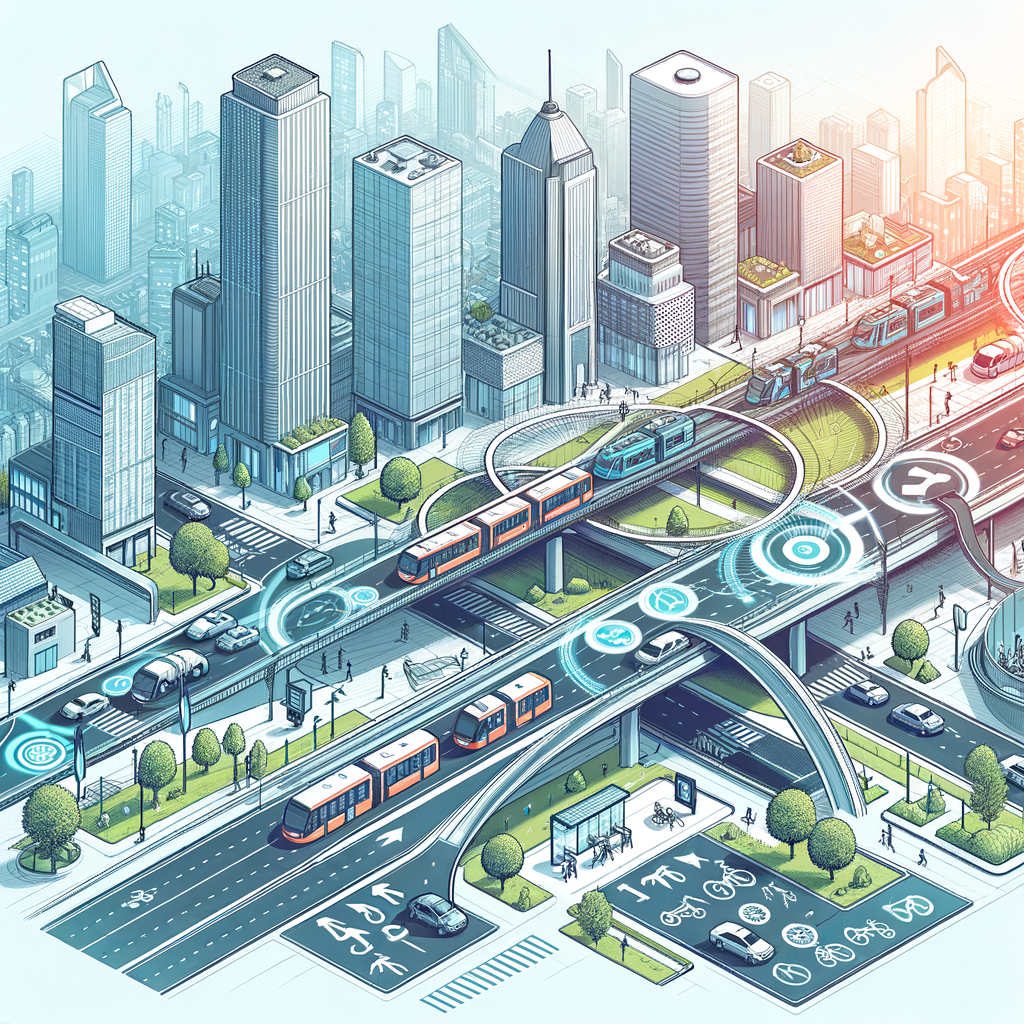
Another innovative approach involves “Transit-Oriented Development” (TOD), which focuses on creating mixed-use neighborhoods with accessible public transit options. Portland, Oregon, presents a successful case where extensive light rail and bus networks are integrated with pedestrian-friendly zones and bike paths, facilitating seamless transit connections. TOD fosters walkable communities, reduces dependence on cars, and enhances access to amenities and jobs.
Moreover, participatory planning practices invite community input in transportation decision-making processes. By involving residents, especially those from marginalized groups, cities can ensure that infrastructure projects align with the needs of underserved populations. Los Angeles’ Metro project exemplifies this by conducting extensive community workshops to gather feedback, ensuring that transit lines resonate with local priorities.
| Strategy | Example | Impact |
|---|---|---|
| Accessible Technology | Moovit App | Empowers users with real-time information |
| Transit-Oriented Development | Portland, OR | Reduces car dependence and enhances access |
| Participatory Planning | Los Angeles Metro | Aligns projects with community needs |
Policies to Promote Transportation Equity
Promoting transportation equity requires proactive policy measures and investments that prioritize inclusiveness. Crafting policies that focus on fair investments and regulations can lay the groundwork for equitable urban transportation systems.
Incorporating equity metrics into planning processes is a vital step. For instance, mapping tools that highlight transportation access disparities can guide funding to areas in dire need of improvements. Minneapolis has implemented an “Equity Strategic Plan,” which uses data-driven approaches to allocate transportation resources fairly.
By embedding equity analysis into transportation project evaluations, cities can ensure that new developments do not inadvertently perpetuate existing inequities. Equitable transit investments, such as infrastructure improvements and service expansions, can aid historically marginalized neighborhoods in gaining better connectivity and access to opportunities.
Furthermore, advocacy for policies that challenge broader social inequities is crucial. Supportive measures, like affordable housing near transit stations, can prevent displacement and ensure that low-income residents can remain in revitalized neighborhoods. Seattle’s “HALA” initiative, aimed at increasing affordable housing stock, exemplifies policy efforts aimed at comprehensive urban equity.
Collaboration and Community Involvement
Fostering collaboration between stakeholders and encouraging community involvement are pivotal for achieving sustainable and equitable urban transportation. The diverse perspectives from government agencies, non-profits, local businesses, and residents are vital for shaping inclusive policies and projects.
Successful collaborations can be seen with the “Equitable Transportation Advisory Board” in Austin, Texas. This board consists of representatives from varied sectors who advise city officials on equity-focused transportation decisions. Such platforms promote transparency and ensure that all voices are heard in planning processes.
Community-led initiatives can also drive impactful changes. For example, initiatives such as tactical urbanism often involve residents in temporarily redesigning public spaces to demonstrate potential improvements. These efforts empower communities, giving them the tools and agency to advocate for long-term changes that reflect their needs.
The Role of Education and Awareness
Education and raising awareness are central to advancing urban transportation equity. Informing the public about transportation issues and empowering them with knowledge empowers effective community advocacy and participation.
Educational programs, like transportation equity workshops, can demystify planning jargon and processes, allowing more people to engage in dialogue and campaigns. Public awareness campaigns focused on the benefits of equitable transportation can garner broader support for policy changes.
Additionally, including transportation equity topics in school curriculums can instill early awareness and activism in younger generations. Programs like those in Philadelphia that engage students in transportation planning scenarios demonstrate how education can foster future advocates committed to equity.
Conclusion: A Roadmap Towards Equitable Urban Transportation
To ensure urban transportation equity, cities must undertake a multifaceted approach involving policy reform, community collaboration, innovative solutions, targeted programs, and educational initiatives. The process of creating access for all is not just about expanding transportation networks; it is about reshaping societal structures to prioritize inclusivity and opportunity for every resident, regardless of their background or circumstances.
The key takeaways include recognizing transportation inequities, implementing strategic and participatory planning, enacting fair policies, and embracing community-driven approaches. These elements form a roadmap towards just and equitable urban environments where mobility is a right, not a privilege.
As urban dwellers and stakeholders, it is our responsibility to actively participate in shaping the future of our cities. Start by supporting equitable transportation initiatives in your community, advocating for fair policies, and engaging in dialogues that emphasize the importance of transportation justice. Together, we can pave the way for a more inclusive, accessible, and sustainable urban landscape.
Frequently Asked Questions
1. What is urban transportation equity and why is it essential?
Urban transportation equity ensures that everyone in a city has fair access to transportation, regardless of their socioeconomic status, ethnicity, or where they live. This concept is increasingly important because as cities grow, the need for efficient and inclusive transportation becomes more pressing. Imagine living miles away from your job, school, or healthcare facility without a reliable means of reaching these necessities. Without equitable transportation access, individuals and communities may find themselves isolated, making it difficult to participate fully in economic, social, and public life. Comprehensive transportation access is not just about roads and buses; it’s about breaking down barriers and opening up pathways to opportunity. It’s vital for sustainable development, reducing congestion and pollution, and improving the quality of life for all urban residents.
2. How does urban transportation inequity affect communities?
When transportation systems are inequitable, entire communities can suffer tremendous setbacks. For instance, if public transit routes bypass low-income neighborhoods, residents may have limited access to jobs that can help lift them out of poverty. This can perpetuate cycles of economic disadvantage, making it difficult for these communities to thrive. Moreover, transportation costs can be a significant burden for individuals and families who cannot afford a vehicle, especially if public transit is inadequate or expensive. A lack of transportation options can also restrict access to essential services, such as healthcare or child care, forcing residents to make tough choices or forego necessary support. Disparate transportation investment can lead to both economic and health impacts, exacerbating inequalities across demographic lines and contributing to social fragmentation rather than cohesion.
3. What are some effective strategies to improve urban transportation equity?
Improving urban transportation equity involves a multi-faceted approach. One effective strategy is to integrate equity considerations into transportation planning and policymaking from the get-go, assessing the needs of underserved communities and prioritizing investments that bridge gaps in access. Developing affordable, efficient public transit networks that connect underrepresented neighborhoods to key city centers is another cornerstone strategy. Additionally, creating policies that subsidize transport costs for low-income families can significantly enhance accessibility. Implementing community engagement programs that ask residents what they need and how they experience transportation challenges is essential in crafting effective solutions. Furthermore, embracing technology and innovation, like ride-sharing platforms and electric bikes, while ensuring they are accessible and affordable to all, can broaden mobility options. Policies that promote walking, cycling, and safe pedestrian infrastructure also contribute to a more inclusive environment, supporting both health and equitable access.
4. How can policy changes make urban transportation more equitable?
Policy changes play a critical role in ensuring urban transportation systems work for everyone. One way policy can aid in this is by enforcing equitable zoning laws that encourage transit-oriented development, locating jobs, housing, and necessary services within easily reachable distances. Establishing regulations that mandate transportation services meet minimum accessibility standards prevents marginalized communities from being left behind. Funding allocation must be carefully evaluated to ensure fair distribution across all city areas, emphasizing improvements in underserved regions. Equitable transportation policies should also promote environmental justice, reducing emissions in disproportionately affected low-income and minority communities by prioritizing clean and sustainable options. Policymakers can foster collaboration among transit agencies, city planning departments, and local governments to create cohesive and equitable transportation frameworks.
5. What role do technological advancements play in advancing urban transportation equity?
Technological advancements have the potential to revolutionize urban transportation and significantly enhance its equity. For instance, real-time data collection and analysis allow transit agencies to optimize routes and schedules, reducing wait times and improving service reliability. Mobile apps make navigation of public transit systems easier, offering route alternatives and alerting users to delays or changes in service – this is especially beneficial for individuals unfamiliar with local transit systems. On-demand ride-sharing services can fill gaps in public transportation, though efforts must be taken to ensure these services remain affordable and broadly available. Electric vehicles present a sustainable option for reducing reliance on fossil fuels, and their integration into transport fleets can lower adverse health impacts on communities exposed to high pollution levels. Integrating AI and machine learning can further refine system operations, tailoring services to effectively meet the needs of all city dweller profiles. However, to equitably harness these technologies, it is crucial to ensure that digital divides are addressed, making digital resources accessible and providing training for residents to engage with new technological tools.