Urbanization is a complex process often characterized by the expansion of cities as populations migrate from rural to urban areas. This phenomenon has been a defining trend globally, with more than half of the world’s population now living in urban centers. Urbanization matters because it significantly affects environmental conditions, resource allocation, and societal well-being. As cities grow, their environmental footprint enlarges, contributing to problems like pollution, loss of biodiversity, and increased greenhouse gas emissions. Addressing these challenges is critical to ensuring sustainable urban development that supports healthy ecosystems while accommodating human needs.
Mitigating the negative impacts of urbanization is essential for promoting sustainable living and ensuring that future generations inherit a planet capable of supporting diverse life forms. Understanding the key aspects of urbanization’s environmental impacts and exploring potential mitigation strategies can help policymakers, urban planners, and communities create resilient urban environments. By investigating effective practices, such as sustainable urban planning, green infrastructure development, and community engagement, society can better harmonize human and environmental interests.
Sustainable Urban Planning
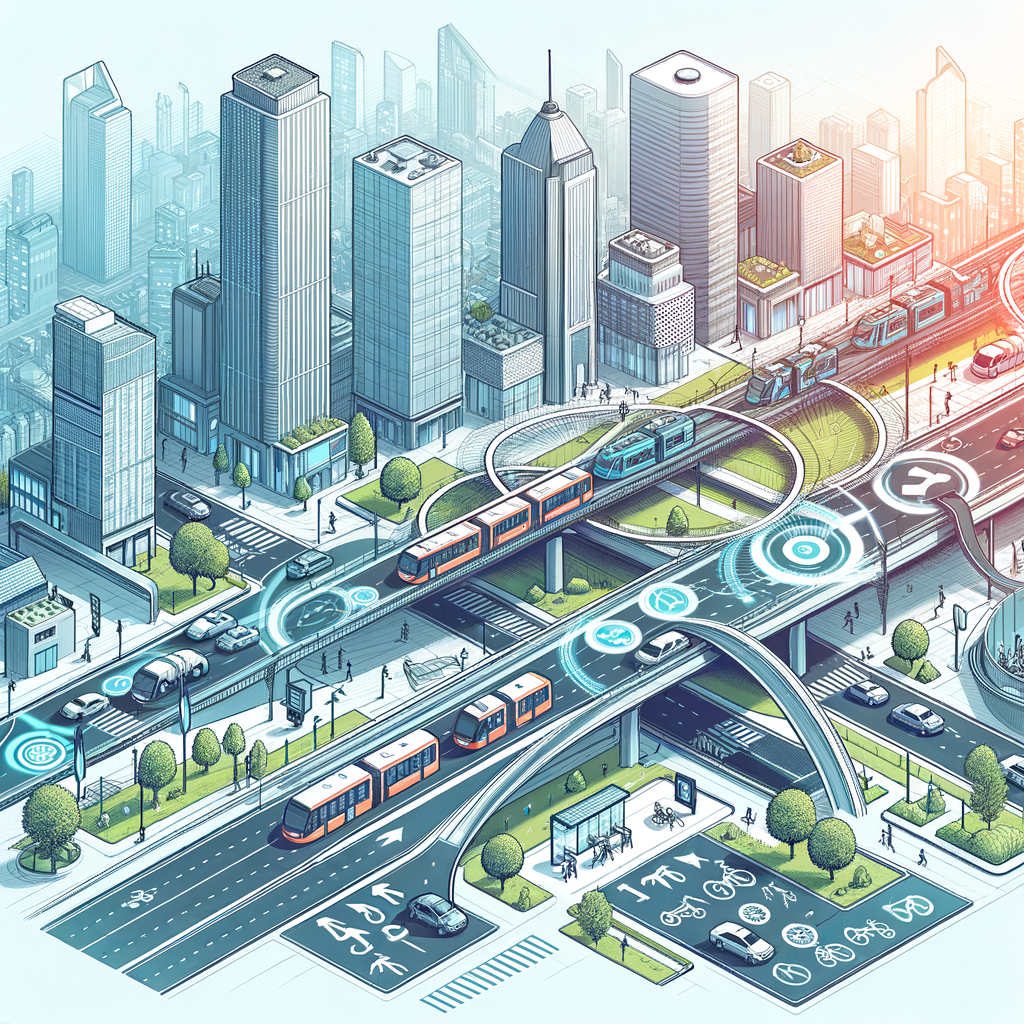
Sustainable urban planning involves designing city layouts and infrastructure that minimize environmental impacts while improving quality of life. Such planning focuses on creating compact, efficient urban areas that reduce land consumption and transportation-related emissions. Implementing mixed-use developments, where residential, commercial, and recreational spaces coexist, is one strategy to achieve this goal. These developments encourage walking, biking, and public transportation, leading to fewer vehicle emissions.
One noteworthy example is Curitiba, Brazil, which is often cited as a model for sustainable urban planning. The city implemented a pioneering bus rapid transit (BRT) system that prioritizes public transport, reducing reliance on private vehicles and lowering carbon emissions. Curitiba’s integrated urban transport system demonstrates how forward-thinking planning can foster sustainable urban environments.
Green Infrastructure Development
Green infrastructure refers to natural and semi-natural systems that deliver environmental, economic, and social benefits. These systems include parks, green roofs, rain gardens, and urban forests, all of which enhance biodiversity, manage stormwater, and improve air quality. Green infrastructure mitigates urban heat island effects, reduces energy consumption, and provides recreational spaces for residents.
New York City’s High Line is an example of green infrastructure transforming urban landscapes. Repurposed from an unused railway, the High Line is now an elevated park with native plants, walkways, and public art installations. This project demonstrates that green infrastructure can reclaim and enhance urban spaces, promoting ecological resilience and community engagement.
Community Engagement and Education
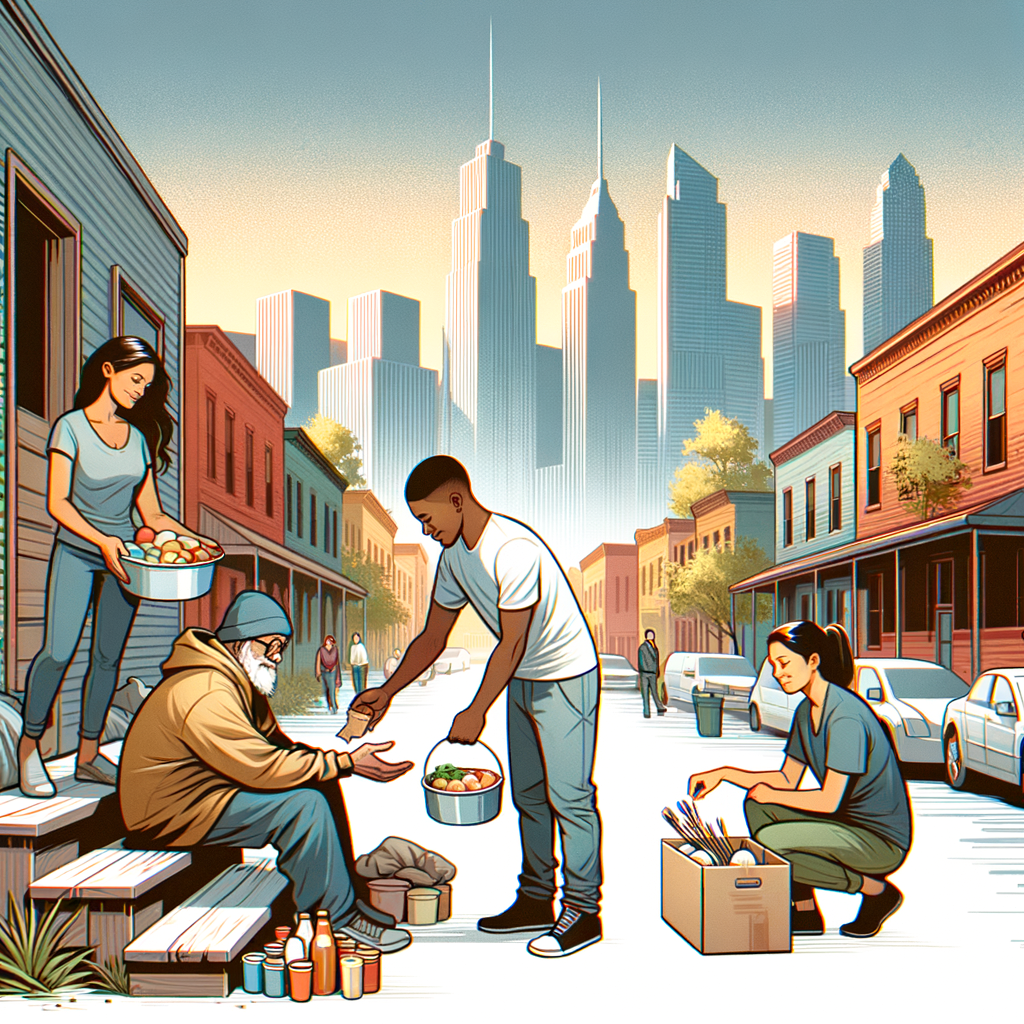
Community engagement and education are critical components in mitigating urbanization’s impact on the environment. When communities are active participants in environmental planning and management, the resulting strategies are more effective and practically applicable. Educating residents about sustainable practices and involving them in decision-making fosters a culture of environmental stewardship.
In Vancouver, Canada, the city launched the Greenest City initiative, which actively involves community stakeholders in achieving sustainability goals. This inclusive process not only builds public awareness but also empowers citizens to contribute to environmental solutions through programs like community gardens and neighborhood energy initiatives. Vancouver’s model highlights how educating and engaging communities lays the groundwork for meaningful environmental action.
Policy and Regulation
Government policies and regulations play a crucial role in mitigating the environmental impacts of urbanization. Effective policies set standards for sustainable development, ensuring that urban growth aligns with environmental preservation goals. Regulations may cover a broad range of areas, including land use, waste management, emissions controls, and green building certifications.
The European Union (EU) has been a leader in implementing policies aimed at reducing environmental impacts through urban planning. The EU’s Green Deal outlines goals for a circular economy and biodiversity preservation, alongside emission reductions. Such policy frameworks provide clear guidelines and incentives for cities to innovate and implement sustainable practices at all levels of governance.
| Strategy | Benefits | Real-World Example |
|---|---|---|
| Sustainable Urban Planning | Reduces emissions, improves quality of life | Curitiba, Brazil’s BRT system |
| Green Infrastructure | Enhances biodiversity, manages stormwater | New York City’s High Line |
| Community Engagement | Fosters stewardship, informed decision-making | Vancouver’s Greenest City initiative |
| Policy and Regulation | Ensures compliance, drives innovation | EU’s Green Deal |
Sustainable Technology and Innovation
The development and adoption of sustainable technologies can significantly mitigate the environmental impacts of urbanization. Technologies such as smart grids, renewable energy systems, and energy-efficient construction materials offer pathways towards reducing carbon footprints and enhancing resource efficiency in urban areas. Investing in innovation not only supports environmental goals but can also drive economic growth within green industries.
Singapore, often regarded as a smart city innovator, has embraced sustainable technology in its urban development strategy. The city-state employs advanced water management systems, integrated energy solutions, and intelligent urban planning to reduce environmental impacts. These technological innovations exemplify how urban centers can leverage technology to create self-sustaining ecosystems.
Economic Instruments and Incentives
Utilizing economic instruments and incentives is another vital approach to managing urbanization’s environmental impact. Mechanisms like carbon pricing, subsidies for sustainable practices, and tax incentives for green technologies encourage businesses and individuals to adopt environmentally-friendly behaviors. By aligning economic rewards with sustainability goals, these tools motivate broad participation in mitigation efforts.
Sweden’s carbon taxation program serves as a leading example of economic incentives driving environmental progress. By imposing a carbon tax, Sweden effectively reduced greenhouse gas emissions while maintaining economic growth. This initiative illustrates how well-designed economic policies can simultaneously promote sustainability and prosperity.
Conclusion
The pressing need to mitigate the impacts of urbanization on the environment cannot be overstated. Sustainable urban planning, green infrastructure development, community engagement, effective policy frameworks, and innovative technology are critical components in addressing these challenges. By examining successful real-world examples, we gain valuable insights into the collective efforts necessary for creating sustainable urban environments.
The benefits of implementing these strategies are manifold. Cities that prioritize environmental sustainability often enjoy improved public health, enhanced quality of life, and increased resilience against climate impacts. As individuals, the next step involves advocating for policies that support sustainable urban development and actively participating in community initiatives that drive positive environmental change.
Urbanization is an inexorable trend, but with targeted actions and informed policies, its negative impacts on the environment can be mitigated effectively. This comprehensive approach requires cooperation across all sectors of society, ensuring that sustainable urbanization benefits both people and the planet in the long term.
Frequently Asked Questions
1. What is urbanization and why does it have such a significant impact on the environment?
Urbanization refers to the movement of people from rural areas to cities, leading to the expansion of urban areas. This process is accompanied by the growth of infrastructure such as homes, roads, and businesses to accommodate the rising population. Urbanization has a substantial impact on the environment for several reasons. As cities expand, they require more land, often leading to deforestation and the destruction of natural habitats, which affects biodiversity. The concentration of people and industry generates significant amounts of pollution, from air and water pollution caused by vehicles and factories to waste management issues. Furthermore, the urban heat island effect can raise temperatures in cities, exacerbating local climate conditions.
2. How can urban planning help mitigate environmental impacts?
Urban planning plays a crucial role in mitigating the negative environmental effects of urbanization. By designing cities more efficiently and sustainably, urban planners can reduce the ecological footprint of urban areas. This involves creating mixed-use developments that combine residential, commercial, and recreational spaces to minimize travel distances and reduce vehicle emissions. Integrating green spaces such as parks, green roofs, and gardens within urban settings can improve air quality and provide wildlife habitats. Moreover, promoting public transportation, cycling, and walking over car use can significantly lower carbon emissions. Effective zoning regulations that limit urban sprawl and encourage sustainable development practices can also mitigate adverse environmental impacts.
3. What are some innovative technological solutions to tackle urban environmental issues?
Technology offers numerous innovative solutions to reduce the environmental impact of urbanization. Smart city technologies, for instance, use sensors and data analytics to optimize energy use, reduce waste, and manage water resources efficiently. Buildings can be made more sustainable with energy-efficient designs and the use of renewable energy sources, such as solar panels and wind turbines, reducing their carbon footprint. Waste-to-energy technologies convert waste into usable forms of energy, decreasing landfill use and generating power in the process. Additionally, electric vehicles, coupled with efficient public transportation systems, can greatly reduce air pollution from traditional vehicles.
4. How can individuals contribute to reducing the environmental impacts of urbanization?
Individuals have a significant role in lessening the environmental impacts of urbanization. Personal lifestyle choices, such as reducing energy consumption by using energy-efficient appliances, can make a difference. Opting for public transportation, biking, or walking instead of driving can cut down on greenhouse gas emissions. Supporting and purchasing locally produced goods reduces the carbon footprint associated with shipping and transport. Engaging in recycling and composting helps reduce landfill waste and repurposes materials. Moreover, advocating for and supporting policies and initiatives that promote sustainable urban practices can lead to broader societal change.
5. Why is it important to focus on biodiversity in urbanized areas, and how can it be protected?
Biodiversity in urbanized areas is crucial because it maintains ecological balance and provides ecosystem services that benefit urban populations, such as air and water purification and climate regulation. Urban areas can serve as havens for various plant and animal species when natural habitats are preserved or restored. Protecting biodiversity involves creating and maintaining urban green spaces, such as parks, community gardens, and green corridors that connect existing natural areas. Planting native species and creating habitats for urban wildlife can foster biodiversity. Policies aimed at minimizing habitat destruction and promoting conservation are essential, as is raising public awareness about the importance of biodiversity to ensure ongoing support for these initiatives.