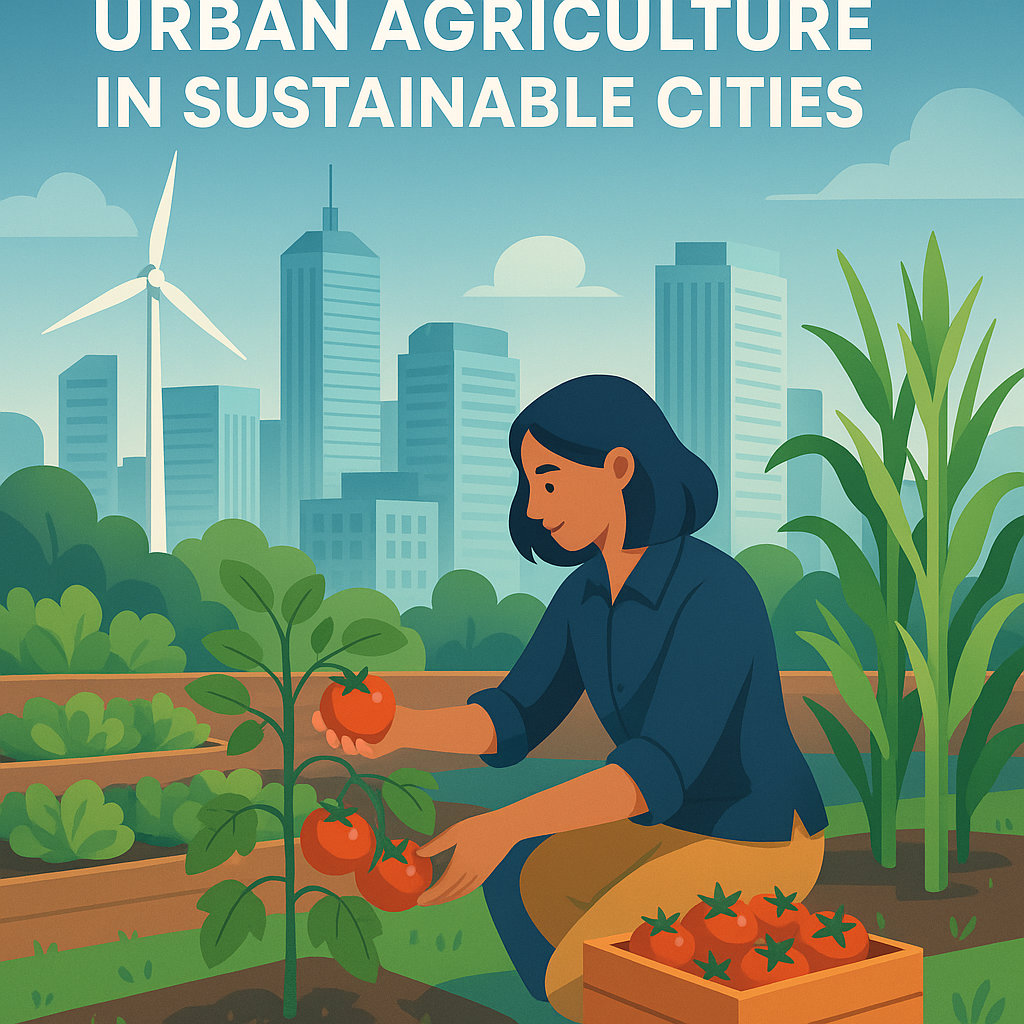
Urban agriculture has emerged as a critical component in creating sustainable cities, garnering attention from urban planners, environmentalists, and policymakers worldwide. Defined as the practice of cultivating, processing, and distributing food in or around urban areas, urban agriculture encompasses a range of activities including community gardens, rooftop farms, indoor hydroponics, and vertical farming. It serves not only as a source of fresh produce but also as a means to enhance food security, promote environmental sustainability, and foster community resilience.
Why does urban agriculture matter in the context of sustainable cities? At a time when urbanization is accelerating and cities are struggling to cope with burgeoning populations, issues like food insecurity, environmental degradation, and social inequality are increasingly pressing. Urban agriculture is more than just growing food; it’s a multifaceted tool for addressing these problems holistically. By reducing the reliance on long-distance food transportation, mitigating urban heat islands, and providing green space for interaction, urban agriculture plays a quintessential role in the sustainable future of urban living.
Food Security and Affordable Nutrition
In recent years, urban agriculture has proven to be pivotal in improving food security by bringing fresh, nutritious food closer to city dwellers. As urban areas continue to expand, they often engulf agricultural land, leading to a reduction in local food production. Consequently, many cities become heavily reliant on imported food, which is not only expensive owing to transportation costs but also less fresh and nutritious.
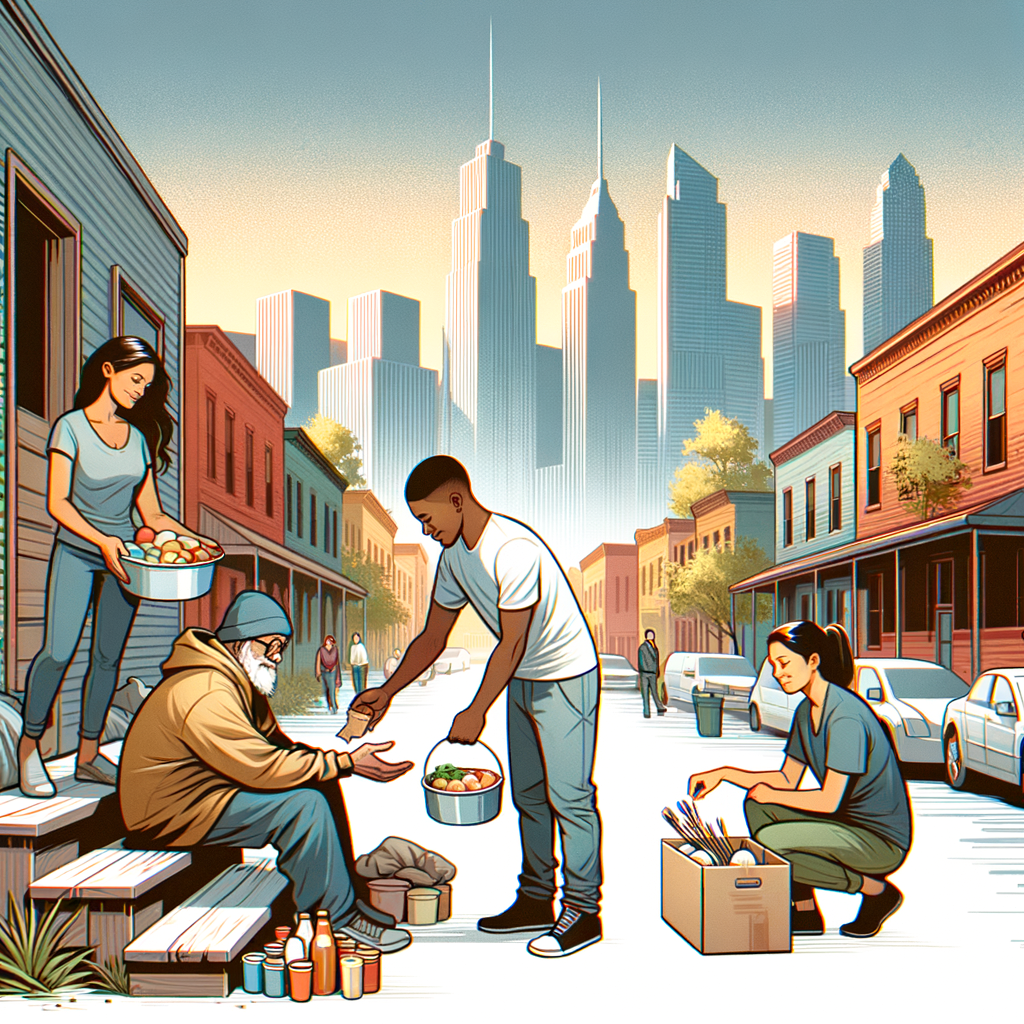
Take New York City as a prime example. The metropolis has numerous community gardens and rooftop farms that provide fresh produce to local residents. These spaces are community-driven, allowing urban residents to grow their own vegetables and herbs. Not only does this initiative reduce the cost of groceries for families, but it also ensures access to organic and fresh food. Such initiatives are essential, especially in food deserts—urban areas where residents have limited access to affordable and nutritious food.
Environmental Benefits and Urban Ecosystems
Urban agriculture positively impacts city environments. Gardens and farms in urban settings can significantly enhance air quality, sequester carbon, reduce heat, and manage rainwater runoff, thus mitigating urban heat islands and improving urban ecosystems.
In Detroit, abandoned lots have been transformed into thriving urban farms. These green spaces are instrumental in tackling urban blight and reducing the city’s carbon footprint. Plants absorb carbon dioxide, while soil acts as a rainwater sponge, reducing the risk of flooding. Such farms also increase biodiversity in the city, supporting bees, birds, and other essential wildlife.
| Benefits | Description |
|---|---|
| Improved Air Quality | Plants filter pollutants and absorb carbon dioxide, aiding in air purification. |
| Urban Cooling | Green spaces reduce ambient temperatures, combatting urban heat islands. |
| Rainwater Management | Soil and plants manage stormwater, reducing flood risks. |
Social Cohesion and Community Resilience
Beyond their environmental and nutritional advantages, urban agriculture projects play a vital role in building social cohesion. Community gardens and urban farms become common grounds for people to interact, thus strengthening community ties and fostering a sense of belonging.
Consider the case of Singapore’s Community in Bloom program. It has successfully engaged residents through gardening, offering a platform to work together, share resources, and embrace sustainability. Such projects encourage neighborhood participation, enhance cultural exchange, and support social networks, crucial for community resilience, especially in times of crises like pandemics or natural disasters.
Economic Opportunities and Local Economic Development
Urban agriculture opens up new economic opportunities for urban residents. It can drive local economic development by creating jobs in farming, food processing, marketing, and distribution. This sector is particularly impactful in providing livelihoods for low-income groups and marginalized communities.
In Havana, Cuba, urban agriculture has become a critical element of the local economy. Limited by economic embargoes, city residents turned to urban farming to secure food independence. The initiative has been highly successful, leading to high food production levels that not only feed residents but also support local markets and small-scale entrepreneurs. These initiatives empower people, provide them with skills, and contribute to a circular urban economy.
Challenges and Pathways to Success
While urban agriculture presents numerous benefits, it also comes with challenges. Space is often a premium in densely populated cities, making it difficult to allocate areas for farming. There can also be regulatory hurdles, potential soil contamination, and resource limitations like water scarcity.
- Land Access: Limited availability and high costs deter expansion of urban farming projects.
- Regulations: Complex zoning laws often restrict agricultural activities in urban areas.
- Resource Scarcity: Challenges include water availability, soil quality, and technological access.
However, strategic policymaking, innovative use of technology, and community involvement can overcome these hurdles. Municipal governments can promote urban farming by integrating it into urban planning and policy frameworks, offering incentives, and adapting land use regulations. Additionally, investing in technology like vertical farming and hydroponics can optimize space and resource efficiency, enabling urban agriculture to thrive even in the most compact cities.
Summing Up the Importance of Urban Agriculture
The increasing adoption of urban agriculture illustrates its vital role in building sustainable cities. By improving food security, enhancing environmental quality, fostering social interaction, and offering economic opportunities, it holds the promise of profound positive impacts on urban life. These initiatives pave the way for greener, healthier cities, ensuring that urban populations not only survive but thrive in their environments.
As urban dwellers become increasingly aware of the ecological footprint of their consumption patterns, urban agriculture offers an actionable step toward sustainable living. The movement calls on individuals, communities, and policymakers to rethink urban spaces and embrace the benefits that come from integrating agriculture into city life.
In conclusion, urban agriculture is more than a trend; it is a cornerstone of sustainable urban living. By participating in or supporting urban agricultural initiatives, individuals can contribute to environmental stewardship and community well-being. Let us make a collective effort to nurture urban agriculture and build cities that sustain not only their populations but also the planet.
Frequently Asked Questions
1. What is urban agriculture and how does it contribute to sustainable cities?
Urban agriculture is the practice of cultivating, processing, and distributing food within or surrounding urban areas. It includes a wide array of activities such as community gardens, rooftop farms, vertical farming, and even indoor hydroponics systems. As cities strive to become more sustainable, urban agriculture plays a vital role by providing fresh, local produce that reduces the carbon footprint associated with food transportation. Additionally, it promotes biodiversity in urban environments and encourages local ecosystems to flourish. Urban agriculture also fosters public health by improving access to nutritious food, particularly in urban food deserts where access to fresh produce is limited. Moreover, it supports community resilience by creating more self-sufficient food systems, which can be especially crucial in times of crisis or supply chain disruptions.
2. How does urban agriculture influence urban food security?
One of the most significant impacts of urban agriculture is its ability to bolster food security within cities. With the global population continuing to urbanize rapidly, ensuring that city dwellers have reliable access to sufficient, safe, and nutritious food is increasingly critical. Urban agriculture provides a direct source of fresh produce, which can help to mitigate the risk of food shortages and improve food sovereignty by reducing dependence on long supply chains that are vulnerable to disruptions. Community gardens, for instance, empower neighborhoods by allowing residents to grow their own food, thus addressing issues of accessibility and affordability. By integrating urban agriculture into city ecosystems, we contribute to a more equitable distribution of food resources and enhance the resilience of urban food systems against future challenges and uncertainties.
3. What are the environmental benefits of urban agriculture?
Urban agriculture provides several environmental benefits that are integral to the mission of achieving sustainable cities. To start, it reduces the urban heat island effect, which is caused by the extensive cover of asphalt, concrete, and other artificial surfaces that absorb and retain heat. Gardens, green roofs, and vertical farms all contribute to this reduction by introducing more natural, cooling elements into the city landscape. Additionally, urban agriculture promotes biodiversity by creating habitats for various pollinators and small wildlife, even amidst dense urban settings. It also plays a role in improving urban air quality, as plants naturally filter pollutants from the air while producing oxygen. Moreover, urban agriculture can support effective stormwater management by reducing runoff and facilitating water infiltration, thereby assisting in flood prevention. Finally, by localizing food production, urban farming decreases the carbon emissions associated with long-distance food transportation, contributing to a reduction in the city’s overall greenhouse gas emissions.
4. What societal benefits does urban agriculture offer to communities?
Urban agriculture has the power to bring societal change by fostering community engagement, education, and mental well-being. Community gardens and urban farms often become social hubs where people of all ages and backgrounds come together to collaborate, share skills, and cultivate a sense of belonging and collective purpose. These green spaces provide educational opportunities, teaching children and adults alike about sustainable practices, nutrition, and the importance of environmental stewardship. Engaging with urban agriculture also promotes physical activity and can alleviate stress, as gardening has been shown to improve mental health by reducing anxiety and enhancing mood. In urban areas where space can be at a premium, the development of community growing projects can revive neglected spaces, deter crime, and improve the aesthetic value of neighborhoods, further strengthening community ties and improving quality of life for city residents.
5. What challenges does urban agriculture face in establishing itself within cities?
While urban agriculture carries numerous benefits, it does face several challenges when being implemented in urban environments. One main obstacle is the limitation and high cost of available land in cities, often requiring innovative solutions like rooftop farming or vertical gardens to maximize space efficiency. There might also be regulatory hurdles, as zoning laws and building codes can restrict the development of agricultural projects, necessitating support from local governments and policy reforms to adapt to new urban realities. Additionally, issues like soil contamination in urban settings can pose risks that need to be addressed through testing and remediation strategies. Urban agriculture initiatives may also struggle with securing funding and resources necessary for start-up and maintenance, demanding robust community engagement and collaboration with stakeholders. Overcoming these obstacles involves a coordinated effort among policymakers, urban planners, and community members to create conducive environments for urban agriculture to thrive, ultimately locking its full potential in contributing to sustainable cityscapes.