Introduction to Urban Light Pollution
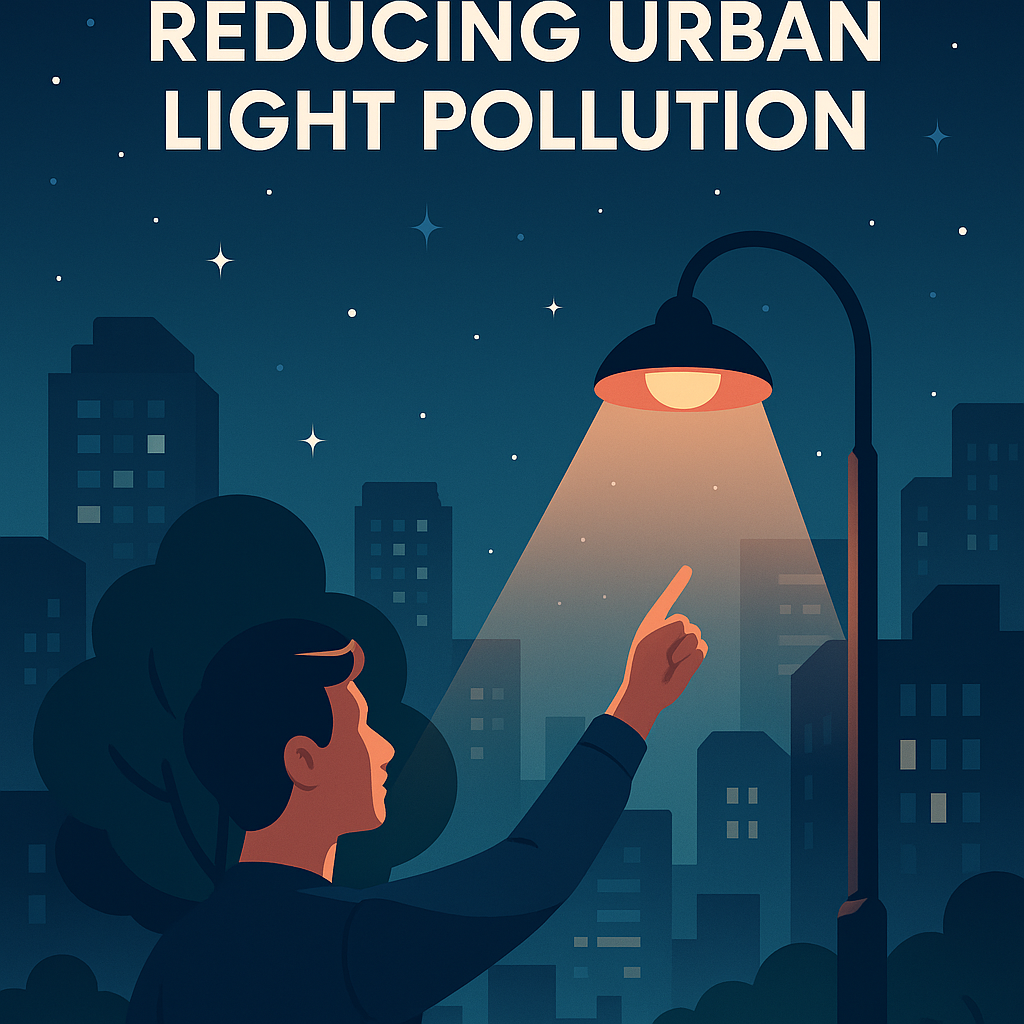
In modern urban environments, the issue of light pollution is an increasing concern, affecting both human health and the natural ecosystem. Light pollution refers to the unnecessary or excessive artificial light used in urban areas. This phenomenon includes several components, such as skyglow, which is the brightening of the night sky over populated areas, glare that causes visual discomfort, light trespass occurring when unwanted light spills over into non-target areas, and clutter, the excessive grouping of lights creating confusion and distraction. Urban light pollution matters because it disrupts ecosystems, wastes energy, and causes physical and psychological distress for many people. Proper management and reduction of light pollution can significantly enhance the urban living environment by preserving natural darkness, enabling better conditions for astronomical observations, and fostering a healthier ecosystem.
The Impact of Light Pollution on Ecosystems
Light pollution significantly impacts wildlife and ecosystems by altering natural light cycles. This change affects nocturnal animals whose behaviors depend on the dark. For example, sea turtles rely on moonlight to navigate from the beach to the ocean after hatching, and artificial lighting leads them astray, heading towards urban areas instead. Another notable example is migrating birds that rely on natural night skies for navigation. When faced with artificial lights, birds become disoriented, leading to fatal collisions with buildings. Various insects, attracted to artificial lights, often die from exhaustion, disrupting food chains and impacting biodiversity. Reducing light pollution is vital to minimize its detrimental impact on ecosystems, helping maintain balance in natural habitats.
Energy Consumption and Economic Costs
Urban areas consume a substantial portion of energy produced worldwide, and much of this energy is used to power public and private lighting systems. Inefficient lighting not only contributes to light pollution but also results in financial waste. For example, New York City faces millions of dollars in unnecessary expenses each year due to poorly managed lighting. By optimizing lighting with energy-efficient solutions, such as LED technology and smart lighting systems, cities can significantly cut energy costs and reduce light pollution. These upgrades reduce energy use while improving the quality and focus of the light, resulting in fewer emissions and a reduction in the city’s carbon footprint.
| Lighting Technology | Energy Efficiency | Impact on Light Pollution |
|---|---|---|
| LEDs | High | Reduction in glare and skyglow |
| Smart Systems | Moderate to High | Targeted lighting and reduced waste |
| Conventional Lighting | Low | High contribution to light pollution |
Human Health and Light Pollution
Exposure to artificial light at night can severely impact human health by disrupting circadian rhythms. Our bodies are naturally attuned to a 24-hour cycle that aligns with the day-night cycle. Interruptions to this rhythm through continuous exposure to artificial lighting can lead to sleep disorders and contribute to long-term health issues, such as obesity, depression, and cancer. Studies have shown workers exposed to significant artificial light at night, such as nurses and night-shift staff, face increased risks of health problems. To mitigate these issues, urban areas must adopt light management strategies like controlled lighting intensity and timing to simulate natural light cycles.
Astronomical Observations and Education
Light pollution severely hinders astronomical observations, which are crucial for scientific research and education. With urban areas casting vast quantities of artificial light skyward, it becomes nearly impossible to observe celestial bodies clearly. Urban residents miss opportunities to engage with astronomy directly, limiting educational experiences that inspire future generations of scientists. For instance, Chicago’s Adler Planetarium advocates strongly against urban light pollution, highlighting its impediments to viewing astronomical phenomena. Communities can take action by organizing “dark sky” initiatives, where lighting is minimized to allow better astronomical observations as a community event, simultaneously fostering interest in science and conserving energy.
Implementing Light Pollution Reduction Strategies
There are practical strategies cities can execute to reduce light pollution. One critical measure includes installing and promoting the use of fully shielded light fixtures that direct light downwards rather than upwards. Many municipalities, such as Tucson, Arizona, have implemented ordinances requiring dark-sky-friendly lighting in public spaces, thus significantly reducing their light pollution. Another approach involves raising public awareness and educating citizens about the effects of light pollution and methods to minimize their lighting footprint. Programs encouraging businesses and homeowners to switch to low-intensity lighting or motion-sensor lights also present effective solutions. By combining these strategies, urban planners can foster an environment that both protects the night sky and benefits the community.
Conclusion and Call to Action
Efforts to reduce urban light pollution provide numerous significant benefits, including enhancing human health, conserving energy, and protecting the natural ecosystem. It also preserves the night sky for astronomical study and cultural appreciation. By understanding the many facets of light pollution and adopting strategies to combat its effects, individuals and communities can play an active role in this environmental cause. It’s time to participate actively: start today by evaluating your own household or business lighting and advocate for local policies that promote energy-efficient and environmentally conscious solutions.
To foster widespread change, consider reaching out to local government representatives to adopt dark-sky ordinances and support educational outreach programs in schools and community centers. Together, we can shed light on this critical issue and work towards a world where the beauty of a starry night sky is accessible to all urban dwellers.
Frequently Asked Questions
1. What is urban light pollution and why should we care about it?
Urban light pollution refers to the excessive or misdirected artificial light that brightens the night sky over urban areas. This phenomenon not only obscures our view of the stars and planets but has more significant impacts on both human health and the environment. From disrupting ecosystems to contributing to energy waste, the effects are far-reaching. For humans, the constant exposure to artificial light can lead to sleep disorders and other health issues due to disrupted circadian rhythms. For the environment, light pollution can disorient wildlife, affect mating and migration patterns, and even endanger species that rely on natural night cycles. It’s crucial to recognize and address urban light pollution to ensure healthier communities and ecosystems.
2. How does light pollution affect human health specifically?
Light pollution can significantly impact human health, primarily by disrupting circadian rhythms—the natural cycles that regulate sleep-wake patterns and influence hormones. Disrupted circadian rhythms have been linked to various health issues, including sleep deprivation, insomnia, stress, and more severe conditions like obesity, depression, and increased risk of chronic diseases such as diabetes and cardiovascular issues. Exposure to constant or intense artificial light, especially at night, can confuse our biological clocks, leading to hormonal imbalances and consequently affecting our immune system. It’s vital to mitigate these impacts by advocating for reduced light pollution and encouraging practices that promote natural lighting.
3. What constitutes as the main sources of light pollution in urban areas?
The main sources of light pollution in urban environments include streetlights, billboard lights, commercial and residential building lights, and even car headlights. Street lighting and high-intensity billboards are persistent contributors because they often flood large areas with brightness. Moreover, unnecessary indoor and outdoor lighting in both commercial and residential settings can spill into the night sky, contributing to skyglow. These light sources are typically poorly aimed or overly bright, leading to a significant degree of light waste that not only impacts the night sky but also consumes vast amounts of energy. Addressing these sources by implementing strategic lighting solutions, such as downward-directed lights, dimmers, and timers, can help alleviate urban light pollution.
4. How does light pollution affect the natural ecosystem?
Light pollution disrupts the natural ecosystem in various ways. Nocturnal animals, which rely on darkness for activities like hunting, navigating, and breeding, are particularly affected. For instance, sea turtles depend on moonlight to find their way to the ocean after hatching, but artificial light can lead them astray. Similarly, artificial lighting affects migratory birds’ navigation as they rely on natural cues like starlight for their nocturnal journeys. Insects, which are critical for pollination, are drawn to artificial lights, disrupting their ability to function in their roles within ecosystems. The alteration of ecosystems not only impacts the species directly affected but can also create a ripple effect across the environmental balance.
5. What steps can urban areas take to effectively reduce light pollution?
Urban areas can adopt various strategies to reduce light pollution effectively. First, implementing ‘dark sky’ policies that regulate outdoor lighting can make a significant difference. These policies would emphasize the use of shielded fixtures that direct light downward rather than into the sky. Utilizing energy-efficient LED lighting and installing motion sensors and timers to minimize unnecessary lighting during off-peak hours can also help reduce energy consumption and light pollution. Public education campaigns to raise awareness about the impacts of light pollution are essential for community involvement. Finally, urban planners can incorporate green spaces that allow for natural darkness, fostering biodiversity and offering residents an escape from constant artificial light. Proactive and comprehensive approaches will lead to sustainable lighting practices that benefit both people and the planet.