Urban economic development is a critical component of modern society, functioning as a catalyst for growth and prosperity within cities. It involves a host of strategies aimed at improving the economic wellbeing of urban areas by crafting jobs, driving innovation, and creating dynamic environments that foster a thriving economy. Urban economic development focuses on enhancing infrastructure, increasing investment, supporting small businesses, and engaging with community members to improve the overall quality of life. As cities continue to grow and evolve, urban economic development becomes a vital part of ensuring that economic opportunities are accessible to all residents.
It is important to understand the key terms involved in urban economic development. Economic development, in a general sense, refers to the process through which a region improves the economic welfare of its citizens. When applied to urban areas, it addresses specific challenges and opportunities that cities face, such as population density, infrastructure demands, and social diversity. Additionally, the concept of ‘job creation’ pertains to the process by which new jobs are introduced in the market, ideally matching the skill sets of the urban population. Likewise, ‘opportunity’ in this context reflects the potential for economic mobility, personal growth, and enhanced quality of life for individuals and communities.
Urban economic development matters because cities are the engines of economic growth. They are centers of innovation, culture, and diversity where resources and talent converge. Successful economic development strategies not only enhance a city’s economic landscape but also address social and environmental challenges. By focusing on creating jobs and opportunities, urban economic development helps reduce unemployment, alleviate poverty, and promote economic stability. Moreover, it ensures sustainable growth, economic resilience, and enhances the overall competitiveness of urban environments on a global scale. This topic matters because it ultimately touches on the lives of millions of city dwellers, influencing everything from where they work to how they live and thrive.
Understanding the Components of Urban Economic Development
Urban economic development encompasses a variety of components that together shape the economic future of cities. These include infrastructure development, investment opportunities, workforce development, support for entrepreneurship, and policy innovation. A well-developed infrastructure, for instance, attracts businesses and investments, facilitating smoother operations and enabling economic activities to flourish. Investment opportunities, on the other hand, draw capital into the city, funding new ventures, expanding existing businesses, and enhancing the local economy.
Consider the example of Singapore, a city-state that has made significant strides in urban development through strategic emphasis on infrastructure, technology, and education. By investing in a robust transportation network and fostering a business-friendly environment, Singapore has become a global hub for finance, trade, and technology. The emphasis on quality education and skills training has also ensured a highly skilled workforce, ready to take on emerging economic opportunities.
Infrastructure as a Cornerstone for Growth
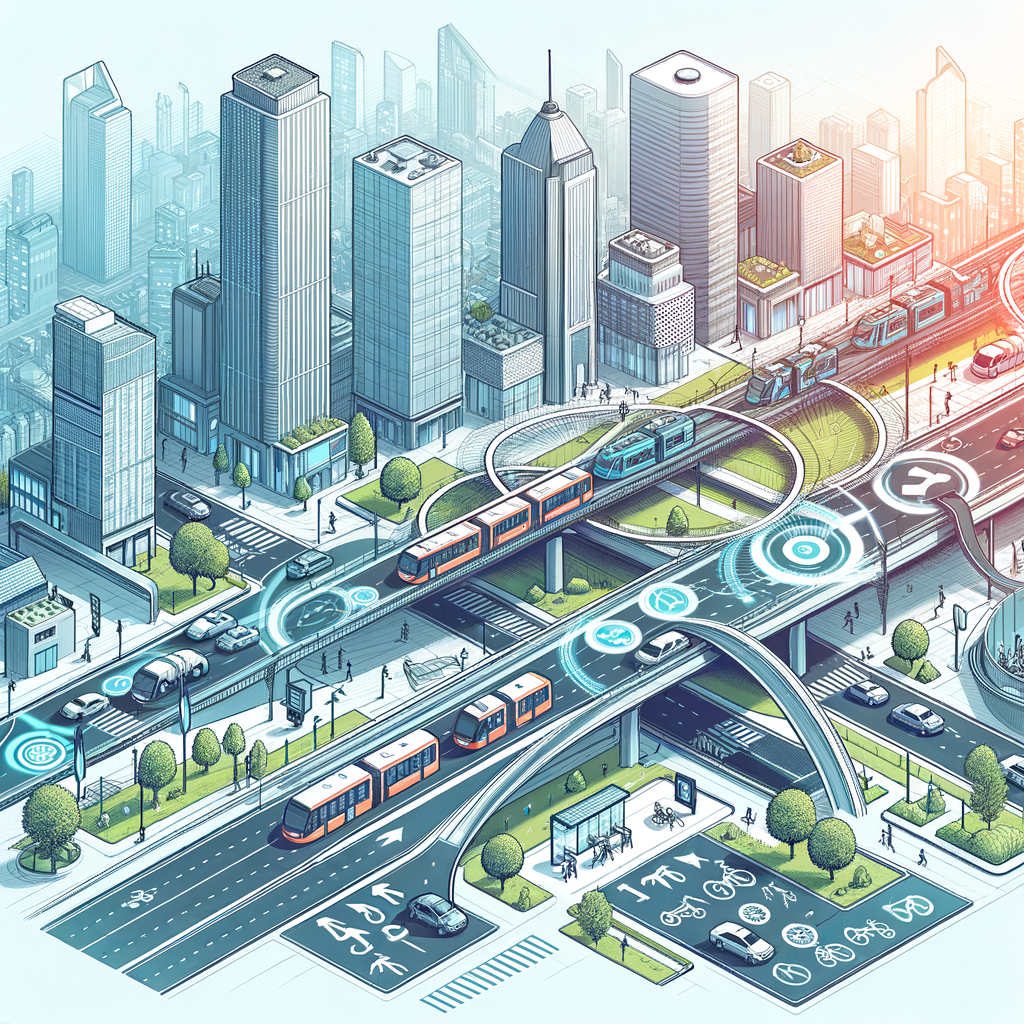
Infrastructure is one of the most visible and essential components of urban economic development. It includes transportation systems, energy supplies, water and sewage facilities, telecommunications, and other public services that support everyday life and industry. Infrastructure investments not only improve the quality of life for residents but also make cities more attractive for businesses. By ensuring reliable transportation networks and utilities, cities can reduce business operation costs, improve productivity, and enable the efficient movement of goods and people.
An example of successful infrastructure-led urban development can be seen in the transformation of New York City during the 20th century. Major investments in highways, bridges, and airports not only enhanced access but also contributed to the city’s role as a global economic powerhouse. The extensive subway system in place today is a testament to foresight in infrastructure planning, reducing congestion and supporting the daily commute of millions of workers.
Fostering Investment Opportunities
Investment is crucial for urban economic development as it provides the necessary financial resources for business expansion, infrastructure projects, and community programs. Cities can attract investment by creating favorable conditions such as tax incentives, streamlined regulations, and strong governance frameworks. These measures encourage domestic and foreign investors to inject capital into local markets, stimulating economic activities and creating jobs.
For instance, the city of Bengaluru in India has successfully transformed into a technology and innovation hub, often referred to as the ‘Silicon Valley of India’. The city’s government actively promotes investment in the tech sector by offering incentives, supporting startups, and establishing technology parks. As a result, Bengaluru has witnessed significant economic growth and the creation of thousands of high-tech jobs.
Empowering Workforce Development
Workforce development is integral to urban economic development, focusing on enhancing the skills and capabilities of the labor force. By providing education and training programs that align with industry demands, cities can ensure their residents are well-equipped for existing and future job markets. Initiatives such as vocational training, apprenticeships, and higher education partnerships play a pivotal role in building a skilled workforce that can adapt to changing economic landscapes.
A practical example is Germany’s “Dual Education System” which combines classroom learning with practical work experience. This system has been instrumental in maintaining the country’s low unemployment rates and ensuring that the German workforce remains one of the most skilled in the world. Participants gain firsthand experience in their chosen fields and are often directly placed into jobs with their training companies post-graduation.
Supporting Entrepreneurship and Small Businesses
Entrepreneurship is a vital engine for urban economic development. Small businesses often serve as a foundation for economic diversity and innovation. They generate jobs, promote competition, and drive creativity. Cities can nurture entrepreneurship by providing supportive environments that include access to funding, mentorship programs, incubation centers, and networking opportunities.
Consider the example of Austin, Texas, which has emerged as a thriving hub for startups. With its vibrant entrepreneurial ecosystem, the city encourages innovation through numerous incubators and tech events. The local government fosters business-friendly policies and connects entrepreneurs with investors, creating a fertile ground for startups to take root and flourish. As a result, Austin has become synonymous with economic vitality and opportunity.
| Urban Development Component | Example City | Impact |
|---|---|---|
| Infrastructure | New York City | Enhances mobility and global connectivity |
| Investment | Bengaluru | Promotes tech sector growth |
| Workforce Development | Germany | Maintains skilled labor supply |
| Entrepreneurship | Austin, Texas | Drives innovation and job creation |
Policy Innovation and Its Role
Effective policy innovation is essential for addressing the multifaceted challenges of urban areas. By implementing innovative policies, cities can better respond to the needs of their communities, reduce inequality, and stimulate sustainable growth. This includes revisiting regulatory frameworks, devising smart taxation strategies, and introducing programs that address social and environmental issues.
The city of Copenhagen, Denmark, serves as a prime example of policy innovation in action. Known for its commitment to sustainability, Copenhagen has implemented policies that encourage the use of bicycles, invest in renewable energy, and promote resource-efficient buildings. These policies have positioned Copenhagen as a leader in green urban development, attracting investments and enhancing the city’s livability.
In summary, urban economic development is a multifaceted endeavor that plays a crucial role in shaping the future of cities around the globe. By focusing on key components such as infrastructure, investment, workforce development, entrepreneurship, and policy innovation, cities can create an environment conducive to economic growth and prosperity.
Conclusion: Building Resilient Urban Economies
The key takeaways from urban economic development emphasize the importance of a holistic and inclusive approach. Successful urban economic development strategies lead to improved job creation, increased investment, and enhanced quality of life. By harnessing the potential of infrastructure, fostering a skilled workforce, supporting innovative policies, and nurturing entrepreneurship, cities can navigate the complexities of modern economies effectively.
At the core of these strategies lies the notion of creating resilient and adaptable urban environments that thrive in an ever-changing world. As city leaders, policymakers, and community stakeholders collaborate to implement effective urban economic development strategies, they contribute to a sustainable, equitable, and prosperous future for their cities.
For individuals, understanding urban economic development can translate to better opportunities and increased participation in their city’s economic growth. As the reader, you are encouraged to engage with local initiatives, support entrepreneurship, and contribute to the vision of a thriving city economy. By participating actively, you can play a part in the vibrant tapestry of urban economic development, ensuring that cities continue to be places of opportunity and advancement for all.
Frequently Asked Questions
1. What is urban economic development, and why is it important?
Urban economic development is an essential process that supports the growth and advancement of city economies, ultimately leading to a higher quality of life for its residents. It encompasses various strategies designed to create well-paying jobs, drive forward innovation and technology, and build vibrant economic landscapes where businesses and communities can thrive. The significance of urban economic development lies in its ability to transform cities into hubs of economic activity and opportunity. By focusing on infrastructure improvements, attracting new investments, supporting small businesses, and actively engaging with local communities, urban economic development nurtures environments conducive to economic sustainability and growth. Allowing cities to remain competitive on both national and international levels, it not only boosts local economies but also enhances the standard of living for city dwellers.
2. How does urban economic development help in job creation?
Urban economic development plays a pivotal role in job creation by implementing policies and projects that attract new businesses and support existing ones. By improving infrastructure, such as transportation networks, utilities, and communication systems, cities become more appealing to businesses looking to set up operations or expand their presence. Additionally, urban economic development initiatives often include workforce training programs to equip the local labor force with the relevant skills needed to meet the demands of new and existing industries. These programs can range from vocational training to partnerships with educational institutions to ensure that job seekers are adequately qualified. By fostering an environment that encourages innovation and entrepreneurship, urban economic development also supports small and medium-sized enterprises (SMEs), which are often significant job creators in urban settings. The synergy between infrastructure development, skills training, and business support results in a burgeoning job market with diverse opportunities.
3. In what ways does urban economic development foster innovation?
Innovation is a cornerstone of urban economic development, as it sparks new ideas, drives technological advancements, and rejuvenates industries and communities. Cities striving for economic development often invest in creating innovation hubs, such as tech parks, co-working spaces, and research centers, that bring together entrepreneurs, researchers, and investors. These hubs create spaces where creative minds can collaborate, share resources, and turn innovative ideas into viable businesses. Moreover, urban economic development often involves initiatives to improve access to funding for startups and innovation-driven companies, facilitating their growth and expansion. Public-private partnerships can also play a role in fostering innovation by leveraging the strengths of both sectors to create novel solutions for urban challenges. By nurturing a culture of innovation, urban economic development helps cities become competitive and resilient in the face of economic shifts and global trends.
4. How does enhancing infrastructure support economic development in urban areas?
Enhancing infrastructure is fundamental to urban economic development as it lays the groundwork for efficient and sustainable growth. Robust infrastructure, including reliable transportation networks, utility systems, and digital connectivity, is vital for attracting and retaining businesses and talent in urban areas. Well-developed infrastructure reduces operational costs for businesses, ensuring they can transport goods and services efficiently, access dependable utilities, and connect with customers and suppliers seamlessly. Furthermore, modern and resilient infrastructure supports a higher quality of life for residents, with benefits such as reduced commute times, improved public amenities, and increased digital access. By investing in infrastructure development, cities not only stimulate economic activity but also create an attractive environment for both domestic and international investors, driving economic prosperity.
5. What role do small businesses play in urban economic development?
Small businesses are often the backbone of urban economies, playing a crucial role in economic development by driving job creation, spurring innovation, and fostering a sense of community. These enterprises contribute significantly to the diversity and resilience of urban economies, providing a wide array of services and products that cater to local needs. Urban economic development often includes targeted initiatives to support small businesses, such as providing access to funding, offering business development services, and creating regulatory environments that facilitate ease of doing business. Entrepreneurship programs, networking events, and mentorship opportunities can empower small business owners to expand their operations and improve their competitiveness. Small businesses also play an integral role in preserving and enhancing the cultural and social fabric of urban areas, offering unique experiences, and promoting cultural diversity. Through urban economic development efforts that support and nurture small businesses, cities can build dynamic, robust economies that benefit all residents.