Urban livability is a crucial concept that encompasses the quality of life experienced by residents in metropolitan areas. It involves various factors, including housing affordability, efficient transportation, access to green spaces, safety, and overall community well-being. As cities continue to grow rapidly, addressing urban livability has become more pertinent than ever. Well-designed urban environments can drastically improve residents’ quality of life, make cities more attractive places to live and work, and ensure sustainable growth. This article aims to explore the design and policy approaches that can enhance urban livability. By delving into real-world examples and examining the groundwork of these initiatives, we underscore their significance and potential benefits for urban dwellers. Planners, policymakers, and residents alike are increasingly turning their attention to creating cities that offer enriching and sustainable lifestyles. Understanding and implementing the right strategies is paramount in achieving this goal.
Prioritizing Public Spaces
Public spaces play a significant role in urban livability. They provide places for recreation, socialization, and relaxation, contributing to the health and happiness of residents. The adoption of well-conceived public spaces can transform a city’s livability. New York City’s conversion of the High Line from a disused railway track into a picturesque elevated park showcases what a dedicated initiative can achieve. This space acts as a green artery in a densely packed urban landscape, drawing in over five million visitors a year and significantly boosting the local economy. Besides offering beautified pedestrian pathways, such projects promote social interaction and physical activity, improving the community’s physical and mental health. Policymakers must look into redesigning neglected areas and fostering community engagement through public spaces. Successfully implemented, these initiatives can increase urban residents’ satisfaction levels and foster a sense of community ownership.
Designing Sustainable Transportation Solutions
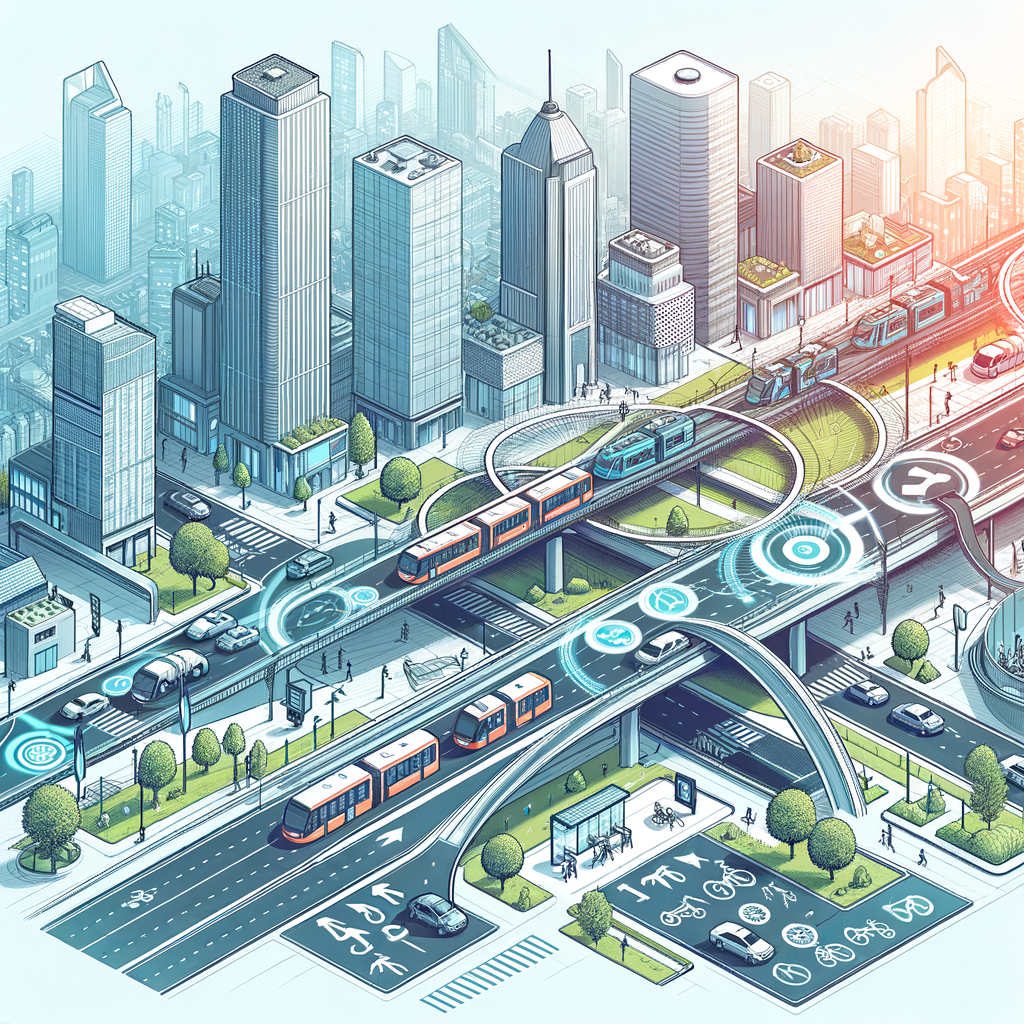
Effective transportation systems are the backbone of any livable city. They provide equitable access to jobs, education, and essential services while reducing traffic congestion and minimizing pollution. The city of Copenhagen is a prime example, having invested heavily in becoming one of the most bicycle-friendly cities in the world. More than 40% of its population commutes by bike daily, thanks to dedicated bicycle lanes, bike-sharing schemes, and well-maintained infrastructure. The results include reduced CO2 emissions, lower traffic congestion, and improved public health. City planners worldwide can learn from Copenhagen’s model, adapting their transportation policies to promote bicycle use, enhance public transit services, and integrate pedestrian-friendly designs. Ultimately, sustainable transportation solutions not only improve the urban environment but also encourage healthier lifestyles and help combat climate change.
Promoting Affordable Housing Policies
Affordable housing is essential to urban livability, as it ensures that all residents have access to safe and adequate living conditions. Singapore, a city-state with limited space and resources, has managed to establish a highly successful public housing program through the Housing and Development Board (HDB). Nearly 80% of Singapore’s residents live in government-built housing, which has played a pivotal role in raising the nation’s living standards. The HDB program demonstrates how effective public policies can improve urban livability by providing affordable, high-quality housing that fosters social cohesion. Other cities grappling with housing crises can adopt similar models by investing in public housing initiatives, implementing zoning reforms, and encouraging private investments through incentives. By prioritizing affordable housing, cities can alleviate social inequalities and ensure that all residents have the opportunity to thrive in urban environments.
Enhancing Urban Green Spaces
Green spaces are vital components of urban livability, offering ecological, psychological, and social benefits. They serve as crucial habitats for biodiversity, reduce urban heat, and improve air quality. The city of Melbourne has undertaken a bold initiative to transform its urban landscape by introducing the “Melbourne Urban Forest Strategy,” aiming to double the city’s tree canopy cover by 2040. Through strategic tree planting, the city plans to mitigate the effects of climate change and improve residents’ quality of life. The Melbourne initiative exemplifies how urban greening can significantly enhance livability by creating cooler environments, decreasing pollution levels, and offering residents accessible spaces for relaxation and recreation. Including parks and green belts in urban planning can be a major driver of positive quality-of-life outcomes, motivating other cities to adopt similar strategies for enhancing urban livability.
Implementing Smart City Technologies
Smart city technologies offer innovative solutions to urban livability challenges by harnessing data and technology to improve city management, services, and infrastructure. Barcelona has emerged as a leader in this field, embedding a range of smart technologies throughout the city. This includes smart street lights that save energy, real-time waste management systems, and an extensive sensor network that collects data on air quality and traffic conditions. By using technology to make informed decisions, the city can respond proactively to residents’ needs and create a more efficient, adaptive urban environment. Cities aspiring to enhance livability can incorporate smart technology by implementing similar systems. As these technologies become more accessible, their potential to improve urban living conditions through better resource management, energy efficiency, and personalized public services remains profound. As a result, technology-based strategies represent a promising avenue for the future of urban planning.
- Public Spaces: High Line, New York City
- Transportation: Biking in Copenhagen
- Affordable Housing: Singapore’s HDB Program
- Green Spaces: Melbourne’s Urban Forest Strategy
- Smart Technologies: Barcelona’s Smart City Initiatives
Adopting Collaborative Governance Models
Collaborative governance is an approach that encourages community participation and shared decision-making processes in urban planning. Porto Alegre, Brazil, is renowned for pioneering participatory budgeting—a process where residents directly decide on budget allocations for public projects. This model has empowered residents by giving them a voice in city governance, fostering transparency, and ensuring that public resources are allocated according to community needs. Participatory budgeting exemplifies how collaborative governance can lead to more equitable and responsive urban development. By adopting similar models, cities can facilitate citizen engagement, creating more responsive and accountable urban environments. Such approaches enable residents to actively participate in shaping their communities, leading to increased satisfaction and trust in local institutions. Encouraging public involvement in decision-making enables cities to become more adaptable and aligned with residents’ needs.
Revitalizing Blighted Neighborhoods
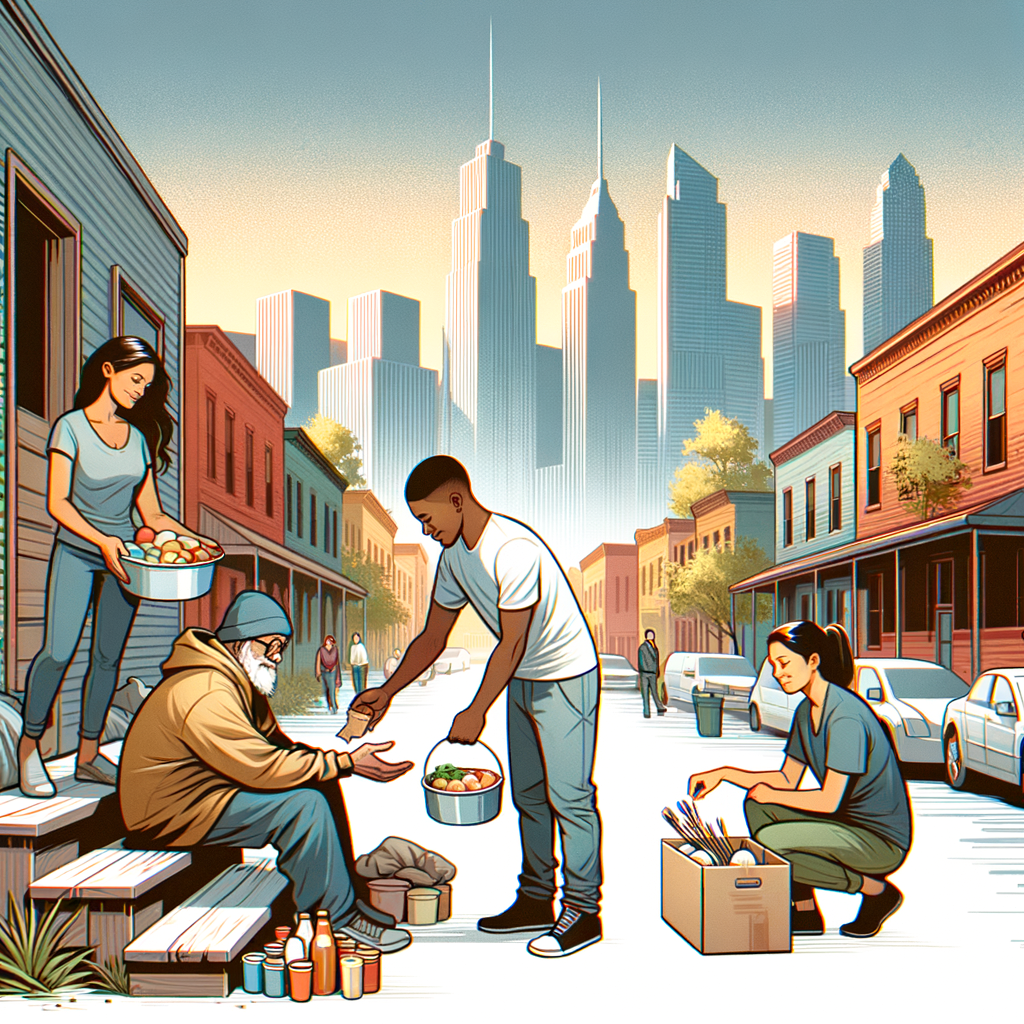
Urban livability is often compromised in blighted neighborhoods—areas characterized by declining infrastructure, poverty, and social issues. Detroit, Michigan, provides a compelling example of a city investing in neighborhood revitalization to enhance livability. Through initiatives like the “Detroit East Riverfront Framework,” the city is transforming neglected areas into thriving communities by attracting new businesses, improving housing, and creating public spaces. These projects aim to revitalize the local economy and foster a sense of community pride among residents. By investing in revitalizing dilapidated neighborhoods, cities can tackle urban decay while spurring economic growth and social cohesion. Such transformations highlight the importance of urban renewal projects to improve the quality of life for residents and enable cities to reimagine their potentials effectively.
In conclusion, enhancing urban livability is a multifaceted challenge that demands a combination of design and policy approaches. From the development of public spaces and sustainable transportation systems to the implementation of smart technologies and participatory governance models, each strategy offers unique contributions to improving the quality of life in urban areas. Cities can adopt these strategies to create environments that promote well-being, inclusivity, and sustainability. By prioritizing urban livability, policymakers and planners can transform cities, not only making them more attractive and efficient but also cultivating thriving communities in which residents can flourish. It is imperative for urban communities to forge partnerships with stakeholders, engage in meaningful dialogue, and implement evidence-based practices. As a next step, city leaders and urban planners should gather data, analyze community needs, and tailor interventions that align with local contexts and ambitions. Through collaborative efforts, cities have the potential to become exemplars of livability, setting a standard for future urban development and propelling positive change across the globe.
Frequently Asked Questions
1. What is urban livability, and why is it important?
Urban livability refers to the quality of life that people experience in city environments. It is a multifaceted concept that includes several key elements: affordable and suitable housing options, efficient transportation systems, accessible green spaces, safety, and a strong sense of community. Urban livability is essential because it directly impacts the mental, physical, and emotional well-being of residents. When people feel satisfied with their living conditions, they are more productive, healthier, and happier overall. In urban areas where livability is prioritized, there is a noticeable increase in community engagement, economic opportunity, and cultural vibrancy. This makes cities not just places where people live, but thriving hubs of activity that attract new residents and investments, thereby fueling further growth and development.
2. How can urban design improve transportation efficiency?
Urban design plays a significant role in shaping transportation systems and can greatly enhance efficiency. Thoughtful urban design focuses on creating dense, mixed-use neighborhoods where workplaces, schools, and amenities are within walking or biking distance, reducing reliance on cars. This approach encourages active forms of transportation and decreases traffic congestion, making streets safer and less polluted. Additionally, strategic placement of bus and rail systems with easily accessible stations ensures that public transit is a convenient option for daily commutes. Implementing bike lanes and pedestrian-friendly pathways creates a seamless network that connects all modes of transport, ensuring that people can move easily and efficiently throughout the city. Moreover, smart city technologies such as real-time traffic monitoring and adaptive traffic light systems can further streamline flow, allowing for a smoother, more reliable transportation experience. By prioritizing pedestrian and transit-oriented infrastructure, cities can become more resilient, lowering carbon emissions and improving the quality of urban life for all residents.
3. What role does housing affordability play in urban livability?
Housing affordability is a cornerstone of urban livability because it ensures that residents of various income levels can maintain secure, stable homes. Affordable housing reduces economic stress, allowing individuals and families to allocate resources to other necessities like education, healthcare, and recreation. This affordability helps cultivate diverse, inclusive communities where people can thrive and contribute to the city’s fabric without the constant fear of displacement. Policies that promote affordable housing can mitigate urban sprawl by encouraging development within existing city limits rather than pushing residents to distant suburbs. Mixed-income housing developments also prevent socioeconomic segregation and foster social cohesion by allowing people from all walks of life to live and interact in close proximity. Furthermore, stable housing contributes to higher academic performance in children and reduces crime rates, creating a safer and more prosperous city environment. Ensuring that housing remains accessible and affordable is critical for sustaining the social and economic vitality of any urban center.
4. How does access to green spaces impact urban livability?
Access to green spaces is a vital component of urban livability, offering numerous benefits that enhance the quality of life for city dwellers. Green spaces, such as parks, gardens, and natural reserves, provide residents with essential opportunities for recreation, relaxation, and social interaction. Spending time in nature has been shown to reduce stress levels, improve mental health, and increase overall happiness. These areas also serve as community gathering places where people can engage in physical activity, promote a sense of belonging, and foster social connections. Beyond personal benefits, green spaces contribute to environmental health by improving air quality, regulating urban temperatures, and managing stormwater, which combats the urban heat island effect. They are also crucial for preserving biodiversity within urban settings, offering habitats for various plant and animal species. By integrating green spaces into urban landscapes, cities can create more vibrant, resilient communities that support both the well-being of their residents and the sustainability of the environment.
5. What are some policy approaches to enhance urban livability?
There are several policy approaches that cities can implement to enhance urban livability, tailored to address the specific needs and challenges of their communities. First, prioritizing mixed-use development zoning laws that promote diverse housing, workspaces, and amenities within close proximity can create vibrant, walkable neighborhoods. Cities can also offer incentives for developers to include affordable housing units in new projects, such as tax breaks or reduced permit fees. To improve transportation, policies should focus on expanding and improving public transit infrastructure and encouraging the use of sustainable transport options like cycling and walking. Additionally, adopting green building standards will ensure that new developments are energy-efficient and environmentally friendly. Urban policymakers can invest in public green spaces by ensuring they are well-maintained and equitably distributed across neighborhoods. Public safety initiatives that include community policing, improved lighting, and neighborhood watch programs can foster a sense of security. Finally, engaging the community in the planning process through participatory methods can help ensure that development plans cater to the needs and desires of all residents, fostering a sense of ownership and a vibrant, connected urban community.