Education is a fundamental right for every child, yet the disparities between urban and suburban school systems continue to widen the achievement gap. The “urban education gap” refers to the substantial difference in academic performance and educational resources between students in urban areas and those in more affluent suburban settings. This issue is critical as it impacts future opportunities for millions of children and contributes to ongoing socioeconomic inequalities. In today’s fast-paced, interconnected world, education is the key to a stable and prosperous society. Therefore, addressing these discrepancies is crucial not only for individuals but for the nation’s long-term success.
Various factors contribute to this education gap, including inadequate funding, lack of access to technology, and social challenges such as poverty and higher crime rates. Schools in urban areas often receive less funding per student than those in suburban areas, leading to overcrowded classrooms and outdated materials. Moreover, urban students frequently face non-academic barriers that affect their ability to learn, such as food insecurity and unstable housing. Amidst these challenges, initiatives and policies must focus on leveling the playing field to ensure all students have the opportunity for a quality education, regardless of their zip code.
Funding Disparities in Urban Schools
One of the largest hurdles in addressing the urban education gap is the disparity in funding between urban and suburban schools. Urban schools often rely heavily on state and federal funds, which are typically less than the funding derived from local property taxes that suburban schools benefit from. This financial shortfall results in a lack of resources needed to provide a competitive education.
For instance, consider the example of the Detroit Public Schools Community District. In recent years, the district has struggled with severe underfunding, leading to dilapidated facilities and insufficient educational materials for students. Without adequate funding, these schools cannot attract or retain quality teachers, further compounding the problem.
Addressing this disparity requires policy changes at state and federal levels to ensure equitable funding. Initiatives such as weighted funding formulas can help by allocating more funds to districts with greater needs, such as those with a high percentage of low-income students, thus providing additional support where it’s needed most.
Lack of Access to Technology and Digital Resources
Technology plays a crucial role in modern education, yet many urban schools lack the necessary technological resources. This deficit puts urban students at a distinct disadvantage compared to their suburban counterparts who often have access to the latest technology, contributing to the digital divide within education.
For example, during the COVID-19 pandemic, remote learning highlighted the lack of devices and internet access for urban students. Schools in cities such as New York and Los Angeles scrambled to provide laptops and Wi-Fi hotspots to ensure students could participate in online classes. However, the transition was not smooth, particularly for families without prior experience with these technologies.
To bridge this gap, initiatives could include public-private partnerships to provide discounted hardware and internet services to disadvantaged families. Additionally, integrating digital skills into the curriculum is essential to prepare students for the demands of the 21st-century workforce.
Social Challenges Facing Urban Students
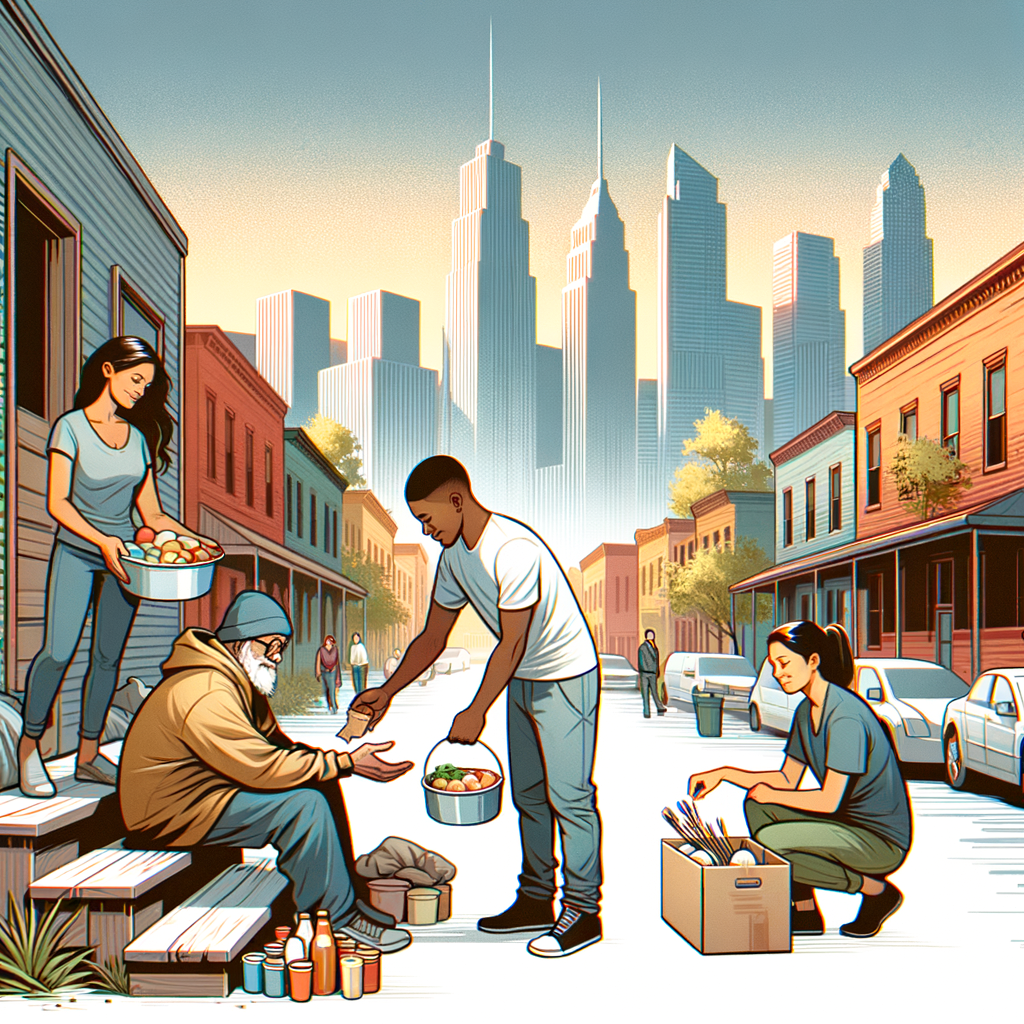
Urban students often face a plethora of social challenges that hinder their educational progress. High poverty rates, food insecurity, and unstable housing are prevalent issues that can disrupt schooling and negatively impact academic performance.
The Chicago Public Schools system exemplifies this scenario, as many students deal with daily struggles that affect their learning capabilities. These non-academic barriers contribute significantly to the achievement gap as students grappling with basic survival challenges find it difficult to focus on their education.
Comprehensive community support systems are vital to address these issues. Schools can form partnerships with local organizations to provide wraparound services, such as counseling, health services, and afterschool programs that cater to the whole child not just their academic needs. By ensuring students’ basic needs are met, schools can create a more conducive environment for learning.
The Role of Teacher Support and Development
Teachers are at the heart of educational success, yet those in urban schools often face challenging working conditions that lead to high turnover rates. Teacher burnout and lack of professional development opportunities can lead to a revolving door of educators, destabilizing the learning environment.
A case in point is found in Philadelphia, where teacher turnover is notably high. This instability limits the building of strong student-teacher relationships, which are crucial for personalized and effective teaching. Professional development programs, mentorship, and competitive salaries are essential to retain skilled educators in urban settings.
Implementing programs that support teacher well-being and professional growth not only helps in reducing turnover but also enhances the quality of education. Teachers who feel valued and equipped are more likely to create engaging and effective learning experiences, directly benefiting their students.
Innovative Educational Approaches
In addition to addressing systemic issues, innovative educational approaches can play a pivotal role in bridging the urban education gap. Project-based learning, culturally relevant pedagogy, and community schools are examples of strategies designed to engage students and enhance learning outcomes.
For example, the Success Academy Charter Schools in New York City have implemented a curriculum that emphasizes critical thinking and real-world problem-solving, resulting in some of the highest test scores in the state while serving predominantly low-income communities.
| Approach | Description | Impact |
|---|---|---|
| Project-Based Learning | Hands-on projects that encourage critical thinking | Increases engagement and retention |
| Culturally Relevant Pedagogy | Incorporates students’ cultural references into learning | Improves student motivation and success |
| Community Schools | Schools as community hubs that provide support services | Addresses non-academic barriers |
These approaches demonstrate that with creativity and commitment, educational environments can be transformed to better meet the needs of urban students. Schools must continue to experiment with and adopt teaching methods that emphasize student empowerment and community involvement.
Conclusion
Addressing the urban education gap is a complex task that requires a multifaceted approach. Key actions include equitable funding allocation, increasing access to technology, supporting students through social challenges, and investing in teacher development. Moreover, adopting innovative educational methodologies can significantly enhance the learning experiences of students in urban areas.
The benefits of addressing the urban education gap extend far beyond the classroom. By ensuring all children have access to a high-quality education, we empower them to become informed citizens, close the socioeconomic divide, and strengthen our communities and economy overall.
For those interested in making a difference, consider engaging with local educational organizations, advocating for policy reforms, or volunteering your time and resources. Through collective effort, we can close the urban education gap and create a more equitable future for all.
Frequently Asked Questions
1. What is the urban education gap?
The urban education gap is the notable difference in academic performance and availability of educational resources between students attending school in urban areas versus those in more affluent, suburban environments. Urban schools often face challenges such as limited funding, outdated facilities, and fewer experienced teachers, which can lead to significantly lower academic achievement among their students. On the flip side, suburban schools typically benefit from better funding, modern facilities, and access to an array of educational resources, contributing to higher student performance. This gap is not just about academics; it represents a wider issue that influences future opportunities, perpetuating socioeconomic disparities and impacting the overall well-being and prospects of children growing in urban settings.
2. What factors contribute to the urban education gap?
Several factors contribute to the widening urban education gap. Firstly, financial constraints often severely limit the resources available to urban schools. This includes insufficient funding for academic programs, extracurricular activities, and essential services like special education. Also, urban schools tend to face infrastructural issues such as overcrowded classrooms, outdated technology, and inadequate maintenance. Another contributing factor is the socioeconomic status of the families in urban areas, which often correlates with higher levels of socio-economic stress that negatively impacts a child’s learning environment. Additionally, there can be a high teacher turnover rate in urban schools, often due to challenging working conditions and lower salaries compared to those in suburban districts. Finally, systematic issues, such as zoning laws and school district policies, often further exacerbate these disparities by limiting the options available to students in these areas and perpetuating cycles of poverty and educational inequity.
3. Why should addressing the urban education gap be a priority?
Addressing the urban education gap is crucial because it directly influences the life prospects of millions of children. Educational disparities contribute to perpetuating poverty cycles, creating lasting socioeconomic inequalities that affect communities. With a strong foundation in education, urban students are more likely to pursue higher education, secure better jobs, and contribute positively to society. Bridging this gap not only affords every child the basic right to quality education but also fosters a more equitable and just society. Furthermore, as urban areas continue to grow, ensuring all students, regardless of geographical location, have access to the same quality of education is vital for community stability, economic growth, and national competitiveness in the global marketplace.
4. How can communities help to mitigate the urban education gap?
Communities play a vital role in closing the urban education gap. Local leaders and community organizations can advocate for increased funding and better distribution of resources to urban schools. Investment in early childhood education within urban areas can also prove pivotal, as it sets a foundation for future learning. Furthermore, fostering partnerships between schools and local businesses could provide students with real-world learning opportunities and resources that enhance their educational experiences. Enhanced parental involvement in education can also prove beneficial. Encouraging and facilitating parent engagement in school activities contributes to a supportive learning environment and can lead to improvements in student achievement. Finally, addressing broader socio-economic challenges in urban communities—such as affordable housing, job opportunities, and community health services—can alleviate some of the external pressures that impede educational success.
5. What are some successful strategies for teachers to address the urban education gap?
Teachers are on the front lines in addressing the urban education gap, and there are several strategies they can employ. One effective approach is differentiated instruction, which allows teachers to tailor their teaching methods to meet the diverse needs of their students. By using a variety of teaching techniques, tools, and activities, teachers can engage students with different learning styles and capabilities. Implementing culturally responsive teaching practices ensures that all students feel respected and valued, and that their cultural backgrounds are reflected in the learning materials. In addition, building strong relationships with students can help teachers identify and overcome individual barriers to learning. Professional development and collaborative learning communities among teachers can also support the sharing of best practices and innovative solutions tailored to urban education challenges. Moreover, integrating technology in classrooms can provide access to modern learning resources, thereby helping to level the playing field. Finally, teachers can help advocate for more significant systemic changes that address resource disparities and policy inequalities within the education system.