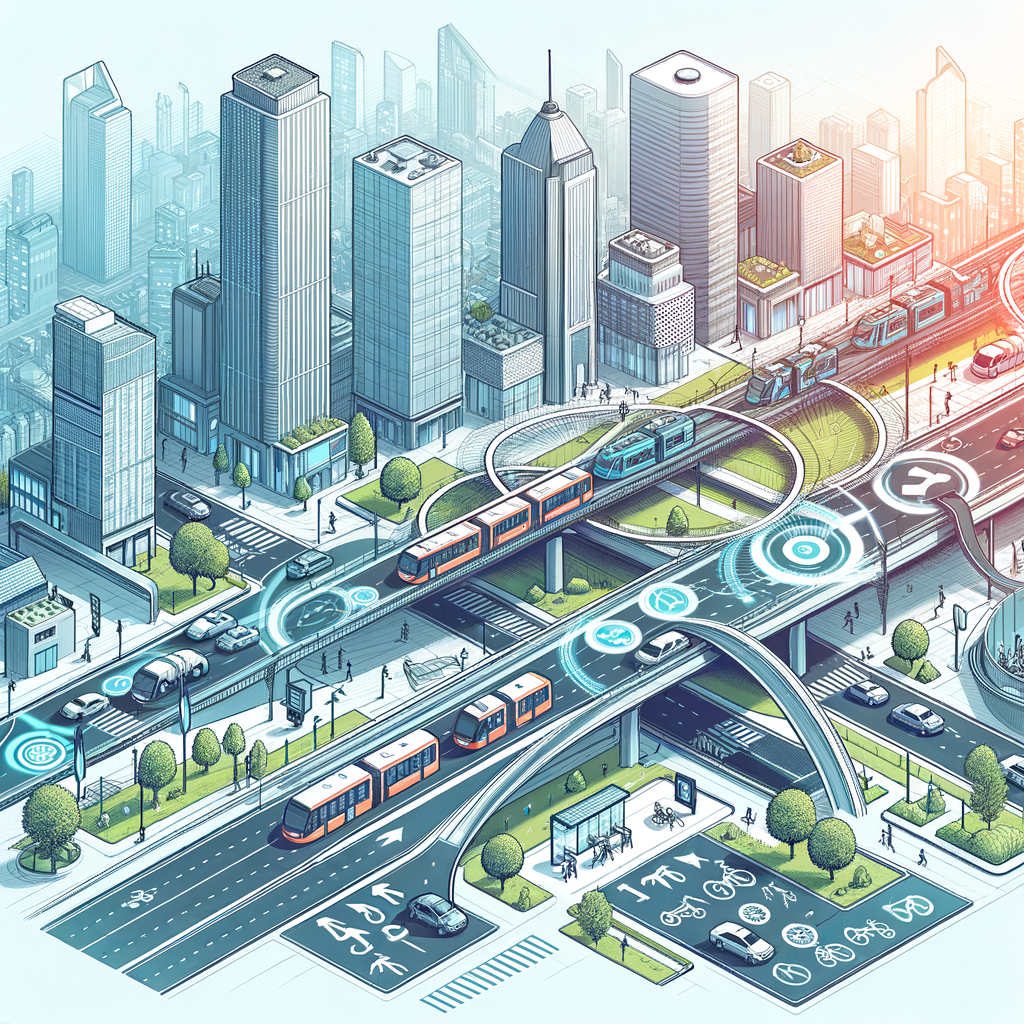
Urban mobility has become a critical issue in cities around the world as they grapple with growing populations, increasing congestion, and environmental concerns. Urban mobility refers to the movement of people and goods within an urban environment, with traditional reliance placed heavily on cars. However, with cities sprawling and environmental concerns mounting, this dependency on automobiles is being reevaluated. The term ‘urban mobility’ encompasses various modes of transportation, infrastructure, and technology designed to facilitate efficient movement throughout an urban space. Enhancing urban mobility is crucial because it directly impacts economic productivity, quality of life, and environmental sustainability. As cities continue to expand, the way we approach transportation and mobility is at a crossroads, urging us to look beyond traditional car-centric models. This shift is not merely about adopting new technologies, but about reimagining urban life, emphasizing integration, accessibility, and sustainability.
Public Transportation Systems: Backbone of Urban Mobility
Public transportation systems such as buses, trams, and metros provide essential services that enhance urban mobility by reducing reliance on cars. A robust public transportation network can facilitate the efficient movement of large numbers of people, thus reducing traffic congestion and decreasing the environmental footprint of urban transport systems. An excellent example is the Metropolitan Transportation Authority (MTA) in New York City, which serves millions of passengers daily, demonstrating how public transport can support high-density urban areas. By offering an alternative to car travel, public transportation can contribute to less air pollution, reduced greenhouse gas emissions, and lower energy consumption. In addition, it provides a more cost-effective and equitable form of mobility, as it is generally more affordable than owning and maintaining a car. Moreover, when adequately funded and maintained, public transportation can offer fast, reliable services, improving quality of life for urban dwellers by cutting down commute times and enhancing accessibility to various parts of the city.
Cycling and Pedestrian-Friendly Infrastructure
Bicycles and walking offer zero-emission forms of transport that not only benefit the environment but also improve public health. Cities like Copenhagen have led the charge in integrating cycling into their urban landscape, offering extensive networks of bike lanes and pedestrian paths. Copenhagen’s efforts to make cycling a primary mode of transport for its citizens have resulted in a city that prioritizes clean air and active living. Walking and cycling infrastructure, such as dedicated lanes, bike sharing programs, and pedestrian-only zones, encourage safer and more sustainable ways to travel. The focus on building cycling and pedestrian infrastructures not only eases car traffic but also encourages healthier, more active lifestyles, reducing healthcare costs associated with sedentary living. Furthermore, integrating cycling into public transport systems can also enhance urban mobility by allowing first and last-mile connectivity, providing a comprehensive and seamless commuting experience.
Emerging Technologies: Electric and Autonomous Vehicles
The rise of electric vehicles (EVs) and autonomous vehicles is promising considerable changes in urban mobility. Cities like Oslo are seeing higher EV adoption rates facilitated by supportive policies like free parking, charging infrastructure, and exemptions from tolls. Electric vehicles offer a more sustainable alternative to fossil fuel-powered cars, contributing to reduced emissions and lower air pollution levels. Meanwhile, autonomous vehicles hold the potential to revolutionize urban mobility by providing more efficient and safer transportation options. They promise to reduce road congestion through optimized driving patterns, facilitate car-sharing services, and enable better utilization of transport infrastructure. Autonomous solutions also offer the opportunity to improve mobility for the elderly and disabled by providing more accessible transport options. However, these innovations require significant investments in infrastructure and pose new challenges in terms of safety, regulatory frameworks, and social acceptance.
Shared Mobility Services: Car-Sharing, Ride-Sharing, and Beyond
Shared mobility services present a versatile and flexible alternative to car ownership, with car-sharing and ride-sharing services becoming increasingly popular in urban areas. Studies have shown that services like Zipcar and platforms such as Uber and Lyft reduce the number of cars on the road and contribute to lessening urban congestion. These models enable users to have flexible access to vehicles without the responsibilities of ownership, thereby reducing the demand for parking space and contributing to a more efficient use of transport resources. Moreover, advancements like bike-sharing and scooter-sharing have emerged, further diversifying the portfolio of shared mobility services available in cities. These services are accessible via mobile applications, providing real-time data on availability and facilitating easy access to transportation solutions. In addition, by utilizing shared transportation, cities can leverage data-driven insights to optimize transportation networks, assess demand patterns, and address gaps in service availability.
Policy and Planning: Integrating Multi-Modal Transport Systems
Urban planners and policymakers play a vital role in fostering environments conducive to enhanced urban mobility. In many cases, integrating multi-modal transportation systems is paramount, enabling seamless transition between different modes of transport. Cities like Zurich exemplify successful multimodal integration by offering coordinated public transport networks, easy transfers, and unified ticketing systems. Successful integration requires collaborative planning and policy-making that prioritize sustainable urban mobility strategies, promote transit-oriented development, and ensure adequate funding for public infrastructure projects. This integrated approach balances the need for various transportation options, optimizing infrastructure investments, and accommodating changing urban demographics and technological advancements. Moreover, embracing data and digital tools can facilitate better planning and decision-making, allowing cities to leverage mobility data analytics to predict trends, manage demand, and allocate resources more effectively.
Cultural Shifts and Changing Attitudes Toward Ownership
Cultural attitudes toward car ownership are shifting, particularly among younger generations who increasingly value access over ownership. Cities around the globe are witnessing a growing trend where bicycles, public transportation, shared vehicles, and eco-friendly alternatives are preferred. For instance, Tokyo has cultivated a strong public transit culture, which fosters an environment where private vehicle ownership is less appealing due to efficient and widespread public transport services. This shift is influenced by rising environmental awareness, urban space constraints, and evolving lifestyle preferences that prioritize experiences over material possessions. Educational campaigns, community engagement, and incentivizing sustainable behaviors can further nurture these shifting attitudes and create communities that embrace diverse forms of transportation.
| Transport Mode | Benefits | Challenges |
|---|---|---|
| Public Transport | Mass transit capacity, reduced congestion | Infrastructure investment, maintenance costs |
| Cycling | Health benefits, zero emissions | Safety concerns, weather dependency |
| Electric Vehicles | Reduced emissions, energy efficiency | Charging infrastructure, cost of ownership |
| Shared Mobility | Flexibility, reduced number of vehicles | Regulatory issues, data privacy concerns |
Urban Planning and Space Utilization
Enhancing urban mobility requires thoughtful urban planning and strategic space utilization that support diverse transportation options and reduce reliance on cars. Cities like Amsterdam have optimized urban space by reducing car spaces and increasing green spaces, pedestrian areas, and cycling lanes. By implementing policies that prioritize people over cars, cities can create vibrant, livable urban spaces that facilitate better mobility and connectivity. Such planning involves constructing mixed-use developments that reduce travel distances and promote walking and cycling, as well as ensuring accessibility for all community members. Efficient space utilization not only benefits transportation but also enhances urban aesthetics, supports local economies by improving foot traffic, and raises property values. Collaborating with businesses, developers, and communities is essential to align urban space management with broader mobility goals while fostering a sense of ownership and stewardship among residents.
Conclusion: Embracing a Multi-Modal Future
As we navigate the complexities of urban growth and development, enhancing urban mobility beyond cars becomes not just an option, but a necessity. By supporting and expanding public transportation, prioritizing cycling and walking, embracing emerging technologies, and fostering shared mobility services, we craft cities that are more inclusive, sustainable, and prosperous. The key takeaway is that no single solution can address every urban mobility challenge. Instead, a multi-modal approach that leverages diverse transportation options, integrates innovative technologies, and prioritizes sustainable planning and policy-making holds the greatest promise for transformative change. By prioritizing efficient, eco-friendly, and accessible urban mobility systems, we can reduce reliance on cars, contribute to a healthier environment, and improve quality of life for all inhabitants. As individuals, communities, and policymakers, we must collaborate to reset our urban transportation landscapes, champion sustainable initiatives, and embrace a future that nurtures holistic urban mobility for generations to come.
Interested in taking action? Consider advocating for improved public transportation options in your city, try cycling or ride-sharing, or engage with community initiatives that promote sustainable urban planning. Together, we can embrace change and pave the way for a more connected and sustainable urban future.
Frequently Asked Questions
1. What is urban mobility, and why is it important?
Urban mobility is all about how people and goods move around in a city. This movement is crucial because it impacts daily life, including how you get to work or the store, and how long you spend in traffic. Its importance has grown because cities are expanding rapidly, leading to more congestion and pollution. With more people living in urban areas, efficient transportation is essential to keep everything running smoothly. Beyond just commuting, urban mobility affects quality of life, economic opportunities, and the environment. By addressing issues in urban transportation, cities can not only improve the life of their residents but also contribute to the global fight against climate change by reducing emissions from vehicles.
2. What modes of transportation are included in urban mobility?
Urban mobility covers a wide range of transportation options beyond the traditional personal car. It includes public transportation, such as buses, trains, trams, and subways, which are vital for reducing congestion and emissions. Bicycles and walking are also important, especially for reducing carbon footprints and promoting healthy lifestyles. Additionally, newer options like scooters, rideshares, and even personal electric vehicles have become part of the mix. Each mode has its place in a city’s infrastructure and can be adapted to the specific needs of the city and its inhabitants. By integrating various modes, cities can create a transportation network that is more efficient, sustainable, and accessible to everyone.
3. Why is there a push to move beyond cars for urban mobility?
The push to move beyond cars in urban settings stems from several pressing issues. First, the over-reliance on automobiles contributes significantly to traffic congestion, which can lead to longer commute times and increased stress for drivers. Second, vehicles are a major source of air pollution and greenhouse gas emissions, contributing to climate change and harming public health. Third, car-centric infrastructure often neglects pedestrian and biking infrastructure, limiting mobility options. By diversifying transportation methods, cities can alleviate congestion, reduce environmental impact, and create a more inclusive urban environment where people can choose how they get around, depending on their needs.
4. What strategies are cities implementing to enhance urban mobility?
Cities are adopting various strategies to enhance urban mobility and move beyond car dependency. They are investing in robust public transportation networks to provide efficient, affordable, and reliable alternatives to driving. Innovations like bus rapid transit (BRT) systems and smart traffic management tools are being used to improve public transit efficiency. Urban planners are redesigning city spaces to better accommodate biking and walking through dedicated lanes and paths. Car-sharing and ride-hailing services offer additional options for people who don’t own vehicles. Moreover, cities are supporting electric vehicles to reduce the environmental footprint of transportation. These strategies are interconnected and aim to create a comprehensive mobility ecosystem that elevates convenience and accessibility for everyone.
5. How can individuals contribute to enhancing urban mobility?
Individuals have a significant role to play in enhancing urban mobility. Choosing alternative modes of transport, like biking, walking, or using public transportation, can reduce traffic congestion and emissions. Joining carpooling programs and using rideshares efficiently can also make a difference. Advocacy is another powerful tool; individuals can support policies and infrastructure projects that promote sustainable transportation options. Being informed about local transportation initiatives and participating in public forums can amplify voices for change. Additionally, adopting flexible work arrangements, such as telecommuting, can decrease demand on transportation systems during peak hours. Each action counts toward creating vibrant, efficient, and sustainable urban mobility systems for the future.