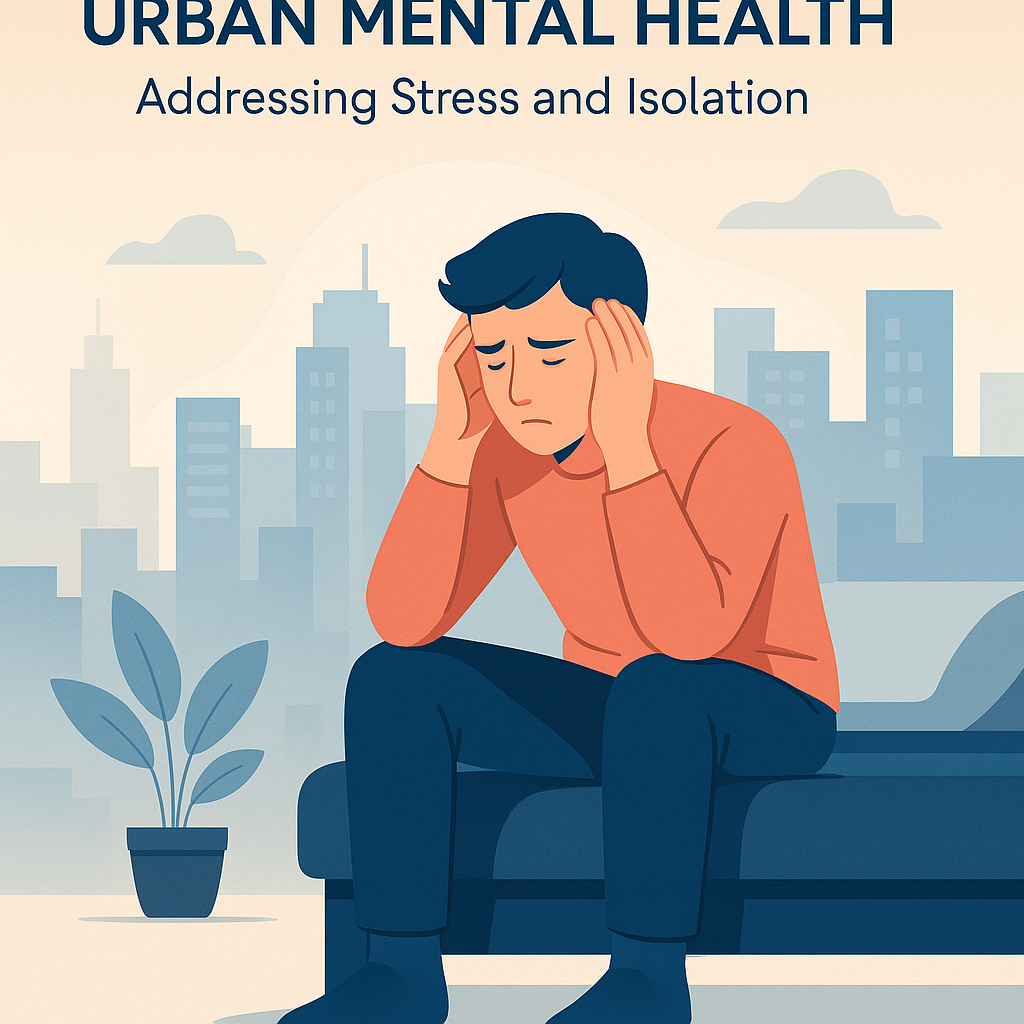
Urban centers around the globe are pulsating with life, offering endless opportunities and vibrant experiences. However, behind these bustling facades, hidden challenges threaten the well-being of city dwellers. One such challenge is urban mental health, particularly the issues of stress and isolation. These problems have become critical, as rapid urbanization intensifies the pace of life and diminishes personal connections, leading to widespread psychological strain. Addressing these concerns is essential for the well-being of individuals and communities alike.
Urban mental health refers to the psychological and emotional well-being of individuals living in a city environment. This encompasses a wide range of mental health issues from everyday stress to severe mental disorders. Stress in an urban setting often arises from various factors, including congestion, noise pollution, high living costs, and competitive work environments. Meanwhile, isolation in cities occurs despite the proximity to large populations, as many residents experience loneliness and a lack of close, meaningful relationships.
The significance of tackling urban mental health can’t be overstated. Mental health directly influences individuals’ physical health, economic productivity, and social relationships. Addressing stress and isolation in urban environments can improve quality of life, enhance social cohesion, and even boost local economies. Therefore, understanding and tackling these issues is an urgent necessity.
Understanding Urban Stress: Causes and Effects
Urban stress is the excessive strain on individuals resulting from living in a densely populated and often fast-paced environment. One primary source of this stress is the overwhelming sensory input typical of urban areas. For instance, constant noise from traffic and mass transit can irritate urban residents, disrupting sleep patterns and contributing to anxiety.
Moreover, urban stress is exacerbated by economic pressures. Consider the high costs of living in cities such as New York or Tokyo, where housing, food, and general expenses are significantly higher than in rural areas. This financial burden often leads to long working hours and minimal leisure time, reducing opportunities for relaxation and recreation, contributing to chronic stress.
An illustrative example is the case of Helen, a young professional working in a major metropolitan city. Despite a promising career, Helen finds herself in a constant state of stress, driven by her need to afford an expensive lifestyle and the relentless demands of her job. This culminates in health issues, such as insomnia and hypertension, affecting her overall well-being.
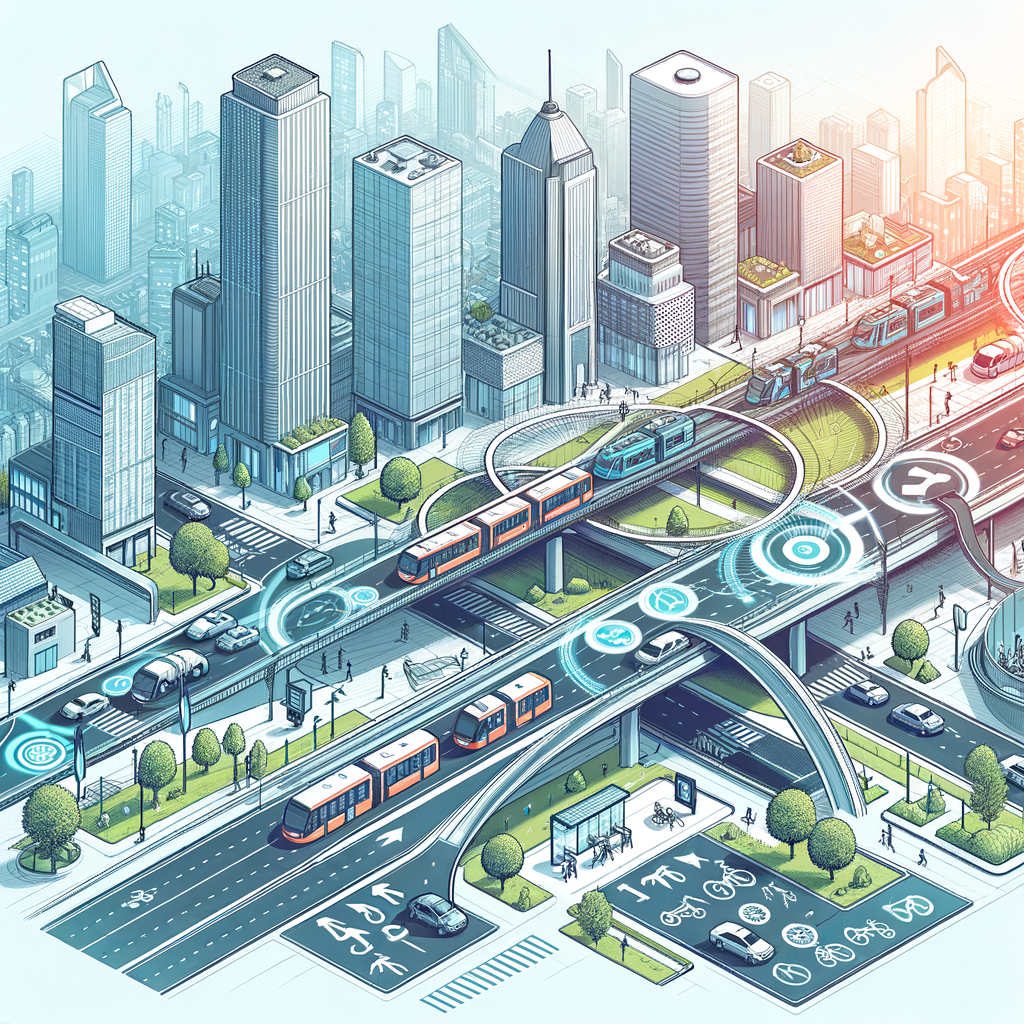
Understanding these causes and their effects is crucial for developing strategies to mitigate urban stress. Interventions can range from promoting work-life balance to urban planning that incorporates green spaces, reducing congestion, and fostering better transport connectivity.
Tackling Isolation in Cities: Building Connection
Isolation is surprisingly prevalent in urban settings, despite the dense population. Isolation can lead to loneliness, which profoundly impacts mental health, leading to depression and decreased life satisfaction. The paradox of urban isolation is that individuals are surrounded by vast numbers yet often feel disconnected from the community.
For example, consider the scenario of John, an elderly widower residing in a major urban center. Despite living in a bustling neighborhood surrounded by people, his interactions are limited primarily to brief exchanges with service providers and fleeting conversations with neighbors. This lack of substantial social engagement leaves him feeling isolated and alone.
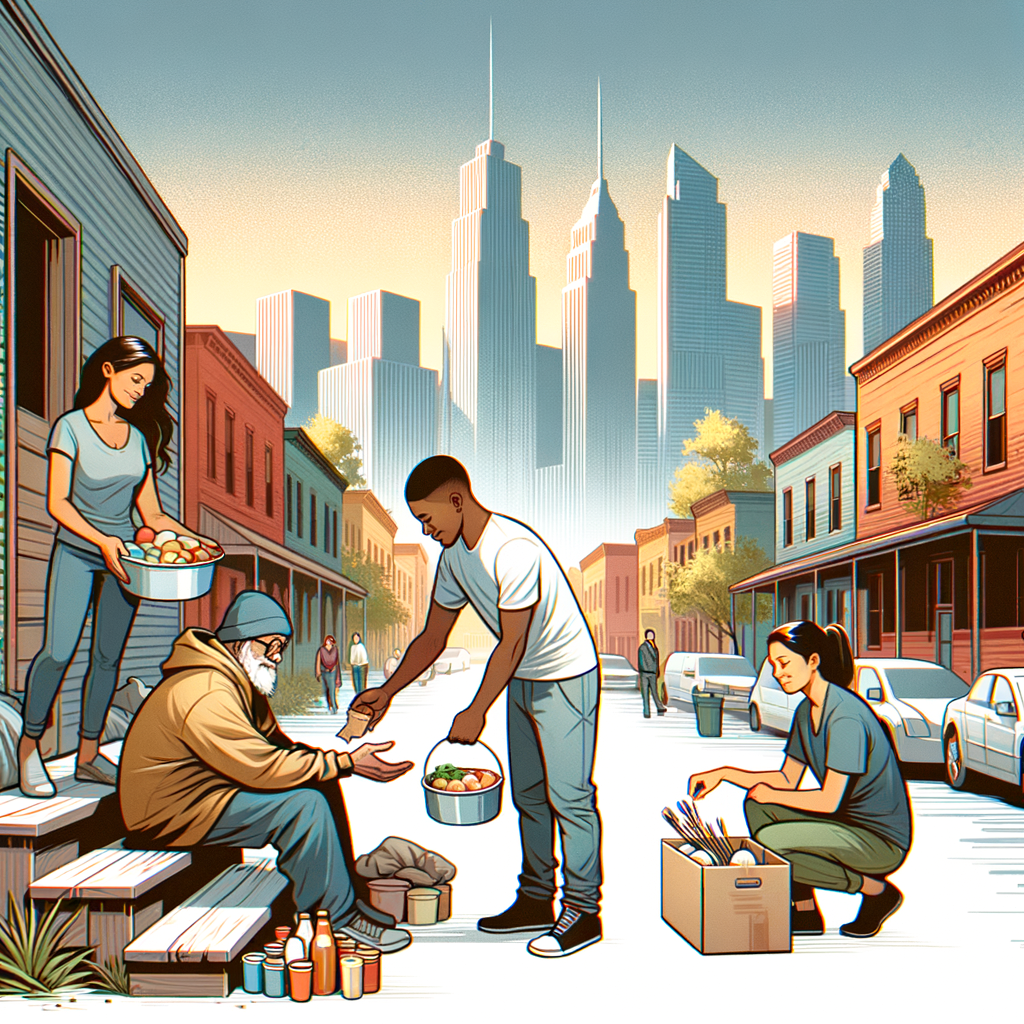
Addressing urban isolation requires deliberate community-building efforts. Initiatives such as community centers, social clubs, and neighborhood events can create platforms for meaningful interactions. Urban designs that encourage communal spaces where residents can congregate naturally also play a crucial role. Technology, too, can be a double-edged sword; while digital platforms can connect people, they can also reduce face-to-face interactions, contributing to isolation.
The Role of Public Spaces in Enhancing Urban Mental Health
Public spaces are vital for alleviating both stress and isolation in urban areas. Parks, squares, and community gardens offer residents opportunities for relaxation and social interaction. These areas serve as natural havens where people can escape the hustle and bustle of urban life and connect with nature, which has been shown to reduce stress levels and improve mood.
Take Central Park in New York City as an example. This massive public park provides a green oasis amidst a concrete jungle, offering various recreational activities that cater to diverse interests—from walking and picnicking to horseback riding. For many city dwellers, such spaces offer a much-needed respite from their daily routines, facilitating both relaxation and community engagement.
Public spaces should be accessible and welcoming to everyone to maximize their positive impact on mental health. Urban planners and policymakers must prioritize creating and maintaining such spaces, considering factors like ease of access, safety, and the availability of amenities.
Integrating Technology in Mental Health Solutions
In today’s digital age, technology serves as both a challenge and a solution to urban mental health issues. Over-reliance on digital devices can exacerbate stress and promote isolation. However, when used judiciously, technology can support mental health initiatives and provide innovative solutions to these urban challenges.
For instance, mental health applications are becoming increasingly popular, offering urban residents accessible mental health resources and self-help tools. These apps provide services ranging from guided meditation to cognitive-behavioral therapy exercises, empowering individuals to proactively manage their mental health.
Additionally, technological platforms facilitate virtual support groups and forums, connecting individuals with similar experiences and fostering a sense of community despite physical distances. When integrated with traditional mental health care, technology can enhance accessibility and effectiveness, especially vital in urban settings where mental health services might be overburdened and difficult to access.
| Technology | Use in Mental Health |
|---|---|
| Mental Health Apps | Self-help exercises and resources |
| Virtual Support Groups | Fosters connection and community |
| Teletherapy | Offers remote therapy sessions |
| Wearable Technology | Tracks physical health metrics related to mental health |
Encouraging Policy Interventions for Urban Mental Health
Effective policy interventions are crucial for addressing urban mental health issues. City governments must recognize mental health as a public concern and allocate resources to develop comprehensive strategies that address the unique challenges of urban settings. Policies should focus on integrating mental health services into general health care systems, ensuring their accessibility and affordability.
A successful example can be seen in initiatives by the City of Toronto, which has incorporated mental health assessments into routine health services and promotes mental health literacy through public campaigns. Public health initiatives, combined with collaborative efforts involving community organizations, can help ensure that residents are aware of available resources and support networks.
Furthermore, policies should incentivize businesses to adopt mental wellness programs for employees, aimed at reducing workplace stress and enhancing overall productivity and job satisfaction. Policymakers should also consider the role of education in mental health, incorporating mental health education and awareness programs in schools to build resilience from a young age.
Building Resilient Urban Communities
Resilience in urban communities significantly contributes to the mental well-being of its residents. A resilient community can effectively respond to and recover from adversities, such as economic downturns or health crises, with minimal stress to its members. Developing resilience involves both individual efforts and collective action.
Communities can foster resilience by supporting initiatives that strengthen social ties, promote inclusivity, and encourage participation in local governance. Social enterprises and cooperatives that address specific community needs enhance self-sufficiency and boost local economies, which, in turn, reduce stress levels.
An inspiring example is the program implemented in Medellín, Colombia, where community-driven projects and local innovations have turned the city into a model of urban transformation and collective resilience. These projects, focused on education, public transport, and entrepreneurship, have empowered residents and significantly improved their mental health outcomes.
Summarizing the Path Forward: Collective Responsibility
The challenges posed by stress and isolation in urban environments are significant but not insurmountable. By understanding and addressing these issues, urban areas can transform into environments that foster mental well-being and community connectedness. The quest to enhance urban mental health requires a collective effort by individuals, communities, city planners, policymakers, and healthcare providers.
Key takeaways include the need for creating stress-relief mechanisms, promoting social interaction, investing in public spaces, leveraging technology in mental health care, and advocating for supportive policies. By making concerted efforts, cities can enhance the quality of life of their residents, ensuring each individual not only survives but thrives within the urban landscape.
As individuals, being proactive about mental health awareness and engaging in community activities can make a significant difference. Let us take small steps in our own lives, from reaching out to neighbors to prioritizing mental well-being in our routines, contributing to a more resilient and connected society.
It’s a journey of resilience, awareness, and empathy where every action counts. Start today by fostering connections and prioritizing mental wellness, both in your personal life and within your community.
Frequently Asked Questions
1. What contributes to stress in urban environments?
Urban life is a unique tapestry woven with opportunity, diversity, and excitement. Yet, this vibrant fabric often threads stress throughout its structure, impacting city dwellers profoundly. Various factors contribute to stress in urban settings. The relentless pace of city life, characterized by demanding work schedules and long commutes amidst congested traffic, is a major stressor. The constant exposure to noise pollution, whether it’s the blaring of car horns or the perpetual hum of city life, elevates anxiety levels. Furthermore, the high cost of living in most urban areas intensifies financial pressures, leading to an unending cycle of stress as individuals strive to make ends meet. Additionally, city living, despite its density, can foster feelings of isolation as the sense of community dwindles, with people living anonymous lives amidst countless others. This paradox of being alone in a crowd heightens stress levels significantly. Addressing these causes begins with understanding urban stressors and integrating coping mechanisms into one’s lifestyle, such as pursuing mindfulness practices, maintaining a balanced life-work dynamic, or even finding solace in urban green spaces.
2. How does urban living lead to feelings of isolation?
In the bustling heart of any city, the paradox of loneliness manifests in the most unsuspecting ways. Despite being surrounded by throngs of people, the fundamental lack of meaningful social interactions can leave city residents feeling secluded. The decline in neighborhood bonds and communal interactions contributes heavily to this sense of isolation. The cultural shift towards digital interaction also plays its part, as individuals increasingly engage through screens rather than face-to-face, bypassing opportunities for deeper connections. Cities, often referred to as concrete jungles, lack adequate communal spaces that encourage social gatherings, further deepening the divide. Moreover, transient city populations, with individuals frequently moving in and out, exacerbate the challenge of establishing lasting relationships. The sheer scale of urban environments can make forming intimate connections daunting. To counteract these feelings of isolation, strategies such as engaging in community-based activities, volunteering, connecting with local groups, or attending neighborhood events can foster a sense of belonging and encourage the formation of meaningful relationships.
3. What impact does rapid urbanization have on mental health services in cities?
Rapid urbanization is reshaping cities across the globe, bringing both growth and challenges, especially in mental health services. As cities expand, the demand for mental health support surges, often outstripping available resources. Many urban centers face a crisis of accessibility, where mental health services, though critical, are either inadequate or unevenly distributed, leaving significant portions of the population underserved. This scarcity is compounded by the stigma often surrounding mental health, which can deter individuals from seeking help. Additionally, urban areas may face shortages of qualified professionals, leading to long wait times and overburdened services. The complexity of providing culturally sensitive care in diverse urban populations further challenges mental health professionals. To bridge these gaps, cities must prioritize mental health funding, embrace digital health technologies to extend service reach, and adopt community-based approaches ensuring that mental health care is both accessible and inclusive for all.
4. What are some effective strategies to reduce stress and improve mental well-being in urban settings?
In tackling urban stress, adopting holistic and proactive approaches can make a substantial difference. Firstly, integrating green spaces within urban landscapes has been shown to reduce stress levels and promote emotional well-being. Parks and community gardens offer not just a breath of fresh air but a refuge from the hustle. Exercise, whether it’s a leisurely stroll or a high-paced workout, is another powerful tool for stress reduction, releasing endorphins that enhance mood. Mindfulness and meditation practices can help cultivate inner peace amidst chaos, training your mind to remain calm. Structuring daily routines to include downtime, prioritizing sleep, and ensuring a balanced diet, also play pivotal roles in managing stress. Leveraging technology wisely, such as using apps for meditation and mental health monitoring, can also provide support. Urban dwellers should also actively pursue social connections. Engaging with community events, networking, or simply reaching out to neighbors can foster a sense of connection and diminish feelings of isolation. Stress management is not a one-size-fits-all endeavor; therefore, embracing a combination of these strategies tailored to individual needs can significantly enhance mental well-being in urban spaces.
5. How can urban planners contribute to better mental health outcomes?
Urban planners are in a unique position to sculpt environments that foster better mental health outcomes. By focusing on the integration of diverse, accessible public spaces, they create opportunities for community activities that bolster social cohesion and diminish isolation. Planners can prioritize pedestrian-friendly zones and cycling paths, promoting physical activity known to alleviate stress. The inclusion of green infrastructure, such as urban forests and rooftop gardens, not only enhances aesthetic pleasure but also provides serene escapes from urban chaos. Noise reduction measures, like sound barriers and designated quiet zones, can help mitigate the psychological impact of urban noise pollution. Furthermore, ensuring equitable access to facilities and services, especially in underserved neighborhoods, plays a critical role in maintaining community well-being. When urban planners collaborate with mental health experts, sociologists, and the community, they can design cities that are not just habitable but enrich the lives of their residents by nurturing mental health resilience through thoughtful, inclusive design.