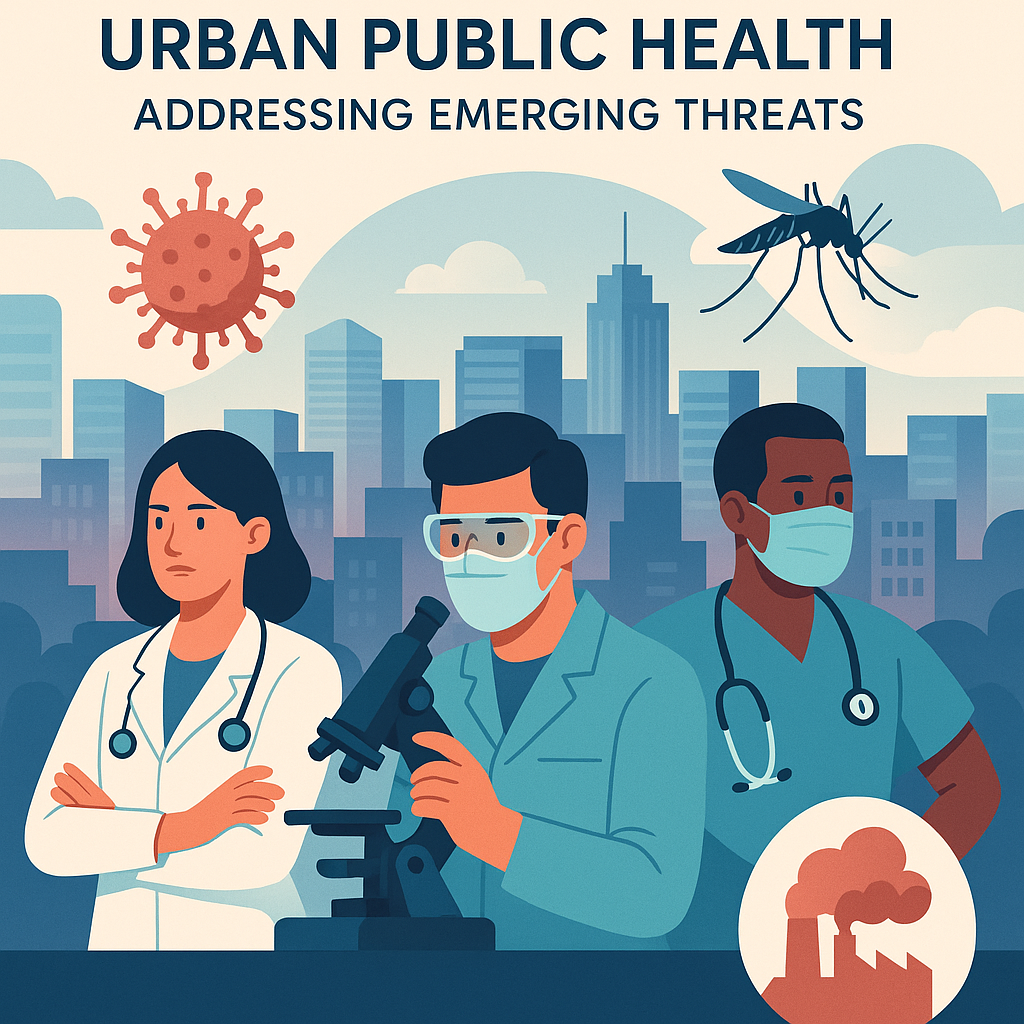
Urban public health is a crucial scientific discipline focused on the health and well-being of populations living in urban environments. From the sprawling metropolises of the United States to rapidly expanding cities in developing nations, the dynamics of public health are constantly evolving. The term ‘urban public health’ encompasses the study and implementation of public health practices specifically targeted at the unique challenges encountered in densely populated urban areas. Throughout history, waves of urbanization have brought about challenges such as overcrowding, pollution, and the rapid spread of infectious diseases. However, the modern world presents new and complex challenges that require innovative solutions.
The significance of urban public health cannot be overstated, with the World Health Organization reporting that more than half of the global population now resides in urban areas. As cities continue to grow, so too do the risks associated with urban living. Among these risks are the emergence of new infectious diseases, mental health disorders exacerbated by urban stressors, and the health implications of environmental pollution. Therefore, addressing these emerging threats is imperative to ensure the well-being of millions of city dwellers worldwide. Failure to adapt public health strategies to these evolving challenges can lead to widespread health crises with far-reaching consequences.
The Challenge of Emerging Infectious Diseases
In urban environments, the threat of emerging infectious diseases is particularly pronounced due to high population density and increased human mobility. Recent outbreaks of diseases such as COVID-19 have highlighted the vulnerabilities of urban populations. Cities, with their crowded transportation systems and dense residential areas, can quickly become epicenters for the spread of pathogens. For instance, during the initial stages of the COVID-19 pandemic, cities like New York and Milan faced explosive outbreaks, showcasing the speed at which diseases can spread in urban settings.
Current urban public health interventions focus on strengthening surveillance systems, enhancing diagnostic capabilities, and promoting vaccination campaigns. An example of successful intervention can be found in Singapore’s strategic response to the Dengue fever outbreaks. Authorities implemented comprehensive vector control programs and public awareness campaigns, significantly reducing the incidence rate of the disease. By employing a robust public health infrastructure, cities can better manage, and potentially prevent, outbreaks of infectious diseases.
Mental Health and Its Urban Dimensions
Mental health issues are gaining recognition as significant threats in urban settings, with factors unique to city life contributing adversely. Stress, pollution, and isolation, despite living among many, are some identifiable concerns. Urban environments can also amplify the pressures of a fast-paced lifestyle, creating a breeding ground for anxiety and depression.
Consider, for example, how Tokyo has responded to heightened suicide rates and work-related stress. The Japanese government, recognizing the public health implication, initiated mental health reforms that included work-life balance improvement and increased mental health services. This approach has been influential in reducing stress and promoting well-being among residents.
Moreover, community initiatives, easily facilitated given urban infrastructure, play an essential part in alleviating these challenges. City planners and public health officials need to prioritize the expansion of green spaces, community centers, and mental health accessibility.
Environmental Pollution and Public Health
Urban areas are often synonymous with environmental pollution, including air and water pollution, waste management issues, and noise disturbances. The adverse effects of pollution on public health problems are well-documented, as evidenced by increased rates of respiratory diseases, cardiovascular conditions, and specific cancers. Reports have shown that major cities like Beijing and Delhi frequently experience severe air quality issues that necessitate immediate public health consideration.
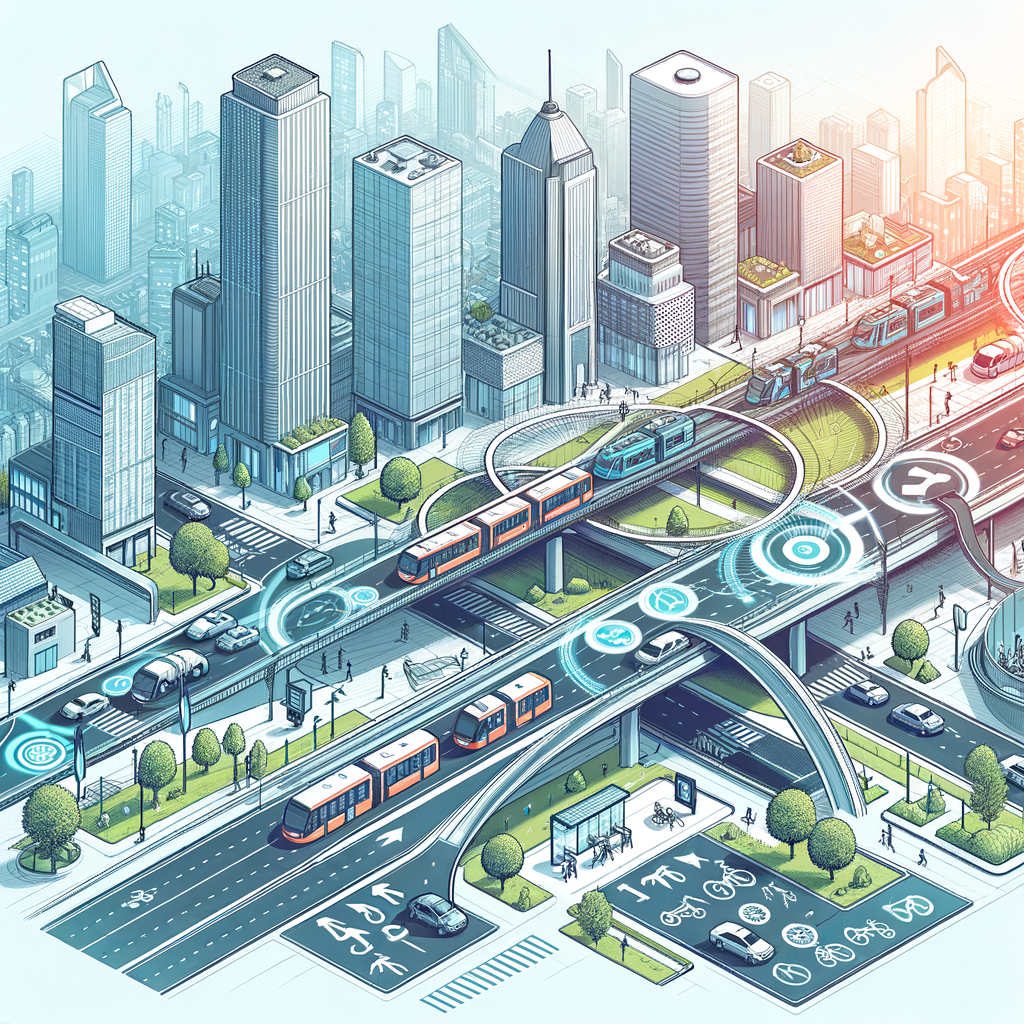
The effective management of environmental pollution requires both robust policy-making and community engagement. The sustainability efforts in Copenhagen offer a model example. Through implementing comprehensive public transportation systems, promoting cycling, and investing in clean energy, the city has significantly reduced its carbon footprint. Initiatives like urban monitoring systems can facilitate immediate response to pollution spikes, safeguarding public health.
- Encourage the use of public transport over private vehicles to lower emissions.
- Innovate in cleaner technology applications across industries.
- Implement strict pollution control policies to maintain acceptable air and water quality standards.
- Promote green infrastructure such as parks and rooftops gardens to improve urban ecology and health.
Non-Communicable Diseases: A Growing Urban Concern
Non-communicable diseases (NCDs), such as diabetes, hypertension, and heart disease, represent a rising challenge in urban health settings. In cities, lifestyle factors like sedentary behaviors, unhealthy eating habits, and limited physical activity are prevalent, contributing to an increase in these conditions. The case of Mumbai demonstrates how urbanization can correlate with elevated cases of hypertension and diabetes, driven by lifestyle changes and stress.
A holistic approach is necessary to combat NCDs effectively. Initiatives throughout Madrid have shown promise by integrating health considerations into urban planning—a concept known as ‘healthy urban planning.’ This planning includes measures such as more parks and bike paths, health-oriented educational programs, and policies ensuring access to nutritious food options, thus encouraging healthier lifestyles.
To further address this public health challenge, cities might implement educational campaigns that advocate regular exercise, balanced diets, and routine health assessments. Encouraging community involvement and fostering partnerships with private sectors can also significantly improve urban health outcomes.
Technological Innovations in Urban Health
Technological innovations are increasingly transforming the landscape of urban public health, offering novel means to tackle emergent challenges. From data analytics and mobile apps for health monitoring to telemedicine services, technology enhances health care delivery and access, especially in densely populated areas. For instance, the use of health apps has burgeoned in cities like San Francisco, where digital health services cater to a tech-savvy demographic.
The use of big data analytics allows health departments to monitor health trends in real-time, identify potential outbreaks, and allocate resources more efficiently. Blockchain technology, although still emerging, presents possibilities in health data management and patient security. Automated systems in hospitals and clinics not only streamline operations but also improve patient outcomes through accurate and timely interventions. The integration of AI in diagnostics represents another leap forward, driving efficiency further while managing urban public health threats effectively.
Governments and health organizations should harness these technological advancements by funding research and partnering with tech companies to develop urban-centric health solutions. Ensuring equity in access to these technologies would be paramount to realizing their full potential and improving public health in urban centers.
Key Takeaways and Next Steps
Urban public health faces an array of emerging threats, from infectious disease outbreaks to mental health challenges, pollution, and the rising burden of non-communicable diseases. Addressing these issues requires a multi-faceted approach, integrating technology, policy innovation, community involvement, and intersectoral collaboration. The key takeaway for city planners, public health officials, and community leaders is to recognize the complex interplay of these factors and to design interventions that are proactive, inclusive, and equitable.
A healthy city is not an unattainable dream, but a realizable goal through commitment and continuous effort. Individuals and institutions alike must stay informed, engaged, and proactive in the pursuit of healthier urban environments. The next crucial step involves advocating for policy changes, participating in community health initiatives, and embracing the role each one plays in maintaining and improving public health. Cities have the potential to evolve into healthier, more livable spaces, ensuring resilience against emerging threats through concerted efforts.
Your actions today can lead the charge in this transformation, augmenting a healthier, safer future for urban communities worldwide. As global leaders and local citizens work in tandem towards bolstering urban public health, together, we can navigate and overcome the complexities of inhabiting urban landscapes.
Frequently Asked Questions
1. What is urban public health and why is it important?
Urban public health is an essential field of study and practice that aims to address the unique health challenges faced by people living in cities. This discipline is critical because urban environments, characterized by high-density populations, present distinct challenges that differ from rural or less densely populated areas. In cities, we often encounter issues such as air pollution, overcrowding, limited access to green spaces, high levels of noise pollution, and increased stress levels due to the fast-paced urban lifestyle. Additionally, the public health infrastructure in urban areas can be strained by the sheer number of people relying on it. Addressing these issues is vital for ensuring the health and well-being of city dwellers, who make up a growing percentage of the global population. Urban public health initiatives aim to improve living conditions, reduce the burden of disease, and promote health equity among diverse urban populations.
2. What are some emerging health threats in urban settings?
Emerging health threats in urban settings are diverse and constantly evolving due to factors such as globalization, climate change, and technological advancements. A prominent concern is the rise of non-communicable diseases (NCDs) like obesity, diabetes, and cardiovascular diseases, exacerbated by sedentary lifestyles and unhealthy diets prevalent in city life. Another significant threat is the increased risk of infectious diseases spreading quickly through dense populations, as seen with recent outbreaks like COVID-19. Urban areas are also confronting mental health challenges, as high-stress environments and social isolation contribute to rising rates of anxiety and depression. Climate change compounds these issues, with urban heat islands exacerbating extreme weather events and air pollution, leading to respiratory illnesses. Addressing these emerging threats requires innovative policies, community engagement, and cross-sector collaborations.
3. How do public health officials manage health issues in urban areas?
Public health officials employ a variety of strategies to manage health issues in urban areas, each tailored to the specific challenges a city faces. One key approach is the development and implementation of policies that promote healthy living environments, such as improving air quality standards, enhancing public transportation, and creating pedestrian-friendly spaces. Officials also focus on disease prevention and health promotion through education and awareness campaigns, ensuring that residents are informed about health risks and preventative measures. Integrating healthcare services in urban planning is another crucial strategy, including building hospitals and clinics in underserved neighborhoods and making these services affordable and accessible. Technology plays a pivotal role as well, with data analytics and digital health platforms being utilized to monitor health trends, track outbreaks, and disseminate information swiftly. Additionally, fostering community partnerships is vital, as these collaborations allow for grassroots efforts and tailored interventions that address specific local needs.
4. What role do social determinants of health play in urban public health?
Social determinants of health play a significant role in urban public health, as they encompass the conditions in which people are born, live, work, and play. These determinants include factors like income, education, employment, social support, and access to healthcare, and they profoundly influence individual and community health outcomes. In urban settings, disparities in these determinants can lead to stark health inequalities. For instance, low-income communities may face challenges such as inadequate housing, limited access to nutritious food, and poor healthcare infrastructure, contributing to worse health outcomes compared to more affluent areas. Addressing these social determinants is crucial for promoting health equity and ensuring that all city residents have the opportunity to lead healthy lives. This involves advocating for policies that improve education, housing, and economic opportunities, as well as ensuring equitable access to healthcare and social services.
5. How can communities become more resilient to health threats in urban environments?
Communities can enhance their resilience to health threats in urban environments by fostering robust social networks and engaging in proactive planning. Building strong community relationships creates support systems that are vital during emergencies, helping residents to rely on one another for information, resources, and assistance. Community-based organizations can play a key role in educating residents about potential health threats and coordinating response efforts. Moreover, involving communities in urban planning and decision-making processes ensures that their needs and perspectives are considered, leading to more effective and sustainable solutions. Preparedness initiatives, such as training local leaders and volunteers in emergency response or conducting drills, also bolster resilience. Additionally, investment in infrastructure that supports health—such as green spaces, clean energy solutions, and improved public transportation—can mitigate the impact of urban health threats. Together, these efforts contribute to building urban environments that are not only healthier but also better equipped to withstand and adapt to emerging challenges.