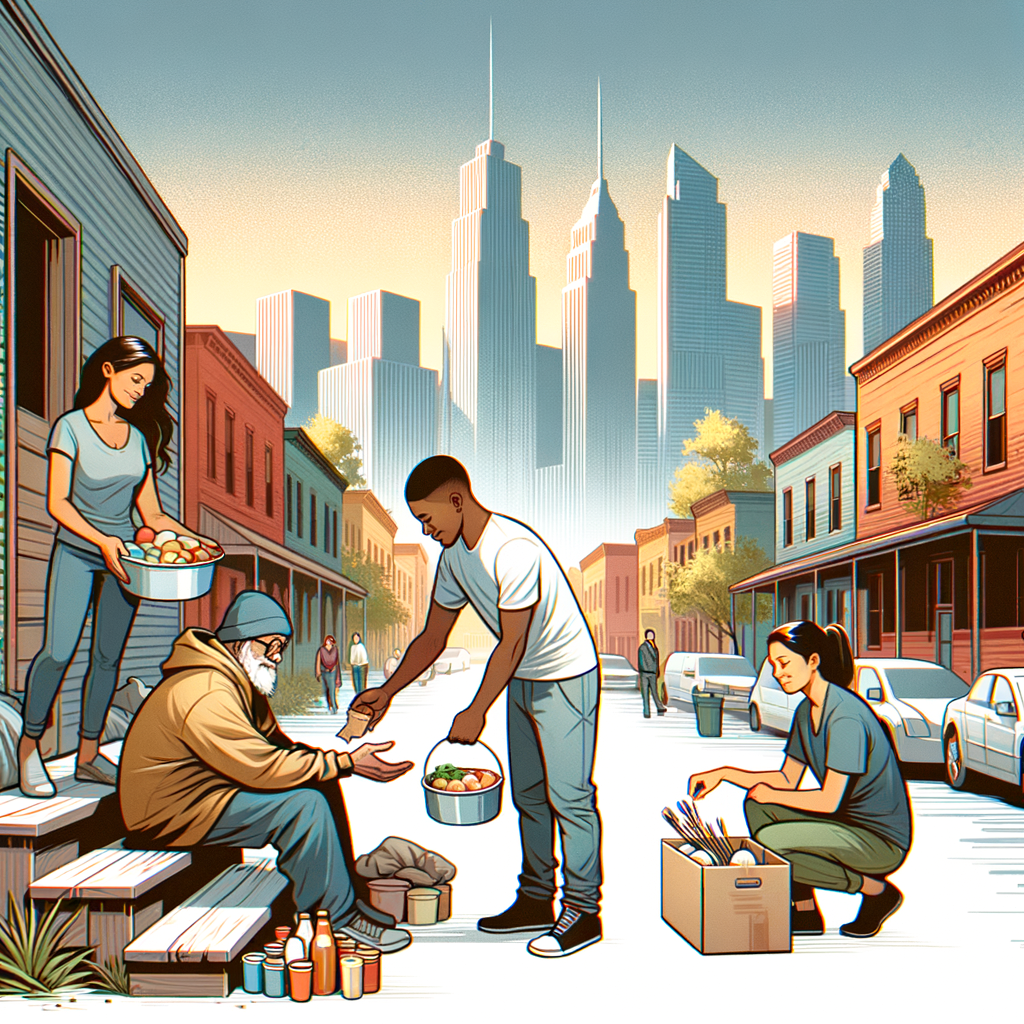
In today’s rapidly urbanizing world, the divide between those who have access to quality health resources and those who do not is widening. Urban health inequities refer to the systematic differences in health status and healthcare that negatively impact people in urban settings, often based on socio-economic status, ethnicity, or geographical location. Understanding these disparities and addressing them is crucial not only for the individuals affected but also for the broader society. Healthy populations are more productive and contribute to a stable economy and social structure. Ignoring urban health inequities equates to neglecting a community’s well-being, leading to long-term social and economic consequences. Addressing these disparities heads-on is a matter of justice, public health, and societal stability.
Socioeconomic Status and Health Disparities
The link between socioeconomic status (SES) and health outcomes is one of the most significant drivers of urban health disparities. SES encompasses several factors, including income, education, and occupation, all of which can affect an individual’s ability to access healthcare and maintain a healthy lifestyle. Research shows that individuals with lower SES often experience higher rates of chronic diseases such as hypertension and diabetes, largely due to a lack of access to necessary healthcare services and healthy food options.
For example, in cities like New York and San Francisco, residents of low-income neighborhoods have a significantly higher prevalence of diet-related issues compared to those residing in wealthier districts. The scarcity of affordable, healthy food options, sometimes referred to as “food deserts,” exacerbates these disparities, perpetuating a cycle of poor nutrition and poor health.
Impact of Environmental Factors on Urban Health
Environmental factors such as pollution, housing quality, and exposure to toxins also play a critical role in urban health inequities. People living in industrial zones or areas with heavy traffic often face high levels of air pollution, which can lead to respiratory problems and other serious health issues. Low-income neighborhoods are more likely to be situated near polluting industries or major highways, making the residents more vulnerable to adverse environmental conditions.
One notable example is Flint, Michigan, where the contamination of water supplies exposed thousands of residents to dangerous levels of lead, causing a public health crisis that underscored the intersection of environmental justice and health. The people affected were primarily from low-income backgrounds, demonstrating that environmental health hazards disproportionately affect marginalized communities.
Access to Healthcare Services
Access to healthcare services is a fundamental component of equitable health outcomes. However, urban areas often suffer from uneven distribution of healthcare resources, leaving some communities underserved. This inequity is magnified for marginalized groups, including racial minorities, recent immigrants, and non-English speakers who may face additional barriers such as discrimination, language difficulties, and unfamiliarity with the healthcare system.
A glaring example is the discrepancies found in maternal health services between urban neighborhoods. Studies have shown that Black women, irrespective of their income or educational level, face significantly higher maternal mortality rates compared to their white counterparts. This disparity points towards systemic issues within healthcare access and delivery, where minority groups receive lower quality prenatal and maternal care.
- Examples of Healthcare Delivery Disparities:
- Limited clinic hours making healthcare inaccessible to working families
- Lack of transportation to health centers causing delays in receiving care
- Shortage of linguistically competent healthcare providers for non-English speakers
Gentrification and its Health Implications
Gentrification, the transformation of a neighborhood through the influx of more affluent residents, can lead to various health inequities. While it can bring improvements in infrastructure and services, it often displaces long-standing residents who can no longer afford the rising cost of living. This displacement can lead to stress and a loss of social networks, which are essential for maintaining emotional and physical health.
In Seattle, the Central District, traditionally home to a vibrant African American community, has seen a rapid demographic shift due to gentrification. As housing costs soar, original residents are forced to relocate to less desirable areas with fewer resources and community connections, exacerbating anxiety and social isolation, which are known to have detrimental effects on health.
Policy and Community Interventions
To effectively tackle urban health inequities, a multifaceted approach involving both policy and community interventions is necessary. Policies aimed at improving urban health equity must focus on reducing barriers to access, improving living conditions, and investing in community health programs.
Community interventions, on the other hand, can be tailored to meet the specific needs of urban populations. By fostering community engagement and empowering residents to take charge of their health, interventions can help dismantle barriers to health equity. Programs like community gardens provide healthier food options in food deserts and promote community involvement and social cohesion.
| Policy Initiative | Community Benefit |
|---|---|
| Increased funding for public health clinics | Expanded access to essential healthcare services |
| Development of affordable housing projects | Reduced risk of displacement and homelessness |
| Implementation of green spaces in urban design | Improved mental and physical health outcomes |
Technological Innovations and Urban Health
Advancements in technology offer promising solutions to address urban health inequities. Telemedicine, for example, can bridge the gap in healthcare access by connecting patients with healthcare providers remotely. This is especially beneficial for individuals living in underserved areas who struggle to reach healthcare facilities.
Mobile health apps can help monitor and manage chronic conditions by providing real-time health data to both patients and healthcare providers. These technological interventions, however, need to be made accessible to all, including those who may not have regular internet access or who are not digitally literate. Hence, investments must also be made in digital literacy and infrastructure development in marginalized communities to ensure that these technological innovations are beneficial to all layers of society.
Conclusion: Moving Forward Towards Health Equity
Urban health inequities represent a significant public health challenge that requires a comprehensive approach to resolve. Understanding the root causes—socioeconomic disparities, environmental factors, access to resources, and systemic discrimination—is essential in implementing effective interventions. Through robust policy measures, community engagement, and leveraging technological advancements, it is possible to address these inequities and promote a future where health equity is not just an aspiration but a reality.
The path forward involves collective responsibility, with policymakers, healthcare providers, and community members all playing crucial roles. By acknowledging urban health disparities and taking proactive steps, there is an opportunity to create healthier urban environments where everyone has the chance to thrive. It’s time to act decisively to ensure that every individual, irrespective of their economic or social standing, has access to the healthcare they deserve.
If you are a concerned citizen, policymaker, or healthcare professional, consider ways you can contribute to addressing urban health inequities in your community. Whether through advocacy for better policies, supporting local health initiatives, or educating others about health disparities, your role is crucial. Real change begins with informed individuals committed to a healthier, more equitable society.
Encourage conversations and take active steps to support populations affected by urban health disparities. Together, we can make strides towards a future of health equity for all.
Frequently Asked Questions
1. What are urban health inequities, and why should we be concerned about them?
Urban health inequities are the observable and often measurable differences in health outcomes and access to healthcare services among people living in urban areas. These disparities are not random but are systematic and deeply rooted in factors like socio-economic status, race or ethnicity, and geographical location within the city. For example, individuals living in poverty-stricken neighborhoods might face higher exposure to pollutants, have limited access to nutritious foods, and lack quality healthcare facilities.
We should be concerned about urban health inequities because they affect the well-being and livelihoods of a substantial population segment. These inequities lead to poorer health outcomes like higher rates of chronic diseases, mental health issues, and overall lower life expectancy in marginalized groups. Furthermore, they put a strain on public health systems and contribute to a cycle of poverty and poor health that can perpetuate across generations. Addressing urban health inequities isn’t just about ensuring fair healthcare but also about fostering a more productive, equitable, and sustainable urban society.
2. How do socio-economic factors contribute to health inequities in urban areas?
Socio-economic factors are a major driver of health inequities in urban settings. People with lower incomes often live in areas with fewer resources, such as schools, parks, and recreational facilities that promote healthy living. Economic constraints limit access to nutritious food, affordable housing, and transportation, further aggravating health outcomes.
Moreover, socio-economic status affects exposure to health hazards. Lower-income neighborhoods often have higher levels of air and noise pollution, insufficient sanitation, and higher crime rates, all of which have detrimental effects on health. Socio-economic disparities also influence stress levels, which are linked to various health problems, including cardiovascular diseases and mental health issues.
The higher stress and limited resources faced by disadvantaged groups create barriers to accessing healthcare services. This includes facing difficulties in affording preventative care, medication, and having to wait longer for necessary treatments, all of which contribute to poorer health outcomes.
3. Can urban planning play a role in reducing health inequities, and if so, how?
Yes, urban planning can significantly influence the reduction of health inequities. Thoughtful urban planning strives to create inclusive, accessible environments that foster good health and well-being for all residents. Urban planners can design cities to ensure that all neighborhoods have access to essential services such as schools, healthcare facilities, clean parks, and green spaces that encourage physical activity and relaxation.
By integrating public transportation systems that are accessible and affordable, urban planning can help overcome geographical barriers and enhance mobility for economically disadvantaged populations. Mixed-use development strategies can also ensure that residential areas have nearby access to grocery stores with healthy food options, reducing food deserts.
Moreover, urban planning that aims to improve housing quality and reduce environmental hazards like air pollution and unsafe drinking water can protect vulnerable populations from health risks. Implementing policies that ensure equitable access to infrastructure, amenities, and resources can go a long way in decreasing health disparities in urban areas.
4. What role does ethnicity play in urban health inequities, and how is it addressed?
Ethnicity intersects with socio-economic factors to further compound urban health inequities. Ethnic minority groups frequently encounter systemic discrimination and biases, which affect their access to healthcare and other services. They are often concentrated in underserved urban neighborhoods, which amplifies existing health disparities.
Cultural and linguistic barriers can also impede effective communication between healthcare providers and ethnic minority patients. This often leads to misunderstandings, misdiagnoses, and a lower likelihood of receiving routine preventive care. Bias and discrimination in healthcare settings can deter individuals from seeking care, resulting in delayed or insufficient treatment.
Addressing these inequities involves implementing culturally competent healthcare practices that respect and accommodate diverse cultural perspectives. Training healthcare providers on cultural sensitivity and eliminating bias can help improve the quality of care for ethnic minority groups. Additionally, community health programs that involve ethnic communities in planning and implementation can ensure that interventions are relevant and effective.
5. What are some effective strategies for policymakers to address urban health inequities?
Policymakers have several strategies at their disposal to address urban health inequities. A three-pronged approach that incorporates policy changes, community engagement, and cross-sector collaboration can be particularly effective.
Policy changes should focus on improving social determinants of health. This includes investing in affordable housing, enhancing education and employment opportunities, and ensuring equitable access to healthcare services. Policies that address systemic racism and discrimination are also critical in minimizing ethnic and racial health disparities.
Community engagement is essential in creating interventions that resonate with affected populations. Policymakers should work closely with community leaders and organizations to understand unique challenges and develop targeted strategies that build on local strengths and resources. Programs that empower communities to voice their concerns and participate in decision-making processes lead to more sustainable outcomes.
Finally, cross-sector collaboration can leverage resources and expertise from various industries to tackle complex health inequities. Collaborative efforts among the health sector, urban planning, social services, and education can create comprehensive solutions that address the root causes of health disparities and improve the overall health of urban populations.