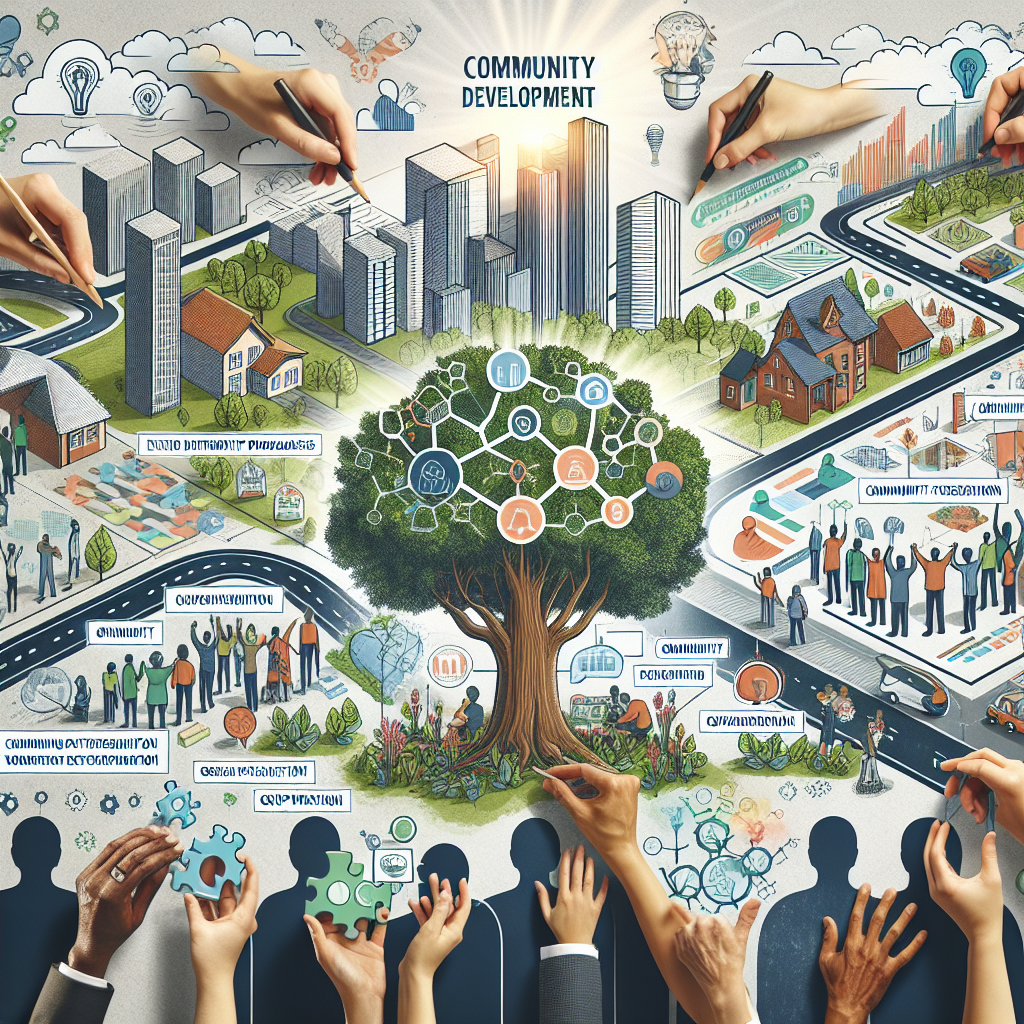
Community development is a strategic approach focused on empowering individuals and communities to improve their quality of life. At its core, it emphasizes the importance of collaboration among community members, organizations, and governments to achieve sustainable growth and positive change. One of the critical components of successful community development is transportation access, which ensures that all members of a community can connect to resources, opportunities, and each other. Access to transportation impacts not just mobility, but also economic prosperity, social equity, health outcomes, and environmental sustainability.
Transportation access is more than just having roads or public transit systems; it is about creating a network that is efficient, inclusive, and adaptable to meet the needs of diverse populations. Why does this matter? Communities with robust transportation options tend to exhibit stronger economic vitality, improved quality of life, and higher levels of community engagement. On the other hand, communities that lack comprehensive transportation access often face isolation, reduced economic opportunities, and hindered growth. For organizations like HomeSIght.org, understanding the relationship between community development and transportation access is crucial for fostering inclusive urban planning and creating vibrant, livable communities.
The Role of Public Transit in Community Development
Public transit systems such as buses, subways, and commuter trains are fundamental elements of community infrastructure. These systems provide affordable and efficient mobility solutions that connect people to jobs, education, healthcare, and recreational opportunities. An exemplary real-world example is the city of Portland, Oregon, which has invested heavily in expanding its light rail and bus networks to cover more neighborhoods. This expansion not only provides residents with an essential service but also attracts businesses and spurs economic growth in previously underserved areas.
With public transit boosting accessibility, communities can reduce their reliance on personal vehicles, leading to decreased traffic congestion and lowered emissions. Moreover, public transit promotes social equity by serving all demographic groups, including those who may not own cars or cannot drive, such as the elderly and low-income individuals. By prioritizing public transit in urban planning, cities contribute to sustainable community development, making them more attractive to residents and investors alike.
Impact of Active Transportation Options
Active transportation refers to modes of travel that involve physical activity, such as walking and biking. These options are instrumental in creating cohesive communities by encouraging interaction and engagement among residents. Take the example of Amsterdam, where cycling is deeply embedded into the lifestyle. The city’s extensive network of bike paths and pedestrian-friendly streets has transformed Amsterdam into a vibrant community with strong local economies and active citizen participation.
Implementing infrastructure for active transportation not only enhances community vibrancy but also offers significant health benefits. Encouraging walking and biking helps combat obesity and related health issues, leading to healthier populations and reduced healthcare costs. Furthermore, active transportation infrastructures tend to increase property values by making areas more appealing to potential homebuyers. By investing in sidewalks, bike lanes, and pedestrian-friendly urban design, cities can make substantial strides in holistic community development.
Transportation Access and Economic Development
Access to efficient transportation networks is a powerful driver of economic development. A well-connected transportation system facilitates commerce, attracts businesses, and increases the competitiveness of a region. Silicon Valley in California provides a pertinent example. The presence of a sophisticated network of highways, commuter trains, and shuttle services enhances the region’s connectivity, supporting a thriving tech industry by easily transporting workers and goods.
In addition to enabling economic growth, transportation networks also expand employment opportunities, as they provide residents with access to a broader range of job markets. Efficient transportation ensures that businesses can draw upon a more diverse labor pool and enables employees to seek education and training beyond their immediate locality. By investing in robust transportation infrastructure, communities position themselves as desirable locations for businesses and skilled workers, thus reinforcing the economic foundation necessary for sustained community development.
Transportation and Social Equity
Transportation access is intrinsically linked to social equity. An equitable transportation system ensures that all members of a community, regardless of socioeconomic status, have fair access to essential services and opportunities. Unfortunately, disparities in transportation access can exacerbate existing social inequalities. For instance, many low-income and minority communities in urban areas face significant transportation challenges, such as poor transit service and limited pedestrian infrastructure.
Addressing these challenges is vital for fostering social inclusion and community cohesion. Cities can use strategies such as fare subsidies, expanded transit routes, and improved infrastructure in underserved areas. The city of Seattle, Washington, illustrates a proactive approach to achieving social equity in transportation. By implementing its “Transportation Equity Program,” Seattle has sought to reduce barriers to transit, increase connectivity, and ensure fair access to transportation services for all residents.
| City | Transportation Initiative | Impact |
|---|---|---|
| Portland, Oregon | Light Rail Expansion | Economic Growth, Reduced Emissions |
| Amsterdam, Netherlands | Bicycle Infrastructure | Healthier Population, Increased Property Values |
| Silicon Valley, California | Comprehensive Transit Networks | Thriving Tech Industry |
| Seattle, Washington | Transportation Equity Program | Increased Accessibility, Social Inclusion |
The Environmental Impact of Transportation
Transportation systems significantly affect the environment, impacting air quality, greenhouse gas emissions, and overall sustainability. Transitioning to more sustainable transportation options is crucial for reducing the environmental footprint of communities. For example, cities such as Copenhagen have implemented policies aimed at decreasing car usage in favor of greener alternatives like cycling and public transit.
The environmental benefits of improved transportation access are multifaceted. By reducing the number of individual car journeys and promoting public transit, communities can lower carbon emissions and improve air quality. Moreover, initiatives that encourage electric vehicle usage and support the expansion of renewable energy for transportation further enhance environmental sustainability. Minimizing the ecological impact of transportation is a critical aspect of creating communities that are resilient, sustainable, and forward-thinking.
Collaborative Approaches to Transportation Planning
Effective transportation planning requires collaboration between various stakeholders, including government entities, private organizations, and community members. By engaging these groups in a participatory process, cities can develop transportation solutions that are responsive to the needs of diverse populations. A successful example of this approach is found in Curitiba, Brazil, renowned for its innovative bus rapid transit (BRT) system, which has become a model for urban planners worldwide.
Curitiba’s BRT system was developed through a collaborative approach, involving input from residents and planners, resulting in a highly efficient transit system that serves as a backbone for the city’s development. Collaborative planning processes ensure that transportation solutions are equitable, sustainable, and aligned with community aspirations, thus supporting broader goals of community development.
Conclusion: Enhancing Community Development through Transportation
In conclusion, transportation access plays a pivotal role in shaping community development. As community planners, policymakers, and residents work towards building more connected, equitable, and sustainable communities, leveraging transportation as a catalyst is essential. Key takeaways include the importance of public transit systems in enhancing mobility, the role of active transportation in promoting health and vibrancy, and the necessity of equitable transportation solutions in fostering social inclusion.
Transportation’s influence extends beyond mobility, impacting economic growth, social equity, and environmental sustainability. By prioritizing transportation planning and investment, communities can unlock new opportunities for development, strengthen local economies, and improve quality of life for all residents.
For readers seeking to champion these efforts, an actionable next step is to engage with local planning initiatives or community groups focused on transportation issues. Participating in public discussions, advocating for equitable and sustainable transportation solutions, and staying informed about local developments are meaningful ways to contribute to the betterment of your community. Together, we can create a stronger, more interconnected future that benefits everyone.
Frequently Asked Questions
1. What is community development, and why is transportation access important for it?
Community development is an intentional, strategic process that aims to empower individuals and communities, allowing them to address and improve their quality of life. By focusing on collaboration, it involves community members, organizations, and governments working together for sustainable growth and positive change. Transportation access plays a vital role in this process because it ensures that every community member can connect with essential resources, opportunities, and each other.
When people can easily travel to work, school, healthcare facilities, and social services, they are better equipped to participate in economic and social activities. Transportation access is critical for reducing isolation, promoting inclusivity, and supporting vibrant, dynamic communities. It’s about more than just having roads and buses; it’s about creating a network that connects everyone, regardless of geographic or socio-economic barriers.
2. How does improved transportation access benefit economic development in a community?
Improved transportation access is a catalyst for economic development within communities. When transportation networks are efficient and expansive, they enable businesses to expand their reach, connect with broader markets, and attract a larger customer base. This enhanced access allows local businesses to thrive by reducing transportation costs and improving access to goods and labor.
Moreover, a well-developed transportation infrastructure attracts new businesses and investors. Companies often seek locations with robust transportation systems because they know it will facilitate logistics and offer employees greater commuting options. This influx of businesses brings job opportunities, boosting local employment and increasing the community’s overall economic activity. The economic ripple effect can lead to improved infrastructure, better public services, and increased investment in community projects, perpetuating a cycle of sustainable economic growth.
3. What strategies can communities use to improve transportation access?
Improving transportation access involves a combination of strategic planning, infrastructure development, and policy-making. Communities can adopt several strategies to enhance transportation access:
1. Comprehensive Planning: Develop long-term transportation plans that address current needs and anticipate future growth. These plans should involve input from various stakeholders, including residents, businesses, and local officials.
2. Public Transit Expansion: Invest in expanding and enhancing public transportation options like buses, trains, and ride-sharing services. Make schedules frequent and routes accessible to connect underserved areas with key destinations.
3. Multi-Modal Networks: Encourage the development of a multi-modal transport network that integrates different modes of transportation, such as biking paths, pedestrian-friendly walkways, and public transit, to improve connectivity.
4. Mobility Services: Implement on-demand services and shared mobility solutions like bike-sharing or ride-hailing to address last-mile connectivity issues and provide flexible options for transport.
5. Infrastructure Investment: Allocate resources towards building and maintaining roads, bridges, and other transport infrastructure to ensure they meet safety standards and accommodate growing usage.
Through these strategies, communities can build transportation systems that are inclusive, efficient, and capable of supporting long-term development goals.
4. How does transportation access impact social equity and inclusion in communities?
Transportation access has profound implications for social equity and inclusion, serving as a bridge or barrier to opportunity. In an equitable community, transportation systems are designed to serve everyone, regardless of their socio-economic status, geographic location, or physical ability. By improving transportation access, communities can address systemic inequities and foster greater inclusion.
When transportation is accessible, affordable, and reliable, it levels the playing field, providing all individuals with the means to access essential services such as education, employment, healthcare, and social activities. It reduces barriers for low-income populations, people with disabilities, the elderly, and those living in rural or underserved areas, empowering them to fully participate in community life.
Access to transportation can diminish geographic disparities by linking isolated areas to economic centers, thereby enhancing social mobility. Moreover, inclusive transportation systems can promote a sense of community by facilitating interactions and collaborations across diverse groups, strengthening social ties and collective identity. This interconnectedness is fundamental to creating resilient, inclusive communities where everyone can thrive and contribute.
5. What challenges do communities face in developing equitable transportation access, and how can they overcome them?
Developing equitable transportation access often involves overcoming a variety of challenges, including financial constraints, policy barriers, and geographic obstacles. Here are some of the primary challenges and ways communities can address them:
1. Funding Limitations: Limited budget allocations may restrict the development and maintenance of transportation infrastructure. To overcome this, communities can seek partnerships with state and federal governments, apply for grants, and explore public-private partnerships to secure additional funding sources.
2. Policy and Planning Barriers: Policies that do not prioritize transportation equity can create hurdles. Advocacy for inclusive policies, community engagement, and participatory planning processes can address these barriers, ensuring plans reflect diverse community needs.
3. Geographic and Demographic Challenges: Rural and remote areas often face unique logistical issues due to lower population densities. Implementing context-specific solutions, like demand-responsive transport services and enhancing digital connectivity to support remote access to services, can mitigate these challenges.
4. Resistance to Change: Existing systems and practices may be resistant to change. Building public awareness about the benefits of equitable transportation and involving community members in decision-making can foster acceptance and support for new initiatives.
By recognizing these challenges and actively working to address them through innovative solutions, communities can create transportation systems that are equitable, sustainable, and capable of supporting broader community development goals.