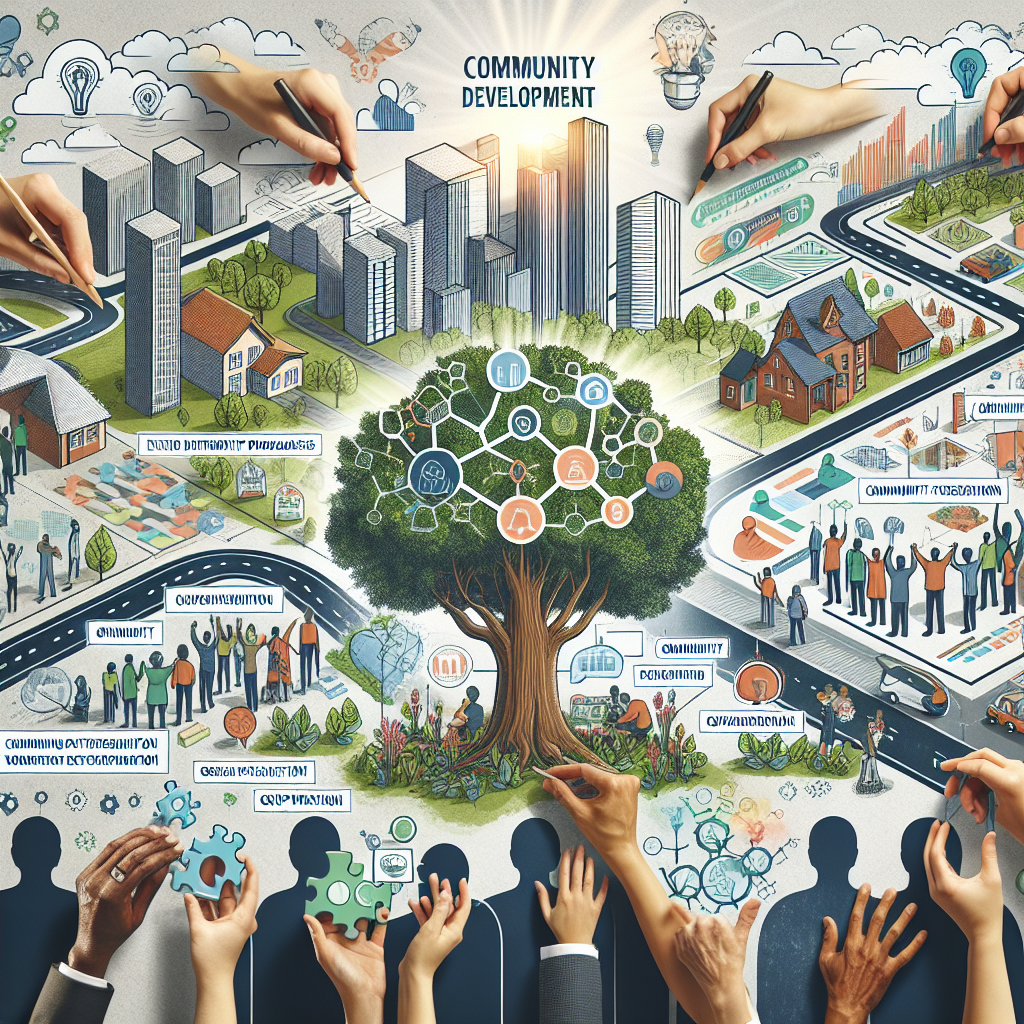
Community development plays a pivotal role in shaping thriving urban and rural environments. It encompasses a broad range of activities aimed at improving the quality of life for residents by addressing social, economic, and environmental issues. One of the most pressing challenges within community development is homelessness prevention. Addressing homelessness requires a multifaceted approach that includes affordable housing, economic opportunities, mental health services, and community support systems.
Homelessness is a complex issue influenced by various factors such as economic instability, lack of affordable housing, mental health issues, substance abuse, and social disconnection. According to recent statistics, over half a million people experience homelessness in the United States on any given night. These numbers illuminate the urgency of effective community development strategies geared toward homelessness prevention.
In this article, we will delve deep into the relationship between community development and homelessness prevention. We will explore the essential components of successful community development, highlight some exemplary case studies, and discuss actionable measures that can be undertaken at the local level. By understanding and implementing these strategies, communities can work towards a more inclusive and supportive environment where homelessness is significantly reduced, and residents have the opportunity to thrive.
Affordable Housing: The Cornerstone of Prevention
Affordable housing stands at the forefront of homelessness prevention efforts. Lack of affordable housing is one of the primary drivers of homelessness, particularly in urban areas where housing costs continue to soar. To mitigate this, community development initiatives must prioritize creating and sustaining affordable housing solutions.
There are several models of affordable housing that communities can adopt. One effective approach is the development of mixed-income housing. This model ensures that housing is available for people across various income levels, fostering an inclusive community fabric. Moreover, governments and non-profits can collaborate to provide subsidies and incentives for developers to include affordable units in new and existing developments.
Innovative solutions such as modular housing and tiny homes are also gaining traction as cost-effective alternatives to traditional housing. By utilizing these methods, communities can quickly scale up their affordable housing stock and provide immediate relief to those at risk of homelessness.
In addition to creating affordable housing units, it’s crucial to ensure that they are well integrated into the community with access to essential amenities like transportation, healthcare, education, and employment opportunities. This holistic approach not only houses individuals but also supports their overall well-being and stability.

Employment and Economic Opportunities
A stable income is vital for sustaining housing and preventing homelessness. Community development strategies should, therefore, focus on creating employment and economic opportunities for residents. Local governments can collaborate with businesses, educational institutions, and non-profits to build a robust economic infrastructure that offers inclusive opportunities for all.
Job training and skills development programs are essential components of this effort. Communities can establish training centers that provide residents with the skills needed to secure well-paying jobs in growing industries. Furthermore, initiatives aimed at supporting entrepreneurship can empower residents to create their own economic opportunities and contribute to local economic growth.
Economic development also encompasses the creation of a business-friendly environment that attracts investment and fosters job creation. This can be achieved through incentives such as tax breaks and grants for businesses that commit to hiring local residents, including those who have experienced homelessness.
Support services, such as childcare and transportation assistance, are critical in enabling individuals to participate in the workforce. By addressing these barriers, communities can ensure that residents have the support they need to maintain stable employment and housing.
Mental Health and Substance Abuse Services
Mental health issues and substance abuse are significant factors contributing to homelessness. Addressing these issues through comprehensive community health strategies is essential for homelessness prevention.
Communities should ensure the availability of accessible mental health and substance abuse services. This includes establishing local mental health clinics, providing outpatient and inpatient treatment options, and offering support groups. Integrating these services within the community reduces the stigma associated with seeking help and encourages early intervention.
Mobile outreach teams can play a crucial role in reaching individuals who are homeless or at risk of homelessness. These teams can provide immediate support, connect individuals with available resources, and help them navigate the healthcare system.
Partnerships between healthcare providers, non-profits, and local governments are instrumental in creating a comprehensive support network. By aligning their efforts, these entities can offer a continuum of care that addresses both the immediate and long-term needs of individuals dealing with mental health and substance abuse issues.
Community Support and Social Connection
Strong community ties can be a powerful force in homelessness prevention. Social connections provide emotional support, increase opportunities for economic advancement, and enhance overall well-being.
Community-building activities, such as neighborhood events, volunteer programs, and local clubs, can foster a sense of belonging and support. These activities encourage residents to forge relationships with one another, creating a supportive network that can intervene in times of crisis.
Mentorship programs can also be beneficial, especially for vulnerable populations such as youth and those transitioning out of homelessness. By pairing individuals with mentors who can provide guidance, support, and resources, communities can help them navigate challenges and achieve stability.
Faith-based organizations, local non-profits, and community groups often have deep-rooted connections within the community. Collaborating with these organizations can enhance outreach efforts and provide a robust support system for individuals at risk of homelessness.
Policy and Advocacy
Effective policy and advocacy are crucial components of homelessness prevention. By influencing legislation and policies at the local, state, and federal levels, communities can enact systemic changes that support affordable housing, economic opportunities, and comprehensive social services.
Advocacy efforts can focus on securing funding for affordable housing projects, expanding mental health and substance abuse services, and implementing inclusive economic policies. Community members, organizations, and local officials can work together to raise awareness about homelessness issues and push for legislative action.
Engaging with policymakers through public forums, meetings, and advocacy campaigns is essential for ensuring that the voices of those affected by homelessness are heard. By building coalitions and leveraging public support, communities can influence policies that create lasting change.
Additionally, comprehensive data collection and research can inform policy decisions and highlight the effectiveness of various interventions. By continuously evaluating and refining their approaches, communities can adopt best practices and ensure that their efforts are impactful.
Conclusion
Community development and homelessness prevention are intrinsically linked, as vibrant and supportive communities provide the foundation for individuals to thrive. By focusing on affordable housing, economic opportunities, mental health services, community support, and effective policy and advocacy, communities can develop comprehensive strategies to prevent homelessness and support their residents.
Addressing homelessness requires a coordinated effort from multiple stakeholders, including local governments, non-profits, businesses, and community members. Through collaboration and a shared commitment to creating inclusive and supportive environments, communities can make significant progress in reducing homelessness.
The path to preventing homelessness is complex, but with targeted strategies and a holistic approach, communities can create a safety net that ensures no one is left behind. By prioritizing the needs of the most vulnerable and fostering a culture of care and support, we can build stronger, more resilient communities that offer opportunities for all residents to succeed.
In the end, the true measure of a community’s success is not just in its economic prosperity but in its ability to care for its most vulnerable members. By investing in community development and taking proactive measures to prevent homelessness, we can create a more just and equitable society for current and future generations.