In today’s rapidly urbanizing world, transportation plays a crucial role in shaping the structure and functionality of urban environments. Urban transportation refers to the collection of systems and services, such as buses, trains, and pedestrian pathways, that facilitate movement within cities. Understanding the intricacies of urban transportation is essential for promoting social equity, which means fair and just access to resources and opportunities for all individuals, regardless of their socioeconomic status. This connection between transportation and social equity matters significantly because it influences economic opportunities, access to education, healthcare, and overall quality of life. Failure to address transportation inequities can exacerbate social inequalities, confining marginalized groups to ongoing cycles of poverty and limited opportunity. Ultimately, examining the intersection of urban transportation and social equity is critical to fostering inclusive and sustainable cities.
Public Transit Accessibility and Affordability
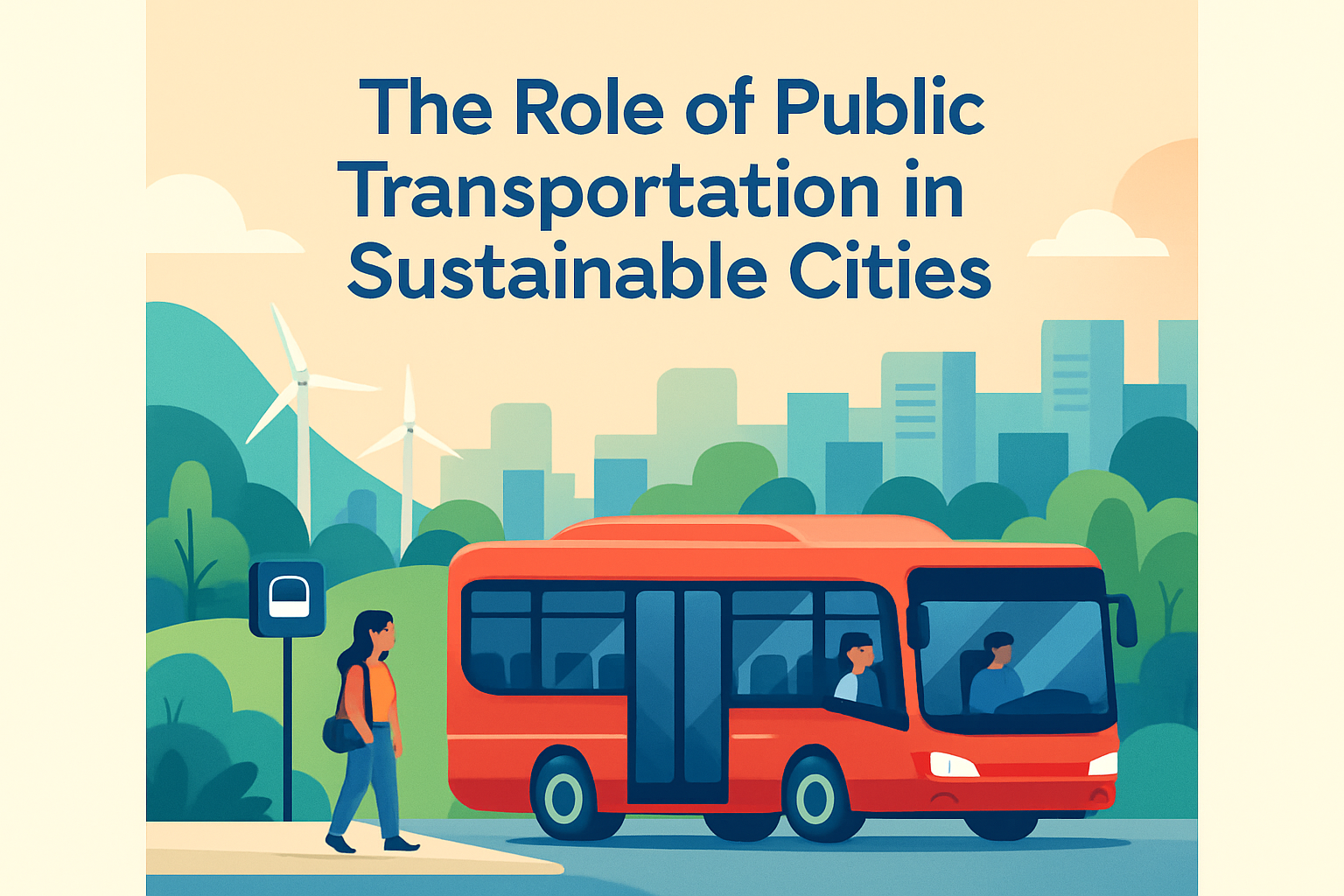
A key issue within urban transportation is ensuring that public transit is accessible and affordable to all segments of the population. Public transit systems, like buses and subways, serve as lifelines for millions of people, especially in densely populated cities. However, barriers such as high costs, inefficiency, and lack of coverage can disproportionately affect lower-income communities.
For example, consider the city of San Francisco, where the cost of monthly transit passes can be a significant burden on low-income families. Despite San Francisco’s robust public transport network, areas with lower-income residents often suffer from service inefficiencies and limited routes. These challenges can lead to increased reliance on expensive private transportation options, further straining financial resources.
Addressing these issues involves implementing policies that prioritize equitable fare structures, expanding transit networks to underserved areas, and investing in sustainable transport solutions, ensuring a comprehensive and inclusive transit system for all urban dwellers.
Infrastructure and Urban Planning
Infrastructure and urban planning significantly impact transportation equity. The design and implementation of transportation infrastructure—such as roads, bike lanes, and sidewalks—must consider the diverse needs of urban residents. Equitable infrastructure supports safe and efficient travel, minimizes environmental damage, and integrates seamlessly into the urban landscape.
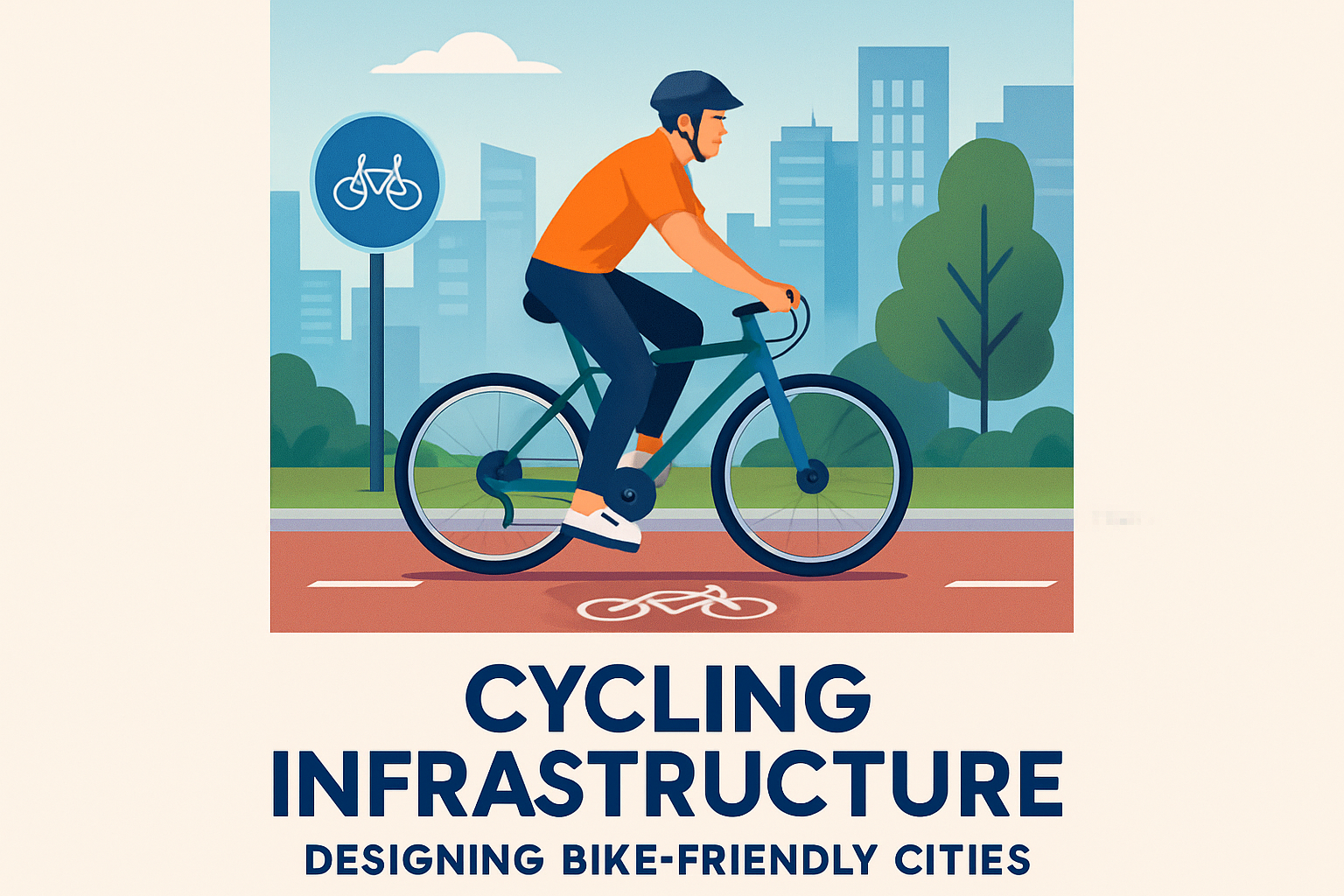
Take Copenhagen, for instance, a city renowned for its bicycle-friendly infrastructure. With more than half of its residents relying on bicycles as their primary means of transport, Copenhagen’s intentional planning fosters an inclusive and active transport culture, reducing reliance on cars and promoting public health.
Achieving equitable urban transportation requires ongoing collaboration among policymakers, planners, and community members, emphasizing sustainable growth, future-proof designs, and accounting for the varying needs of different demographic groups. Efforts must be focused on creating environments that prioritize pedestrian safety, ensure accessibility for individuals with disabilities, and promote the adoption of eco-friendly transportation modes.
Impact of Transportation on Economic Mobility
Transportation systems are a critical factor in determining economic mobility, or the ability of individuals to improve their economic status. Reliable transportation allows individuals to access job opportunities, education, healthcare, and social services that might otherwise be out of reach. A lack of efficient transport disproportionately hinders residents in underprivileged areas, effectively trapping them in localities with limited economic prospects.
In Atlanta, Georgia, the divide is evident. The city’s historically segregated neighborhoods experience disparities in transportation infrastructure, limiting access to the city’s economic hubs. Investment in improved transit services in these areas could alleviate this barrier, enhancing economic opportunities for residents and promoting overall regional economic growth.
Understanding the role of transportation in economic mobility prompts urban planners and policymakers to consider how transportation can act as an agent of change. Comprehensive transportation reforms are essential to enhancing job prospects, educational access, and income potential for marginalized communities.
Environmental Justice and Public Health
Another dimension of transportation equity is its impact on the environment and public health. Many urban areas struggle with air pollution and traffic congestion, adversely affecting residents’ quality of life. Environmental justice seeks to address these inequalities by promoting clean and sustainable transportation solutions, such as electric public vehicles, pedestrian-friendly pathways, and extensive cycling infrastructure.
In Los Angeles, efforts to tackle air pollution include introducing clean bus fleets, enhancing public transit options, and developing extensive pedestrian zones. These measures aim to reduce traffic congestion and improve air quality, especially in neighborhoods most affected by pollution, thereby creating healthier urban environments for all residents.
| City | Key Transportation Initiative | Impact |
|---|---|---|
| San Francisco | Equitable Fare Structures | Increased accessibility for low-income residents |
| Copenhagen | Bicycle-Friendly Infrastructure | Reduces car reliance, promotes health |
| Atlanta | Invest in Transit Services | Enhances economic mobility |
| Los Angeles | Clean Bus Fleets | Improves air quality |
Addressing environmental justice within urban transportation involves understanding the historical context of transport planning and adopting forward-thinking strategies that transcend traditional car-centric approaches. Creating pedestrian-friendly urban spaces and switching to renewable-energy-powered transit systems are essential steps in mitigating transportation-related environmental harm.
Technological Innovations and Future Prospects
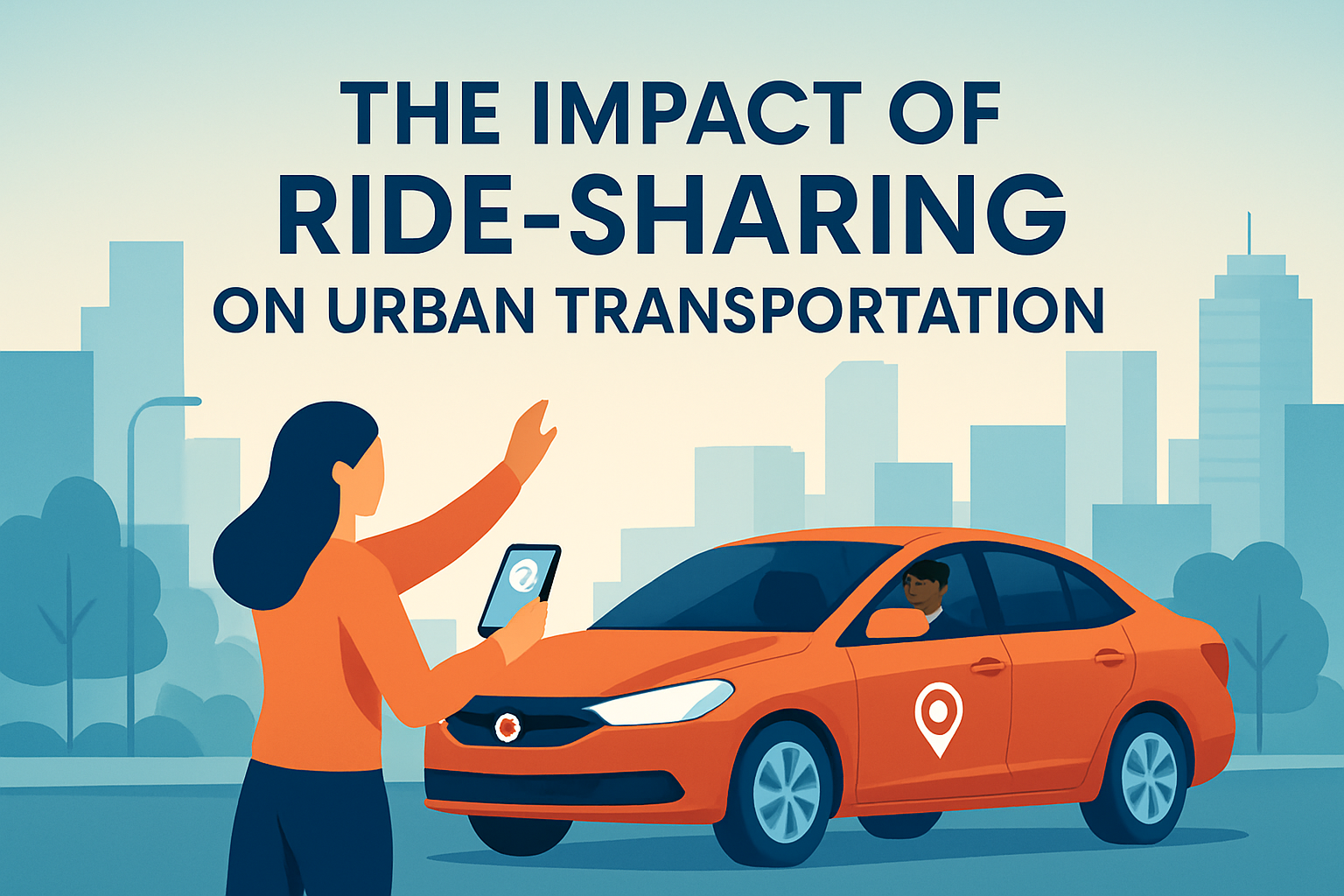
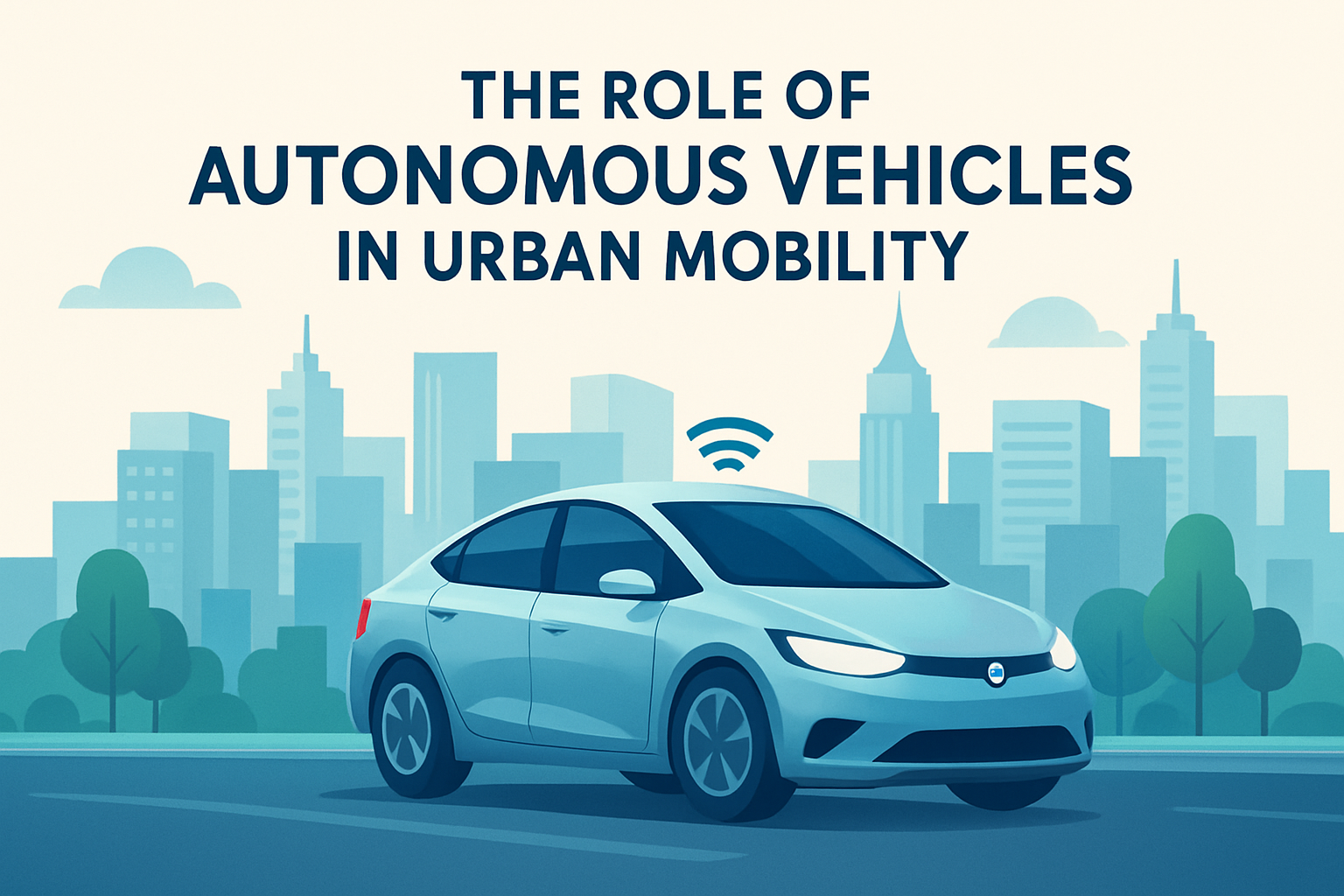
Technological advancements have the potential to significantly transform urban transportation, making it more equitable and sustainable. Innovations such as smart traffic management systems, ride-sharing platforms, and autonomous vehicles hold the promise of more efficient, responsive, and inclusive transport networks.
Singapore exemplifies effective use of technology, utilizing an integrated transport system that leverages real-time data for efficient traffic management and optimal public transit operation. Innovations here have not only improved commuting experiences but also contributed to a reduction in congestion and emissions.
As cities evolve, embracing technological advancements in transportation can bridge existing gaps in access and service quality, improve environmental outcomes, and enhance the overall safety and privacy of urban dwellers. Adopting new technologies requires strong governance, investment, and strategic collaboration between stakeholders to realize a sustainably connected future.
Community Engagement and Participation
Community engagement and participation are central to equitable urban transportation planning. Residents must have a voice in the development of the transportation systems that directly impact their lives. An inclusive planning process builds trust, accountability, and a shared sense of ownership among community members.
In Medellín, Colombia, community participation is a cornerstone of urban development strategies. The city’s participatory budgeting process allows citizens to actively engage in decision-making, resulting in a metro system that reflects the community’s needs and priorities.
To create transportation systems that reflect the diverse needs of all users, cities must pursue participatory planning models that give a platform to underrepresented voices, foster collaborative solutions, and promote civic involvement. Engaging local communities in dialogue and action is vital to implementing transportation solutions that advance social equity and contribute to sustainable urban development.
Conclusion
In summary, the relationship between urban transportation and social equity is intricate yet fundamental to the development of inclusive, thriving societies. Accessible, affordable, and sustainable transportation systems are paramount in addressing the diverse needs of urban populations and breaking down barriers to economic mobility, public health, and environmental sustainability.
Key takeaways from the discussion include the necessity for equitable fare structures, the importance of comprehensive urban planning, the significant impact that transportation has on economic opportunities, and the role technological innovation and community participation play in shaping equitable transport solutions. By viewing transportation through a social equity lens, policymakers and urban planners can make informed decisions that promote fairness, inclusivity, and resilience.
As urban areas continue to expand and evolve, it is imperative for city authorities, planners, and citizens to work together to drive change, advocate for equitable transport policies, and contribute to a future where transportation facilitates both mobility and opportunity for all. The next step for stakeholders is to actively participate in local urban planning discussions, advocate for policies that address transportation inequities, and support initiatives that enhance the sustainability and inclusivity of urban infrastructure.
The ultimate goal is creating a just urban world where everyone, irrespective of their socioeconomic background, enjoys the benefits of accessible, affordable, and environmentally-friendly transportation—ushering a new era of social equity through well-designed urban transportation systems.
Frequently Asked Questions
1. Why is urban transportation important for social equity?
Urban transportation is absolutely vital for social equity because it dictates how people can access jobs, education, healthcare, and other essential services. Without equitable transportation, marginalized communities may face significant barriers to upward mobility, leading to broader systemic issues. By ensuring everyone has reliable and affordable access to urban transportation, cities can level the playing field, so to speak. This is about connecting people to the resources they need to thrive and participate fully in society. It’s not just about reaching destinations; it’s about creating opportunities and reducing economic disparities. For example, if a city has a well-connected bus or train system that serves lower-income neighborhoods as effectively as it does affluent ones, residents have better access to job opportunities, potentially leading to improved economic outcomes for those communities.
2. What are some common barriers to achieving social equity in urban transportation?
There are numerous barriers to achieving social equity in urban transportation. Firstly, the location and availability of services can be a huge hurdle. Many lower-income areas do not have the same level of service as wealthier neighborhoods, which can limit access to essential services and jobs. Secondly, the costs associated with transportation, including fares and the necessary infrastructure like smartphones for app-based services, can be prohibitive for some groups. Additionally, accessibility issues persist for people with disabilities, as many systems are not fully compliant with ADA requirements. Finally, there’s often a significant digital divide, where newer, technology-driven transportation solutions are not accessible to everyone. Addressing these barriers requires thoughtful planning and investment to ensure that no group is left behind.
3. How can cities improve urban transportation to promote social equity?
Improving urban transportation to promote social equity involves a multi-faceted approach. Cities can start by ensuring transportation services are equally distributed across all neighborhoods. This might involve increasing routes and frequency in underserved areas to ensure people can rely on public transportation for their day-to-day needs. Affordability is another key factor; cities could explore subsidizing costs for low-income users to make transportation more accessible financially. Expanding infrastructure to meet accessibility needs is crucial too; this means ensuring buses, trains, and stations are fully ADA compliant. Furthermore, integrating new technologies in ways that are inclusive—such as providing options for those without smartphones or internet access—can help. Community engagement also plays a critical role, as municipalities need to work closely with residents to understand their needs and challenges, allowing them to tailor solutions that truly benefit all citizens.
4. What role do policy and government play in ensuring equitable urban transportation?
Policy and government are the backbone of creating equitable urban transportation systems. Government at all levels—federal, state, and local—can enact policies that mandate the equitable distribution of resources and funding to improve public transit systems. They have the power to legislate against discrimination and ensure inclusive development and service provision. Additionally, governments can incentivize or mandate private transportation companies to provide service in underserved areas, thus expanding the reach of transportation networks. Investment in public infrastructure through selective and strategic budget allocation can address gaps in the current systems. Moreover, through policy, governments can stimulate collaboration between multiple sectors—housing, education, and urban planning—to create harmonious urban environments where transportation systems are viewed holistically, rather than in isolation.
5. How does urban transportation affect economic mobility and prosperity?
Urban transportation plays a direct role in influencing economic mobility and prosperity. Efficient, reliable transportation connects people to job markets, meaning individuals can search for and secure employment opportunities beyond their immediate residential areas. This connectivity means people are not restricted geographically when seeking jobs, which can play a significant part in earning potential and career advancement. In fast-paced urban environments, transport systems can make a critical difference in being able to retain work because tardiness or absenteeism due to transportation failures can jeopardize job security. Additionally, by reducing travel times and costs, individuals can allocate more resources to improve their standard of living, whether it’s through better housing, education, or healthcare. In essence, a well-designed urban transportation system can enable broader economic participation and growth, catalyzing personal and communal prosperity.