In today’s rapidly evolving world, the demand for efficient and smart transportation systems is greater than ever. As urban areas continue to grow and congestion becomes a prevalent issue, transportation systems are being pushed to their limits. But what exactly do we mean by “smart transportation systems”? At their core, smart transportation systems refer to advanced applications that aim to provide innovative services related to different modes of transport and traffic management. They enable users to be better informed and make safer, more coordinated, and ‘smarter’ use of transport networks. Integrating technology into these systems isn’t just a luxury; it’s a necessity to improve mobility, reduce environmental impact, and enhance the quality of life.
Smart transportation matters because it tackles several critical challenges. Congested roads, high emission levels, and inefficient public transport systems have detrimental effects on both the environment and the economy. By leveraging technology, cities can improve traffic flow, reduce accidents, and offer more sustainable transit solutions. It empowers individuals and societies as a whole with better options and efficiencies. As we transition into a more digitally-driven era, it’s imperative to integrate technology for better mobility to not only meet today’s demands but also anticipate future needs.
Intelligent Traffic Management Systems
The heart of smart transportation lies in its ability to manage and optimize traffic conditions using real-time data. Intelligent Traffic Management Systems (ITMS) utilize these data to make informed decisions regarding traffic flow, congestion relief, and incident management. For example, cities like Los Angeles have pioneered the deployment of integrated traffic signals. By utilizing sensors and cameras, the ITMS can adjust traffic signals based on current traffic conditions, thereby decreasing waiting times and improving traffic flow.
Such systems are equipped to predict traffic patterns, which allows for preemptive measures to avert potential gridlocks. Sensors installed on highways and in urban centers collect data continuously. Algorithms then process this data to adjust traffic lights, provide alerts to drivers, or even suggest alternative routes in real-time, enhancing the overall efficiency of road networks.
Connected Vehicles and Autonomous Driving
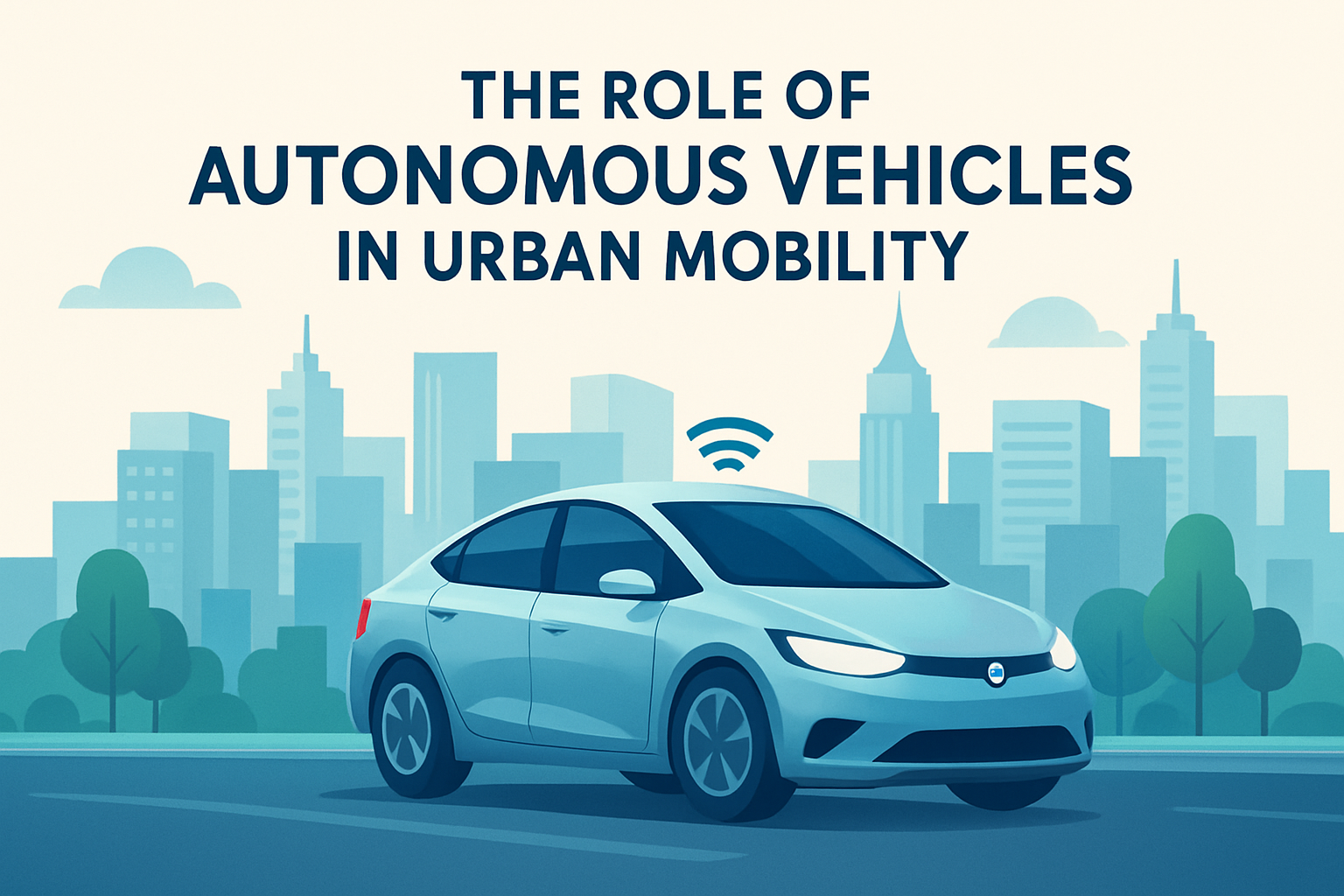
Another groundbreaking component of smart transportation is the advent of connected vehicles and autonomous driving technologies. These vehicles communicate with each other and with transportation infrastructure, pioneering a level of safety and efficiency previously unattainable. Tesla, for example, with its autopilot features, showcases how vehicles can autonomously navigate through traffic and make split-second decisions that mimic human reflexes but operate with machines’ precision.
The communication between vehicles (Vehicle-to-Vehicle or V2V) and between vehicles and infrastructure (Vehicle-to-Infrastructure or V2I) allows for a synchronized transportation ecosystem. This integration helps minimize accidents caused by human error, reduces traffic congestion, and optimizes fuel consumption. The transformation from conventional vehicles to smart, autonomous fleets is not only an exciting prospect but an essential shift needed for sustainable urban mobility.
Public Transportation Enhancements
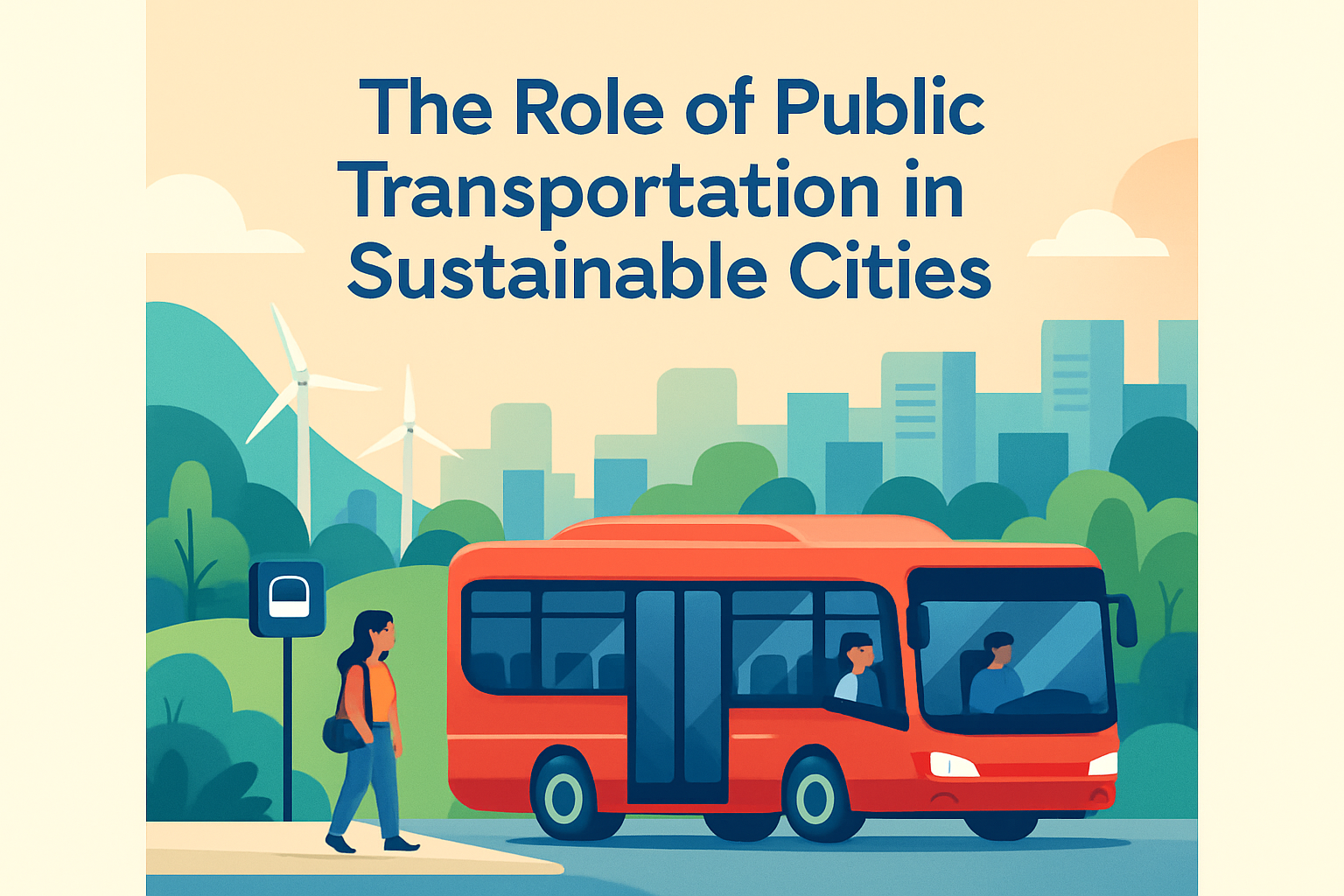
When we discuss smart transportation, it’s not just about personal or private vehicles—public transportation equally benefits from technology-driven solutions. Integrating technology can transform how people perceive and use public transit systems. A real-world instance is the implementation of smart ticketing and real-time passenger information systems in cities like Singapore.
The smart ticketing system simplifies the fare collection process and reduces queuing times at stations. Moreover, real-time passenger information systems display current bus or train locations and expected arrival times, greatly improving user convenience. Public transportation systems equipped with these smart technologies offer operational efficiency and enhanced rider experience, increasing public transport adoption and reducing reliance on personal vehicles.
Data Analysis and Urban Planning
Data analysis inherently complements the development and management of smart transportation systems. Advanced data analytics allow cities to understand and model transportation demand. By analyzing patterns such as peak travel times, popular routes, and potential bottlenecks, planners can create more effective public transportation routes and optimize urban layouts to better accommodate human mobility.
For instance, the city of Rotterdam uses a smart transport platform that integrates multiple data sources, including traffic, weather, and event information. This platform aids in predicting fluid transit during major events or day-to-day variability. Such foresight allows for adaptive changes in transport strategies, ensuring smoother flow and fewer disruptions.
| Type of Smart Transportation | Technology Used | Benefits |
|---|---|---|
| Intelligent Traffic Systems | Sensors, Cameras | Reduced Congestion, Efficient Flow |
| Connected Vehicles | V2V, V2I Communication | Improved Safety, Fuel Efficiency |
| Public Transit Enhancements | Smart Ticketing, Real-Time Info | Higher User Satisfaction, Increased Adoption |
| Data-Driven Urban Planning | Data Analytics | Optimized Routes, Dynamic Planning |
Environmental Impact and Sustainability
The swift move towards integrating technology in transportation is largely driven by the need for sustainable and environmentally friendly solutions. Technological advancements in electric vehicles (EVs) and their supporting infrastructure play a pivotal role in reducing carbon emissions. Take the example of Norway, where government incentives, tax exemptions, and substantial EV charging infrastructure support have led to electric becoming the dominant choice for new car buyers.
This shift towards electric mobilization minimizes the carbon footprint of transportation systems. Furthermore, when integrated with green energy sources, such as solar or wind, the environmental impact is drastically reduced. Smart transportation systems are, thus, indispensable in meeting global commitments to climate action.
Challenges and Obstacles
Despite the numerous advantages, the deployment of smart transportation systems comes with challenges. High initial investment costs, technological barriers, and the need for profound policy frameworks and regulations can impede progress. Take the implementation of autonomous vehicles, for instance. While technology advances rapidly, the absence of standard regulations, safety, and ethical considerations delay widespread adoption.
Countries around the world are grappling with creating robust policies and infrastructures that cater not only to current needs but can adapt as technologies advance. Ensuring the privacy and security of data collected through numerous technological applications remains a significant concern, requiring constant vigilance and innovative solutions.
The Role of Collaboration and Innovation
The future of smart transportation is bolstered by collaborations among governments, private entities, and research institutions. Joint efforts ensure the sharing of resources, technological developments, and expertise, which are essential for overcoming challenges. In the United Kingdom, collaborations between the government and companies in the Transport Systems Catapult initiative exemplify this. The initiative successfully tests innovative solutions and shares best practices which accelerate the deployment of smart transportation systems.
Innovation continues to drive the transportation sector forward. Encouraging startups and tech companies to develop new technologies paves the way for continuous improvements. Funding, incentives, and open platforms for testing can all further bolster this innovative environment, ensuring that transportation systems evolve alongside technological advancements.
Conclusion: Embracing Smart Transportation Systems
In summary, smart transportation systems represent a quintessential shift toward a more sustainable, efficient, and integrated mobility future. By redefining how we navigate urban spaces, smart systems address today’s pressing issues of congestion, emissions, and safety, while preparing for tomorrow’s challenges. The fusion of technology into transportation presents endless opportunities for innovation and growth.
For policymakers, transportation authorities, and anyone passionate about the potential of smart transportation, the course of action is clear: foster environments supportive of technological integration, drive collaborative initiatives, and continuously invest in innovations. As individuals, understanding the significance of these systems encourages us to advocate for and adopt smarter solutions in our daily lives.
Let us collectively embrace this transformation, harnessing technology to ensure a seamless and sustainable mobility experience for all. The choice to step into this new era of transportation is not only preferable; it is necessary for a prosperous and resilient future.
Frequently Asked Questions
1. What are Smart Transportation Systems and how do they work?
Smart Transportation Systems refer to advanced applications designed to provide innovative services for various modes of transport and traffic management. These systems utilize cutting-edge technology to improve mobility, enhance safety, and reduce environmental impact in urban areas and beyond. They work by integrating various technologies such as sensors, data analytics, artificial intelligence, and the Internet of Things (IoT) to collect data in real-time. This data is then used to manage traffic flows efficiently, provide users with real-time information, and enable smooth interconnectivity among different transportation modes. For example, GPS and mobile applications can offer real-time updates on traffic conditions, public transport schedules, and route optimization to ease congestion and travel times.
2. What technologies are most commonly used in smart transportation systems?
Smart transportation systems leverage a variety of technologies to enhance efficiency and user experience. Key technologies include:
- Internet of Things (IoT): IoT devices collect and share data from vehicles, infrastructure, and users to optimize transportation systems.
- Artificial Intelligence (AI): AI is used for predictive analytics, which helps in foreseeing traffic patterns and deploying proactive traffic management measures.
- Big Data Analytics: The analysis of large volumes of data to derive meaningful insights and improve decision-making processes.
- Sensors and Cameras: Deployed on roads and vehicles to monitor and manage traffic flow, detect accidents, and ensure safety.
- Global Positioning System (GPS): Provides real-time location data for navigation and transect tracking.
- V2X Communication (Vehicle-to-Everything): Facilitates communication between vehicles and their environment, aiding in cooperative driving and enhancing road safety.
These technologies work in tandem to create a seamless, safe, and efficient transportation environment.
3. How do smart transportation systems benefit the environment?
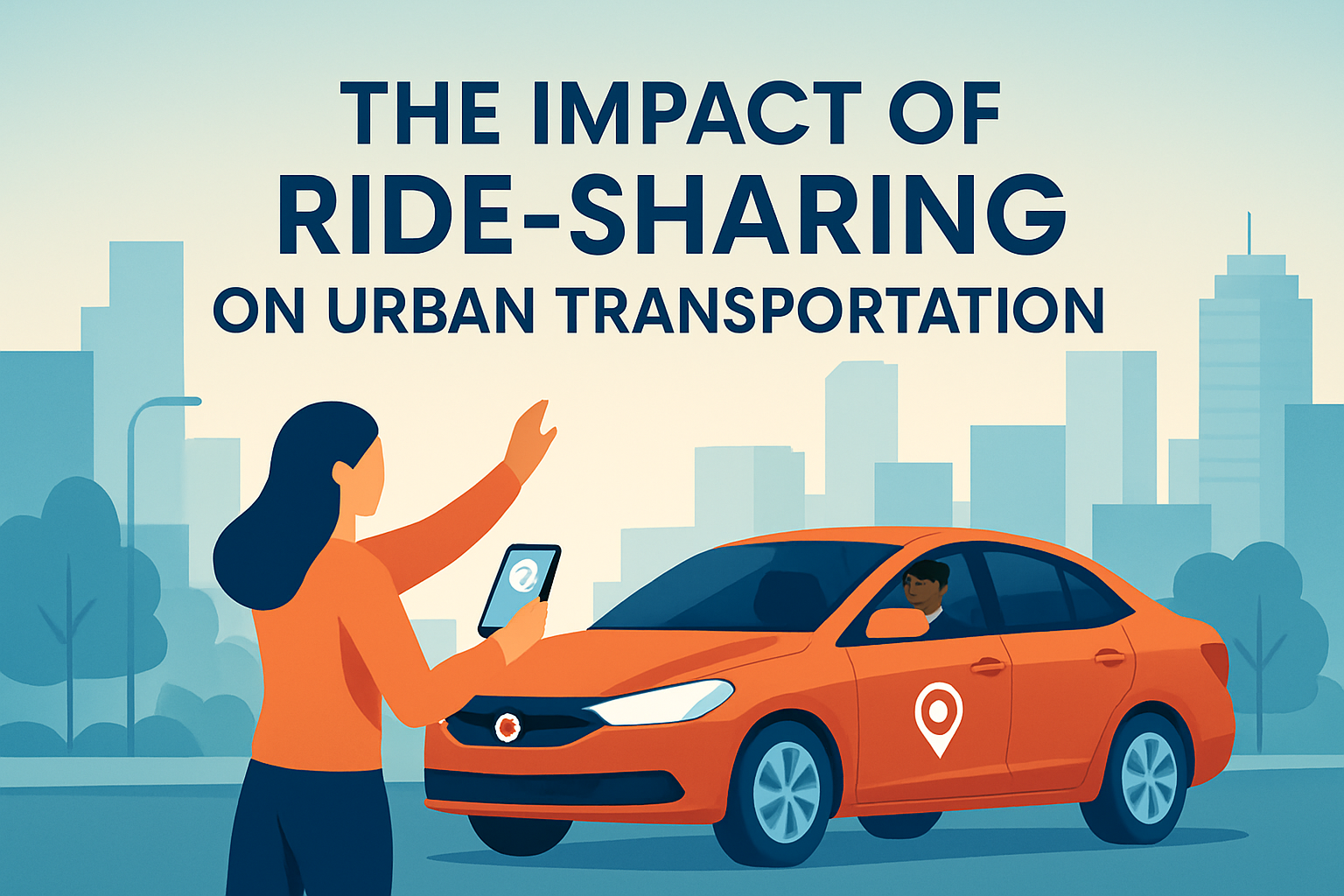
Smart transportation systems offer several environmental benefits by optimizing traffic and reducing emissions. By improving traffic flow and reducing congestion, vehicles spend less time idling, which leads to a decrease in fuel consumption and carbon emissions. Additionally, smart systems can encourage the use of public transport and promote car-sharing initiatives, further decreasing the number of vehicles on the road. Other environmental benefits include:
- Reduction in Air Pollution: With improved vehicle operation, emissions are minimized, leading to cleaner air quality.
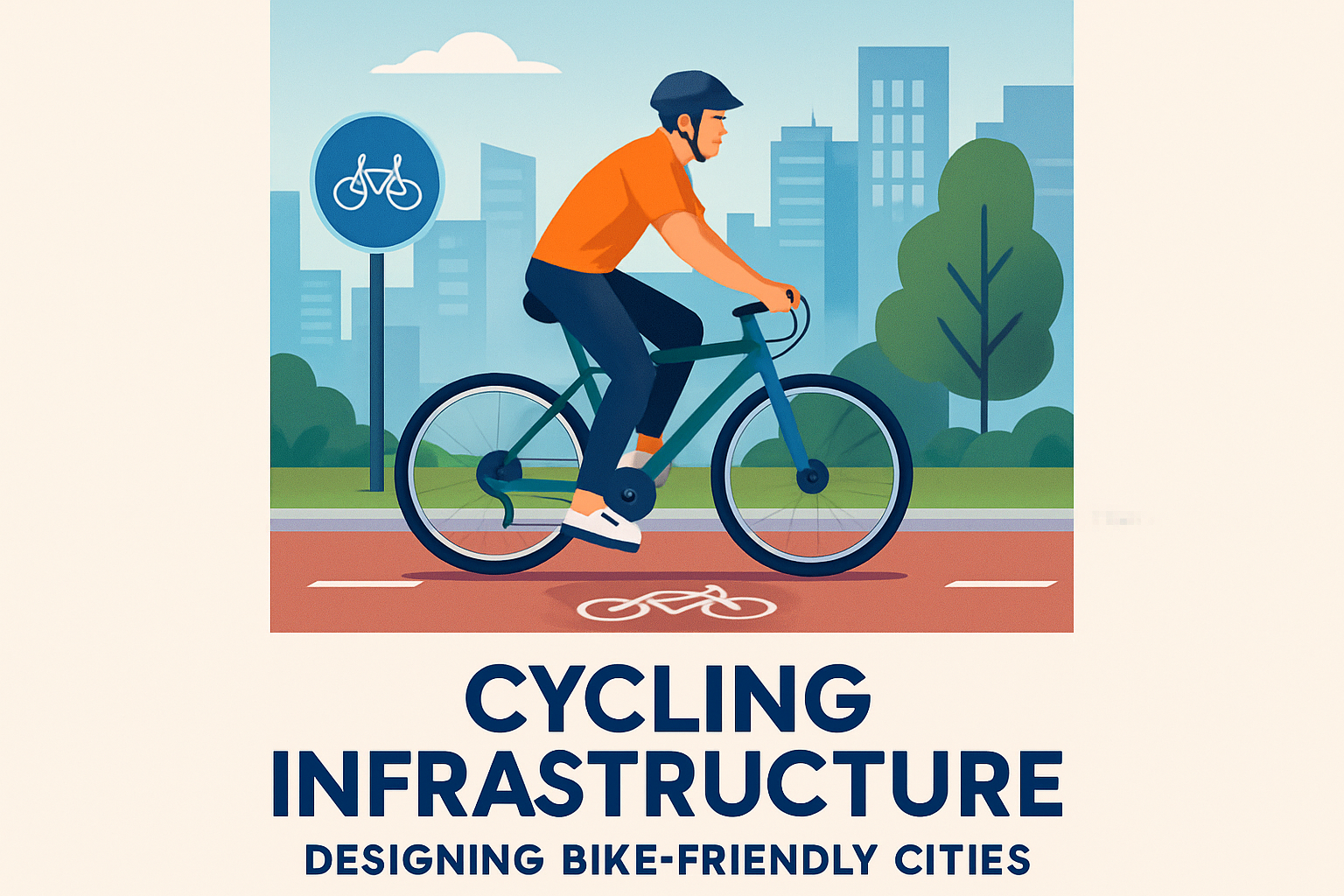
- Encouragement of Eco-friendly Transport: Smart transportation systems often support infrastructure for electric vehicles, bicycles, and scooters, which have a lower environmental impact than traditional combustion-engine vehicles.
- Urban Planning and Land Use: Data-driven insights allow for better urban planning that promotes sustainable development and reduces urban sprawl.
Overall, smart transportation plays a crucial role in promoting sustainable mobility in cities worldwide.
4. What are the challenges faced in implementing smart transportation systems?
While the benefits of smart transportation systems are considerable, several challenges impact their implementation:
- High Initial Investment: Setting up such systems requires significant funding, which can be a barrier for local governments and municipalities, especially in developing regions.
- Data Security and Privacy: Smart systems rely heavily on data collection, making them susceptible to cybersecurity threats and raising concerns about user privacy.
- Infrastructure: Existing infrastructure may need overhauling to accommodate smart technologies, posing logistical and financial challenges.
- Interoperability: Integrating various technologies and systems from different vendors can lead to compatibility issues.
- Public Acceptance: There can be resistance to change from citizens who are accustomed to traditional transportation methods.
Addressing these challenges involves collaborative efforts between the government, private sector, and the community to create resilient, user-friendly, and secure smart transportation solutions.
5. How do smart transportation systems enhance safety for commuters?
One of the primary objectives of smart transportation systems is to enhance safety for all road users. By leveraging technology, these systems provide several safety advantages:
- Accident Prevention: Real-time data and predictive analytics can foresee potential hazards and alert drivers to avoid risky situations, helping to reduce collision rates.
- V2V and V2I Communication: Vehicles equipped with communication systems that alert each other or infrastructure of traffic conditions, such as accidents or road blockages, can take precautionary action sooner.
- Automatic Incident Detection: Using cameras and sensors, smart systems can swiftly detect accidents or road obstructions, ensuring a quicker emergency response to minimize damage or injury.
- Smart Traffic Signals and Signage: Adaptive traffic control systems adjust signal timings to improve traffic flow and reduce the stop-and-go effects that can lead to fender benders.
- Driver Assistance Technologies: Innovations such as lane departure warnings, collision avoidance systems, and adaptive cruise control contribute to minimizing human error, which is a leading cause of road accidents.
Overall, smart transportation systems foster a safer travel environment by equipping the road ecosystem with tools that preempt and mitigate risks effectively.